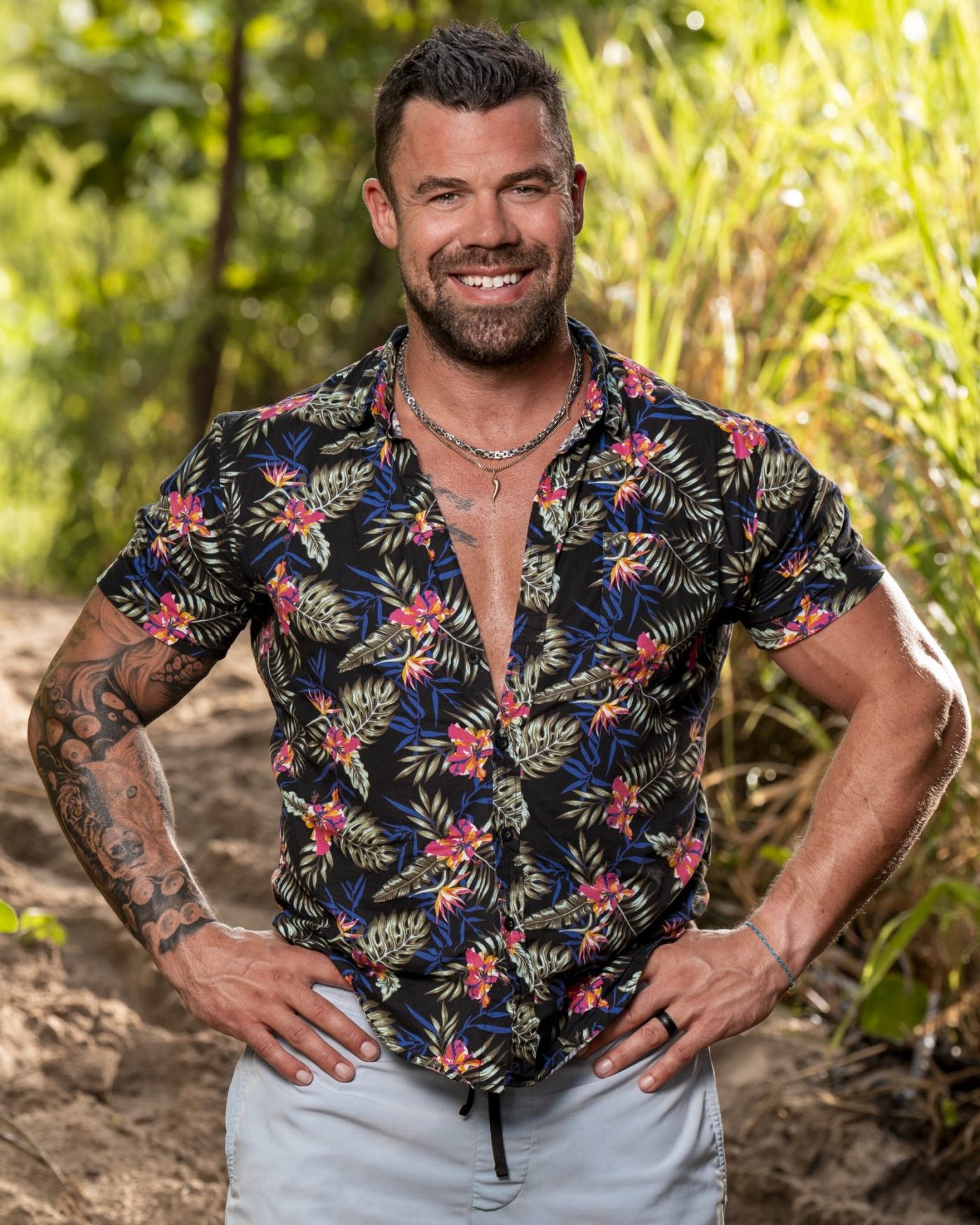
Survivor Jake O’Kane: Analyzing Gameplay and Competition Strategy
Jake O’Kane’s tenure on CBS’s Survivor serves as a compelling case study for viewers interested in the intersection of social adaptability, physical resilience, and the evolving meta-game of modern reality television. His participation...
Jake O’Kane’s tenure on CBS’s Survivor serves as a compelling case study for viewers interested in the intersection of social adaptability, physical resilience, and the evolving meta-game of modern reality television. His participation in Survivor 45 stands out for its high-stakes tension and the strategic maneuvers required to navigate a season defined by complex idol mechanics, shifting alliances, and an unpredictable late-game environment.
Contents
The Context of Jake O’Kane’s Gameplay in Survivor 45
To understand Jake O’Kane’s position within the competition, one must first recognize the specific environment of Survivor 45. This season was marked by a return to longer episodes and a high density of game-breaking advantages. Jake, a legal professional from Boston, entered the game with a clear social baseline but faced significant hurdles regarding the alignment of his target level and his influence within the majority voting blocs.
Throughout his time on the island, Jake’s game was characterized by "uphill battles." Unlike players who find themselves in a comfortable "core four" alliance from the start, Jake frequently found himself on the wrong side of the numbers. His gameplay necessitated a reliance on late-stage scrambling—a high-risk, high-reward strategy that often left him vulnerable at tribal council. His ability to maintain composure while being the target of multiple votes demonstrates the psychological fortitude required for modern Survivor success, even if his strategic plans did not always culminate in a victory.
Strategic Hurdles: The "Bottom-Feeder" Dilemma
A common challenge for Survivor contestants who enter the merge without firm, long-term allies is the "bottom-feeder" stigma. Jake spent a significant portion of his time in the game attempting to break out of the bottom of the tribal hierarchy. This position creates a paradox: to advance, a player must convince the majority to shift their targets, but doing so without an established voting block often tips one’s hand too early.
Key elements that influenced his strategic trajectory included:
- Social Isolation: Due to initial tribe distributions, Jake had to navigate social gaps that hindered his ability to integrate into the dominant alliances during the merge.
- The Idol Chase: Jake’s persistent search for hidden immunity idols became a defining element of his narrative. While this provided him with critical moments of leverage, it also heightened his profile, making him a perpetual "danger" in the eyes of other competitors.
- Negotiation Tactics: His professional background as an attorney often surfaced in his attempts to plead his case to other players. In a game defined by emotional bonds, his logical, legalistic approach to persuasion sometimes struggled to gain the necessary traction with opponents who were playing based on intuition and pre-existing social contracts.
Comparative Analysis of Survivor 45 Archetypes
To better contextualize Jake’s performance, we can compare his style of play with common Survivor participant archetypes. The following table illustrates the strategic variance found in Survivor 45:
| Archetype | Primary Strategy | Jake O’Kane Alignment | Result/Trend |
|---|---|---|---|
| Social Pivot | Floats between alliances | Low | Often pushed out of circles |
| Physical Shield | Focuses on challenge wins | Moderate | Vulnerable when not immune |
| Strategic Disruptor | Uses idols/advantages | High | Used to force late-game chaos |
| Loyal Soldier | Sticks to original tribe | Low | Replaced by new alliances |
Jake’s decision to prioritize aggressive, high-variance moves—such as his attempts to orchestrate blindside votes against the dominant power structures—demonstrates a player who was unwilling to "settle" for a secondary placement, even when more conservative options might have extended his stay.
The Role of Physical and Mental Endurance
While strategy dominates the conversation around Survivor, the physical reality of the competition remains the foundation of all decision-making. In the tropical conditions of the Mamanuca Islands in Fiji, caloric deficit and sleep deprivation significantly impact a player’s executive function. For Jake, maintaining focus during late-stage immunity challenges was crucial.
His performance in challenges often acted as his only true safety net. When social capital is low, physical immunity becomes the only guarantee of safety. Jake’s ability to remain competitive in physical tasks allowed him to extend his game beyond the point where his social standing alone would have dictated his departure. This underscores a vital lesson for prospective Survivor contestants: social game and physical performance are not independent variables; they are deeply codependent. A failure in one immediately increases the burden on the other.
Learning from the Experience: Common Pitfalls
For fans and future applicants, Jake’s journey offers several cautionary lessons regarding modern gameplay:
- Over-communication: In an attempt to save himself, a player may inadvertently spread too much information, which can lead to increased mistrust. In Survivor, silence is often as valuable as speech.
- The "Live Tribal" Effect: Survivor 45 featured numerous instances of "live" tribal councils where plans changed in the final minutes. Jake’s experience highlights the need for extreme adaptability—players must be prepared for the plan to change the moment they sit down in front of the cameras.
- Idol Dependency: Relying on the discovery of an idol is statistically dangerous. The "idol-as-a-fix-all" mentality has claimed many strong players who failed to build the underlying social connections necessary to survive without an advantage.
Frequently Asked Questions (FAQ)
Why did Jake O’Kane often find himself in the minority at tribal council? Jake struggled to integrate into the core alliances early in the merge. In Survivor, alliances are often formed based on pre-existing bonds from the original tribe divisions. Because he did not have a strong foundation of trust with the dominant group, he was frequently the "easy" target for consensus votes.
How did his professional background influence his game? Jake utilized the articulation and persuasion skills honed as an attorney to advocate for himself. However, in the high-trust environment of Survivor, being perceived as a "lawyer" can sometimes be a double-edged sword, as other players may suspect that you are being intentionally manipulative or calculated, regardless of your intent.
Was finding an idol a good strategy for Jake? Yes, given his position. When a player is at the bottom of the hierarchy, they have little to lose by searching for idols. While it painted a target on his back, it provided him with the only leverage he had to influence the game's outcome during critical junctures.
What is the most important lesson from his time on the show? The importance of early-game social bonding. Strategy, idols, and challenge wins are all secondary to the strength of your relationships. Once you are on the "outside" of the dominant alliance structure, it is incredibly difficult to force your way back in without a significant shift in the game's dynamics.
Final Assessment and Next Steps
Jake O’Kane’s participation in Survivor 45 provides a masterclass in the resilience required to play from behind. He remained engaged and proactive until his final moments in the game, refusing to accept the role of a passive observer. For those analyzing his gameplay, the focus should not merely be on the outcome, but on the specific decisions made under extreme exhaustion and isolation. If you are interested in the mechanics of reality television competition, look toward his interactions during the mid-merge phase to see how he attempted to dismantle voting blocs through social pressure and tactical advantage utilization. Success in Survivor remains a balance of social integration and the ability to pivot when the landscape of the game shifts beneath your feet.
Image Gallery