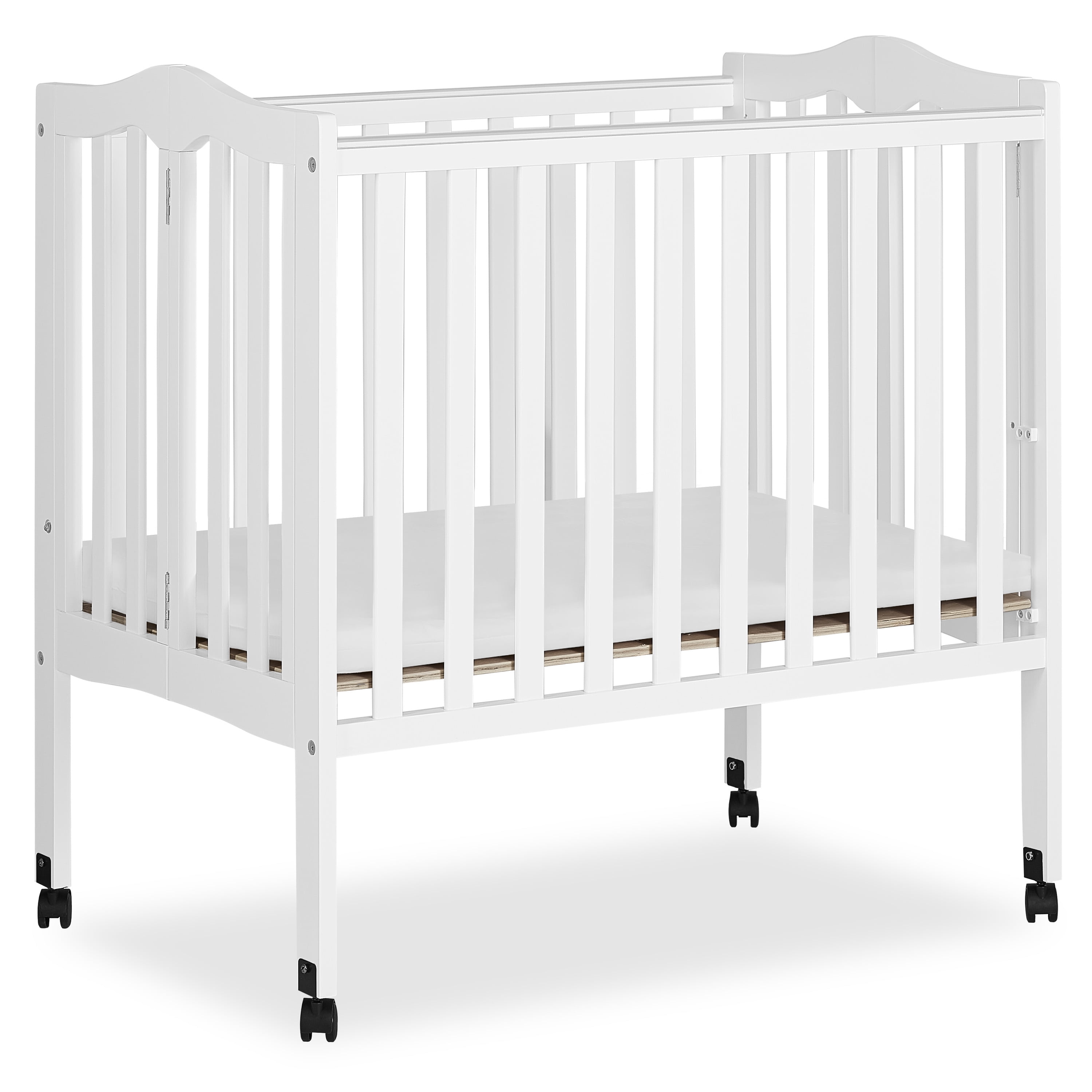
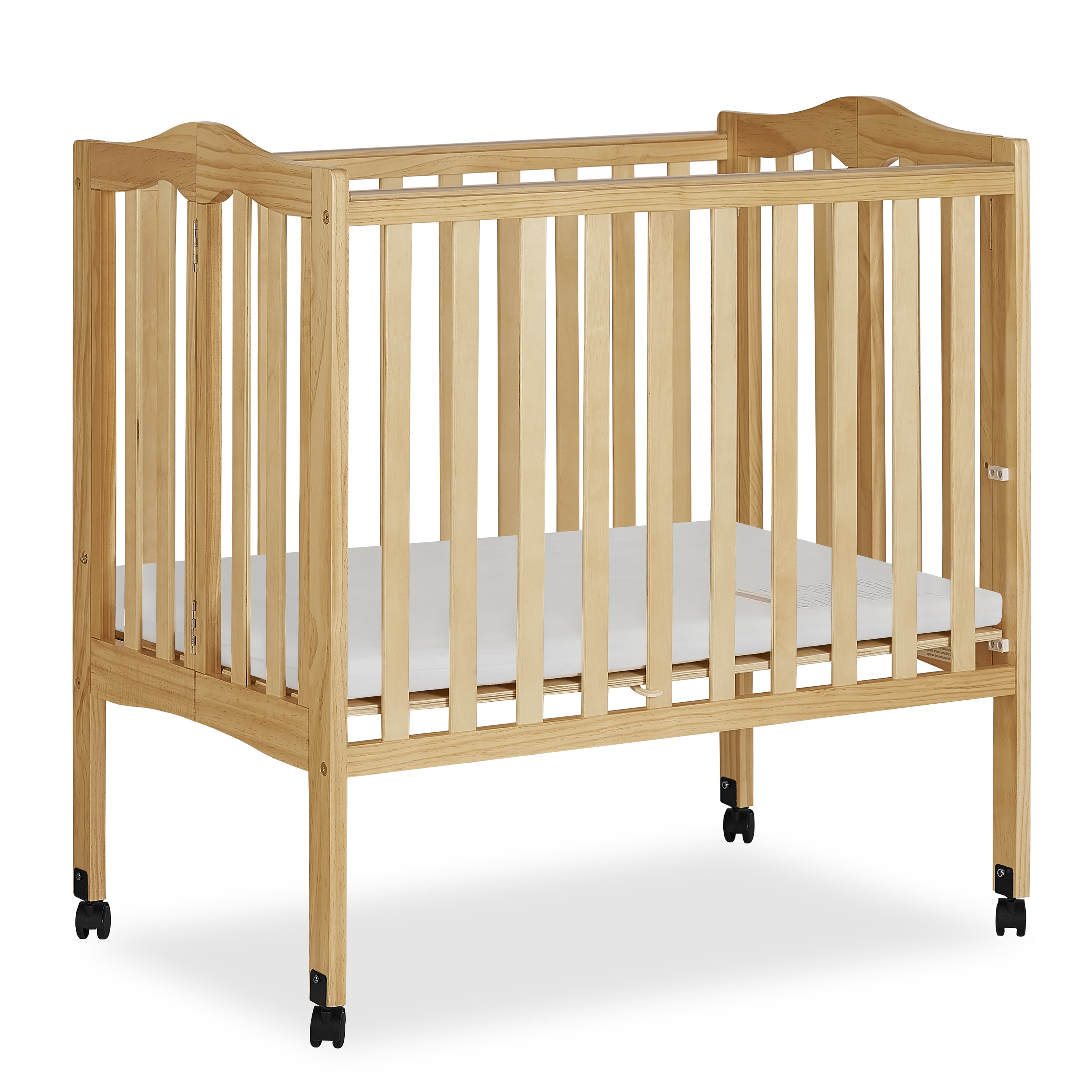
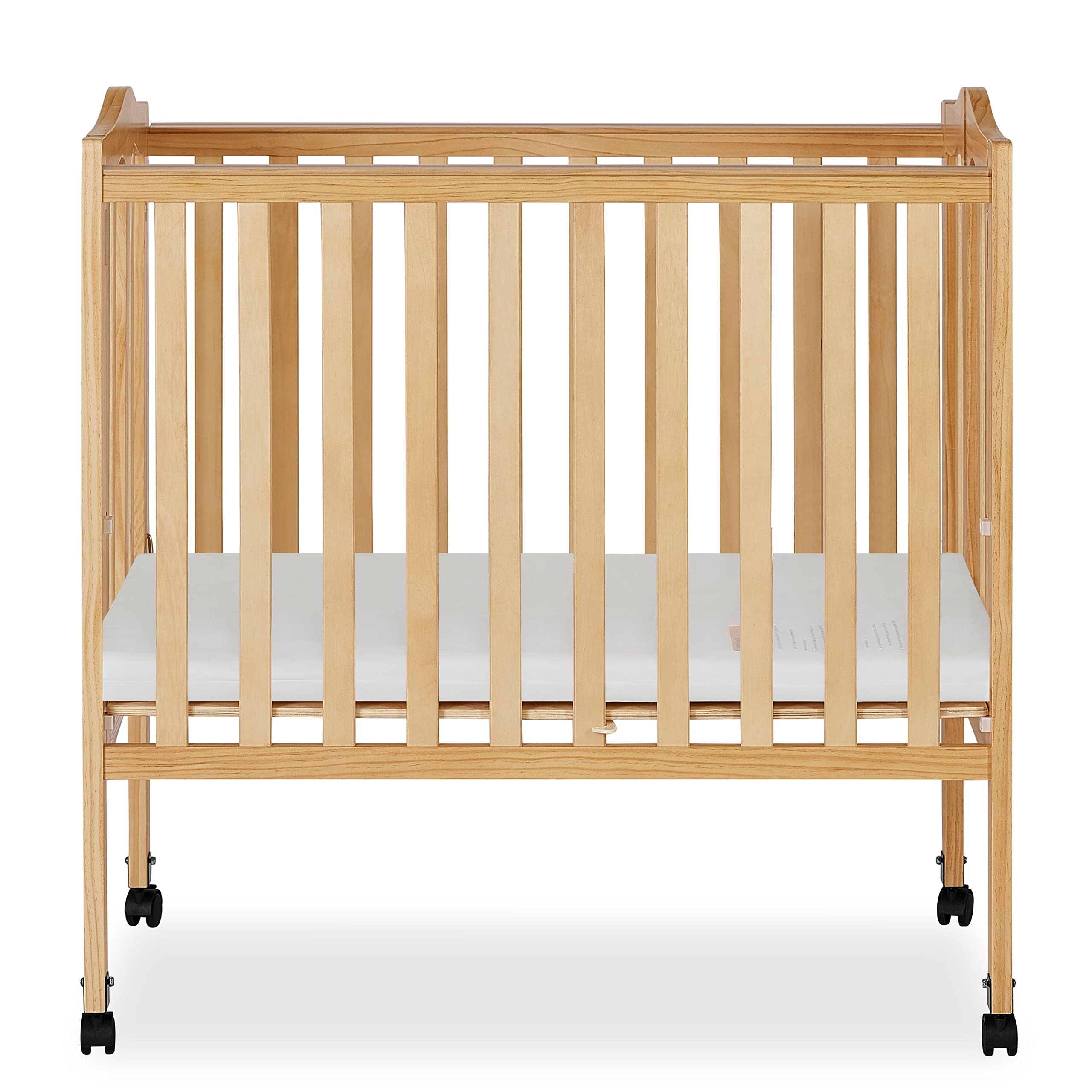
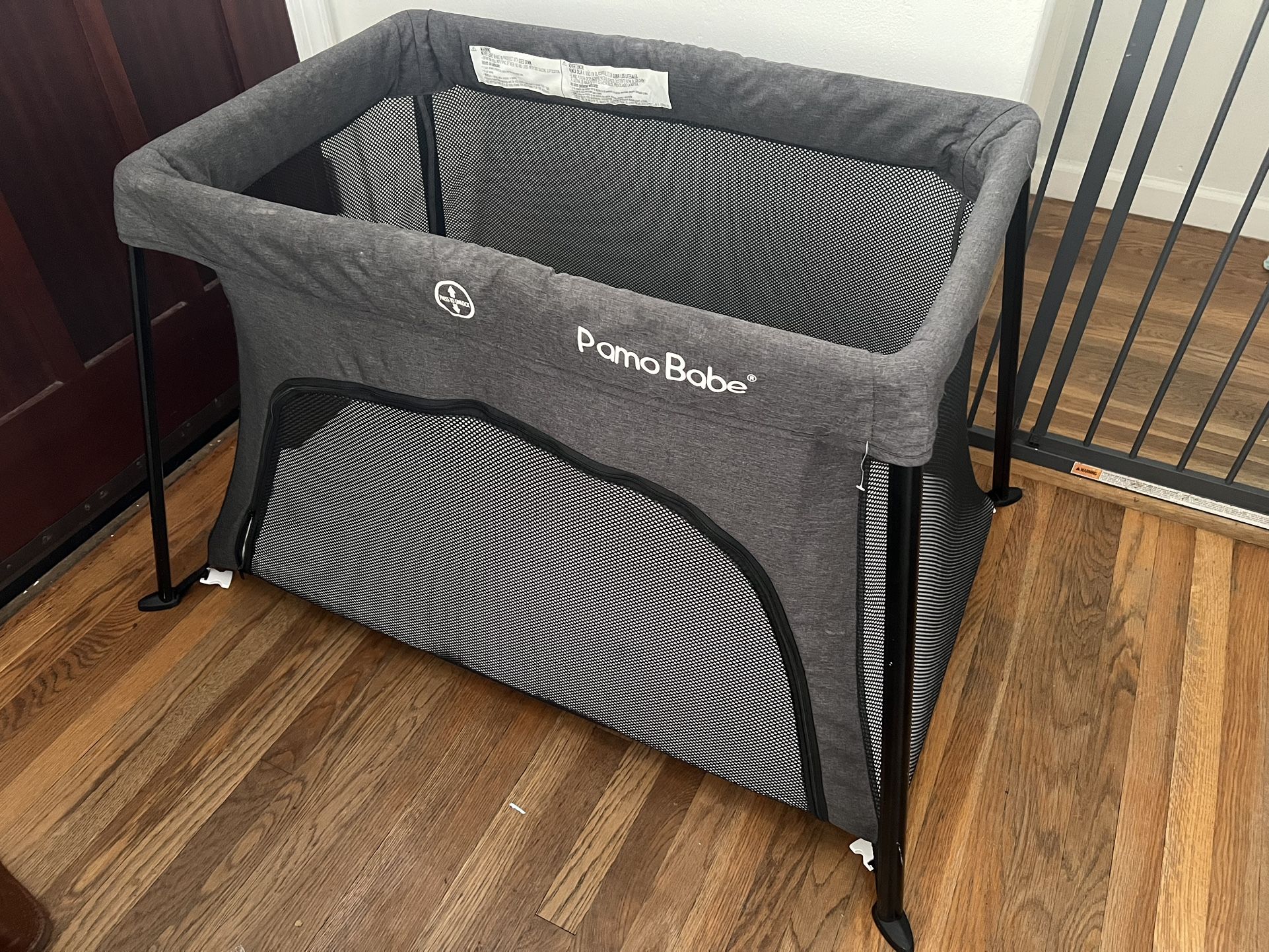
Choosing the Lightest Portable Crib for Travel and Safety
Selecting the lightest portable crib requires balancing extreme weight reduction with essential safety standards, structural stability, and ease of assembly. Most ultralight options utilize high-tensile aluminum frames or tension-based...
Selecting the lightest portable crib requires balancing extreme weight reduction with essential safety standards, structural stability, and ease of assembly. Most ultralight options utilize high-tensile aluminum frames or tension-based mesh designs, keeping the total weight between 6 and 15 pounds. Prioritizing JPMA certification and ASTM F406 compliance ensures that weight savings do not compromise your child's security during sleep.
Contents
Understanding Weight and Portability Requirements
The quest for the lightest portable crib often begins when parents realize that standard "travel cribs" can weigh upwards of 20 pounds, becoming a significant burden when navigating airports, public transit, or small vehicle trunks. In the context of baby gear, "portable" implies a unit that can be checked as luggage or carried as a backpack item.
True ultralight cribs (often marketed as travel bassinets or playards) rely on physics rather than heavy-duty steel to maintain their shape. They typically use a combination of lightweight aluminum alloys and nylon fabrics. When evaluating the weight of a unit, you must account for the total package weight: the frame, the mattress or pad, the protective storage bag, and any included accessories. Often, manufacturers list only the frame weight, which can mislead consumers regarding the actual carry weight.
Critical Safety Standards and Compliance
Before prioritizing the lowest weight, you must verify that any prospective portable crib meets mandatory safety regulations. In the United States, portable cribs and play yards are governed by the ASTM F406 standard, which covers requirements for structural integrity, mattress thickness, and entrapment hazards.
When investigating a product:
- JPMA Certification: The Juvenile Products Manufacturers Association (JPMA) provides independent verification that a product has been tested to meet or exceed federal safety standards.
- Mattress Firmness: Ultralight cribs often use thinner pads. Ensure the pad is firm and fits snugly against the walls of the crib to prevent gaps where an infant could become trapped.
- Stability Testing: A lightweight frame must be inherently stable. Test for "tipping" potential by applying pressure to the edges of the structure to ensure the center of gravity remains low even when an infant is moving.
Material Science in Ultralight Design
The evolution of portable cribs in 2026 reflects advances in material science. Manufacturers now frequently utilize aerospace-grade aluminum or carbon-fiber-reinforced composites to shave off ounces without sacrificing structural rigidity.
The fabric components are equally vital. High-denier nylon and polyester mesh provide the necessary breathability and durability. Mesh sides are critical not only for visibility but also for ensuring the crib is safe even if a child rolls against the side of the enclosure. Avoid models that use heavy plastic components or unnecessary decorative elements, as these contribute significantly to the bulk and total mass of the product.
Comparing Common Lightweight Portable Solutions
The following table categorizes the typical profiles found in the market as of 2026. This data reflects standard industry configurations for travel-oriented sleep solutions.
| Category | Weight Range | Best For | Typical Features |
|---|---|---|---|
| Travel Bassinet | 3–7 lbs | Newborns/Infants | Minimalist, often folds flat |
| Ultralight Playard | 8–13 lbs | Infants to Toddlers | Full mesh, snap-lock frame |
| Tension-Frame Crib | 10–15 lbs | Frequent Flyers | Integrated mattress, side access |
| Standard Portable | 16–25 lbs | Road Trips | Robust, multi-feature design |
Practical Assembly and Operational Limitations
The lightest cribs often utilize a "pop-up" or "snap-tension" assembly mechanism. While these are convenient, they require a specific technique to lock the joints securely.
- Preparation: Clear a level floor space. Do not place the crib on elevated surfaces like tables or beds, as this poses an extreme fall hazard.
- Locking Mechanisms: Listen for the audible "click" that confirms the frame is locked in the upright position.
- Tensioning: For models using a mattress insert, ensure the support system is fully engaged. A loose mattress is a significant safety risk.
- Maintenance: Periodically inspect the frame for stress fractures or fabric tears. Even the lightest materials have a lifespan; if the structural integrity is compromised, the unit must be replaced.
Navigating Common Mistakes
One of the most frequent errors parents make is using a portable crib beyond the manufacturer's recommended weight or height limit. Because these units are engineered to be lightweight, their structural limits are more restrictive than those of full-sized wooden cribs.
Another mistake is the addition of third-party accessories. You should never add extra padding, pillows, or non-fitted blankets to a portable crib. These items can create suffocation hazards and interfere with the structural design, which is calibrated to remain breathable and firm. Always use the mattress pad provided by the manufacturer. If you are traveling, check that your specific model is approved for airplane cabin carry-on if you intend to bypass checked luggage.
Expert Guidance on Travel Readiness
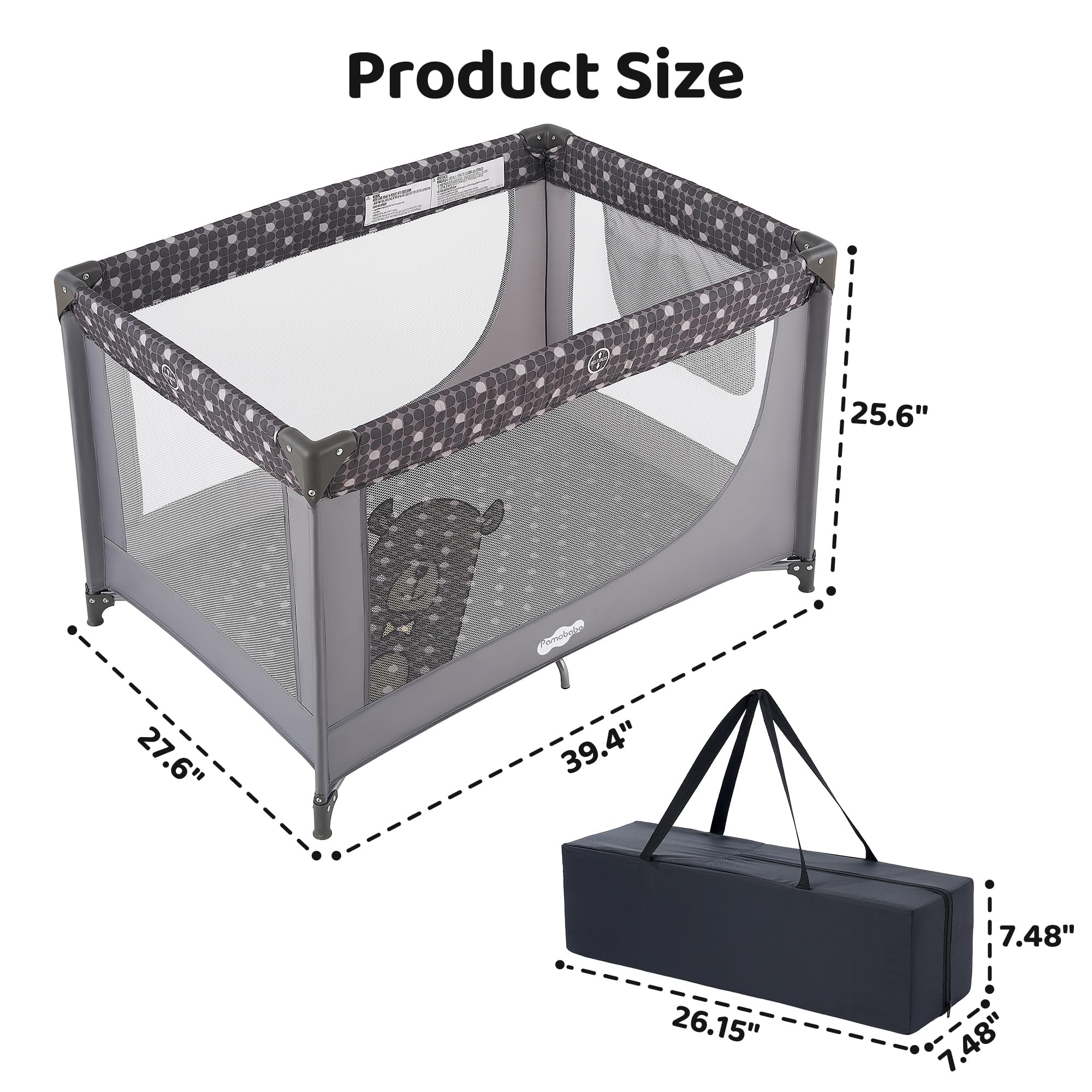
When selecting a product, consider your specific travel patterns. If you are primarily flying, the dimensions of the folded unit are as important as the weight. A compact, narrow folded size is easier to fit into overhead bins or secondary travel bags.
For parents concerned about hygiene, look for machine-washable fabrics. Frequent travel introduces the crib to various environments, and the ability to sanitize the sleeping surface is essential for your child's health. Ensure the assembly process is intuitive; the goal is a stress-free transition from arrival to rest, even after long journeys.
Frequently Asked Questions
Are the lightest portable cribs as safe as standard home cribs? Yes, provided they meet ASTM F406 standards. While they are lighter, they are tested for the same stability and entrapment risks as heavier models. Always check for the JPMA certification seal before purchasing.
Can I use a portable crib as a permanent sleeping solution? Most portable cribs are designed for intermittent use. While safe for occasional naps or travel, they lack the longevity and environmental controls of a permanent nursery setup. Follow the manufacturer's guidance on daily usage limits.
How do I clean a portable mesh crib? Most mesh cribs allow for spot cleaning with mild soap and water. Always refer to the care label inside the frame. Avoid using harsh chemicals that could degrade the integrity of the mesh fibers or the flame-retardant treatments.
What is the age limit for these cribs? Limits are usually defined by height or the child's ability to climb out. Most ultralight models are intended for children up to 30 pounds or until they can stand independently, whichever comes first. Always adhere to these developmental thresholds.
Do these cribs need a special fitted sheet? Yes. To maintain safety, you must use a sheet specifically designed for the model's mattress dimensions. A sheet that is too loose can bunch up, creating a suffocation risk, while one that is too tight can cause the mattress pad to bow.
Final Recommendation
To choose the best unit, identify your primary constraint. If weight is the absolute priority, focus on travel bassinets that use collapsible aluminum hoops. If you require a unit that accommodates a growing infant, target the 10–13 pound range, which offers the best compromise between weight and internal volume. Regardless of your choice, verify that the model is current, the safety documentation is accessible, and the assembly mechanism is familiar to you before your first trip.
Image Gallery