The Handmaid’s Tale Banned in Schools Controversy: Causes, Legal Impacts, and Current Status
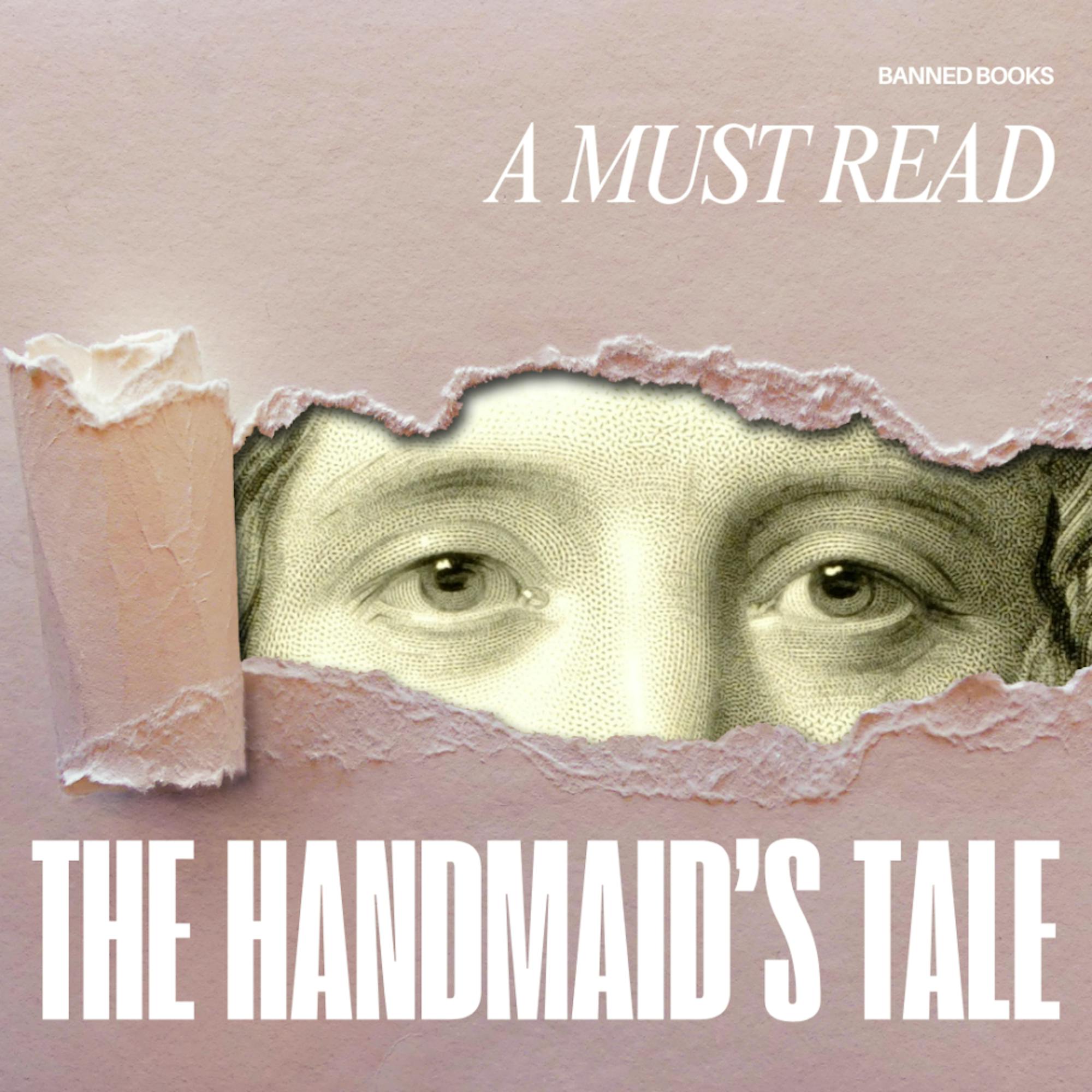
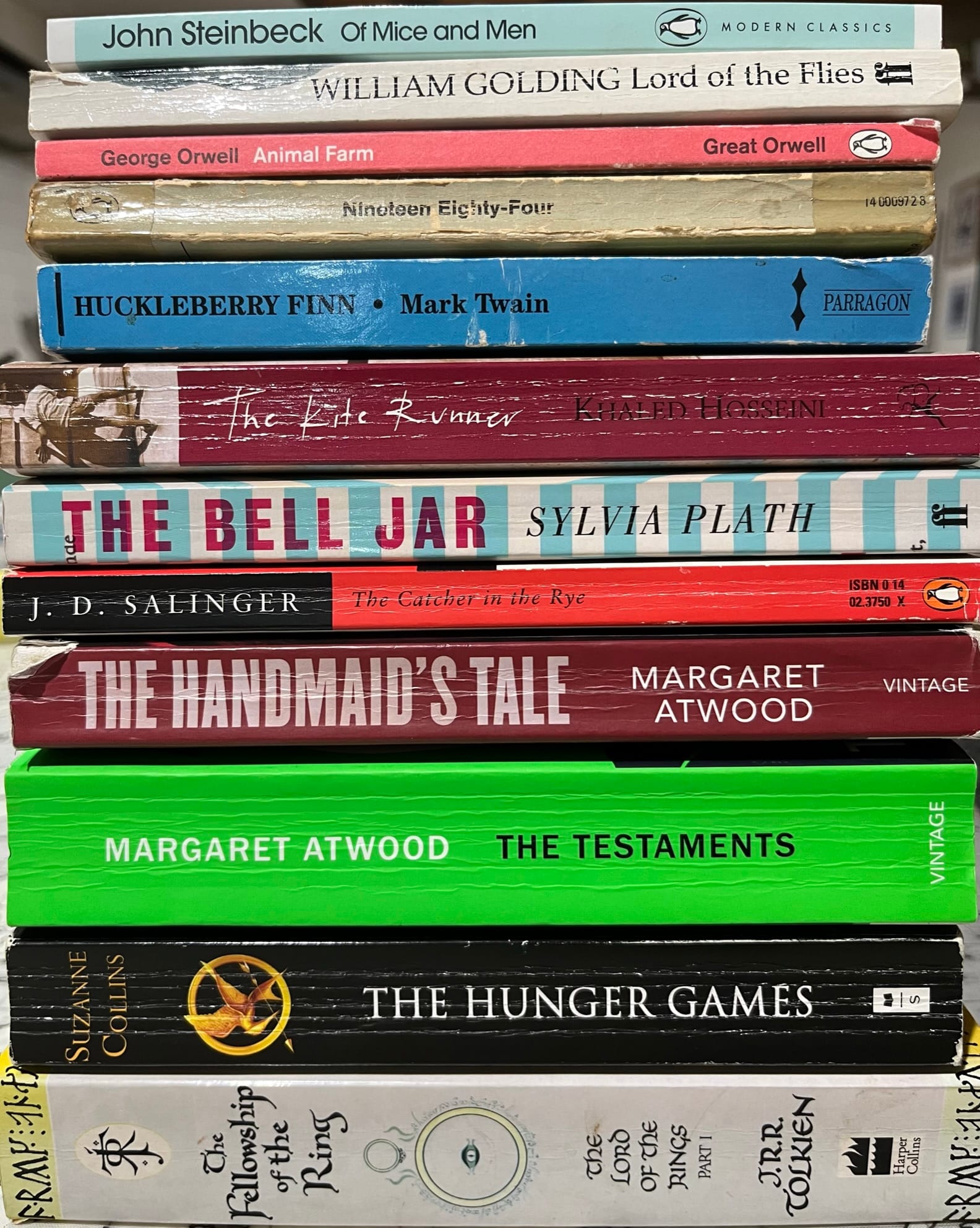
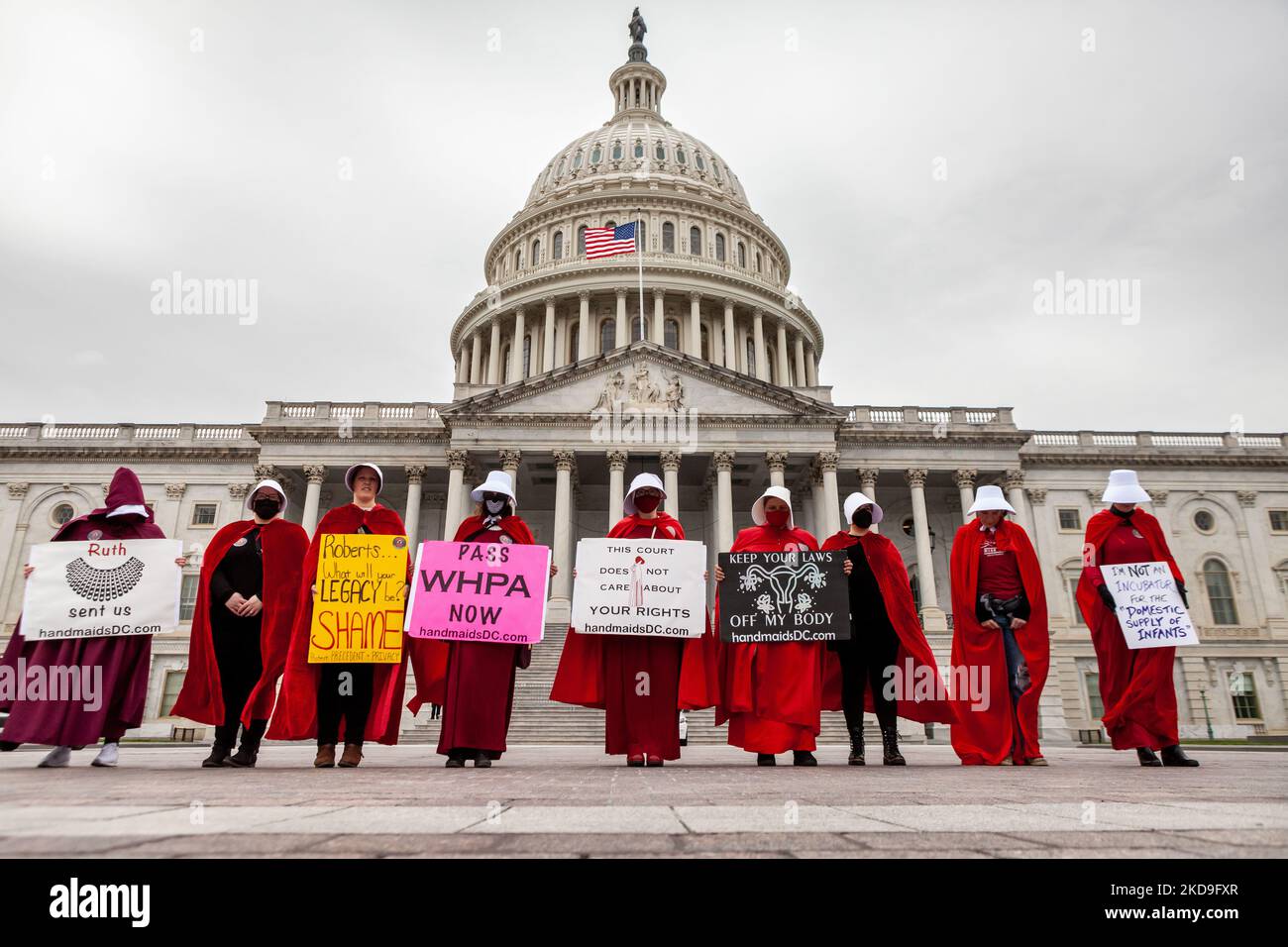
The controversy surrounding the banning of The Handmaid’s Tale in schools involves a long-standing conflict between parental rights and student access to literature. Opponents often cite graphic sexual content, profanity, and religious...
The controversy surrounding the banning of The Handmaid’s Tale in schools involves a long-standing conflict between parental rights and student access to literature. Opponents often cite graphic sexual content, profanity, and religious themes as grounds for removal, while advocates argue the book is an essential critique of authoritarianism protected by the First Amendment.
Contents
For decades, Margaret Atwood’s 1985 dystopian masterpiece, The Handmaid’s Tale, has served as both a staple of advanced high school curricula and a frequent target of censorship. As we navigate the educational landscape of 2026, the debate has moved beyond simple classroom complaints into a complex arena of state legislation, organized parental advocacy, and landmark legal challenges. Understanding this controversy requires a deep dive into the specific objections raised, the legislative frameworks governing school libraries, and the broader societal implications of restricting access to "difficult" texts.
The Evolution of the Controversy
The Handmaid’s Tale depicts a near-future New England under a totalitarian, theo-democratic state known as Gilead. Because the novel explores themes of reproductive control, systemic misogyny, and the weaponization of religious rhetoric, it has naturally invited scrutiny. However, the nature of the "banned in schools" controversy has shifted significantly over the last forty years.
In the 1990s and early 2000s, challenges were typically localized. A single parent might petition a school board to remove the book from a specific 11th-grade reading list due to a particular scene. By the mid-2020s, however, the controversy became systemic. Organizations now use digital databases to track the presence of the book across entire states, leading to "mass challenges" that affect hundreds of districts simultaneously. The release of the graphic novel adaptation in 2019 further complicated the issue, as visual depictions of the novel's themes often trigger more immediate and aggressive censorship efforts than the original prose.
Primary Grounds for Challenging the Novel
Critics of the book’s inclusion in school libraries and curricula generally focus on four primary areas. These objections are often filed under "educational suitability" or "harmful to minors" statutes.
1. Explicit Sexual Content and Violence
The most frequent justification for banning The Handmaid’s Tale is its depiction of sexual violence and "the Ceremony," a ritualized act of non-consensual intercourse central to the plot. Critics argue that these descriptions are "pornographic" or "sexually explicit" and therefore inappropriate for minors. While educators argue these scenes are not intended to arouse but to depict the horror of Gilead's social structure, many school boards have sided with parents who feel such material violates local community standards.
2. Profanity and Offensive Language
Like many works of contemporary literature, Atwood’s novel uses strong language to reflect the grit and desperation of its characters. While rarely the sole reason for a ban, profanity is often cited as a secondary factor that contributes to a book's overall "unsuitability." In the context of school board meetings, specific passages containing expletives are frequently read aloud to demonstrate why the book should be removed.
3. Anti-Christian or Anti-Religious Sentiments
Because the fictional Republic of Gilead uses a perverted version of biblical hierarchy to justify its existence, some critics view the book as an attack on Christianity itself. Challenges often state that the novel promotes a negative view of religion or that it is "anti-biblical." Defenders of the work point out that Atwood has explicitly stated the book is not an attack on faith, but an exploration of how power can be seized by those who claim divine authority.
4. Political and Social Messaging
In the polarized atmosphere of 2026, many books are challenged based on perceived ideological bias. The Handmaid’s Tale is often caught in this crossfire. Critics may label the book as "woke" or as "radical feminist propaganda." Conversely, the book’s exploration of government overreach and the loss of individual rights has led some to defend it as a cautionary tale against all forms of totalitarianism, regardless of the political spectrum.
The Legislative Landscape: 2022–2026
The surge in school book bans is largely attributed to a wave of state-level legislation that changed how books are reviewed. Between 2022 and 2025, several U.S. states passed laws that redefined "harmful materials" and established stricter protocols for school library collections.
For example, laws in states like Florida and Texas granted parents more power to object to instructional materials and required schools to remove challenged books during the review process. This "guilty until proven innocent" approach led to The Handmaid’s Tale being pulled from shelves in dozens of districts while committees debated its fate. By 2026, the impact of these laws has created a "chilling effect," where librarians and teachers may engage in self-censorship to avoid legal repercussions or professional discipline.
Comparative Data: Challenges vs. Removals
The following table illustrates the trends observed in the banning controversy, highlighting the difference between a formal "challenge" and an actual "ban" (removal from shelves).
| Metric | 2015–2019 Average | 2022–2024 Average | 2025–2026 (Estimated) |
|---|---|---|---|
| Total Challenges per Year | ~350 | ~1,200+ | ~950 |
| % Targeting The Handmaid's Tale | 2% | 8% | 6% |
| Primary Level Targeted | High School (9-12) | Middle & High School | High School (9-12) |
| Common Outcome | Retained with restrictions | Removed/Banned | Restricted Access/Parental Consent |
| Format Challenged | Traditional Prose | Prose & Graphic Novel | Digital & Physical Copies |
Data based on reporting from the American Library Association (ALA) and PEN America regarding historical and projected trends.
Legal Precedents and Intellectual Freedom
The controversy is not just a matter of local preference; it is a constitutional issue. The primary legal touchstone for school book bans in the United States is the 1982 Supreme Court case Board of Education, Island Trees Union Free School District No. 26 v. Pico.
In the Pico decision, the Court ruled that school boards do not have unrestricted authority to remove books from school libraries simply because they dislike the ideas contained within them. The Court emphasized that "students do not shed their constitutional rights to freedom of speech or expression at the schoolhouse gate." However, the ruling also acknowledged that boards can remove books based on "educational suitability."
In 2026, the legal battle continues as new lawsuits test the limits of the Pico ruling. Organizations such as the American Civil Liberties Union (ACLU) and PEN America have filed suits against districts that they claim have removed The Handmaid’s Tale and other titles based solely on ideological disagreement. These cases are critical because they will determine whether modern state laws can bypass the protections established in the 1980s.
The Role of Educators and Librarians
Librarians and teachers are at the center of the "Handmaid’s Tale" controversy. Professionally, they are guided by the American Library Association’s Code of Ethics, which advocates for the right to read and against censorship. However, they must also navigate the mandates of their local school boards and state legislatures.
Many districts have moved toward a "tiered access" system. Instead of banning the book entirely, schools may require explicit parental permission for a student to check out the novel or the graphic novel. While some see this as a fair compromise, others argue it creates a "soft ban" that stigmatizes certain literature and creates administrative hurdles that effectively prevent students from accessing the material.
Addressing Common Misconceptions
One major misconception is that The Handmaid’s Tale is being banned in its entirety from all libraries. In reality, the controversy is almost exclusively focused on school libraries and K-12 curricula. Public libraries and private bookstores generally continue to carry the book without interference.
Another misconception is that the bans are purely a "right-wing" phenomenon. While many challenges come from conservative groups, the broader debate includes questions about "age-appropriateness" that transcend political lines. The central question often asked is: At what age is a student mature enough to process the themes of sexual violence and state-mandated reproductive control?
Frequently Asked Questions
Is The Handmaid’s Tale currently banned in the United States?
No, it is not banned at a national or federal level. However, it has been removed or restricted in numerous specific school districts across various states, particularly in Florida, Texas, and Utah. It remains widely available in public libraries, bookstores, and online.
Why is the graphic novel version banned more often than the prose version?
Visual media often faces stricter scrutiny because the depictions of violence or sexual themes are immediate and literal. Critics who might overlook a descriptive paragraph in a novel are often more reactive to a drawn illustration of the same event.
Can a school board legally ban a book because they disagree with its politics?
According to the Supreme Court’s Pico decision, they cannot. Removal must be based on "educational suitability" rather than a "narrowly partisan or political" motivation. Proving the motivation behind a ban, however, is a central point of contention in current litigation.
What should I do if my local school is considering banning the book?
Most school districts have a formal "Reconsideration of Materials" process. Parents and community members can participate by attending school board meetings, reviewing the specific criteria for the challenge, and providing testimony regarding the book’s literary and educational value.
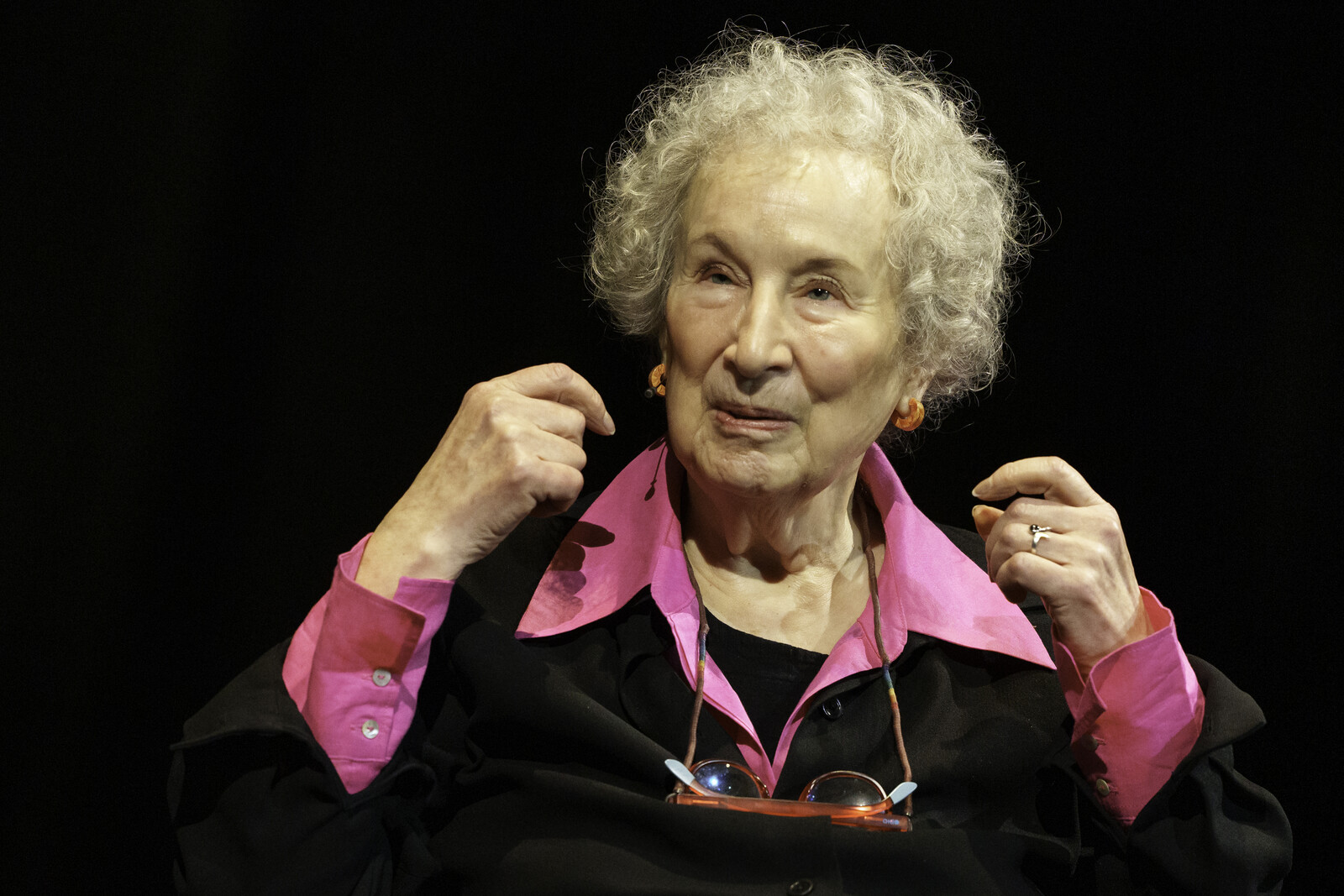
Has Margaret Atwood responded to the bans?
Yes, Margaret Atwood has been a vocal opponent of book bans. She has often pointed out that the events in her book are based on historical occurrences and argues that banning the book prevents students from learning how to recognize and resist authoritarianism.
Recommended Action for Concerned Citizens
For those looking to engage with the "Handmaid’s Tale" controversy productively, the most effective step is to become familiar with your local school district’s policy on library materials.
- Review the Policy: Understand the "Challenge Procedure" in your district.
- Stay Informed: Follow updates from the American Library Association (ALA) Office for Intellectual Freedom.
- Engage Locally: Attend board meetings and support librarians in their efforts to maintain diverse and comprehensive collections.
- Read the Book: The best way to form an opinion on the controversy is to read the work itself, including Atwood’s introductions and historical notes, to understand the context of the writing.
The controversy surrounding The Handmaid's Tale serves as a barometer for the health of intellectual freedom in the 2026 educational system. By moving beyond slogans and examining the legal and ethical nuances of the debate, we can better understand the balance between protecting students and preserving the right to explore challenging ideas.
Image Gallery