How to Conduct Professional Market Research for Free
Conducting market research for free involves leveraging open-access data, digital monitoring tools, and direct audience engagement to gather actionable business intelligence. By synthesizing publicly available government statistics, so...
Conducting market research for free involves leveraging open-access data, digital monitoring tools, and direct audience engagement to gather actionable business intelligence. By synthesizing publicly available government statistics, social media sentiment, and competitor activity, you can build a comprehensive understanding of your industry, customer pain points, and market gaps without the need for expensive third-party consulting fees.
Contents
Defining the Scope of Your Market Research
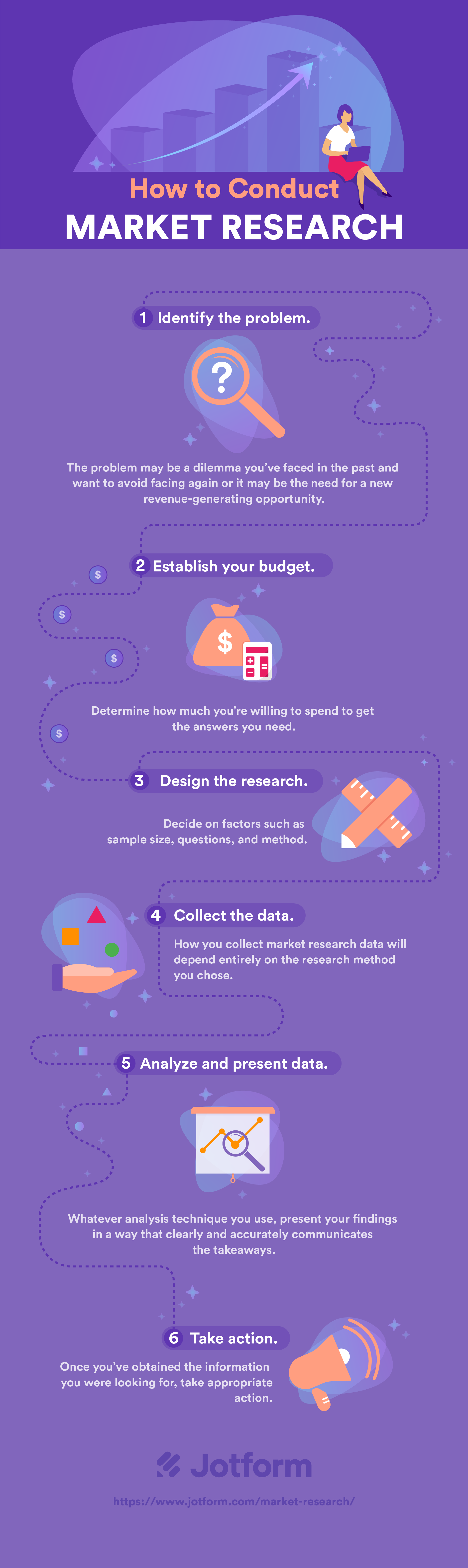
Before jumping into data collection, it is essential to define the objective of your research. Broad, unfocused gathering leads to information overload, whereas targeted research solves specific business questions. Common goals include identifying a target customer persona, analyzing a competitor’s pricing structure, or validating the demand for a new product feature.
To start, create a research roadmap. Identify your primary business question: "Is there sufficient demand for my service in this specific region?" or "What is the primary criticism directed at my competitors' current offerings?" Once you have a clear question, you can narrow your search to specific sources, saving time and mental energy.
Leveraging Official Government and Public Data
Government agencies are among the most reliable sources of free market data. These institutions provide large-scale, verified reports on population demographics, economic trends, and industry-specific regulations.
- National Census Bureaus: These provide deep insights into population density, age distribution, income levels, and employment status. If you are launching a brick-and-mortar business, understanding the demographics of your immediate geographic area is vital.
- Labor and Economic Statistics: Departments of labor and bureaus of economic analysis offer reports on industry growth, average wages, and consumer spending habits. This data helps in forecasting the purchasing power of your target audience.
- Patent and Trademark Offices: Reviewing public filings can reveal the innovation pipeline of your competitors. If you see an uptick in patents for a specific technology in your niche, it is a strong indicator that the market is shifting in that direction.
Analyzing Competitors Using Digital Footprints
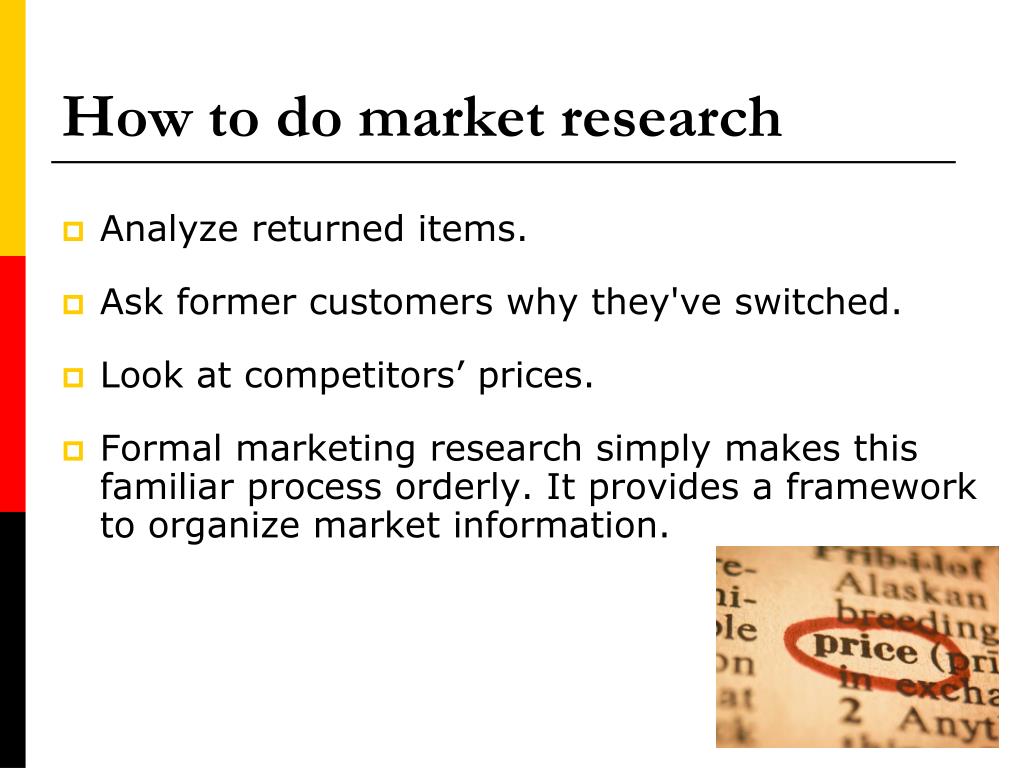
You can reverse-engineer the success of your competitors by examining their public-facing strategies. This does not require paid software; it requires systematic observation.
Evaluating Online Presence
Begin by auditing your competitors' websites and social media profiles. Note their value proposition—what is the first thing they claim to solve on their homepage? Check their "About" and "Service" pages to understand how they frame their offerings.
Social media is a goldmine for sentiment analysis. Read the comments section on their posts, especially the negative ones. Consumers often voice their frustrations in public, highlighting exactly what the company is failing to deliver. These "complaint gaps" represent opportunities for your business to provide a superior solution.
Monitoring Content Strategy
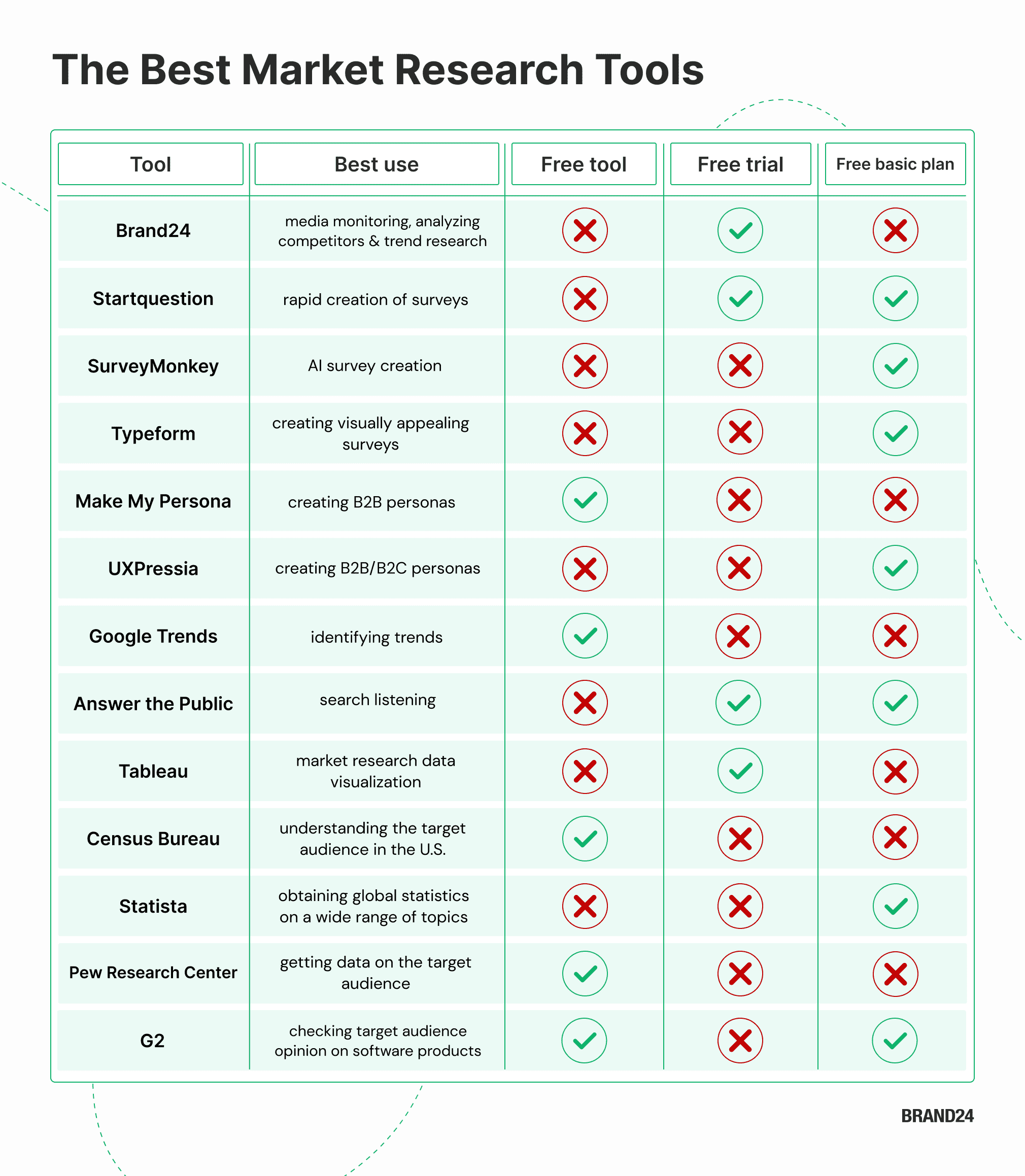
Track the blog posts, white papers, and webinars your competitors produce. If a competitor focuses heavily on a specific topic, it is usually because that topic performs well for them in search engines or addresses a common customer pain point. Use free browser-based tools to see which of their pages receive the most traffic or engagement.
Engaging Directly with Your Audience
Nothing replaces direct feedback from the people you intend to serve. You can facilitate this through low-cost or free channels that provide qualitative data—the "why" behind the numbers.
- Surveys: Use free tiers of survey platforms to reach out to existing networks or social media groups. Keep the questions focused and limit them to five or fewer to increase completion rates.
- Community Forums: Platforms like Reddit, specialized industry forums, and niche Facebook groups allow you to observe honest discussions. Search for questions in your niche to see what problems people are trying to solve.
- Customer Interviews: Reach out to acquaintances or peers within your target demographic for a 15-minute conversation. Offer them a small incentive, such as a product discount, in exchange for their honest perspective on your concept.
Organizing and Synthesizing Your Data
Once you have gathered raw data, you must organize it to identify patterns. Use a simple spreadsheet to categorize findings into "Market Trends," "Competitor Strengths," and "Customer Pain Points."
Comparison of Market Research Methods
| Research Type | Data Source | Primary Benefit | Effort Level |
|---|---|---|---|
| Demographic | Census Data | High accuracy, broad scope | Moderate |
| Competitor | Social media/Web | Reveals tactical gaps | Low |
| Qualitative | Interviews/Surveys | Provides deep insight | High |
| Trend | Industry reports | Identifies future shifts | Low |
This synthesis stage is where raw information transforms into strategy. If 70% of the public feedback mentions poor customer support as a primary reason for switching brands, your research has successfully identified a strategic pivot point for your own operations.
Common Mistakes to Avoid
Many researchers fall into the trap of confirmation bias—looking only for data that confirms what they already believe. To avoid this, actively search for "disconfirming evidence." If you believe a product will be a success, look for reasons why it might fail. Finding these potential pitfalls early allows you to build safeguards into your business model.
Another mistake is neglecting the quality of the source. While public forums offer great sentiment, they should not be treated as a representative statistical sample. Use government data for "hard" numbers and personal interviews for "human" context.
Troubleshooting Your Research Process
If you find yourself stuck, re-evaluate your research questions. Often, an inability to find information suggests that the question is too broad or the niche is too obscure. If you are struggling to find data on a specific, very small market, try expanding to a parallel market—an industry that serves the same customer profile but with a different product—to see what trends are consistent across that customer base.
Frequently Asked Questions (FAQ)
How long should I spend on market research before launching? Research is an ongoing process rather than a one-time task. Spend enough time to establish a baseline of confidence in your target audience’s needs. If you have clear, recurring patterns in your data, you are ready to test your product.
Are free tools actually as good as paid professional services? Free tools require more time and manual effort to synthesize data. While professional services offer convenience and proprietary datasets, the raw, public information available to everyone is often sufficient for small-to-medium business strategy.
How do I verify if the data I found is reliable? Always check the date and the source. Government websites, peer-reviewed journals, and established industry associations are generally reliable. Avoid using blog posts or unverified social media claims as the sole basis for major financial decisions.
What if I cannot find any research on my specific niche? If no data exists, that is a finding in itself. It may indicate a lack of market awareness or a lack of demand. Consider whether your idea is truly unique or if you need to broaden your search to understand the underlying behavioral trends of your potential customers.
Should I use AI to help with my research? AI can summarize reports and structure data efficiently, but it can also "hallucinate" or provide outdated information. Always treat AI as a research assistant, not a primary source. Verify all claims, statistics, and dates using the original documentation.
Next Steps for Your Business
To move from research to action, synthesize your findings into a one-page "Market Insight Summary." This document should state who your customer is, what problem they have that the competition is failing to solve, and how you will address that gap. Once this is documented, move directly to testing your hypothesis through a "Minimum Viable Product" (MVP) or a small-scale pilot, allowing real-world interaction to confirm your research findings.
Image Gallery