Comprehensive Guide to PNB Remittance Center Services in 2026
PNB remittance centers offer a specialized suite of financial services designed for cross-border money transfers, primarily catering to Overseas Filipino Workers (OFWs). These services include direct-to-account deposits, cash pick-up a...
PNB remittance centers offer a specialized suite of financial services designed for cross-border money transfers, primarily catering to Overseas Filipino Workers (OFWs). These services include direct-to-account deposits, cash pick-up at thousands of Philippine locations, door-to-door delivery, and integrated bills payment for government contributions and utilities. These centers function as a secure, regulated bridge between global earners and their beneficiaries in the Philippines.
Contents
The Philippine National Bank (PNB) has spent decades refining its global footprint. As of 2026, its remittance network remains a cornerstone for the Filipino diaspora, evolving from simple over-the-counter transfers to a sophisticated multi-channel ecosystem. Whether you are visiting a physical branch in a global financial hub or using their digital conduits, understanding the specific offerings is essential for maximizing the value of every peso sent home.
Core Remittance Solutions for Global Filipinos
The primary function of PNB remittance centers is the transfer of value across borders. PNB categorizes these services based on the speed of delivery and the accessibility needs of the recipient. In 2026, these services have been optimized for both urban centers and the most remote provinces in the Philippines.
Direct Deposit to PNB and Other Philippine Banks
Direct deposit remains the most efficient method for sending regular allowances. When you use a PNB remittance center to send money to a PNB account, the credit is typically real-time. This is facilitated by PNB’s internal core banking system, which bypasses many of the intermediary steps required for international wire transfers.
For recipients holding accounts with other Philippine banks (such as BDO, BPI, or Metrobank), PNB utilizes the PESONet and InstaPay networks.
- InstaPay transfers are suitable for urgent, smaller amounts (usually up to PHP 50,000), providing instant credit 24/7.
- PESONet transfers are ideal for larger sums, where the funds are cleared in batches, usually arriving within the same business day if sent before the cut-off time.
Cash Pick-Up Services and Strategic Partnerships
Recognizing that many Filipinos remain unbanked or reside in areas without immediate access to bank branches, PNB remittance centers offer "Cash Pick-Up Anywhere." This service allows the sender to provide a reference number to the beneficiary, who can then claim the cash at various locations.
PNB’s payout network includes not only PNB branches but also extensive partnerships with pawnshops and remittance agents, such as:
- Cebuana Lhuillier
- M Lhuillier
- Palawan Express Pera Padala
- RD Pawnshop
In 2026, this network has expanded to include select retail outlets and convenience stores, ensuring that even beneficiaries in rural municipalities have a payout point within a reasonable distance.
Door-to-Door Cash Delivery
For beneficiaries who are elderly, disabled, or live in highly remote areas where traveling to a pick-up center is difficult, PNB continues to offer door-to-door delivery. While this service carries a slightly higher fee and takes longer (typically 1 to 3 business days depending on the region), it provides a layer of convenience and safety for vulnerable recipients. PNB utilizes bonded couriers to ensure the security of the funds during transit.
Beyond Sending Money: Integrated Financial Services
PNB remittance centers have evolved into "one-stop shops" for the financial needs of Filipinos abroad. They provide services that go beyond simple cash transfers, helping OFWs manage their long-term financial obligations in the Philippines.
Overseas Bills Payment (OBP)
One of the most utilized features at PNB remittance centers is the Overseas Bills Payment service. Instead of sending money to a relative and hoping they pay the bills, the sender can pay directly at the counter or through the PNB app. Supported billers include:
- Government Contributions: SSS (Social Security System), Pag-IBIG Fund (HDMF), and PhilHealth.
- Utilities: Meralco, Maynilad, and various provincial electric cooperatives.
- Real Estate: Monthly amortization for major developers like Ayala Land, SMDC, and Megaworld.
- Insurance: Premium payments for PNB-Allianz and other major providers.
By paying these directly, the sender ensures that their contributions and investments are kept up to date, which is critical for future pension eligibility or housing loan approvals.
Opening PNB Accounts from Overseas
Many PNB remittance centers assist in the opening of PNB "Pangarap" or "Tap2Send" accounts. These are specialized savings accounts that require minimal initial deposits and are specifically designed for OFWs and their beneficiaries. Having a dedicated remittance account often results in waived service fees or improved exchange rates for future transfers. In 2026, much of this process is digitized, but physical centers still provide the necessary KYC (Know Your Customer) verification for high-value accounts.
The Digital Shift: PNB Web and Mobile Remittance in 2026
While the physical remittance centers remain vital for those who prefer face-to-face transactions or cash-based funding, PNB has heavily integrated its digital platforms.
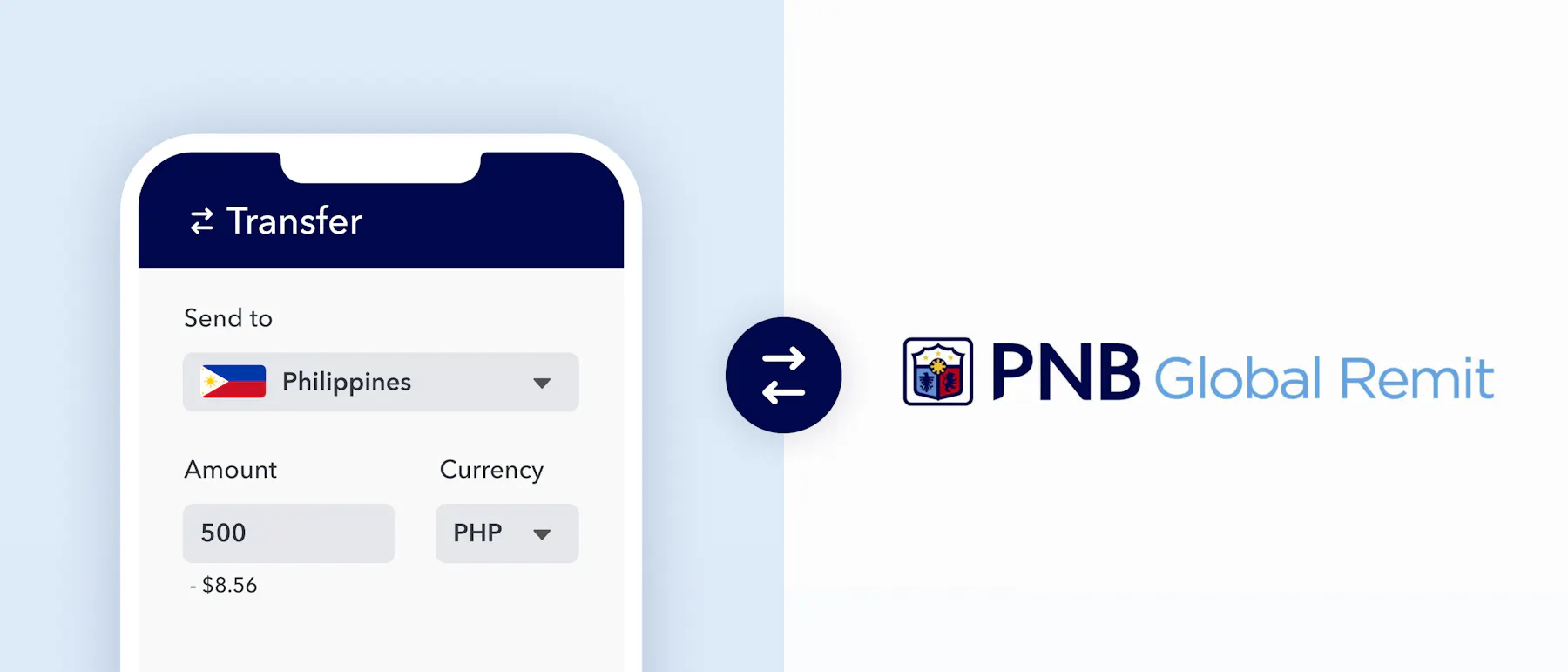
The PNB Digital App and the PNB Global Remit platform allow users to perform all the functions of a physical center from their smartphones. This includes:
- Scanning QR Codes: For instant transfers to beneficiaries.
- Real-time Tracking: Monitoring the status of a remittance from "Sent" to "Claimed."
- Currency Conversion Calculators: Allowing senders to see exactly how much the recipient will get before committing to the transaction.
In many regions, PNB has partnered with local digital wallets (like Apple Pay or Google Pay) to allow senders to fund their remittances without needing to carry physical cash to a center.
Understanding Fees, Exchange Rates, and Hidden Costs
When using a PNB remittance center, it is important to distinguish between the service fee and the exchange rate margin.
| Service Category | Typical Processing Time | Payout Method | Primary Advantage |
|---|---|---|---|
| Credit to PNB Account | Real-time | Bank Deposit | Lowest fees and instant access |
| Credit to Other Bank | Real-time to 24 Hours | InstaPay / PESONet | Versatility for the beneficiary |
| Cash Pick-up | 10 - 30 Minutes | Partner Outlets | Best for unbanked recipients |
| Door-to-Door | 1 - 3 Business Days | Courier Delivery | Maximum convenience for recipient |
| Bills Payment | 24 - 48 Hours | Direct to Biller | Guaranteed payment of obligations |
The Exchange Rate Margin
PNB, like all commercial banks, sets an internal exchange rate that differs from the "mid-market" or "interbank" rate seen on Google or Reuters. This margin covers the operational costs of maintaining overseas branches and the risks associated with currency volatility. Senders should look for "Exchange Rate Specials" often offered during Philippine holidays or for larger transfer amounts.
Service Fees
Service fees vary significantly by the country of origin. For instance, a transfer from a PNB center in New York may have a different fee structure than one in Dubai or Hong Kong. Generally, sending to a PNB account is the cheapest option, while door-to-door delivery and cash pick-up at partner pawnshops incur additional third-party processing fees.
Requirements and Compliance for Senders
To comply with the Anti-Money Laundering Act (AMLA) and international "Know Your Customer" (KYC) regulations, PNB remittance centers require specific documentation. In 2026, these requirements are strictly enforced to protect both the bank and the customer from fraudulent activity.
- Valid Identification: Senders must present at least one government-issued photo ID (Passport, Driver’s License, or Residence Permit in the host country).
- Beneficiary Details: Full legal name (matching their ID), address, and contact number. For bank deposits, the correct account number is mandatory.
- Source of Funds: For very large transfers, the center may request documentation such as a payslip or bank statement to verify the source of the money.
- Purpose of Remittance: Senders are often asked to categorize the transfer (e.g., family support, savings, investment, or medical emergency).
Security Protocols and Customer Protection
Security is the primary reason many OFWs choose a bank-backed remittance center like PNB over smaller, less regulated entities. PNB is supervised by the Bangko Sentral ng Pilipinas (BSP) and relevant financial regulators in each host country (such as the NYSDFS in the US or the FCA in the UK).
All transactions are encrypted, and the "Cash Pick-Up" service requires a unique 12-digit reference number and a valid ID from the recipient. Furthermore, PNB’s customer service in 2026 includes 24/7 support via the app, phone, and social media channels to resolve issues such as incorrect beneficiary names or lost reference numbers.
Common Mistakes to Avoid
To ensure a smooth transaction at a PNB remittance center, avoid these frequent errors:
- Transposing Names: Ensure the beneficiary's name exactly matches the name on their government ID. Even a small spelling error can lead to a "Name Mismatch" and prevent a cash pick-up.
- Incorrect Account Numbers: For bank deposits, double-check the account number. While PNB accounts are validated in the system, transfers to other banks via PESONet are often "credit-to-account-number," meaning the money might go to the wrong person if the digits are incorrect.
- Ignoring the Cut-off Times: If you are sending money for an urgent bill, be aware of the daily cut-off times. Transfers made after hours or on weekends may not be processed until the next business day.
FAQ
What is the maximum amount I can send through a PNB remittance center? The limits vary by the country of origin and the level of your KYC verification. Generally, over-the-counter transactions have higher limits than mobile app transfers. For amounts exceeding $10,000 (or equivalent), additional documentation regarding the source of funds is typically required by law.
How can my beneficiary track the money I sent? The sender receives a transaction receipt with a reference number. This number can be entered into the PNB website or mobile app tracking tool. If the money was sent for cash pick-up, the beneficiary will often receive an SMS notification once the funds are ready for claiming, provided their mobile number was included in the transaction details.
Are PNB remittance centers open on weekends? Many overseas PNB branches and remittance centers in high-traffic areas (like Lucky Plaza in Singapore or Worldwide House in Hong Kong) operate on weekends to accommodate the schedules of OFWs. However, bank-to-bank processing in the Philippines may still be subject to standard Philippine banking days for non-InstaPay transactions.
What happens if the beneficiary does not claim the cash pick-up? If a cash pick-up remains unclaimed for a specific period (usually 30 to 90 days depending on the partner), the funds are typically "floated" back to PNB. The sender can then request a refund or a resending of the funds, though service fees are generally non-refundable.
Can I send money to a non-PNB account using the PNB app? Yes. The PNB digital platforms are integrated with the InstaPay and PESONet networks, allowing you to send money to almost any regulated bank or e-wallet (like GCash or Maya) in the Philippines.
Practical Recommendation
If you are a regular sender, the most cost-effective strategy in 2026 is to open a PNB account for both yourself and your beneficiary. This "PNB-to-PNB" pipeline typically offers the lowest fees, the fastest transfer speeds, and the most seamless tracking. For those sending to unbanked relatives, always verify which payout partner is closest to the recipient's home to save them time and transportation costs. Before visiting a center, check the current day's exchange rate on the official PNB website to ensure you are sending at an optimal time.
Image Gallery