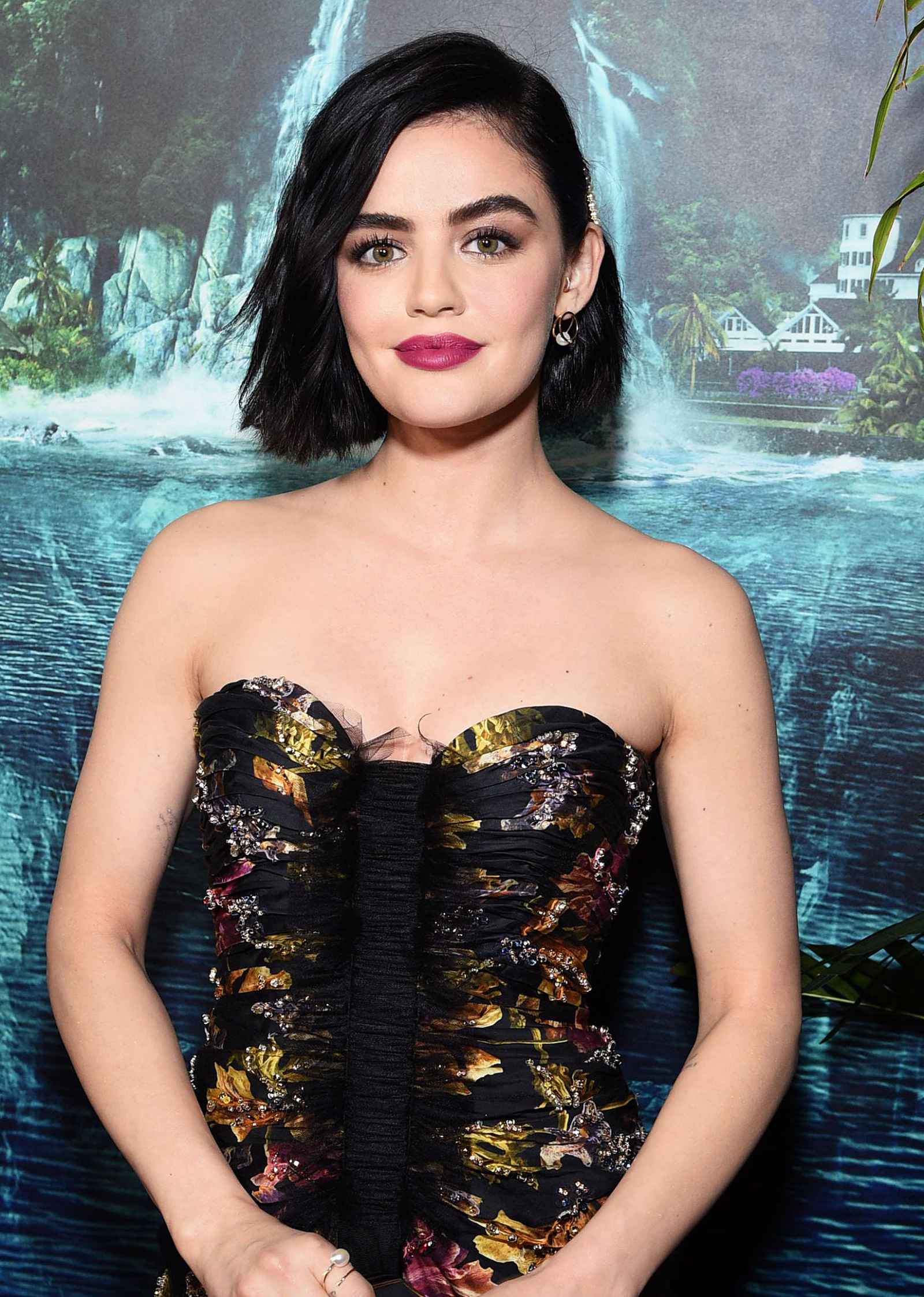
Lucy Hale Blonde Timeline: The Definitive Guide to Her Honey Lemon Transformation
Lucy Hale’s transition from her signature brunette to "Honey Lemon" blonde represents a masterclass in hair color evolution. Achieved through a meticulous, multi-step process led by celebrity stylist Kristin Ess, the transformation pri...
Lucy Hale’s transition from her signature brunette to "Honey Lemon" blonde represents a masterclass in hair color evolution. Achieved through a meticulous, multi-step process led by celebrity stylist Kristin Ess, the transformation prioritizes hair integrity while blending warm gold and bright citrus tones, offering a sophisticated alternative to traditional platinum or ash-blonde shades.
Contents
For over a decade, Lucy Hale was the blueprint for the "expensive brunette" aesthetic. Best known for her role as Aria Montgomery on Pretty Little Liars, her dark, glossy hair became a cultural touchstone. However, as Hale transitioned into more diverse roles and matured in the public eye, her hair became her favorite canvas for reinvention. As of 2026, her "Honey Lemon" era stands as her most successful blonde iteration, balancing the brightness of a summer shade with the richness of a natural palette.
The Evolution of the Lucy Hale Blonde Timeline
To understand the 2024 honey lemon transformation, one must look at the foundation laid in previous years. Hale has rarely jumped from dark to light in a single session, opting instead for a "hair health first" philosophy that allows her strands to recover between chemical processes.
2016: The First Major Shift
In early 2016, Hale shocked fans by debuting a significantly lighter look. Often referred to as "Surfer Blonde," this style featured heavy contrast. It kept her natural dark roots for depth—making the grow-out process manageable—while the ends were lifted to a bright, sandy blonde. This was the first time Hale proved her complexion could handle the warmth of blonde tones.
2018–2019: The Rose Gold and Strawberry Era
Following a brief return to brunette, Hale and Ess experimented with the "Rose Gold" trend. This was a pivotal moment because it introduced warmth. Unlike the cool-toned blondes that often wash out fair skin, the strawberry and peach undertones added a "glow" to her visage. This period served as the conceptual predecessor to the honey lemon look.
2020: The Bleach-Blonde Bob
During the lockdowns of 2020, Hale went for a more monochromatic, striking blonde. This was a high-maintenance look that required frequent root touch-ups and heavy use of bond-building treatments. While stunning, it lacked the multidimensional warmth that would later define her signature 2024 style.
Deep Dive: The 2024 Honey Lemon Transformation
In early 2024, Kristin Ess revealed Hale’s "Honey Lemon" hair on social media, sparking a global trend in salons. This specific shade is distinct from "Honey Blonde" or "Lemon Blonde" individually; it is a hybrid that utilizes the depth of honey as a base and the brightness of lemon as a face-framing highlight.
Defining "Honey Lemon"
"Honey Lemon" is characterized by a Level 8 or 9 gold base with Level 10 pale yellow highlights. Unlike "Ash Blonde," which uses blue or violet pigments to cancel out warmth, Honey Lemon embraces the yellow and orange under-pigments of the hair. When done correctly, it looks expensive and healthy rather than "brassy."
The Stylist’s Technique
Kristin Ess utilized a technique known as "ribboning" or "chunky dimensional foiling." Instead of a seamless balayage, which can sometimes look muddy, ribboning creates distinct paths of color that catch the light differently.
- The Base: A warm, medium-blonde gloss was applied to ensure the hair didn't look translucent or "fake."
- The Highlights: Fine-line foils were placed around the face (the "money piece") using a low-volume developer to lift the hair slowly.
- The Gloss: A custom-mixed clear and gold-toned gloss was applied at the sink to seal the cuticle and add the "lemon" zest finish.
Comparison of Lucy Hale’s Blonde Eras
| Era | Primary Shade | Tone | Maintenance Level | Key Feature |
|---|---|---|---|---|
| 2016 | Surfer Blonde | Neutral/Sandy | Medium | High-contrast dark roots |
| 2018 | Rose Gold | Warm/Pinkish | High (Fades fast) | Pastel iridescence |
| 2020 | Platinum Bob | Cool/Icy | Very High | Monochromatic brightness |
| 2024 | Honey Lemon | Warm/Bright | Moderate | Multidimensional gold ribbons |
The Technical Maintenance of Honey Lemon Hair
Maintaining a shade as specific as honey lemon requires a departure from standard blonde care routines. Most blondes are told to use purple shampoo to "cancel out yellow." However, for honey lemon hair, excessive use of purple shampoo is a mistake, as it will dull the very "lemon" tones that make the color unique.
Product Requirements
To keep the color vibrant through 2026, Hale’s routine likely includes:
- Gold-Pigmented Conditioners: Instead of purple, using a gold-tinted color-depositing conditioner helps maintain the warmth without letting it turn orange.
- Bond Builders: Any hair that has been lifted from Level 2 (dark brunette) to Level 9 (blonde) requires structural support. Products like Olaplex or K18 are essential for preventing breakage.
- Clarifying Washes: To prevent the "lemon" highlights from looking dingy due to mineral buildup from tap water, a monthly clarifying treatment is necessary.
Scalp Health and Growth
Lucy Hale is known for her thick, resilient hair, but even she faces the risks of chemical processing. Transitioning to blonde can cause scalp sensitivity. Experts recommend scalp serums containing hyaluronic acid or aloe vera to soothe the skin after a double-process or heavy foiling session.
Why the Honey Lemon Look Works for Different Skin Tones
The genius of the honey lemon transformation is its versatility. While Lucy Hale has a fair complexion with neutral-to-warm undertones, this color can be adjusted:
- For Fair/Cool Skin: Increase the "lemon" (pale yellow) and decrease the "honey" (orange-gold) to avoid over-warming the skin.
- For Olive Skin: Increase the "honey" depth to provide contrast against the greenish undertones of the skin.
- For Deep Skin Tones: The honey lemon highlights can be used as a "flicker" effect on a dark chocolate base, providing a sun-kissed look that doesn't require a full-head bleach.
Expert Tips for Achieving the Lucy Hale Blonde
If you are planning to take a photo of Lucy Hale to your stylist, there are several technical prerequisites to discuss during your consultation:
- Be Realistic About Your Starting Point: If your hair is currently dyed jet black, achieving honey lemon in one day will likely cause significant damage. Expect two to three sessions.
- Request "Dimensional Warmth": Ask your stylist to avoid "ashy" or "platinum" toners. Use the words "golden," "buttery," and "warm honey."
- The "Money Piece" is Essential: Hale’s look relies heavily on the brightness around her face. Ensure your stylist places the lightest "lemon" foils right at the hairline.
- Shadow Root: To make the look modern and "lived-in," ask for a shadow root that is only one or two shades lighter than your natural color. This prevents a harsh line of demarcation as your hair grows.
Common Mistakes to Avoid
- Over-toning: If the hair stays in the toner for too long, the "lemon" highlights can turn grey or purple.
- Neglecting Moisture: Blonde hair is inherently more porous. Without a weekly deep-conditioning mask, the "honey" glow will turn into a straw-like texture.
- DIY Bleaching: Achieving the specific balance of yellow and gold in "Honey Lemon" is difficult for non-professionals. It often results in "hot roots" or patchy lifting.
Frequently Asked Questions
Who is Lucy Hale’s hair stylist?
Lucy Hale’s primary hair stylist is Kristin Ess. Ess is a celebrity stylist and the founder of her eponymous hair care brand. She has been responsible for nearly all of Hale’s major hair transformations over the last decade, including the shift to honey lemon blonde.
What is the difference between honey blonde and honey lemon blonde?
Standard honey blonde is typically a uniform, warm Level 7 or 8 shade. Honey lemon blonde adds a second, lighter layer of Level 10 "lemon" highlights. This creates more movement and "pop," making the hair look brighter and more reflective under studio lights.
How often does Lucy Hale touch up her blonde?
For a look like honey lemon, which utilizes a shadow root, touch-ups are usually required every 8 to 12 weeks. This allows for natural growth while maintaining the integrity of the highlights around the face.
Does Lucy Hale use extensions for her blonde looks?
While Hale often sports a short bob or "lob," she frequently uses individual keratin tip extensions or "tape-ins" to add volume, especially when she is blonde. Lightening hair can sometimes make it feel thinner, and extensions help maintain her signature "full" look.
Can I get honey lemon hair if my hair is naturally very dark?
Yes, but it requires a "slow and low" approach. Your stylist will need to lift your hair in stages to avoid compromising the cuticle. Since honey lemon embraces warmth, it is actually an easier goal for brunettes than ash blonde, as you don't have to fight the hair's natural tendency to pull warm.
Final Recommendation for Your Transformation
The Lucy Hale honey lemon blonde is more than just a color; it is a shift toward embracing warmth and hair health. If you are looking to replicate this look, prioritize a consultation with a color specialist who understands color theory—specifically the "warm" side of the wheel. Invest in high-quality bond builders and avoid over-cleansing with purple shampoos. By maintaining the "lemon" brightness and the "honey" depth, you can achieve a sophisticated, celebrity-caliber blonde that looks vibrant and healthy in any light.
Image Gallery