Understanding Blood Pressure Readings for Seniors: A Comprehensive Guide
For seniors, understanding blood pressure readings is a vital component of managing cardiovascular health, as arterial stiffness increases with age and significantly influences the risks of hypertension. A reading consists of two numbe...
For seniors, understanding blood pressure readings is a vital component of managing cardiovascular health, as arterial stiffness increases with age and significantly influences the risks of hypertension. A reading consists of two numbers—systolic and diastolic—which measure the force of blood against artery walls during heartbeats and between them, respectively; consistently high levels require medical intervention to prevent complications like stroke or heart failure.
Contents
Why Blood Pressure Matters in Later Life
As the human body ages, blood vessels naturally lose elasticity, a condition known as arterial stiffening. This physiological change means that the heart must work harder to circulate blood throughout the body. For individuals aged 65 and older, blood pressure management becomes more complex than it is for younger adults, as the target ranges and the potential for secondary complications change significantly.
Managing blood pressure is not merely about hitting a target number; it is about protecting the integrity of the heart, kidneys, brain, and eyes. Uncontrolled high blood pressure (hypertension) can lead to silent damage over years, eventually manifesting as acute health events. Because symptoms are often absent, accurate and consistent monitoring is the only reliable way to assess risk.
Defining the Numbers: Systolic and Diastolic
Every blood pressure reading is expressed as two numbers, typically measured in millimeters of mercury (mmHg). Understanding the distinct role of each number is essential for interpreting your health status.
- Systolic Pressure (The Top Number): This represents the pressure in your arteries when your heart muscle contracts and pumps blood. In seniors, the systolic number is often the primary focus of medical concern, as "isolated systolic hypertension"—where only the top number is elevated—is common in older populations.
- Diastolic Pressure (The Bottom Number): This represents the pressure in your arteries when your heart is at rest between beats. While systolic pressure often rises with age, diastolic pressure may stabilize or even decline in those over 70, which can sometimes lead to a wider "pulse pressure"—the difference between the top and bottom numbers.
Standard Blood Pressure Classifications
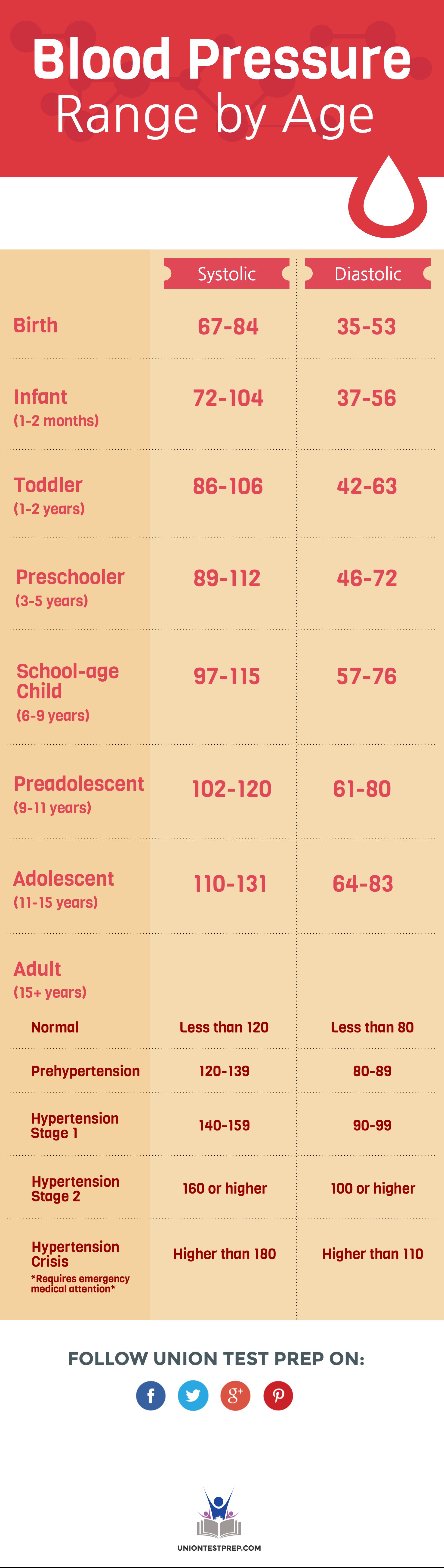
The American Heart Association (AHA) and the American College of Cardiology (ACC) provide guidelines to help patients understand where their readings fall. While clinical decisions for seniors are often individualized based on other health conditions, these classifications serve as a general baseline for monitoring.
| Category | Systolic (mmHg) | Diastolic (mmHg) |
|---|---|---|
| Normal | Less than 120 | and less than 80 |
| Elevated | 120–129 | and less than 80 |
| Hypertension Stage 1 | 130–139 | or 80–89 |
| Hypertension Stage 2 | 140 or higher | or 90 or higher |
| Hypertensive Crisis | Higher than 180 | and/or higher than 120 |
Note: If you fall into the Hypertensive Crisis category, seek emergency medical care immediately.
Prerequisites for Accurate Home Monitoring
To obtain reliable data, one must minimize variables that can cause temporary spikes in blood pressure. Seniors should follow these standardized protocols to ensure their home readings are representative of their baseline.
- Device Calibration: Ensure your digital monitor is validated by organizations such as the British and Irish Hypertension Society or the Dabl Educational Trust. Check the cuff size; using a cuff that is too small for your arm can result in artificially high readings.
- Environmental Factors: Sit quietly for five minutes before taking a reading. Ensure your back is supported, your feet are flat on the floor (do not cross your legs), and your arm is supported at heart level.
- Consistency: Measure at the same time each day—usually in the morning before medication and in the evening—to track trends effectively.
- Avoid Stimulants: Do not consume caffeine, smoke, or exercise for at least 30 minutes prior to measurement.
Interpreting Trends Over Time
A single high reading is rarely a cause for immediate alarm; it is the trend over weeks or months that provides clinicians with the necessary information to adjust treatment plans. Home logs are essential for this purpose.
When reviewing your data, look for consistency. If your home readings are significantly lower than those taken at a doctor’s office, you may be experiencing "white coat hypertension," a phenomenon where the stress of a clinical environment raises blood pressure. Conversely, if your home readings are consistently high, it suggests your current management plan—whether diet, lifestyle, or medication—may need adjustment. Always bring your documented log to your appointments.
Special Considerations for Seniors
Seniors face unique challenges, such as orthostatic hypotension, a sudden drop in blood pressure when moving from a sitting to a standing position. This can cause dizziness and increase the risk of falls. If you notice a pattern of feeling lightheaded upon standing, mention this to your healthcare provider, as it may influence how your medications should be prescribed or taken.
Additionally, polypharmacy—the use of multiple medications—is common among older adults. Some over-the-counter medications, including certain cold medicines, non-steroidal anti-inflammatory drugs (NSAIDs) like ibuprofen, and herbal supplements, can interfere with blood pressure-lowering medications. Always consult your primary care physician before introducing new supplements.
Common Mistakes to Avoid
Even with the right equipment, users often make errors that compromise the accuracy of their data. Avoiding these common pitfalls will yield much more reliable results:
- Talking during the test: Even light conversation can increase blood pressure by several points.
- Full bladder: A full bladder can add significantly to the reading. Always empty it before sitting down to monitor.
- Clothing interference: Do not measure over heavy clothing or sweaters; place the cuff directly against the skin of the upper arm.
- Improper cuff placement: The bottom of the cuff should be about one inch above the crease of the elbow.
Frequently Asked Questions
1. Does blood pressure naturally increase with age? Yes, but it is not considered a healthy or inevitable part of aging. While blood vessels stiffen over time, healthy lifestyle choices—such as sodium reduction, regular physical activity, and weight management—can significantly mitigate this increase.
2. What is a "pulse pressure" and why does it matter? Pulse pressure is the difference between your systolic and diastolic numbers (e.g., 140 minus 80 equals 60). A wide pulse pressure (usually over 60) can be an indicator of arterial stiffness and is a risk factor for cardiovascular disease in older adults.
3. Why is my blood pressure higher in the morning? It is normal for blood pressure to rise during the transition from sleep to waking. This is a natural circadian rhythm effect. However, if morning readings are consistently and significantly higher than others, discuss this with your physician.
4. When should I call my doctor about a reading? Call your doctor if you see a consistent upward trend in your home logs over a two-week period. You should also call if you experience a single reading over 180/120, even if you feel fine, as this requires prompt professional assessment.
5. Are wrist monitors accurate for seniors? Wrist monitors can be accurate, but they are extremely sensitive to body position. If the monitor is not exactly at the level of the heart, the reading will be wrong. Upper-arm cuffs are generally recommended for home use for better consistency.
Conclusion and Next Actions
Understanding your blood pressure readings is a proactive step toward maintaining independence and health in your later years. The most effective next action is to schedule an appointment with your healthcare provider to discuss your specific target range, as these targets can vary based on your medical history, such as the presence of diabetes or chronic kidney disease.
Purchase a validated upper-arm blood pressure monitor, start a log of your readings over the next 14 days, and bring that data to your next visit. This collaborative approach ensures your treatment plan is tailored to your unique physiological needs, allowing you to manage your health with confidence.
Image Gallery