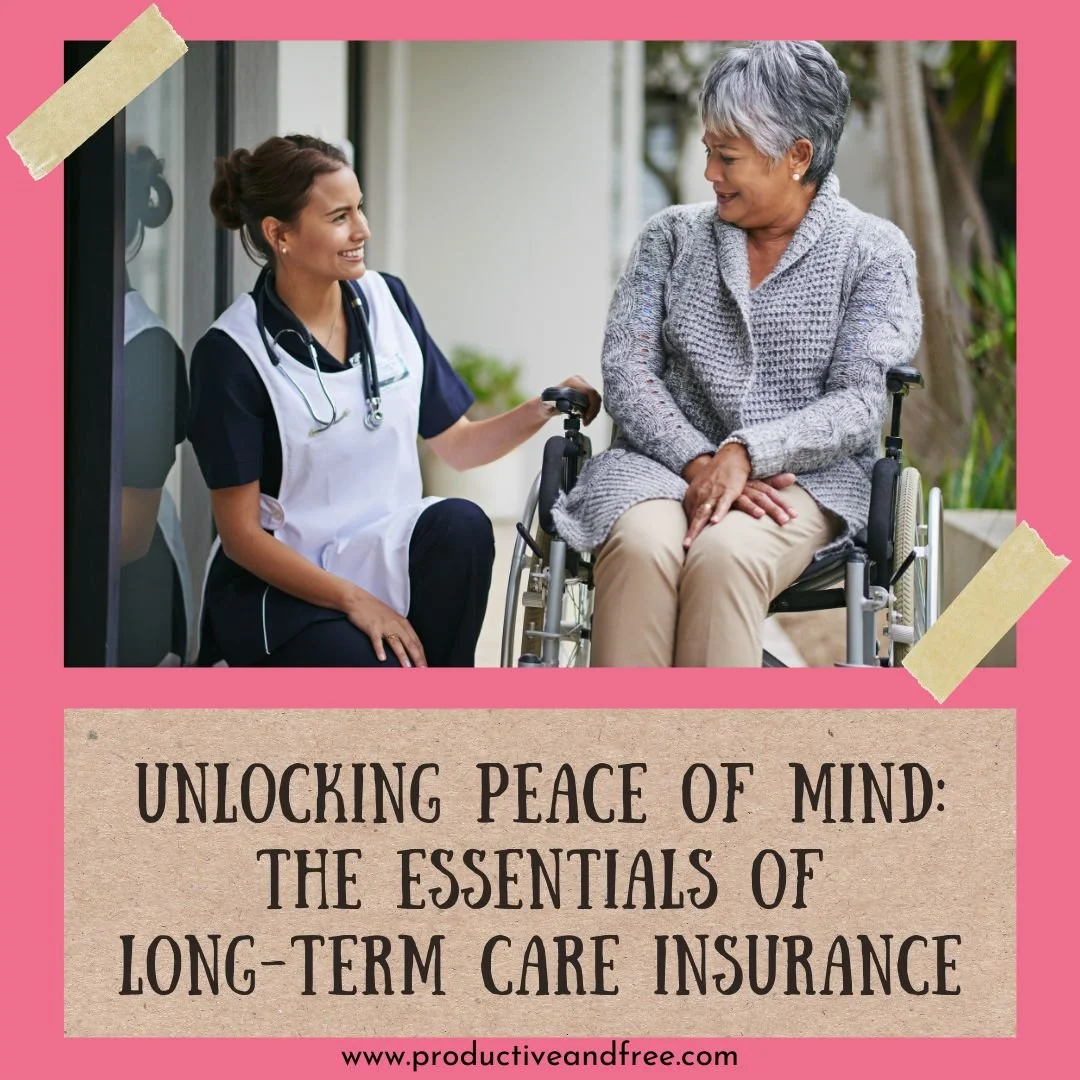
Why Long-Term Care Insurance Is Not Life Insurance
Long-term care insurance and life insurance are two fundamentally distinct financial products designed to address different risks: life insurance pays a benefit to beneficiaries upon the insured's death, whereas long-term care insuranc...
Long-term care insurance and life insurance are two fundamentally distinct financial products designed to address different risks: life insurance pays a benefit to beneficiaries upon the insured's death, whereas long-term care insurance covers the costs of daily living assistance and medical care for individuals with chronic illnesses, disabilities, or cognitive impairments.
Contents
Navigating the landscape of financial protection and retirement planning often leads individuals to bundle disparate products under a single umbrella. Among the most persistent misconceptions is the notion that holding a standard life insurance policy provides sufficient security for extended medical and custodial assistance in older age. Conflating these two instruments can result in severe coverage gaps, unexpected out-of-pocket expenses, and financial strain during retirement. Understanding the structural, operational, and objective differences between long-term care insurance and life insurance is vital for building a resilient long-term financial strategy.
Core Definitions and Primary Objectives
To understand why long-term care insurance is not life insurance, one must first examine the foundational purpose of each contract. Every financial product is engineered to transfer a specific type of risk from the consumer to an insurance carrier. The mechanisms, trigger events, and intended beneficiaries of these policies diverge significantly.
What Is Life Insurance?
Life insurance is a contract between an insurer and a policyholder where the insurer agrees to pay a designated financial sum—known as the death benefit—to named beneficiaries upon the death of the insured person. The primary objective of life insurance is income replacement and estate preservation. If the primary earner in a household passes away, life insurance ensures that surviving dependents can maintain their standard of living, pay off mortgages, fund education, and cover final expenses.
There are various forms of life insurance, primarily categorized into term life insurance and permanent life insurance:
- Term Life Insurance: Provides coverage for a specific period (e.g., 10, 20, or 30 years). It offers a pure death benefit without accumulating cash value and is generally the most affordable form of coverage during working years.
- Permanent Life Insurance: Includes whole life, universal life, and variable universal life policies. These policies provide lifelong coverage as long as premiums are paid, and they incorporate a tax-advantaged cash-value component that policyholders can borrow against or withdraw during their lifetime.
What Is Long-Term Care Insurance?
Long-term care (LTC) insurance is designed to cover the costs associated with extended custodial and medical care that individuals may need when they can no longer perform basic activities of daily living (ADLs)—such as bathing, dressing, eating, transferring, toileting, and continence—or when they suffer from severe cognitive impairment like Alzheimer’s disease or dementia.
The primary objective of long-term care insurance is asset protection and income defense during retirement. Unlike life insurance, which pays out after life ends, LTC insurance pays out while the insured is living and requires ongoing, hands-on assistance. Coverage can apply to various settings, including home health care, adult day care, assisted living facilities, and traditional nursing homes.
Key Structural and Operational Differences
While some modern hybrid insurance products attempt to bridge the gap between these two categories, standalone policies operate under entirely different legal frameworks, underwriting guidelines, and benefit triggers.
| Feature | Life Insurance | Long-Term Care Insurance |
|---|---|---|
| Primary Trigger Event | The death of the insured individual. | Inability to perform two or more ADLs or cognitive impairment. |
| Primary Purpose | Income replacement and estate legacy for survivors. | Protection of retirement assets from high custodial care costs. |
| Beneficiary | Surviving family members, trusts, or designated entities. | The insured individual or direct care providers and facilities. |
| Underwriting Focus | Mortality risk (life expectancy and health status). | Morbidity risk (likelihood of needing chronic care and assistance). |
| Tax Treatment of Benefits | Generally received tax-free by beneficiaries. | Generally received tax-free up to HIPAA daily limits. |
Triggering Benefits: Death vs. Disability
The most critical operational difference lies in how and when benefits are unlocked. A life insurance policy remains dormant regarding payouts until the insured passes away. The claims process requires a death certificate and proof of policy status.
Conversely, a traditional long-term care insurance policy is triggered by a decline in functional capacity. A licensed health care practitioner must certify that the insured is chronically ill, meaning they expect to require assistance for at least 90 days due to an inability to perform specific ADLs or because of severe cognitive impairment. Furthermore, policies typically feature an elimination period—a waiting period analogous to a deductible, measured in days (e.g., 30, 60, or 90 days)—where the insured must pay out-of-pocket before insurance benefits begin.
Underwriting Criteria and Premium Dynamics
Underwriting evaluates different risks for each product. Life insurance underwriters calculate mortality risk: what is the statistical probability that the applicant will pass away during a given timeframe? Health history, age, occupation, and lifestyle habits like smoking are heavily weighted.
Long-term care underwriters evaluate morbidity risk: what is the probability that this applicant will develop a chronic illness or cognitive decline requiring extended custodial care? Because women statistically live longer and have a higher incidence of Alzheimer's disease, traditional LTC premiums are often higher for women than for men of the same age. Additionally, premiums for standalone LTC policies are notoriously susceptible to rate hikes. State insurance commissioners must approve these increases, but policyholders frequently face rising costs over time as pool claims exceed original actuarial projections.
The Myth of Life Insurance as Long-Term Care Coverage
A common misconception is that owning a permanent life insurance policy eliminates the need for dedicated long-term care insurance. While it is true that permanent life insurance accumulates cash value, relying on this cash value to fund extended care presents severe financial vulnerabilities.
Cash Value Limitations
Permanent life insurance policies build cash value over decades. Policyholders can theoretically tap into this cash value via withdrawals or policy loans to pay for medical bills or home care. However, doing so reduces the ultimate death benefit left to beneficiaries. If the cash value is depleted rapidly to pay for years of nursing home care—which frequently costs tens of thousands of dollars annually—the policy may lapse entirely, leaving surviving family members with no death benefit and exhausting the funds needed for continued care.
The Rise of Hybrid (Rider-Attached) Policies
To address the limitations of standalone policies, the insurance market popularized hybrid products, commonly known as asset-based or linked-benefit policies. These are typically permanent life insurance or annuity contracts that feature a long-term care rider.
With a hybrid policy, if the insured requires long-term care, they can accelerate the death benefit to pay for care expenses. If they never need long-term care, the death benefit is paid to their beneficiaries tax-free. While these products eliminate the "use-it-or-lose-it" risk of traditional standalone LTC insurance—where premiums paid yield no return if care is never needed—they require substantial upfront capital contributions, often through a single lump sum or structured premiums over a fixed 10-to-20-year window.
Evaluating Financial Impact and Retirement Planning
Incorporating health and mortality protections into a retirement plan requires evaluating the probability of each event. According to data tracked by the U.S. Department of Health and Human Services, roughly 70 percent of adults turning 65 can expect to use some form of long-term care during their lives. Despite this high probability, many retirees neglect dedicated planning, assuming Medicare will cover long-term custodial care.
Medicare primarily covers short-term skilled nursing rehabilitation following a qualifying hospital stay, typically capped at 100 days, and does not cover long-term custodial care (help with ADLs over months or years). Medicaid covers long-term care, but eligibility requires individuals to spend down their personal assets to strict poverty thresholds. Consequently, without dedicated long-term care insurance or significant personal liquid wealth, families are often forced to liquidate retirement portfolios, real estate, and other assets to pay for care.
Life insurance, on the other hand, addresses a different financial risk profile. If an individual dies prematurely with dependents, the financial devastation is immediate. However, as individuals age and children become financially independent, the need for life insurance often diminishes, whereas the risk of needing long-term care increases exponentially.
Practical Steps for Choosing the Right Protection
Determining whether you need long-term care insurance, life insurance, or a combination of both requires a methodical assessment of your financial standing, family health history, and retirement goals.
- Assess Current Dependent Obligations: If you have minor children, a non-working spouse, or shared debts, life insurance is essential. Prioritize term life insurance during your working years to secure maximum coverage at an affordable cost.
- Evaluate Family Health History and Longevity: Review your family medical history for hereditary conditions such as Alzheimer’s, Parkinson’s, or severe arthritis, which increase the statistical likelihood of needing long-term care.
- Calculate Retirement Asset Resilience: Determine whether your retirement portfolio can comfortably absorb an extended medical expense event costing $100,000 or more per year without jeopardizing a surviving spouse's standard of living.
- Explore Hybrid vs. Standalone Options: Consult with an independent financial advisor or insurance specialist to weigh the cost-benefit ratio of traditional standalone LTC policies against asset-based hybrid policies that combine life insurance with long-term care riders.
- Review and Update Regularly: Financial needs shift over time. Revisit your coverage milestones at major life events, such as retirement, the sale of a business, or changes in marital status.
Consulting a certified financial planner or licensed insurance professional is strongly advised before purchasing policies, as tax laws, state regulations, and underwriting standards vary significantly by jurisdiction.
Frequently Asked Questions
Does Medicare pay for long-term care?
No. Medicare covers short-term skilled nursing care, physical therapy, and rehabilitative services under strict conditions following a hospital stay, but it does not cover long-term custodial care or assistance with daily living activities.
Can I use my life insurance cash value to pay for a nursing home?
Yes, if you own a permanent life insurance policy with accumulated cash value, you can access those funds via loans or withdrawals. However, doing so reduces your death benefit and can cause the policy to lapse if the cash value drops to zero.
What is the advantage of a hybrid life and long-term care policy?
A hybrid policy solves the primary drawback of traditional standalone long-term care insurance—paying premiums for years without ever using the benefit. If you need care, you draw from the policy's benefits; if you do not need care, a death benefit is paid to your beneficiaries.
At what age should I consider buying long-term care insurance?
Most financial professionals recommend evaluating long-term care insurance in your mid-50s. Applying earlier locks in lower premium rates, while waiting until advanced age significantly increases premiums or results in denial due to underwriting health restrictions.
Are long-term care insurance benefits taxable?
Generally, benefits received from a tax-qualified long-term care insurance policy are considered tax-free under federal guidelines, subject to daily limits established by the Health Insurance Portability and Accountability Act (HIPAA).
Image Gallery