The Founders of Beats Electronics and Their Lasting Impact on Audio Culture
Beats Electronics, co-founded by legendary producer Dr. Dre and record executive Jimmy Iovine in 2006, fundamentally transformed the consumer audio industry by shifting headphones from utilitarian utility tools to high-fashion status s...
Beats Electronics, co-founded by legendary producer Dr. Dre and record executive Jimmy Iovine in 2006, fundamentally transformed the consumer audio industry by shifting headphones from utilitarian utility tools to high-fashion status symbols. Their partnership successfully merged the cultural capital of hip-hop with high-end industrial design and premium marketing, leading to a multi-billion dollar acquisition by Apple in 2014 that set a new benchmark for brand value in the music technology sector.
Contents
The Genesis: Merging Studio Expertise with Market Vision
The founding of Beats Electronics was not a conventional corporate start-up story but a calculated response to a specific frustration. In the mid-2000s, Jimmy Iovine, a veteran of the music industry who had worked with artists ranging from John Lennon to Eminem, observed a disconnect in how fans consumed music. He noted that while artists spent thousands of hours perfecting the sound of a record in the studio, fans were listening to that music through low-quality, tinny earbuds that failed to capture the low-end frequencies and dynamic range essential to contemporary production.
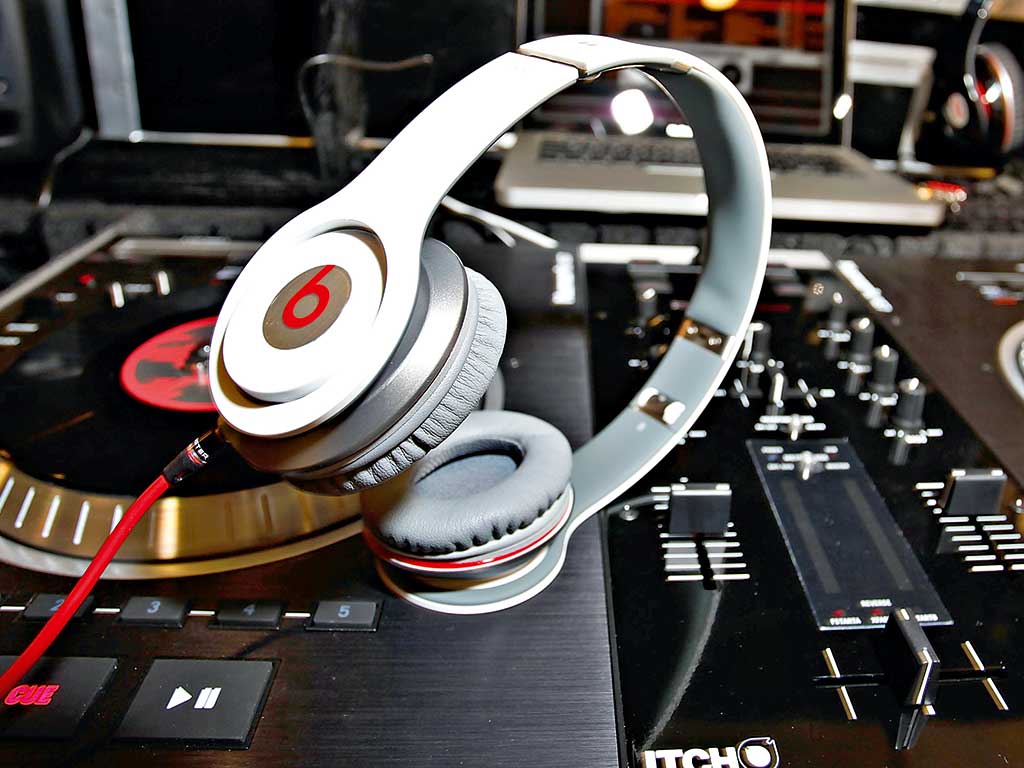
Dr. Dre, widely regarded as one of the most meticulous sound engineers in hip-hop history, shared this dissatisfaction. The two collaborated to solve this problem by focusing on sound signature, comfort, and, perhaps most importantly, aesthetics. They realized that the market was saturated with black, plastic, nondescript headphones that were treated like computer accessories rather than fashion-forward lifestyle products. By positioning their initial product, the Beats Studio, as a premium accessory, they tapped into a demographic that prioritized personal brand identity.
Strategic Impact on the Consumer Audio Industry
The impact of Beats Electronics on the broader electronics market cannot be overstated. Before the brand's rise, high-fidelity audio equipment was largely marketed to audiophiles through technical specifications—frequency responses, impedance ratings, and complex jargon—that alienated the average consumer. Beats bypassed this barrier entirely by focusing on "lifestyle marketing."
Redefining the Value Proposition
Beats successfully shifted the consumer perception of what headphones should cost. By pricing their products at a premium level, they created a "Veblen good" effect, where the price itself became a signal of quality and social standing. This shift forced competitors, including legacy audio brands like Bose and Sony, to reconsider their design philosophies and marketing strategies. After 2008, the industry saw a proliferation of "fashion headphones," characterized by bold colorways, celebrity endorsements, and sleek, minimalist industrial design.
The Power of Celebrity Integration
The founders utilized their deep connections within the music and sports worlds to achieve ubiquity. During the 2012 London Olympics and the 2014 FIFA World Cup, Beats headphones were seen on the ears of almost every major athlete, despite the company not being an official sponsor. This "guerrilla marketing" tactic became a blueprint for modern influencer campaigns, proving that organic placement in the hands—or on the ears—of cultural icons was more effective than traditional television advertisements.
Comparison of Market Influence
The following table highlights the core areas where the influence of Beats Electronics changed the landscape of the audio industry compared to the pre-2006 era.
| Feature | Pre-Beats Landscape | Post-Beats Impact |
|---|---|---|
| Primary Marketing | Technical specs and utility | Lifestyle, fashion, and culture |
| Aesthetics | Utilitarian, mostly black plastic | Premium materials, bold colors, sleek design |
| Pricing Strategy | Budget-focused ($20–$50 range) | Premium positioning ($200–$400 range) |
| Endorsements | Rare or focused on engineers | Global celebrity and athlete ambassadors |
| Brand Identity | Functional audio equipment | A recognizable status symbol |
The Integration into Apple’s Ecosystem
The sale of Beats Electronics to Apple in 2014 for $3 billion was a watershed moment for both the tech and music industries. For Apple, the acquisition was rarely just about the hardware. While the headphones themselves were highly profitable, the real assets were the Beats Music subscription service, the brand's immense cultural cachet, and the leadership insights of Iovine and Dr. Dre.
This acquisition allowed Apple to accelerate its transition into the streaming era. The technology and team behind Beats Music served as the foundation for the eventual launch of Apple Music. Furthermore, the institutional knowledge brought by Iovine and Dr. Dre helped Apple bridge the gap between Silicon Valley engineering and the creative music industry, a divide that had historically hindered tech companies trying to disrupt the entertainment business.
Long-Term Challenges and Evolution
Despite their monumental success, the founders faced significant criticism regarding the audio profile of their early devices. Audiophiles often complained that early Beats headphones were "bass-heavy," sacrificing mid-range clarity for an artificial, thumping low end. While this sound profile was intentionally tuned to cater to modern pop and hip-hop, it created a perception that the brand was "style over substance."
As of 2026, the company has worked to address these critiques. Under Apple’s guidance, the hardware has matured, incorporating advanced noise-cancellation technologies and integration with the H1 and W1 chips that allow for seamless connectivity across all Apple devices. This evolution demonstrates the founders’ initial vision: the brand was always intended to evolve from a niche celebrity product into a foundational piece of the digital music experience.
Frequently Asked Questions
Did Dr. Dre personally design the headphones? Dr. Dre played a central role in the sound tuning and the "vibe" of the product. While he did not perform the mechanical engineering, his input on the bass response and acoustic signature defined the "Beats sound," ensuring that the final output matched the expectations of the hip-hop and electronic music producers he mentored.
Why was the Beats acquisition by Apple so significant? The $3 billion acquisition was the largest in Apple’s history at the time. It provided Apple with immediate credibility in the lifestyle audio market, a subscription-ready music platform, and the talent of two of the most influential figures in contemporary music culture.
How did Beats change headphone marketing? Before Beats, headphones were rarely advertised with the same prestige as luxury watches or fashion apparel. Beats shifted the narrative to treat headphones as essential accessories for personal expression, utilizing high-budget television spots and strategic placements with celebrities to drive demand.
What is the status of the Beats brand in 2026? As of 2026, Beats remains a prominent subsidiary of Apple. The brand continues to focus on wireless hardware, integrating Apple’s proprietary audio technology while maintaining the bold, aesthetic-focused design identity that established its market dominance in the early 2010s.
Did the founders stay involved after the sale? Jimmy Iovine joined Apple in a leadership capacity to oversee the launch and development of Apple Music, while Dr. Dre remained an iconic face of the brand and an advisor for product development, maintaining a long-term professional relationship with the company.
Moving Forward: The Legacy of Innovation
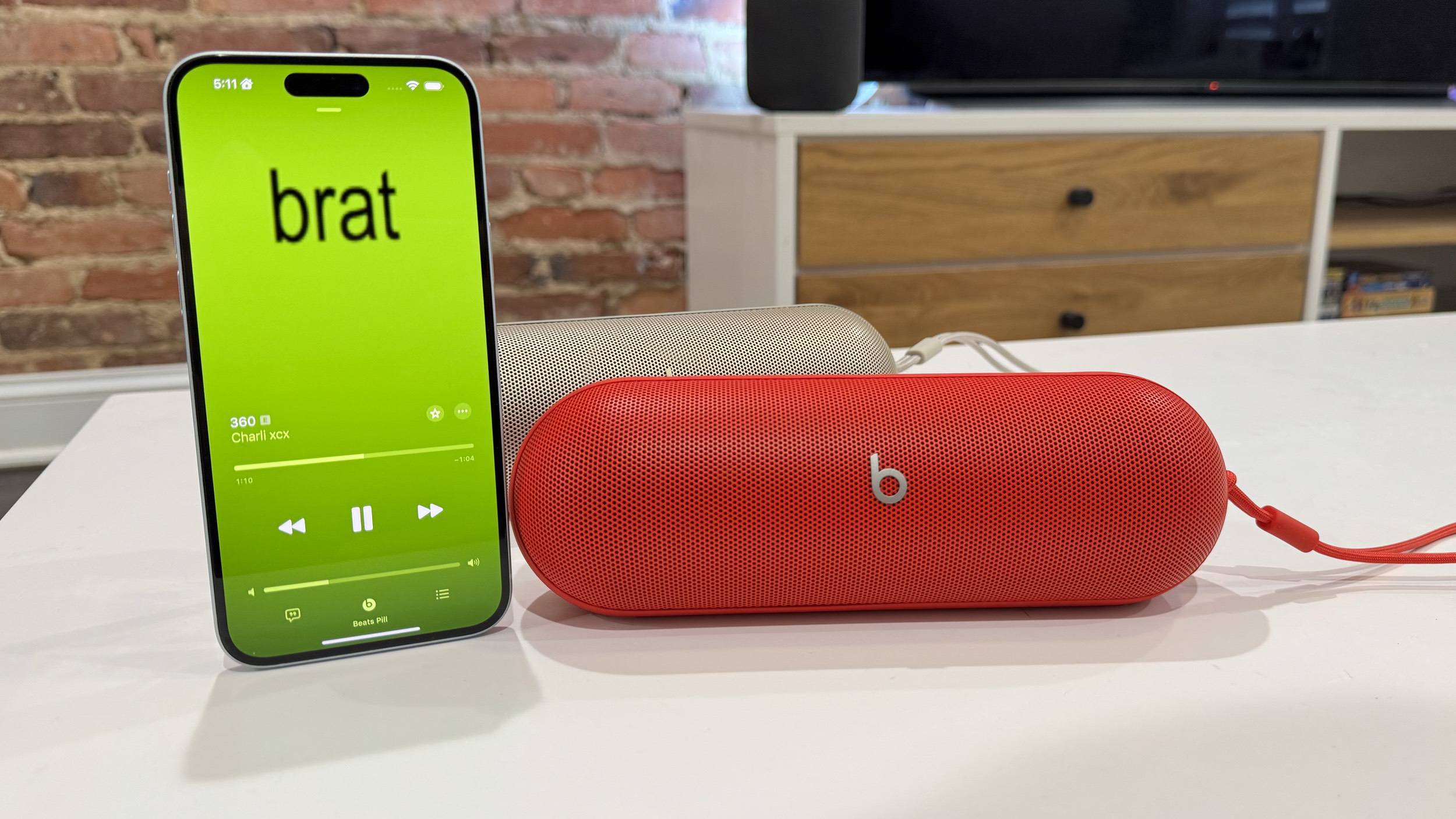
The founders of Beats Electronics successfully democratized the concept of high-end audio by proving that consumers value design and brand identity as much as raw technical specifications. For businesses, the lesson of their journey is clear: market disruption occurs when a product solves an emotional, cultural, or lifestyle frustration rather than merely iterating on existing technical features. To leverage the lessons of their success, developers and entrepreneurs should prioritize the user’s emotional relationship with their technology as much as the utility of the hardware itself.
Image Gallery