The Longest Winning Streaks in NBA History: Records and Analysis
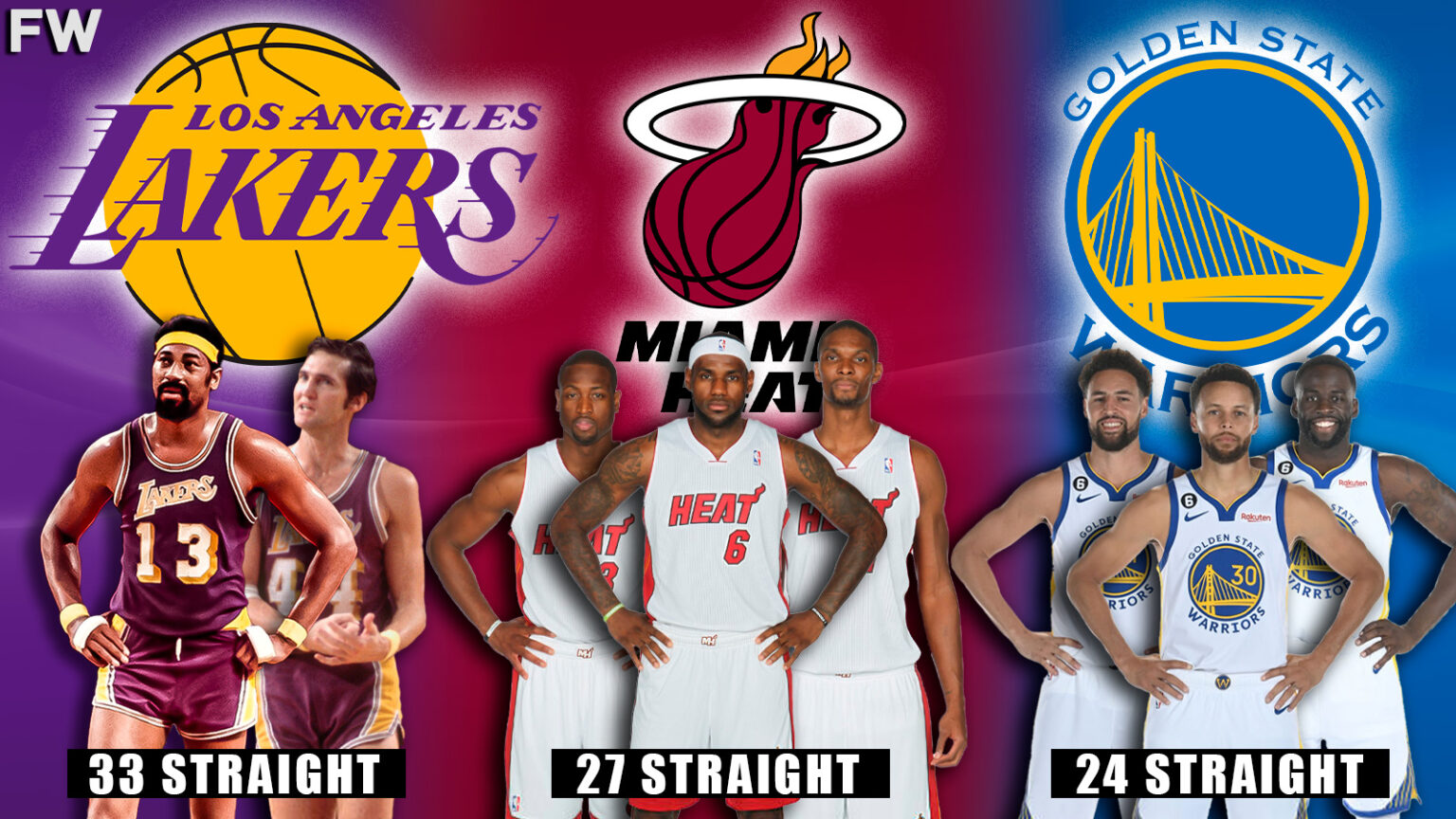
The longest winning streak in NBA history is held by the 1971-72 Los Angeles Lakers, who won 33 consecutive games. This historic run remains the gold standard for regular-season dominance, followed by the 2012-13 Miami Heat (27 games)...
The longest winning streak in NBA history is held by the 1971-72 Los Angeles Lakers, who won 33 consecutive games. This historic run remains the gold standard for regular-season dominance, followed by the 2012-13 Miami Heat (27 games) and the 2015-16 Golden State Warriors, who achieved 28 wins across two seasons.
Contents
The 33-Game Standard: The 1971-72 Los Angeles Lakers
The 1971-72 Los Angeles Lakers represent one of the most significant statistical anomalies in professional sports. Their 33-game winning streak began on November 5, 1971, and was not snapped until January 9, 1972, by the Milwaukee Bucks. To put this into perspective, the Lakers went over two months without a single loss in a league that was becoming increasingly competitive and physically demanding.
Led by Hall of Famers Jerry West, Wilt Chamberlain, and Gail Goodrich, this team was coached by Bill Sharman, who implemented a fast-break style that maximized the team’s veteran IQ and Chamberlain's rebounding dominance. During the streak, the Lakers won by an average margin of 16 points, proving that their success was not a product of luck or close finishes, but rather overwhelming talent and tactical execution.
The significance of the 33-game streak is often discussed in the context of the 1971-72 season as a whole. The Lakers finished with a 69-13 record, which stood as the best in NBA history until the 1995-96 Chicago Bulls went 72-10. Most importantly, this Lakers squad validated their regular-season dominance by winning the NBA Championship, defeating the New York Knicks in the Finals.
The Modern Challengers: Miami and Golden State
In the modern era of the NBA, characterized by increased travel demands, high-variance three-point shooting, and "load management," sustaining a winning streak is arguably more difficult than it was in the early 1970s. Only two teams have seriously threatened the Lakers' 33-game record in the 21st century.
The 2012-13 Miami Heat (27 Games)
The "Big Three" era of LeBron James, Dwyane Wade, and Chris Bosh reached its absolute zenith during the 2012-13 season. Between February 3 and March 25, 2013, the Heat won 27 consecutive games. This streak was notable for the variety of ways Miami won; they overcame double-digit deficits in several games, most notably a 27-point comeback against the Cleveland Cavaliers.
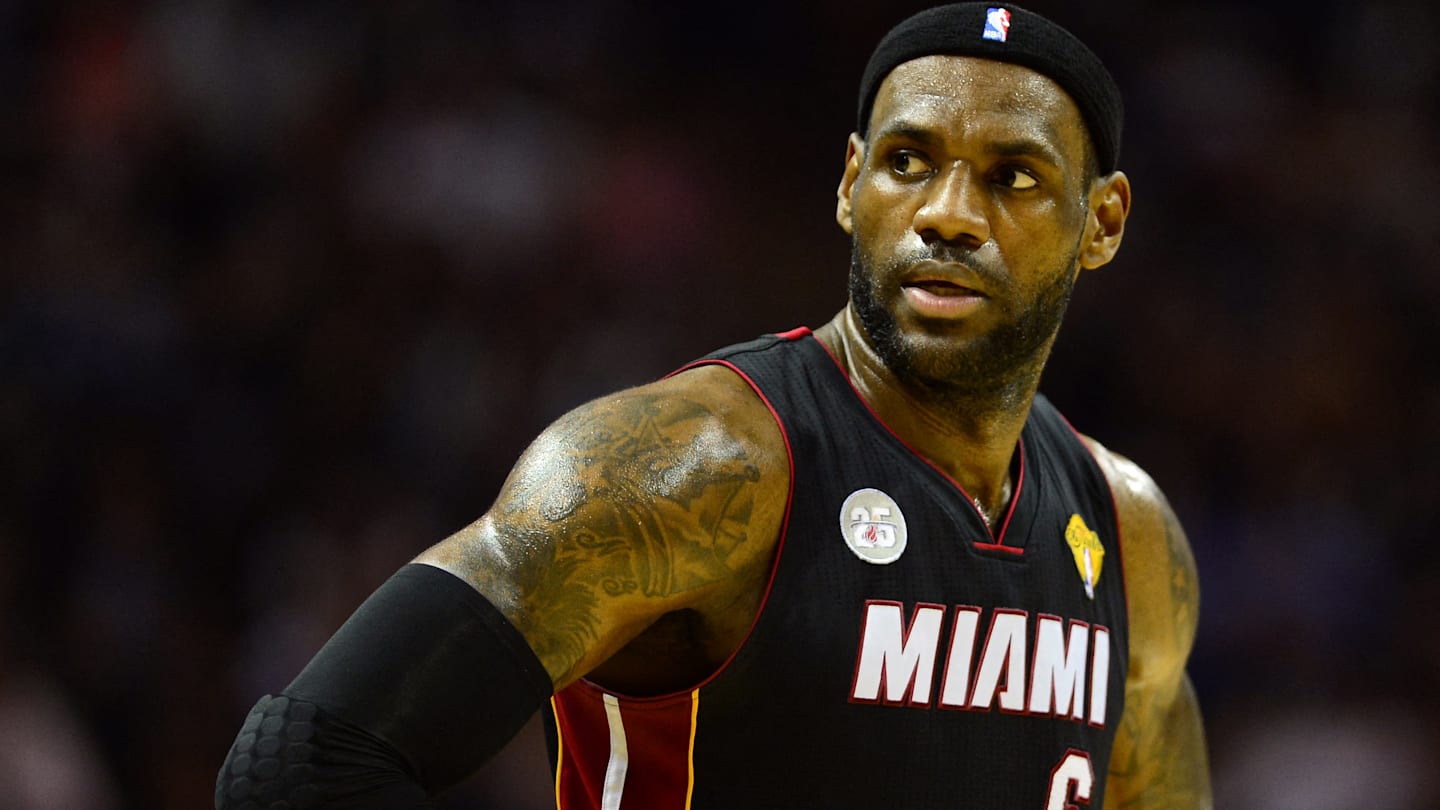
LeBron James was at the peak of his powers during this run, winning his fourth MVP award. The Heat’s defensive versatility—specifically their "blitzing" pick-and-roll coverage—forced high turnover rates, fueling their transition offense. The streak eventually ended against the Chicago Bulls, but the momentum carried Miami to their second consecutive championship in a grueling seven-game series against the San Antonio Spurs.
The 2015-16 Golden State Warriors (28 Games)
The Golden State Warriors’ 28-game winning streak is unique because it spanned two seasons. They won their final four regular-season games of 2014-15 and opened the 2015-16 season with a staggering 24-0 record. This 24-game start is the longest season-opening winning streak in the history of the four major North American professional sports.
Propelled by Stephen Curry’s unanimous MVP campaign and Steve Kerr’s (and interim coach Luke Walton’s) "Pace and Space" system, the Warriors redefined offensive efficiency. Their streak was eventually snapped on the road against the Milwaukee Bucks—coincidentally the same franchise that ended the Lakers' 33-game streak in 1972. While the Warriors finished the season with a record-breaking 73-9 mark, they famously fell short in the NBA Finals against the Cleveland Cavaliers.
Comparative Analysis of the Longest NBA Winning Streaks
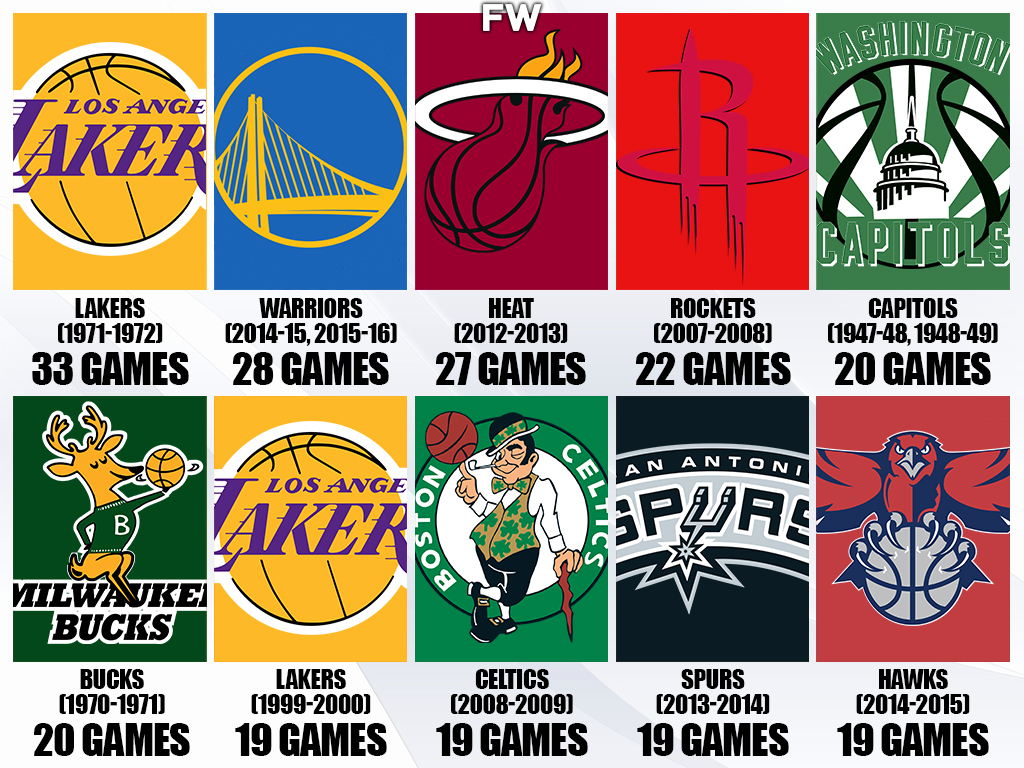
Understanding the hierarchy of these streaks requires looking at both single-season totals and "bridge" streaks that span multiple years. The following table highlights the most dominant runs in league history as of 2026.
| Team | Season(s) | Games | Streak End Date | Final Season Result |
|---|---|---|---|---|
| Los Angeles Lakers | 1971-72 | 33 | Jan 9, 1972 | Won NBA Title |
| Golden State Warriors | 2014-15/15-16 | 28 | Dec 12, 2015 | Lost NBA Finals |
| Miami Heat | 2012-13 | 27 | Mar 27, 2013 | Won NBA Title |
| Houston Rockets | 2007-08 | 22 | Mar 18, 2008 | Lost West 1st Rd |
| Milwaukee Bucks | 1970-71 | 20 | Mar 9, 1971 | Won NBA Title |
The "Unexpected" Streak: The 2007-08 Houston Rockets
While the Lakers, Heat, and Warriors streaks were driven by multi-star "superteams," the 22-game winning streak by the 2007-08 Houston Rockets remains one of the most improbable feats in NBA history. Mid-way through the streak, the team lost their foundational center, Yao Ming, to a season-ending foot injury.
Rather than collapsing, the Rockets, led by Tracy McGrady and a cast of elite role players like Shane Battier and Rafer Alston, relied on a top-tier defensive system orchestrated by coach Rick Adelman. This streak proved that elite coaching and defensive cohesion could sustain winning even when a primary offensive engine is sidelined. However, the physical toll of the streak and the loss of Yao eventually caught up to them, as they were eliminated in the first round of the playoffs by the Utah Jazz.
The Psychological and Physical Toll of Extended Streaks
Maintaining a winning streak in the NBA involves more than just talent; it requires a unique psychological resilience. As a streak grows, every opponent treats their matchup with the streaking team as a "playoff game." The streaking team essentially carries a target on its back, facing the best effort of every nightly opponent.
- The Fatigue Factor: In the modern NBA, travel schedules and back-to-back games create "schedule losses." Winning 20+ games requires a team to win at least three to four back-to-back sets, often involving late-night travel across time zones.
- Media Scrutiny: Once a streak passes 15 games, the national media coverage intensifies. This added pressure can distract younger players or lead to "playing not to lose" rather than playing to win.
- Regression to the Mean: Basketball is a game of variance. Even the best teams have "off" shooting nights. To maintain a long streak, a team must find ways to win when their primary offensive options are cold, often relying on elite defense or offensive rebounding.
Rule Changes and Their Impact on Streaks
Comparing the 1971-72 Lakers to modern teams requires acknowledging the evolution of the game. In 1972, there was no three-point line, and the "hand-checking" rules allowed for much more physical perimeter defense. This generally favored teams with dominant interior presences like Wilt Chamberlain.
In the modern era (post-2004), the elimination of hand-checking and the explosion of the three-point shot have increased offensive efficiency. While this makes it easier for teams to go on scoring bursts, it also makes leads more volatile. A 20-point lead in 1972 was virtually insurmountable; in 2026, with the prevalence of high-volume three-point shooting, such leads can evaporate in minutes. This volatility makes modern winning streaks arguably more impressive, as teams must navigate the "math problem" of the three-point line every night.
Frequently Asked Questions
What is the longest season-opening winning streak?
The 2015-16 Golden State Warriors hold the record for the longest season-opening winning streak, winning their first 24 games. They eventually finished the season with a 73-9 record, the best regular-season performance in NBA history.
Has any team ever had two 20-game winning streaks in one season?
No team in NBA history has achieved two separate 20-game winning streaks in a single season. Achieving even one 20-game streak is a rare feat that has occurred fewer than ten times in over 75 years of league history.
Who ended the Lakers' 33-game winning streak?
The Milwaukee Bucks ended the Los Angeles Lakers' 33-game streak on January 9, 1972. The Bucks were led by Kareem Abdul-Jabbar (then known as Lew Alcindor), who scored 39 points in the 120-104 victory.
Which player has been part of the most 20+ game winning streaks?
LeBron James and James Jones were both part of the 2012-13 Miami Heat (27 games) and had significant winning stretches with the Cleveland Cavaliers, though the 27-game run remains the longest for both. Steve Kerr has the unique distinction of being involved in legendary streaks as both a player (with the 1995-96 Bulls' 18-game streak) and a coach (with the 2015-16 Warriors' 28-game streak).
Do long winning streaks guarantee an NBA Championship?
Not necessarily. While the 1971-72 Lakers and 2012-13 Heat won the title, the 2015-16 Warriors (28 games) and the 2007-08 Rockets (22 games) did not. A streak indicates regular-season dominance, but playoff success depends on health, matchups, and the ability to win four series against elite competition.
Practical Recommendation for Fans and Analysts
When evaluating the greatness of an NBA team, the winning streak should be viewed as a measure of sustained ceiling. If you are analyzing historical data or participating in sports discussions, differentiate between "single-season" streaks and "bridge" streaks (those spanning two seasons). While the 33-game Lakers' record is the ultimate mark, the Warriors' 24-0 start is often considered equally difficult because of the lack of momentum carried over from a previous year. For the most accurate historical context, always refer to official NBA records and Basketball-Reference for verified game logs and box scores.
Image Gallery