How Much Is Shower Installation? 2026 Cost Guide
In 2026, the average cost for a shower installation ranges from $2,500 to $10,000, including labor and materials. A simple prefabricated stall replacement typically starts around $1,500, while a high-end custom tile walk-in shower with...
In 2026, the average cost for a shower installation ranges from $2,500 to $10,000, including labor and materials. A simple prefabricated stall replacement typically starts around $1,500, while a high-end custom tile walk-in shower with premium fixtures and frameless glass can exceed $15,000 depending on structural requirements and regional labor rates.
Contents
Understanding the Baseline Costs of Shower Installation
Estimating the cost of a shower installation requires a distinction between a simple "swap" and a full-scale renovation. In 2026, the market has seen a stabilization of material costs following the volatility of the early 2020s, but labor rates for skilled trades like plumbing and tiling remain high due to a specialized workforce shortage.
For most homeowners, the project begins with a choice between a prefabricated unit and a custom-built enclosure. Prefabricated units, usually made of fiberglass or acrylic, are the most cost-effective solution. These are manufactured in a factory and shipped as a single piece or a multi-piece kit. Installation is relatively fast, often completed in one to two days, which keeps labor costs low.
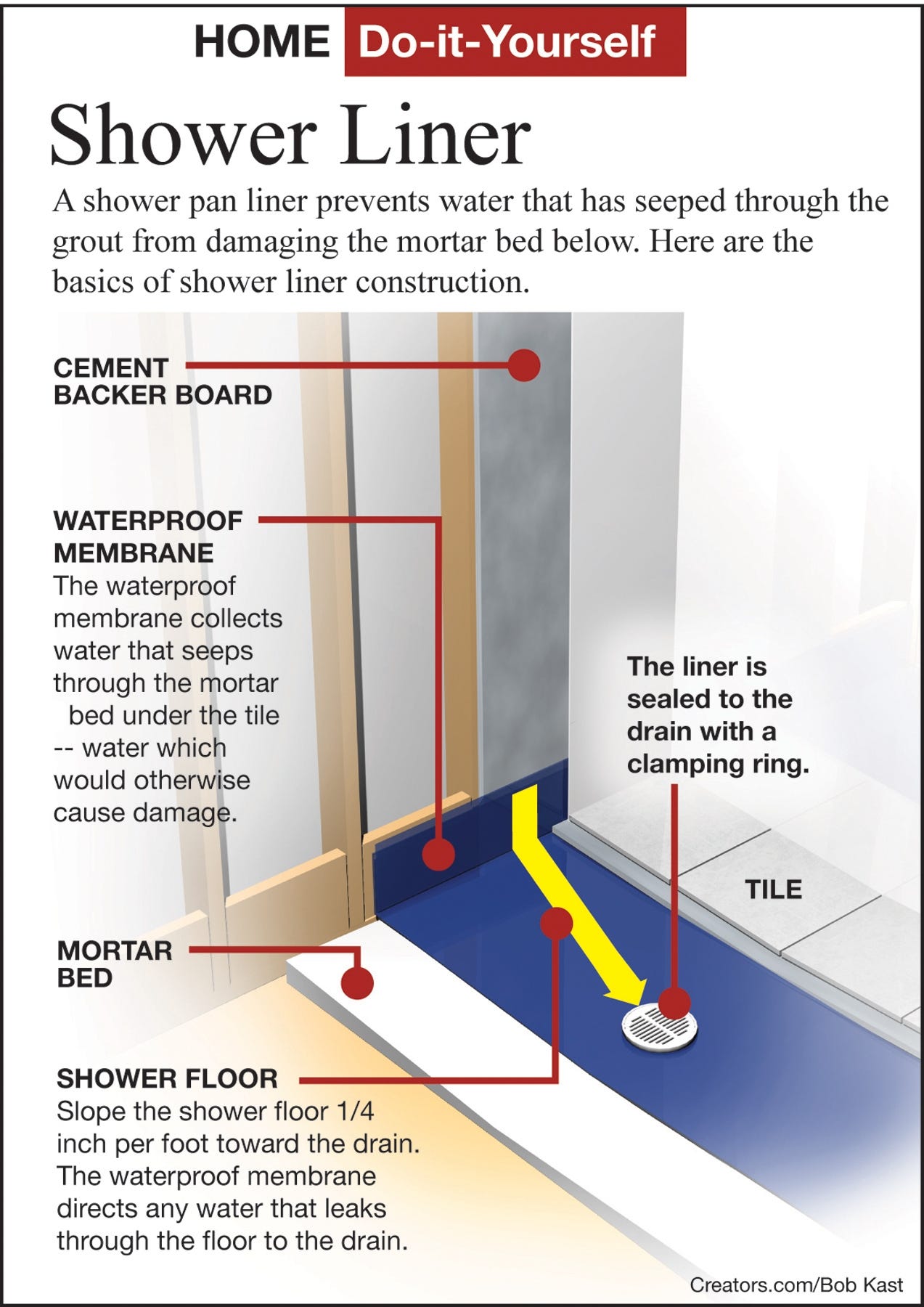
Custom showers, on the other hand, offer limitless design flexibility but involve significantly more labor. This process includes building a waterproof basin (the "pan"), framing walls, installing cement board or specialized waterproof membranes, and hand-laying tile. Because this requires multiple site visits and drying time between stages, the labor component can easily account for 60% to 70% of the total project budget.
Breakdown of Costs by Shower Type
The type of shower you select is the primary driver of the final invoice. Below is a detailed look at how different configurations impact your budget in 2026.
Prefabricated Shower Stalls
These units are ideal for secondary bathrooms or budget-conscious renovations. A basic fiberglass kit costs between $600 and $1,200 for the materials. When you factor in professional plumbing connections and the installation of the unit itself, the total project cost generally lands between $1,500 and $3,500. These units are durable and easy to clean, though they lack the aesthetic appeal of stone or tile.
Custom Tiled Showers
A custom tile shower is a premium upgrade that significantly increases home resale value. Material costs vary wildly based on the choice of tile—ceramic and porcelain are affordable, while natural stone like marble or slate adds a premium. In 2026, homeowners can expect to pay between $6,000 and $12,000 for a standard-sized custom tile shower. This includes the cost of the waterproofing system (such as Schluter-Kerdi or similar membrane systems), which is essential for preventing long-term structural rot.
Walk-In and Curbless Showers
Walk-in showers, particularly curbless designs that sit flush with the bathroom floor, are a major trend for 2026 due to their "aging-in-place" utility and sleek modern aesthetic. However, curbless showers are technically demanding. They require "recessing" the floor joists or using a specialized tapered pan to ensure water drains correctly without a threshold. Because of the structural modifications required, these installations typically range from $8,000 to $18,000.
Shower-Tub Combos
A standard replacement of an existing alcove tub with a new shower-tub combo remains a popular choice for families. If the footprint remains the same, the installation is straightforward. Expect to pay between $3,500 and $7,000 for a full replacement, depending on whether you choose a prefab surround or a tiled wall.
| Shower Type | Material Cost (Avg) | Labor Cost (Avg) | Total Estimated Cost |
|---|---|---|---|
| Prefabricated Stall | $600 – $1,500 | $1,000 – $2,000 | $1,600 – $3,500 |
| Standard Tiled Shower | $2,000 – $4,500 | $4,000 – $7,500 | $6,000 – $12,000 |
| Curbless Walk-In | $3,500 – $6,000 | $6,000 – $12,000 | $9,500 – $18,000 |
| Shower-Tub Combo | $1,200 – $3,000 | $2,500 – $4,500 | $3,700 – $7,500 |
Key Factors Influencing Installation Price
Beyond the basic type of shower, several variables can cause the price to fluctuate. Understanding these can help you avoid "sticker shock" when receiving quotes from contractors.
Plumbing Rerouting and Upgrades
If you are placing the shower where one already exists, costs are minimized. However, moving a drain or supply lines can add $1,000 to $3,000 to the bill. In 2026, plumbing codes in many jurisdictions have updated requirements for "low-flow" high-efficiency fixtures and specific pressure-balancing valves to prevent scalding, which may require upgrading old pipes that are not up to current standards.
Choice of Fixtures
The hardware you choose—showerheads, mixing valves, and handheld sprayers—can range from a $150 basic set to $2,000+ for luxury rain-head systems with digital thermostatic controls. High-end finishes like matte black, brushed gold, or oil-rubbed bronze often carry a 20% premium over standard chrome or brushed nickel.
Glass Enclosures
The glass is often the most overlooked expense. A simple framed sliding door may cost $300 to $600, whereas a heavy-duty, 3/8-inch thick frameless glass enclosure can cost $1,500 to $3,500 including professional installation. Frameless glass requires precise measurements and specialized hardware to support the weight of the tempered glass panes.
Subfloor Condition and Repairs
Once an old shower or tub is removed, contractors often find water damage or mold in the subfloor. Remediation and structural repair are almost never included in a basic installation quote. Budgeting a 10% to 15% contingency fund is recommended to cover these "behind-the-wall" surprises.
Professional Labor vs. DIY: A Risk Assessment
While a DIY shower installation can save thousands in labor, it is one of the highest-risk home improvement projects. According to data from the International Code Council (ICC), water damage from improperly installed showers is a leading cause of residential insurance claims.
A professional installation provides several benefits:
- Permitting and Compliance: Professionals ensure the drain size (usually 2 inches for showers) and venting meet local building codes.
- Waterproofing Expertise: Proper "pre-slope" under a tile pan and the correct application of liquid or sheet membranes are critical. A single pinhole leak can cause thousands of dollars in damage to the floor below over time.
- Warranty: Most reputable contractors offer a 1-to-5-year warranty on their labor, providing peace of mind that a leak will not become a financial disaster.
If you choose to DIY, consider using a pre-fabricated waterproof pan system. These systems reduce the chance of error compared to a traditional "mud bed" pan, though they require strict adherence to the manufacturer's installation guidelines.
Hidden Costs to Anticipate
When planning your budget for 2026, keep these secondary expenses in mind:
- Permit Fees: Depending on your municipality, a plumbing or building permit may cost between $50 and $250.
- Demolition and Disposal: Hauling away an old cast-iron tub or heavy tile debris can cost $400 to $800 in labor and dump fees.
- Drywall and Paint: Shower installations often require cutting into surrounding walls. Professional drywall patching and painting can add $300 to $600.
- Electrical: If you are adding a recessed "wet-rated" LED light or an exhaust fan (highly recommended to prevent mold), expect an additional $400 to $900 for an electrician's services.
Frequently Asked Questions
How long does a shower installation take?
A prefabricated unit can be installed in 1 to 2 days. A custom tile shower typically takes 7 to 10 working days due to the necessary curing times for the mortar, waterproofing membranes, and grout. Large-scale renovations involving structural changes may take up to three weeks.
Can I install a new shower over old tile?
It is generally not recommended. While "tile-over-tile" products exist, they add significant weight and thickness to the walls, which can interfere with fixture depth and drainage. Furthermore, installing over old tile hides potential mold or rot in the original substrate, which will eventually lead to a more expensive failure.
Is a walk-in shower better for resale value?
In 2026, walk-in showers are highly desirable, particularly in primary bathrooms. However, real estate experts generally suggest keeping at least one bathtub in the house to remain attractive to buyers with young children. Converting the only tub in a home to a shower may slightly narrow your pool of potential buyers.
Do I need a permit to replace a shower?
If you are simply replacing the "trim" (the showerhead and handle) or the glass door, a permit is rarely needed. However, if you are replacing the pan, moving pipes, or changing the footprint of the shower, most cities require a plumbing permit to ensure the work is inspected for safety and leak prevention.
How much does it cost to convert a tub to a walk-in shower?
A tub-to-shower conversion typically costs between $5,000 and $9,000. This is slightly more expensive than a standard installation because it involves removing the heavy tub, reconfiguring the drain (tubs usually have 1.5-inch drains, while showers require 2-inch drains), and finishing the floor area where the tub previously sat.
Final Recommendation
For most homeowners in 2026, the most balanced approach is a custom-tiled shower using a pre-sloped waterproof system. While it costs more than a prefab kit (averaging $7,000–$9,000), the durability and aesthetic appeal provide the best long-term value. Always obtain at least three written estimates and verify that your contractor is licensed, insured, and provides a specific waterproofing guarantee before work begins.
Image Gallery