What the Camp Lejeune News in Jacksonville, NC Means for You in 2026
The news regarding Camp Lejeune in Jacksonville, NC, signifies that the long-standing legal battle for compensation has reached a critical resolution phase. In 2026, this means that thousands of veterans and their families are finally...
The news regarding Camp Lejeune in Jacksonville, NC, signifies that the long-standing legal battle for compensation has reached a critical resolution phase. In 2026, this means that thousands of veterans and their families are finally receiving settlement offers through the Elective Option or court-ordered awards following the 2024 filing deadline. For the Jacksonville community, it represents a transition from decades of uncertainty toward financial restitution and public acknowledgement of the toxic water exposure that occurred between 1953 and 1987.
Contents
The State of Camp Lejeune Litigation in 2026
As we move through 2026, the landscape of the Camp Lejeune Justice Act (CLJA) has shifted from the mass filing of administrative claims to the active distribution of settlements and the adjudication of complex cases. When the PACT Act was signed into law in 2022, it opened a two-year window for victims to file claims. That window closed in August 2024, and the current "news" emerging from Jacksonville and the surrounding legal districts focuses on the execution of justice for the hundreds of thousands of individuals who met that deadline.
The Department of Justice (DOJ) and the Navy JAG have streamlined the Elective Option (EO), a pre-defined settlement grid designed to fast-track payments to those with specific "qualifying injuries." In 2026, the news is increasingly dominated by "Track 1" and "Track 2" trial outcomes. These trials involve cases that did not fit the EO criteria or where plaintiffs chose to pursue full litigation to reflect the true extent of their suffering. For residents of Jacksonville, North Carolina, this means the local federal courts remain a focal point of national attention as legal precedents are set for environmental toxic torts.
What the News Means for the Jacksonville Community
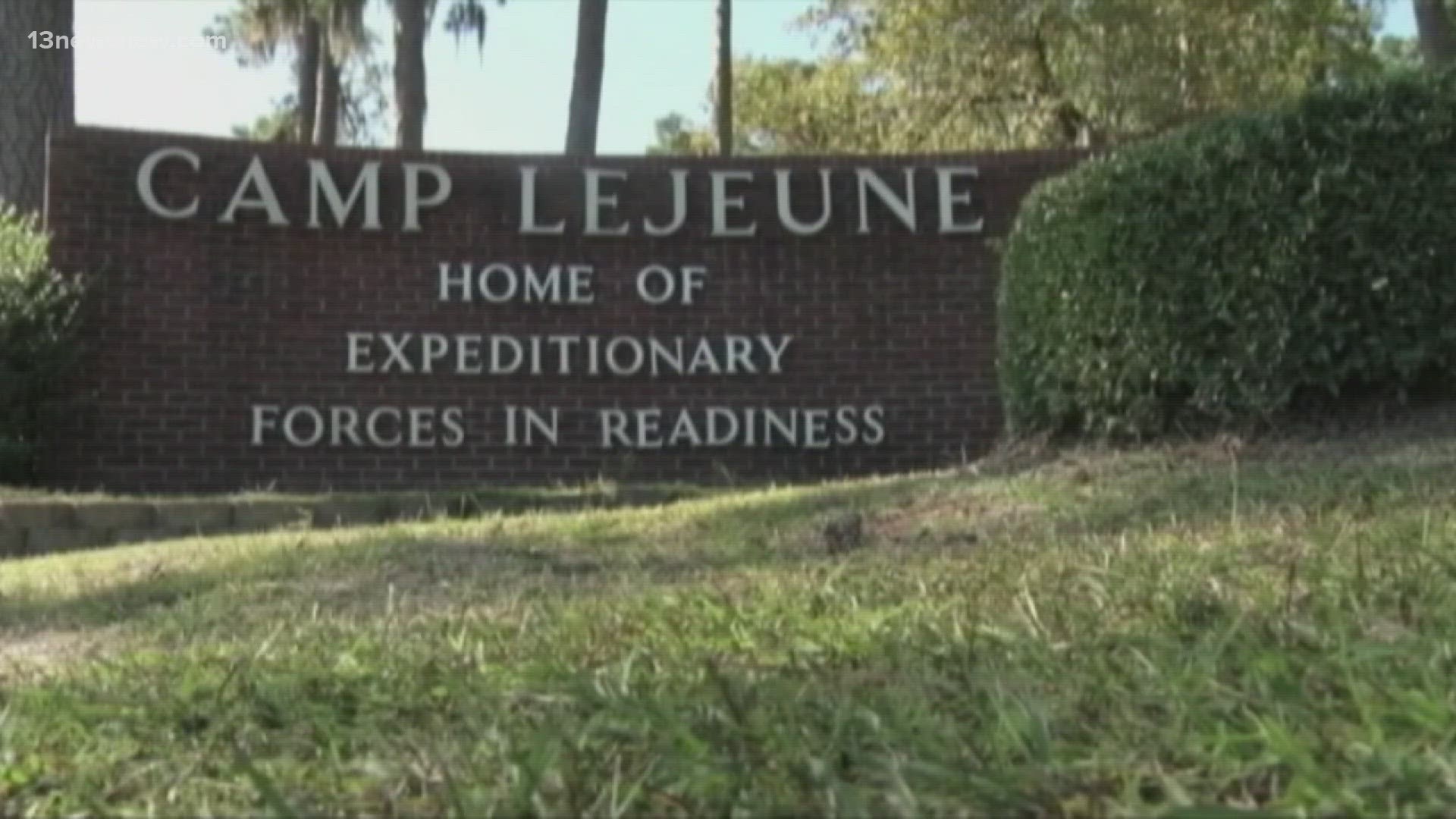
Jacksonville, NC, is the home of Marine Corps Base Camp Lejeune. The news here is personal. For the local population, the progression of these legal cases means more than just financial updates; it represents a significant chapter of closure for a community that has lived in the shadow of the water contamination scandal for decades.
Local Economic and Social Impact
The influx of settlement funds into the Jacksonville area is having a measurable impact on the local economy. As veterans and their families receive restitution, there is a noted increase in local investment, debt retirement, and healthcare spending. However, the social impact is equally profound. The public nature of the ongoing trials in the Eastern District of North Carolina has brought a sense of validation to those who felt ignored by the government for years.
The Role of the Eastern District of North Carolina
All CLJA lawsuits are centralized in the U.S. District Court for the Eastern District of North Carolina. This has turned the regional legal infrastructure into one of the busiest in the United States. In 2026, the court's rulings on "causation"—the scientific link between the contaminated water and specific illnesses—are the primary drivers of settlement values. If you are following the news in Jacksonville, you are watching the judicial system define exactly how much a life altered by TCE (trichloroethylene) or benzene exposure is worth in the eyes of the law.
The Elective Option (EO): Payout Structures in 2026
One of the most important pieces of "news" for claimants is the current status of the Elective Option. This was established to avoid decades of litigation by offering fixed sums based on the type of illness and the duration of stay at Camp Lejeune. By 2026, the government has refined these tiers to ensure faster processing.
| Qualifying Injury Category | Duration of Exposure: 30–364 Days | Duration of Exposure: 1–5 Years | Duration of Exposure: 5+ Years |
|---|---|---|---|
| Tier 1: Kidney Cancer, Liver Cancer, Non-Hodgkin’s Lymphoma, Leukemias, Bladder Cancer | $150,000 | $300,000 | $450,000 |
| Tier 2: Multiple Myeloma, Parkinson’s Disease, Kidney Disease (End-Stage Renal Disease) | $100,000 | $250,000 | $400,000 |
| Special Cases: Systemic Sclerosis/Scleroderma, Multiple Sclerosis | Case-by-Case | Case-by-Case | Case-by-Case |
Note: These figures represent the baseline settlement offers provided by the DOJ. Claimants who opted for full litigation may see higher amounts but face the burden of proving specific causation in a trial setting.
Understanding the "Causation" Debate in 2026
A major component of the current news involves the scientific evidence presented in the Eastern District courts. Under the CLJA, the burden of proof was lowered to a "equipoise" standard—meaning a plaintiff only needs to show that a causal relationship between the water and their illness is "at least as likely as not."
In 2026, the legal news is focused on "Track 3" illnesses. While Tier 1 and Tier 2 illnesses (like bladder cancer and Parkinson’s) have a clear path to compensation, other conditions such as prostate cancer, breast cancer, and various autoimmune disorders are currently being debated. The "news" for many in Jacksonville is the outcome of these specific bellwether trials, which will determine if thousands of additional claimants will receive settlement offers or if their cases will be dismissed due to insufficient scientific links.
Practical Implications for Pending Claims
If you or a family member has a pending claim in 2026, the news in Jacksonville serves as a roadmap for what to expect in the coming months.
- Verification of Exposure: The Navy is utilizing advanced modeling of the Hadnot Point and Tarawa Terrace water systems to verify exactly which barracks or housing units were affected during specific months. Claimants should ensure their service records or residential histories are precisely aligned with these models.
- Lien Resolutions: A significant part of the current news involves how the government handles "liens." If the VA or Medicare paid for your treatment over the years, they may be entitled to a portion of your settlement. In 2026, new guidelines have been established to cap these offsets, ensuring that the veteran retains a significant majority of the award.
- Attorney Fee Caps: There is ongoing news regarding the regulation of legal fees. Federal updates have reinforced that attorney fees for CLJA cases are generally capped at 20% for administrative settlements and 25% for cases that go to litigation. This ensures that the bulk of the "billions" allocated by Congress actually reaches the victims.
The Historical Context: Why Jacksonville?
To understand what the news means today, one must remember why Jacksonville became the epicenter of this crisis. From 1953 to 1987, the water at Camp Lejeune was contaminated by two primary sources: an off-base dry cleaner (ABC One-Hour Cleaners) and leaking underground storage tanks on the base.
The contaminants—primarily Trichloroethylene (TCE), Perchloroethylene (PCE), Benzene, and Vinyl Chloride—were found in concentrations hundreds of times higher than safe limits. The news in 2026 is the final chapter of a story that includes 34 years of exposure and over 30 years of advocacy by groups like the "The Few, The Proud, The Forgotten."
Frequently Asked Questions
Can I still file a new claim for Camp Lejeune compensation in 2026?
Generally, no. The deadline to file an administrative claim under the Camp Lejeune Justice Act was August 10, 2024. However, if you are a descendant of a victim who recently passed away and a claim was already in the system, you may be able to step in as a representative of the estate. Always consult with a qualified attorney regarding specific jurisdictional exceptions or newly discovered evidence "tolling" provisions.
How long does it take to receive a payout once a settlement is reached?
In 2026, the DOJ has optimized the payment process. Once an offer is accepted through the Elective Option, funds are typically disbursed within 60 to 90 days. For cases resolved through trial or individual settlement negotiations, the process can take 6 to 12 months due to the complexity of resolving healthcare liens and final court approvals.
Does a Camp Lejeune settlement affect my VA disability benefits?
No. Receiving a settlement under the CLJA does not reduce or eliminate your VA disability compensation. However, the government cannot "double pay" for the same injury. This means the settlement amount might be adjusted to reflect the value of the healthcare the VA already provided for that specific condition, but your monthly disability check should remain unaffected.
What happens if my illness isn't on the "Tier" list?
If your illness is not included in the Elective Option Tiers, your case is likely part of the broader litigation pool. The news in Jacksonville currently includes updates on "non-presumptive" conditions. These cases require more rigorous medical expert testimony to prove that the contaminated water was the cause of the illness.
Who is eligible for the settlements being discussed in the news?
Eligibility extends to veterans, reservists, National Guard members, family members, and civilian employees who lived or worked at Camp Lejeune for at least 30 days between August 1, 1953, and December 31, 1987. This includes those who were in utero (unborn) during that time.
Moving Forward: Next Steps for Claimants
The Camp Lejeune news in Jacksonville, NC, for 2026 is ultimately about the transition from the "demand" phase to the "recovery" phase. If you have an active claim, your priority should be staying in close contact with your legal representative to review any settlement offers.
As trials continue to set the value for various injuries, it is vital to have all medical documentation updated and ready for review. The resolution of these cases is not just a legal necessity; it is the fulfillment of a promise made to those who served and lived at Camp Lejeune. Whether through the Elective Option or the court system, the focus remains on ensuring that the survivors of Jacksonville’s water contamination receive the support they were denied for far too long.
Image Gallery