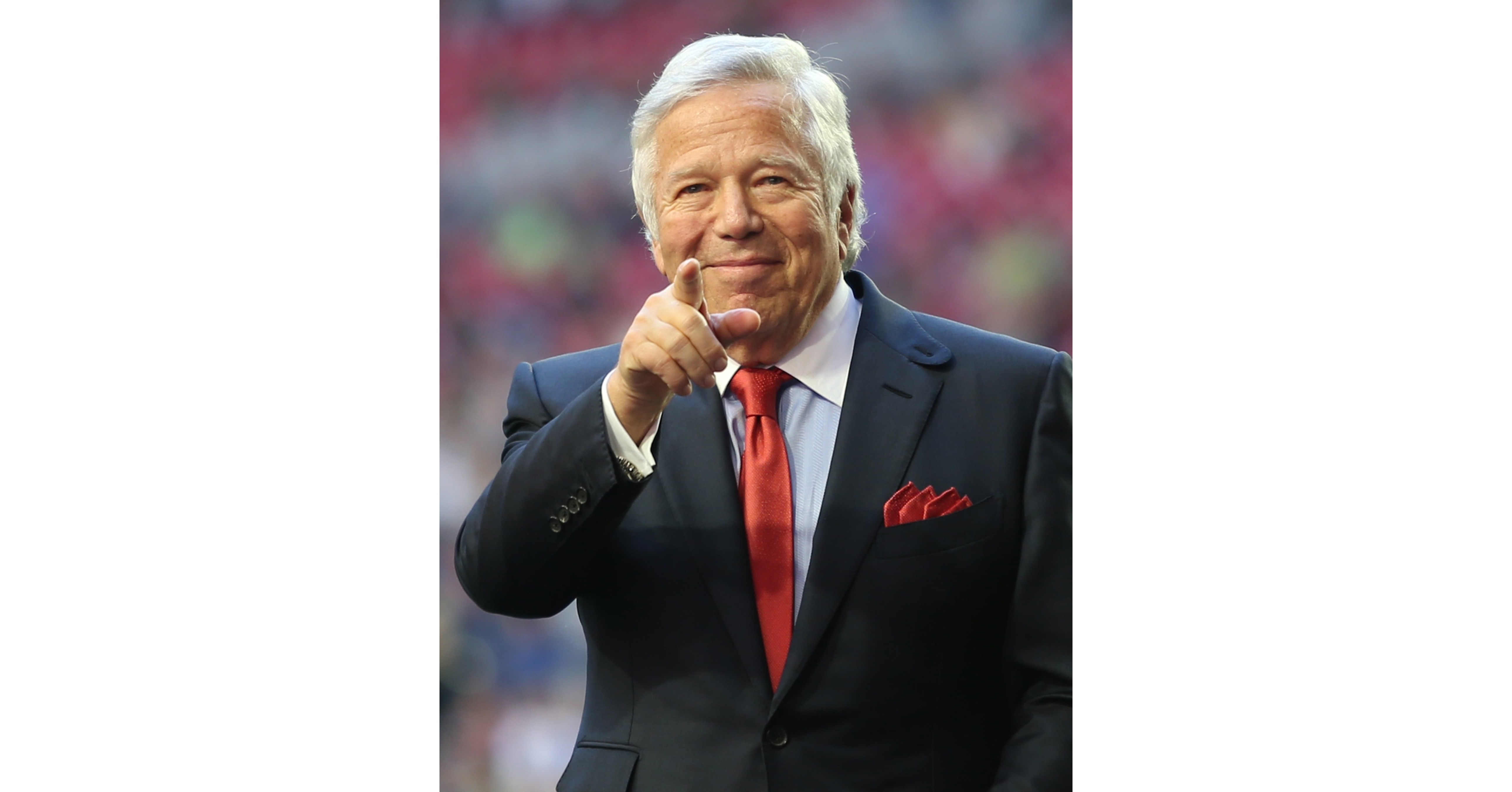
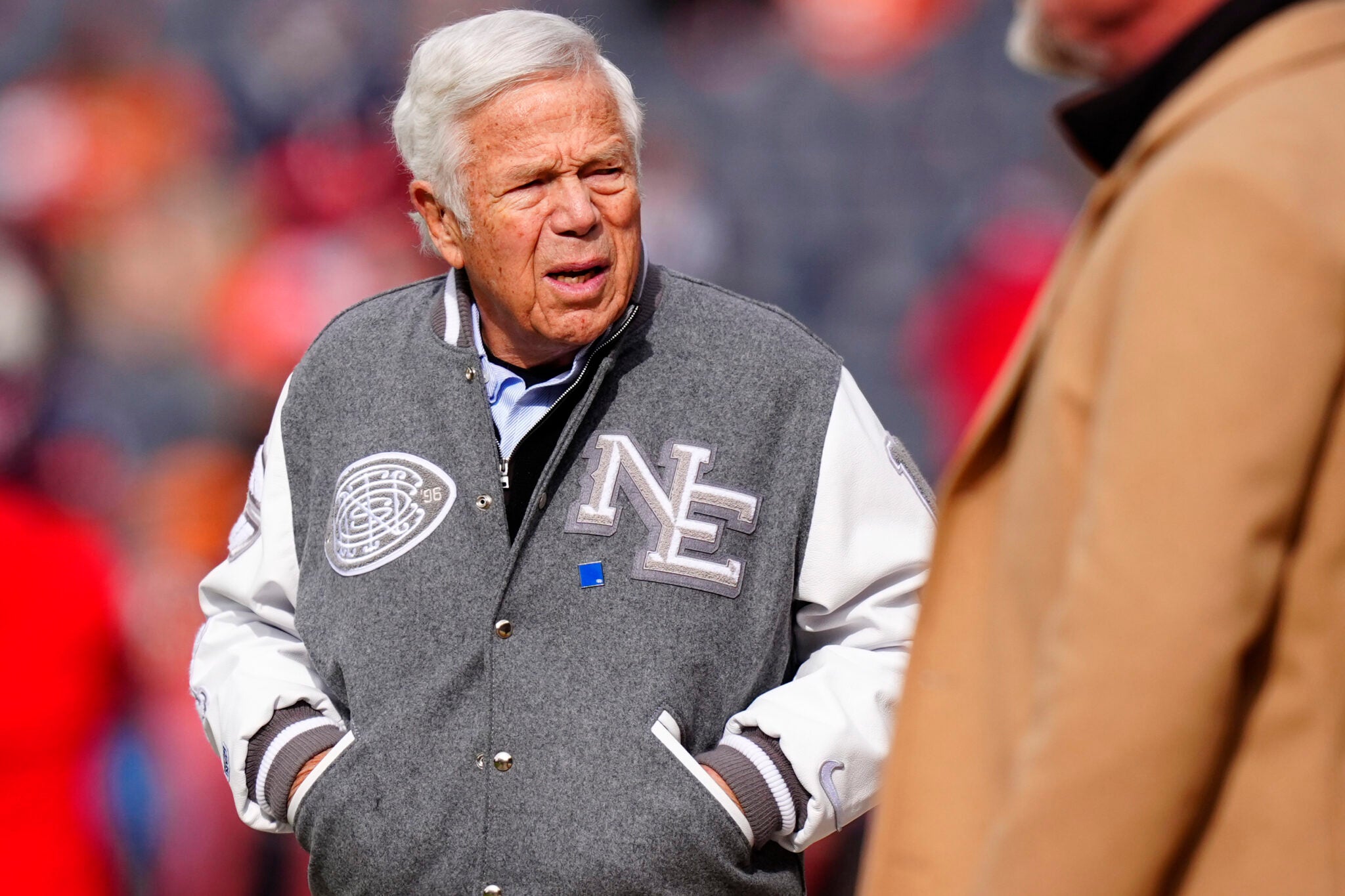
Robert Kraft: The Legacy and Leadership of the New England Patriots Owner
Robert Kraft is the billionaire founder, chairman, and CEO of The Kraft Group and the long-time owner of the NFL’s New England Patriots. Since purchasing the team in 1994, he has transformed the franchise into a multi-billion-dollar gl...
Robert Kraft is the billionaire founder, chairman, and CEO of The Kraft Group and the long-time owner of the NFL’s New England Patriots. Since purchasing the team in 1994, he has transformed the franchise into a multi-billion-dollar global brand, securing six Super Bowl championships and establishing one of the greatest dynasties in professional sports history.
Contents
As of 2026, Robert Kraft remains one of the most influential figures in the National Football League (NFL) and the broader sports world. His tenure is defined not just by the trophies in the display case at Gillette Stadium, but by a revolutionary approach to sports management, media rights, and community philanthropy. Understanding Kraft’s impact requires looking beyond the football field to his strategic business maneuvers and his role in shaping the modern NFL.
The Strategic Acquisition: How Kraft Bought the Patriots
The story of Robert Kraft’s ownership is a masterclass in business leverage and long-term vision. Before he owned the team, Kraft was a season ticket holder who sat in the stands of the old Foxboro Stadium. His path to ownership was not a simple transaction; it was a multi-year chess match.
The Stadium Lease Leverage
In the late 1980s, the New England Patriots were a struggling franchise. Kraft began his move by purchasing the lease to Foxboro Stadium in 1988 out of bankruptcy court. This was a critical tactical move. Because the lease was extremely favorable to the stadium owner and ran through 2001, it effectively prevented then-owner James Orthwein from moving the team to St. Louis.
In 1994, when Orthwein offered Kraft $75 million to buy out the remainder of the lease so he could move the team, Kraft famously refused. Instead, he made an offer to buy the team for $172 million—the highest price ever paid for an NFL franchise at that time. On January 21, 1994, the sale was finalized, ensuring the Patriots would remain in New England.
Early Rebuilding and Cultural Shift
Upon taking ownership, Kraft introduced a corporate culture based on the "Patriot Way." This involved hiring personnel who prioritized team success over individual accolades and a "win-now" mentality supported by long-term financial stability. While the early years saw a Super Bowl appearance under Bill Parcells, the true transformation began with the turn of the millennium.
The Dynasty Era: 2000–2026
The year 2000 marked a pivotal shift in the franchise's history. Robert Kraft made the bold decision to hire Bill Belichick as head coach, a move that required surrendering a first-round draft pick to the New York Jets. Shortly thereafter, the team drafted quarterback Tom Brady in the sixth round of the 2000 NFL Draft.
Six Super Bowl Championships
The partnership between Kraft, Belichick, and Brady resulted in a period of dominance unparalleled in the salary-cap era. Kraft’s role during this time was that of a supportive but demanding owner who provided the resources necessary for success while allowing his football operations team the autonomy to make personnel decisions.
The Patriots secured Super Bowl victories in:
- XXXVI (2001): Defeating the St. Louis Rams.
- XXXVIII (2003): Defeating the Carolina Panthers.
- XXXIX (2004): Defeating the Philadelphia Eagles.
- XLIX (2014): Defeating the Seattle Seahawks.
- LI (2016): Defeating the Atlanta Falcons in a historic comeback.
- LIII (2018): Defeating the Los Angeles Rams.
Evolution and Modern Leadership
By 2026, the Patriots have entered a new era. Following the departures of Tom Brady and later Bill Belichick, Kraft has overseen a massive transition in leadership, installing Jerod Mayo as head coach and restructuring the front office. This transition highlights Kraft’s commitment to internal succession and maintaining the core values of the organization even as the faces of the franchise change.
The Kraft Group: A Diversified Business Empire
While the New England Patriots are the most visible asset, Robert Kraft’s wealth and influence stem from The Kraft Group, a holding company with interests in paper and packaging, real estate, and sports and entertainment.
Real Estate and Patriot Place
One of Kraft’s most significant business achievements was the privately funded construction of Gillette Stadium, which opened in 2002. Unlike many NFL owners who seek public subsidies, Kraft financed the stadium through private means. He further maximized the value of the land by developing Patriot Place, a 1.3 million-square-foot entertainment, retail, and medical center surrounding the stadium. This development turned a seasonal football venue into a year-round revenue stream.
New England Revolution and International Growth
Kraft was a founding investor in Major League Soccer (MLS) and owns the New England Revolution. His belief in the growth of soccer in North America has been a cornerstone of his sports portfolio. Additionally, Kraft has been a leader in the NFL’s international expansion, frequently advocating for and participating in games in London, Germany, and Mexico to grow the global footprint of the Patriots brand.
Economic Impact and Valuation
The financial growth of the New England Patriots under Robert Kraft is staggering. When he purchased the team in 1994 for $172 million, many analysts believed he overpaid. Today, the franchise is valued at several billion dollars, consistently ranking among the most valuable sports entities in the world.
| Metric | 1994 (At Purchase) | 2026 (Estimated) |
|---|---|---|
| Purchase Price/Valuation | $172 Million | $7.5+ Billion |
| Stadium Status | Aging Foxboro Stadium | Modern Gillette Stadium & Patriot Place |
| Super Bowl Titles | 0 | 6 |
| Revenue Stream | Primarily Ticket Sales/Local Media | Diversified Global Brand & Real Estate |
| Ownership Tenure | 0 Years | 32 Years |
Philanthropy and Social Leadership
Robert Kraft has utilized his platform to address significant social issues. His philanthropic efforts are wide-ranging, but in recent years, he has focused heavily on combating hate and promoting social justice.
- Foundation to Combat Antisemitism (FCAS): Kraft founded this organization to tackle the rising tide of antisemitism through powerful media campaigns, such as the "Stand Up to Jewish Hate" initiative.
- The Reform Alliance: Alongside leaders in the music and sports industries, Kraft co-founded this organization to reform the criminal justice system, specifically focusing on probation and parole laws.
- Health and Education: The Kraft family has donated hundreds of millions to Massachusetts General Hospital, Harvard Business School, and various youth education programs across New England.
The Role of Robert Kraft in the NFL Hierarchy
Within the NFL, Robert Kraft is often referred to as the "man who saved football." This title refers to his instrumental role in resolving the 2011 NFL lockout. As a member of the league’s Labor Committee, Kraft worked tirelessly to bridge the gap between owners and players, earning the respect of both sides.
He also serves on several influential league committees, including:
- Management Council Executive Committee: Overseeing labor relations and collective bargaining.
- Media Committee: Negotiating the multi-billion-dollar television and streaming deals that fuel the league's economy.
- Finance Committee: Reviewing team ownership transfers and league-wide financial health.
Frequently Asked Questions
Who will succeed Robert Kraft as owner of the Patriots?
Jonathan Kraft, Robert’s eldest son, is the President of the New England Patriots and The Kraft Group. He has been deeply involved in the team’s operations for decades and is the designated successor. The Kraft family has repeatedly stated their intention to keep the team under family ownership for generations.
How many Super Bowls has Robert Kraft won as an owner?
Under Robert Kraft’s ownership, the New England Patriots have won six Super Bowl championships. The team also appeared in several other Super Bowls (1996, 2007, 2011, and 2017), making Kraft one of the most successful owners in NFL history regarding postseason appearances and victories.
Is Robert Kraft in the Pro Football Hall of Fame?
As of 2026, Robert Kraft has been a frequent finalist for the Pro Football Hall of Fame in the "Contributor" category. While his induction is a subject of ongoing discussion among voters, his impact on the league's growth, labor peace, and the creation of the Patriots dynasty makes him one of the most qualified non-player candidates.
What other sports teams does Robert Kraft own?
In addition to the New England Patriots (NFL), Kraft owns the New England Revolution (MLS) and the Boston Uprising, a professional esports team in the Overwatch League. His involvement in esports demonstrates his commitment to staying at the forefront of emerging sports media trends.
Future Outlook for the Patriots Under Kraft
As we move through 2026, Robert Kraft’s focus remains on returning the Patriots to championship contention. The post-dynasty era has presented challenges, but Kraft’s track record suggests a preference for stability and data-driven decision-making. With significant investments in stadium technology and a rejuvenated coaching staff, the organization is positioned to remain a cornerstone of the New England sporting landscape.
For fans and investors alike, the "Kraft Era" serves as the definitive blueprint for how to build and maintain a successful sports franchise in the modern age. His ability to balance the passion of a fan with the cold efficiency of a businessman remains his greatest strength.
Image Gallery