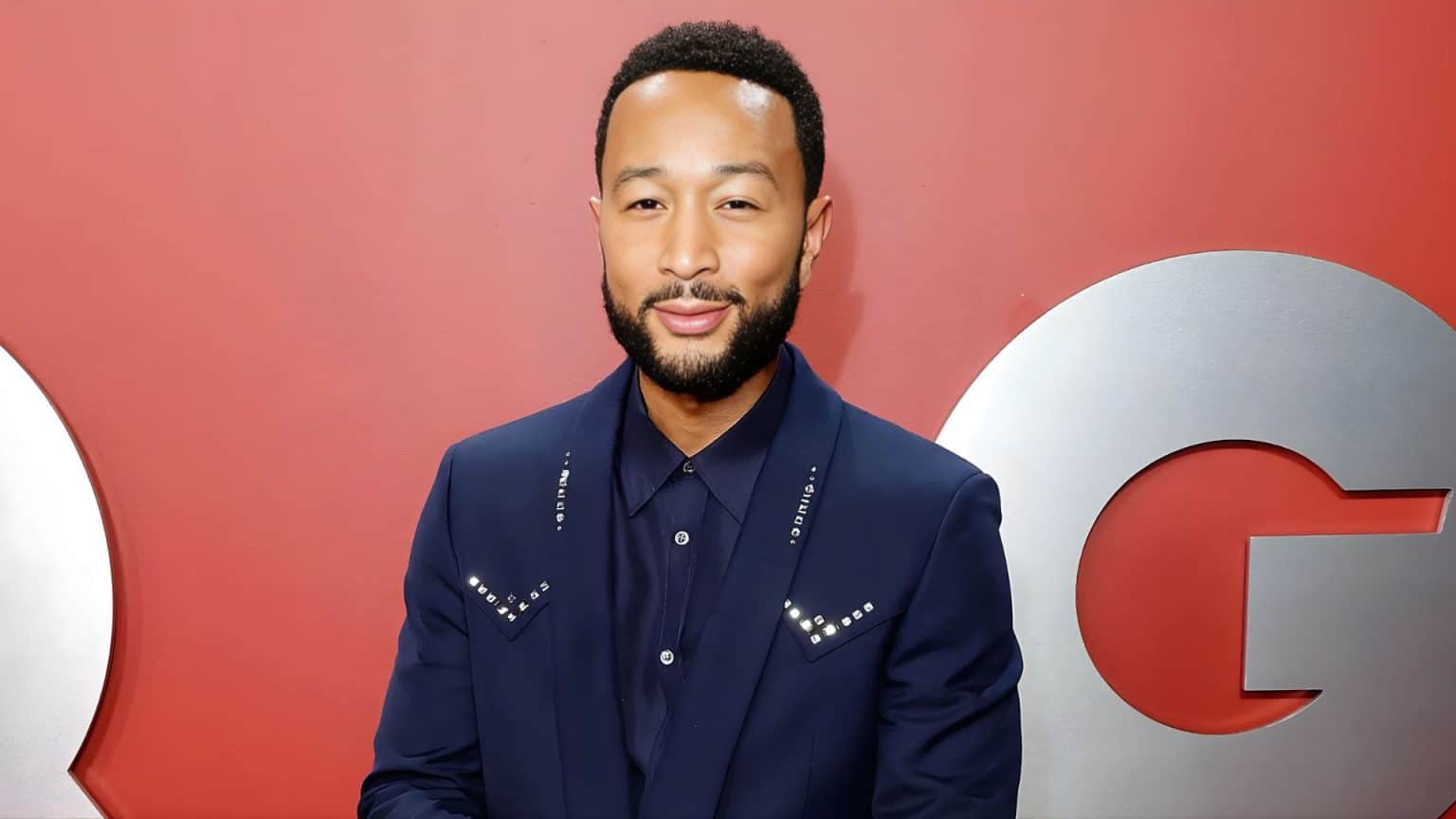
John Fletcher Musician Net Worth Overview: The Legacy of Whodini’s Ecstasy
As of 2026, the estate of John "Ecstasy" Fletcher, the co-founder and vocalist of the seminal hip-hop group Whodini, is estimated to have a net worth of approximately $1.5 million to $2 million. This valuation is primarily derived from...
As of 2026, the estate of John "Ecstasy" Fletcher, the co-founder and vocalist of the seminal hip-hop group Whodini, is estimated to have a net worth of approximately $1.5 million to $2 million. This valuation is primarily derived from long-term music royalties, licensing agreements for film and television, and the sustained commercial relevance of Whodini’s classic 1980s discography.
Contents
John Fletcher, known globally by his stage name "Ecstasy," was a pivotal figure in the transition of hip-hop from a regional New York phenomenon to a global commercial powerhouse. While his passing in December 2020 at the age of 56 marked a somber moment for the music industry, his financial legacy continues through the management of his intellectual property and the ongoing consumption of Whodini’s music across digital streaming platforms.
Disambiguation: The Musicians Named John Fletcher
When discussing the net worth and career of a musician named John Fletcher, it is essential to distinguish between two prominent figures who have left significant marks on music history:
- John "Ecstasy" Fletcher (1964–2020): The primary subject of this overview, he was a member of the Brooklyn-based hip-hop trio Whodini. He is best known for his smooth delivery and his signature Zorro-style hat.
- John Fletcher (1941–1987): A world-renowned British tuba player who performed with the London Symphony Orchestra and the Philip Jones Brass Ensemble. While highly respected in classical circles, his financial overview is typically categorized under historical orchestral salaries rather than modern entertainment estate valuations.
For the purposes of this 2026 overview, the focus remains on the hip-hop pioneer whose estate remains an active entity in the contemporary music business landscape.
The Foundation of Wealth: Whodini’s Commercial Peak
The primary driver of John Fletcher’s net worth was the unprecedented commercial success Whodini achieved during the mid-1980s. Unlike many of their contemporaries, Whodini focused on a polished, R&B-infused sound that appealed to both urban and pop audiences. This strategy resulted in significant record sales during an era when physical media (vinyl and cassettes) provided higher profit margins for artists than modern streaming.
The Platinum Success of "Escape"
In 1984, Whodini released their second studio album, Escape. This project became a cornerstone of hip-hop history, featuring hits like "Friends," "Five Minutes of Funk," and "The Freaks Come Out at Night." Escape was one of the first hip-hop albums to be certified Platinum by the RIAA, signifying over one million copies sold. For Fletcher, this achievement established a baseline of wealth through recording advances and performance royalties.
Touring and the Fresh Fest Era
During the 1980s, Fletcher and his group members, Jalil Hutchins and Drew "Grandmaster Dee" Carter, were staples of the "Fresh Fest" tours. These were the first large-scale, multi-city hip-hop arena tours. Participation in these tours allowed Fletcher to amass significant liquid assets. At their peak, Whodini was one of the highest-earning acts in the genre, commanding substantial appearance fees that outpaced the standard club circuits of the time.
Revenue Streams and Intellectual Property in 2026
The net worth of a legacy artist in 2026 is rarely about active income; instead, it is built on the "long tail" of intellectual property. Fletcher’s estate continues to benefit from several distinct revenue streams that have stabilized the valuation of his musical assets.
Streaming Dividends and Digital Royalties
While the per-stream payout on platforms like Spotify and Apple Music remains low, the sheer volume of Whodini’s catalog consumption provides a steady flow of income. "Friends" remains one of the most streamed tracks from the "Golden Era" of hip-hop. In 2026, legacy acts like Whodini see a "streaming premium" as older audiences transition fully to digital platforms and younger generations discover classic tracks through curated playlists.
Sync Licensing and Media Integration
Sync licensing—the use of music in movies, television shows, video games, and advertisements—is perhaps the most lucrative part of the Fletcher estate today. Whodini’s music captures the aesthetic of the 1980s perfectly, making their tracks high-demand assets for period-piece media. Whenever a track like "The Freaks Come Out at Night" is used in a blockbuster film or a streaming series, the estate receives a licensing fee and a share of performance royalties.
Sampling and Derivative Works
John Fletcher’s vocals and Whodini’s beats have been sampled by hundreds of artists, ranging from Dr. Dre to Kanye West and MF DOOM. In the modern music economy, these samples are rarely "cleared" for free. The estate maintains stakes in newer compositions that utilize Fletcher’s original work, ensuring that his financial influence extends into modern pop and hip-hop charts.
Comparative Financial Standing
To understand the scale of John Fletcher's net worth, it is helpful to compare the commercial performance of Whodini against other pioneering groups of the 1980s.
| Artist/Group | Key Achievement | RIAA Certifications (Peak Era) | Estimated Estate/Net Worth (2026) |
|---|---|---|---|
| Whodini (John Fletcher) | First hip-hop "Escape" Platinum | 1 Platinum, 1 Gold | $1.5M - $2M |
| Run-D.M.C. | First Multi-Platinum album | 1 Multi-Platinum, 2 Gold | $10M+ (Active Brand) |
| The Fat Boys | Comedic Hip-Hop Pioneers | 1 Platinum, 2 Gold | $500K - $1M (Varies by member) |
| Grandmaster Flash | DJ/Producer Pioneer | 1 Gold Single | $500K - $1.5M |
Note: Net worth estimates for legacy artists are subject to estate tax filings and private contract details; figures represent market valuations of known assets.
Challenges to Legacy Wealth Management
While the $1.5M to $2M figure represents a successful career, it is important to analyze why it isn't higher, given Whodini’s massive influence. The music industry of the 1980s was notorious for predatory contracts.
Ownership of Master Recordings
Like many artists signed to Jive Records or the Zomba Group in the early 80s, Fletcher and his bandmates did not initially own their master recordings. This meant that while they earned royalties on sales, the lion's share of profits from the actual "tapes" went to the record label. In 2026, the value of the estate is heavily tied to how much of the "publishing" (the underlying song composition) Fletcher owned versus the "masters" (the actual audio recording).
The "Ecstasy" Brand and Merchandising
John Fletcher was a visual icon. His trademark leather hats and sophisticated stage presence created a brand that was ripe for merchandising. However, during the 1980s, merchandising infrastructure for hip-hop was not as developed as it is for modern artists like Travis Scott or Drake. Most of the potential "brand wealth" was lost to bootleg manufacturers or never fully capitalized upon through official retail channels during his lifetime.
Historical Impact on Modern Artist Compensation
John Fletcher’s financial journey is often cited by music business historians as a cautionary and foundational tale. Whodini’s ability to sell out arenas proved that hip-hop was a viable commercial product, which eventually led to the massive contracts seen in the 1990s and 2000s.
Modern artists often use the "Whodini model" of blending genres to maximize their "Total Addressable Market" (TAM). Fletcher’s estate management in 2026 serves as a blueprint for how families of deceased artists can utilize "Legacy SEO" and digital catalog management to ensure that the artist’s work continues to provide for future generations.
Frequently Asked Questions
Who inherited John Fletcher’s estate?
Upon his passing in 2020, John Fletcher’s estate was managed by his immediate family, including his wife and children. They oversee the licensing of his image and the collection of royalties generated by Whodini’s music.
Did John Fletcher have any solo business ventures?
While primarily known for Whodini, Fletcher was involved in various mentorship programs and industry consulting roles later in his life. These ventures contributed to his financial stability but were secondary to his music-related income.
How much does the estate earn from "Friends" annually?
While exact figures are private, "Friends" is one of the most "synchronized" songs in hip-hop history. Between streaming and licensing for TV/Film, the track likely generates high five-figure to low six-figure sums annually for the collective rights holders, of which Fletcher’s estate receives a contractually determined portion.
Did the 50th Anniversary of Hip-Hop impact his net worth?
Yes. The 2023 celebrations of Hip-Hop's 50th anniversary led to a significant spike in interest for "Golden Era" artists. This resulted in new documentary appearances (using archived footage), tribute performances, and a general increase in catalog streaming, which bolstered the estate’s valuation heading into 2026.
Is there a difference between his net worth and Whodini’s total earnings?
Yes. Net worth refers to an individual's total assets minus liabilities. Whodini as a group earned tens of millions in gross revenue over the decades, but that money was split between three members, management, record labels, and taxes. Fletcher’s net worth reflects his personal share and subsequent investments.
Final Recommendation for Researchers
When evaluating the net worth of legacy musicians like John Fletcher, it is vital to look beyond "celebrity net worth" websites, which often use outdated or speculative data. Focus on RIAA certification history, publishing credits via ASCAP or BMI, and documented sync licensing in major media. For those looking to support the legacy of John Fletcher, engaging with official streaming channels and authorized merchandise is the most direct way to contribute to the preservation of his estate and musical history.
Image Gallery