Understanding Macmillan Life Insurance for Consumers
Macmillan life insurance primarily refers to the financial guidance and specialized insurance support provided by Macmillan Cancer Support, rather than a standalone insurance carrier named Macmillan. In 2026, this distinction is vital...
Macmillan life insurance primarily refers to the financial guidance and specialized insurance support provided by Macmillan Cancer Support, rather than a standalone insurance carrier named Macmillan. In 2026, this distinction is vital for consumers seeking coverage while living with cancer or looking for policies that contribute to cancer research and patient care through charitable partnerships.
Contents
Navigating the insurance landscape when health is a primary concern can be daunting. Macmillan Cancer Support does not issue insurance policies directly; instead, they act as a bridge, providing expert financial guidance and partnering with established insurers to ensure that people affected by cancer can access fair, transparent, and affordable coverage. This guide explores how consumers can leverage Macmillan’s resources to secure life insurance, the technicalities of underwriting with a cancer diagnosis, and what to expect from the market in 2026.
The Role of Macmillan Cancer Support in the Insurance Market
As we move through 2026, the intersection of charitable support and financial services has become more integrated. Macmillan Cancer Support has long recognized that a cancer diagnosis creates a "double whammy" of increased costs and decreased income. Life insurance is a critical component of financial stability, yet many consumers believe that a history of cancer makes them uninsurable.
Macmillan addresses this through their Financial Guidance Service. This service employs specialists who understand the nuances of the UK and international insurance markets. They help consumers understand their rights under the Equality Act (or relevant regional legislation) and guide them toward "specialist risk" insurers. These are companies that look beyond a generic diagnosis to the specific pathology, treatment success, and recovery duration of the individual.
Furthermore, Macmillan often enters into corporate partnerships with major insurers. These partnerships sometimes result in "Macmillan-branded" or "Macmillan-endorsed" products where a portion of the premium is donated to the charity, or where the insurer adopts specific "Macmillan-standard" claims processes to support terminally ill policyholders.
Types of Life Insurance Available to Consumers
When seeking Macmillan-related life insurance guidance, consumers generally encounter three primary paths. Understanding these is essential for selecting a policy that aligns with both financial goals and health status.
1. Level Term Life Insurance
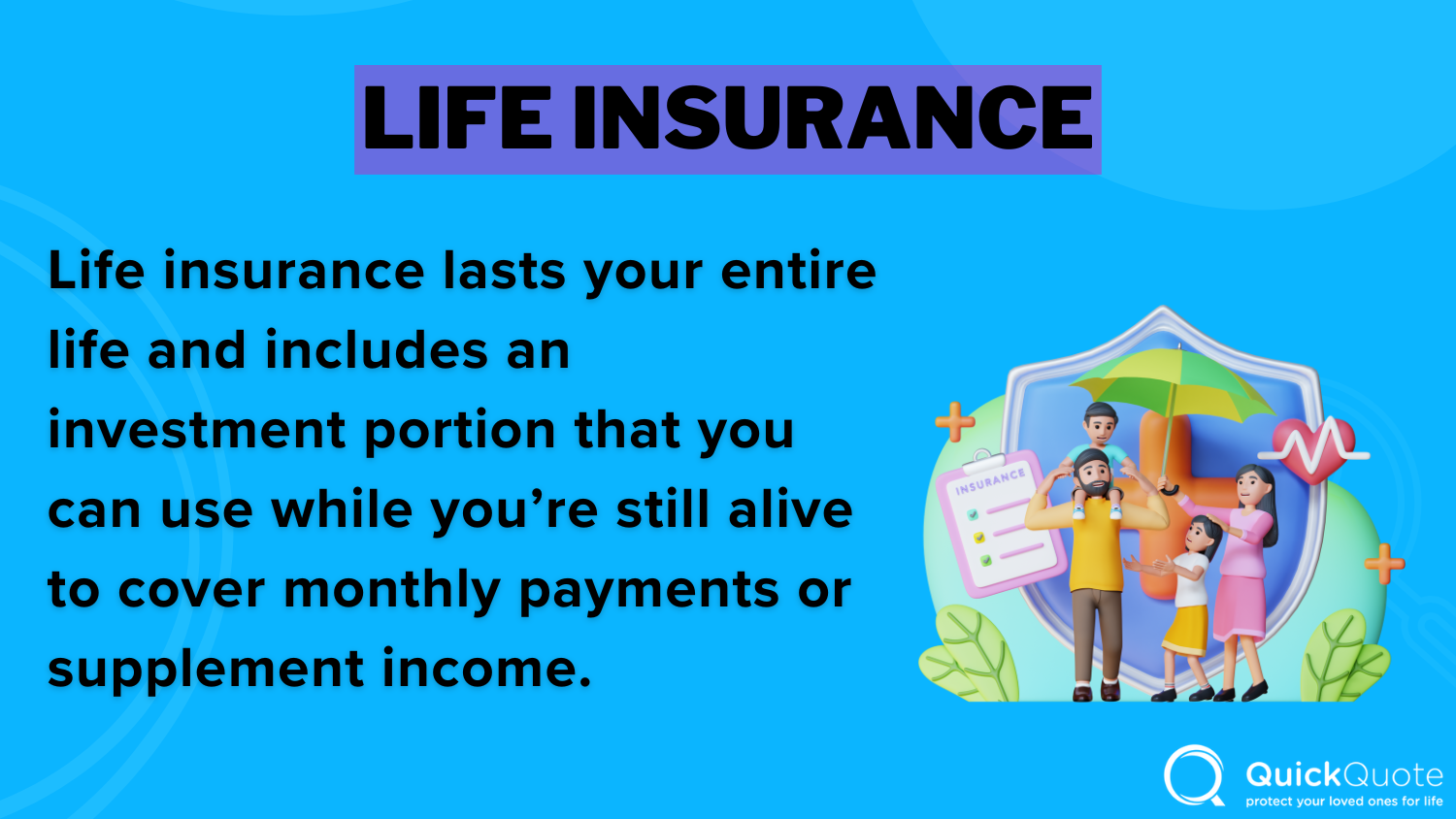
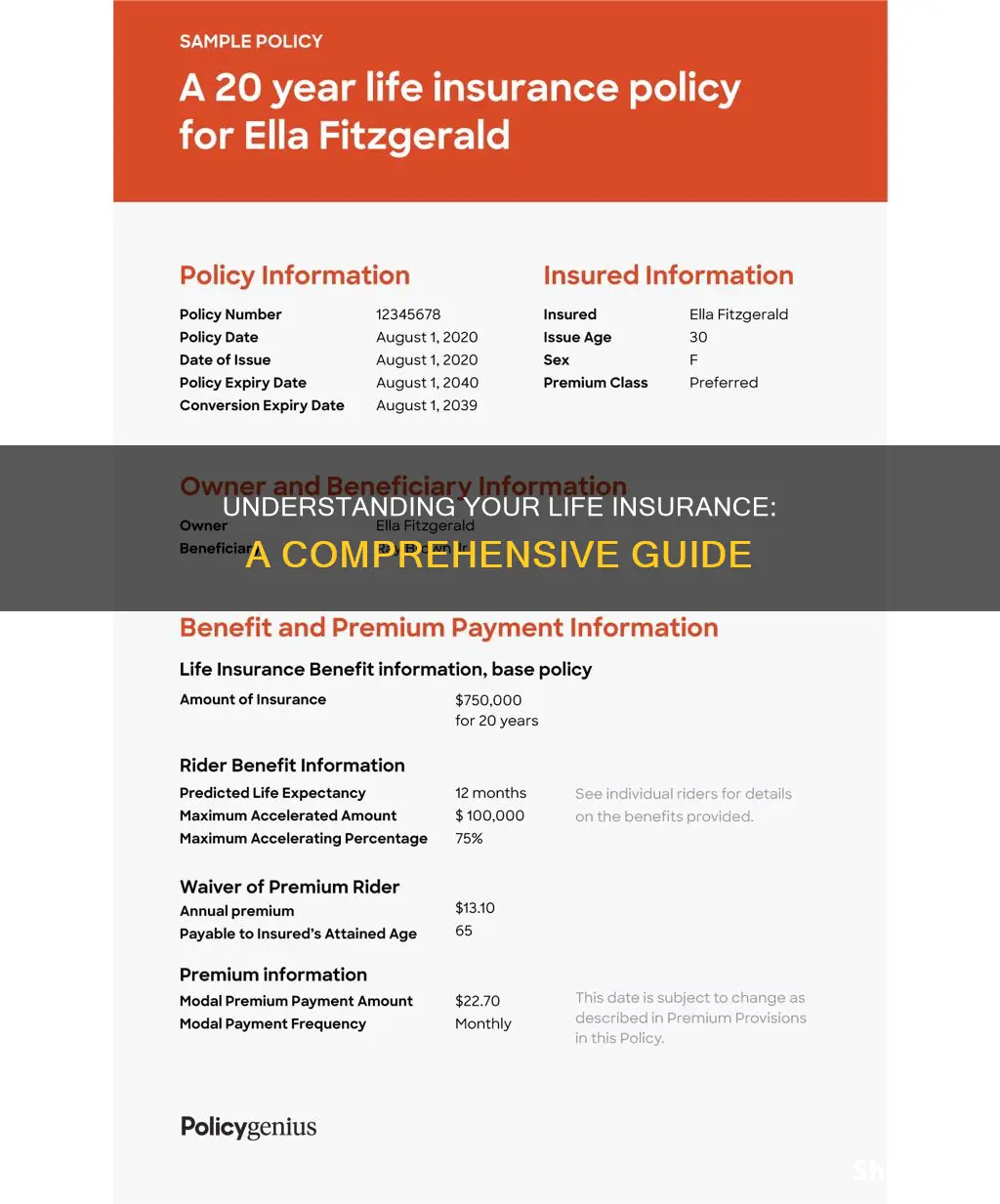
This is the most common form of coverage. It pays out a fixed lump sum if the policyholder passes away within a specific timeframe (the term). For cancer survivors, securing level term insurance often requires a "waiting period"—typically two to five years post-treatment—before a standard insurer will offer terms. Macmillan’s guidance helps consumers identify which insurers are currently most "cancer-friendly" based on recent clinical data.
2. Decreasing Term Life Insurance
Often used to cover mortgages, the payout amount decreases over time in line with a repayment mortgage balance. Because the risk to the insurer reduces as the potential payout shrinks, this can sometimes be easier or slightly cheaper to secure for individuals with a history of illness, provided they have been in remission for a sufficient period.
3. Guaranteed Over 50s Plans
These plans are significant in the Macmillan consumer ecosystem because they do not require a medical exam or health questions. In 2026, these remain a vital "safety net" for those who have recently been diagnosed or are currently undergoing treatment and cannot qualify for underwritten products. However, they usually feature a "waiting period" (often 12 to 24 months) during which they only return premiums if the death is from natural causes.
4. Relevant Life Insurance
For small business owners or directors, Macmillan provides guidance on Relevant Life Insurance. This is a tax-efficient way for a company to provide life cover for an employee. In many cases, the underwriting for these policies can be more flexible than individual retail policies.
The Underwriting Process for Cancer Survivors in 2026
Underwriting is the process by which an insurance company evaluates the risk of insuring a person. When a consumer applies for life insurance with a history of cancer, the insurer will look at several technical data points. Macmillan’s specialists often advise consumers to have this information ready before beginning an application.
- The Stage and Grade: "Stage" refers to the size and spread of the cancer, while "Grade" refers to how aggressive the cells look under a microscope. A Stage 1, low-grade diagnosis is viewed much more favorably than a higher stage.
- Time Since Last Treatment: Insurers use a "time-on-risk" calculation. The longer the period of remission, the lower the "loading" (the extra cost added to the premium).
- Type of Treatment: Surgery alone is often viewed as lower risk than a combination of surgery, chemotherapy, and radiotherapy.
- Follow-up Status: Being under active surveillance or "all clear" status is a mandatory requirement for most standard underwritten policies.
In 2026, the use of "Precision Underwriting" has increased. This involves insurers using more granular medical data to offer better rates to survivors of specific cancers that have high long-term survival rates, such as certain types of localized breast or prostate cancer.
Comparison of Insurance Options for Consumers
The following table outlines the differences between standard market products and the specialized routes Macmillan guidance often highlights.
| Policy Type | Medical Underwriting | Suitable For | Key Advantage |
|---|---|---|---|
| Standard Term Life | Full (Medical records required) | Survivors in long-term remission (5+ years) | Lowest premiums and highest coverage amounts. |
| Specialist Risk Policy | Targeted (Focus on specific condition) | Recent survivors or those with complex histories | Access to cover when high-street banks say "no." |
| Guaranteed Over 50s | None (No health questions) | Current patients or those 50-85 years old | Guaranteed acceptance regardless of health. |
| Critical Illness Cover | Stringent (Often excludes cancer history) | Those seeking a payout upon diagnosis of new conditions | Financial buffer for non-life-threatening illness. |
How to Access Macmillan Financial Guidance
Consumers looking for help with life insurance should follow a structured approach to ensure they receive the best support.
- Contact the Macmillan Support Line: The primary point of entry is the national support line. Consumers should specifically ask to speak with a Financial Guide.
- Prepare Medical Documentation: Before the call, gather details of the diagnosis date, treatment end date, and the names of medications or surgeries.
- The Initial Assessment: The Macmillan guide will review the consumer's current financial situation, including existing policies that might have "Waiver of Premium" or "Terminal Illness" benefits that the consumer isn't aware of.
- Referral to Specialist Brokers: Macmillan often works with a panel of authorized insurance brokers who specialize in "impaired lives" (the industry term for those with health conditions). These brokers have access to niche markets not available on price comparison websites.
- Review and Application: The consumer then works with the broker to compare quotes. It is essential to ensure that the "Disclosure" is 100% accurate to prevent claims from being denied in the future.
Common Challenges and How to Overcome Them
Even with Macmillan’s support, consumers face hurdles. The most common is the "Postponement." This happens when an insurer agrees to provide cover but only after a certain amount of time has passed (e.g., "We will reconsider your application in 12 months").
Another challenge is the "Exclusion." An insurer might offer life insurance but refuse to include Critical Illness Cover or might exclude any future claims related to the original cancer diagnosis. Macmillan guides help consumers weigh whether a policy with an exclusion is still worth the investment for other risks (like heart disease or accidental death).
Premium Loadings are also a significant factor. A survivor might find that their premium is 50% to 200% higher than a person without a cancer history. Macmillan can provide advice on how to structure the policy—perhaps reducing the term or the sum assured—to make the monthly cost manageable.
Legal and Ethical Considerations
In 2026, consumers are protected by evolving regulations regarding how genetic data and medical histories are used. It is a legal requirement for insurers to base their decisions on "actuarial or statistical data that is from a reliable source" and is "relevant to the assessment of the risk."
If a consumer feels they have been unfairly denied coverage or quoted an extortionate rate, Macmillan can assist in filing a grievance or referring the case to the Financial Ombudsman Service. Transparency is a major theme in 2026, and insurers are increasingly required to explain the specific reasons for a rating or rejection.
Note: The information provided here is for educational purposes and does not constitute professional financial or legal advice. Consumers should consult with a qualified financial advisor before making significant insurance decisions.
Frequently Asked Questions
Does Macmillan Cancer Support sell its own life insurance?
No, Macmillan Cancer Support is a registered charity and not an insurance provider. They provide expert financial guidance, advocacy, and partnerships with commercial insurers to help consumers find appropriate coverage. They do not underwrite policies or pay out insurance claims themselves.
Can I get life insurance if I currently have cancer?
It is very difficult to obtain a new "underwritten" life insurance policy while undergoing active treatment. However, consumers can often access Guaranteed Over 50s plans, which do not ask medical questions. Additionally, Macmillan can help check if you have existing employer-sponsored "Death in Service" benefits that remain active.
Will my premiums be higher because of a cancer history?
Generally, yes. Insurers apply a "loading" to the premium based on the perceived risk. However, as medical treatments improve, the industry is increasingly reducing these loadings. By 2026, many survivors of localized, early-stage cancers are finding they can secure life insurance at "standard rates" (the same price as a healthy person) after a shorter period of remission.
What is the "Terminal Illness Benefit" in a life insurance policy?
Most term life insurance policies include a Terminal Illness Benefit. This allows the policy to pay out the full sum assured before death if the policyholder is diagnosed with a terminal illness and expected to live less than 12 months. Macmillan's financial guides often help patients navigate the process of triggering this claim to help with end-of-life costs.
Can Macmillan help me if my insurance claim was denied?
Macmillan provides guidance on the appeals process. If a claim was denied due to "non-disclosure" (forgetting to mention a medical detail), they can help you understand if the omission was "innocent" or "deliberate" under the Consumer Insurance (Disclosure and Representations) Act. They can also guide you on how to escalate the matter to the Financial Ombudsman.
Summary of Next Actions for Consumers
If you are looking for life insurance and have been affected by cancer, do not assume you are uninsurable. Your first step should be to visit the Macmillan Cancer Support official website and access their "Financial Guidance" section. Schedule a call with a specialist who can review your specific medical timeline. Avoid using standard price comparison websites as your only source, as these algorithms are often not sophisticated enough to handle cancer histories accurately. Instead, work with a specialist broker recommended by Macmillan to find a policy that recognizes your specific health status and provides the long-term security your family needs.
Image Gallery