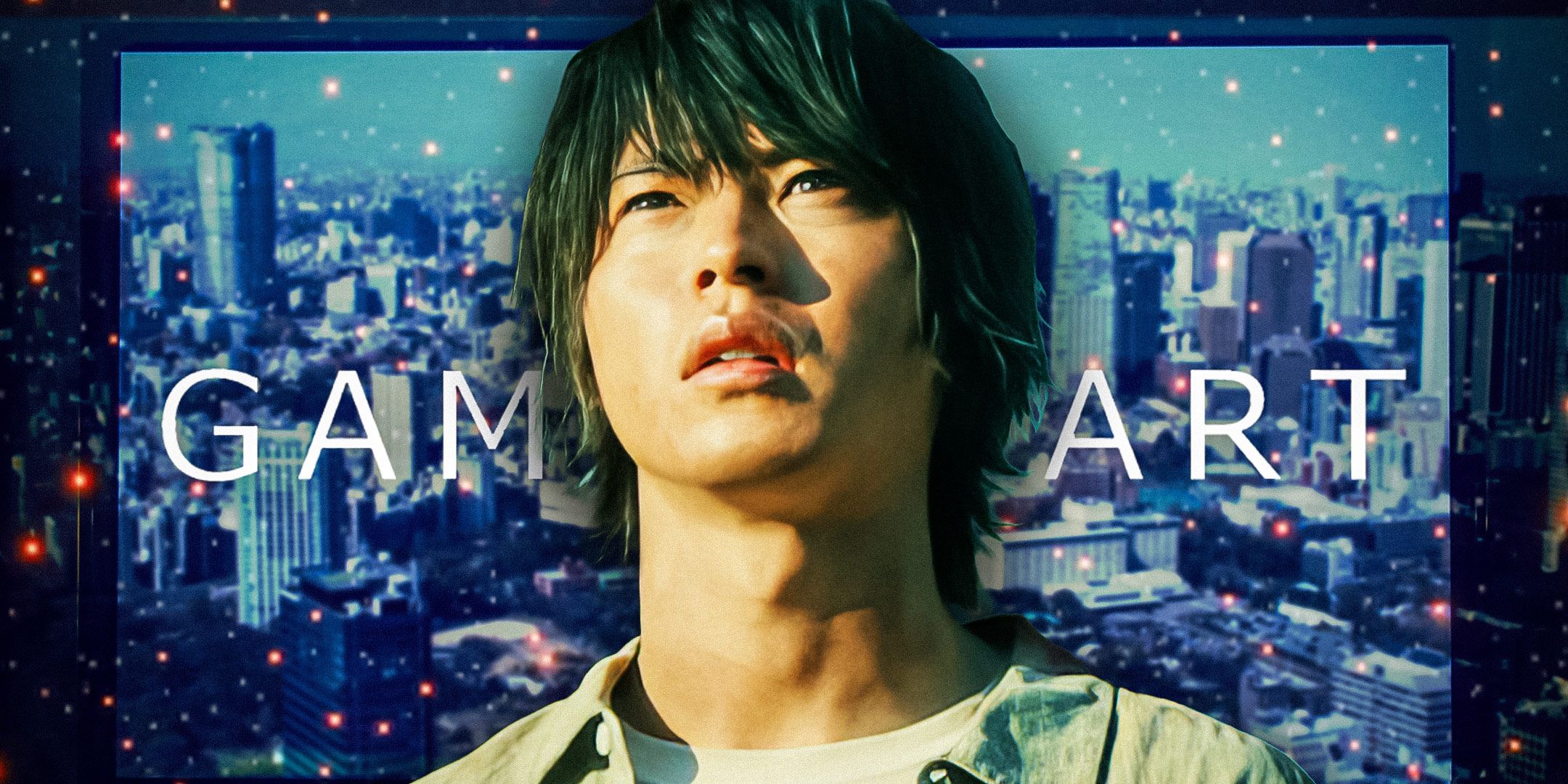
Alice in Borderland Season 3: Arisu's Journey, Major Narrative Changes, and Fan Controversies
Netflix’s official renewal of Alice in Borderland for Season 3 marks a pivotal shift for the hit Japanese sci-fi survival drama. Because Season 2 completely adapted the main source material by manga creator Haro Aso, Season 3 introduce...
Netflix’s official renewal of Alice in Borderland for Season 3 marks a pivotal shift for the hit Japanese sci-fi survival drama. Because Season 2 completely adapted the main source material by manga creator Haro Aso, Season 3 introduces major original story changes, new creative directions for protagonist Ryohei Arisu, and intense canon debates among fans.
Contents
Background: How Season 2 Exhausted the Original Manga Canon
To understand the changes and controversies surrounding Season 3, one must look at where the story left off. Alice in Borderland (titled Imawa no Kuni no Arisu in Japanese) is based on Haro Aso's 18-volume manga series published between 2010 and 2016.
Seasons 1 and 2 covered the entirety of the primary manga run:
- Season 1 covered the initial entry into the Borderland, the discovery of the Beach, and the collection of the number cards up through the Jack of Hearts and Ten of Hearts games.
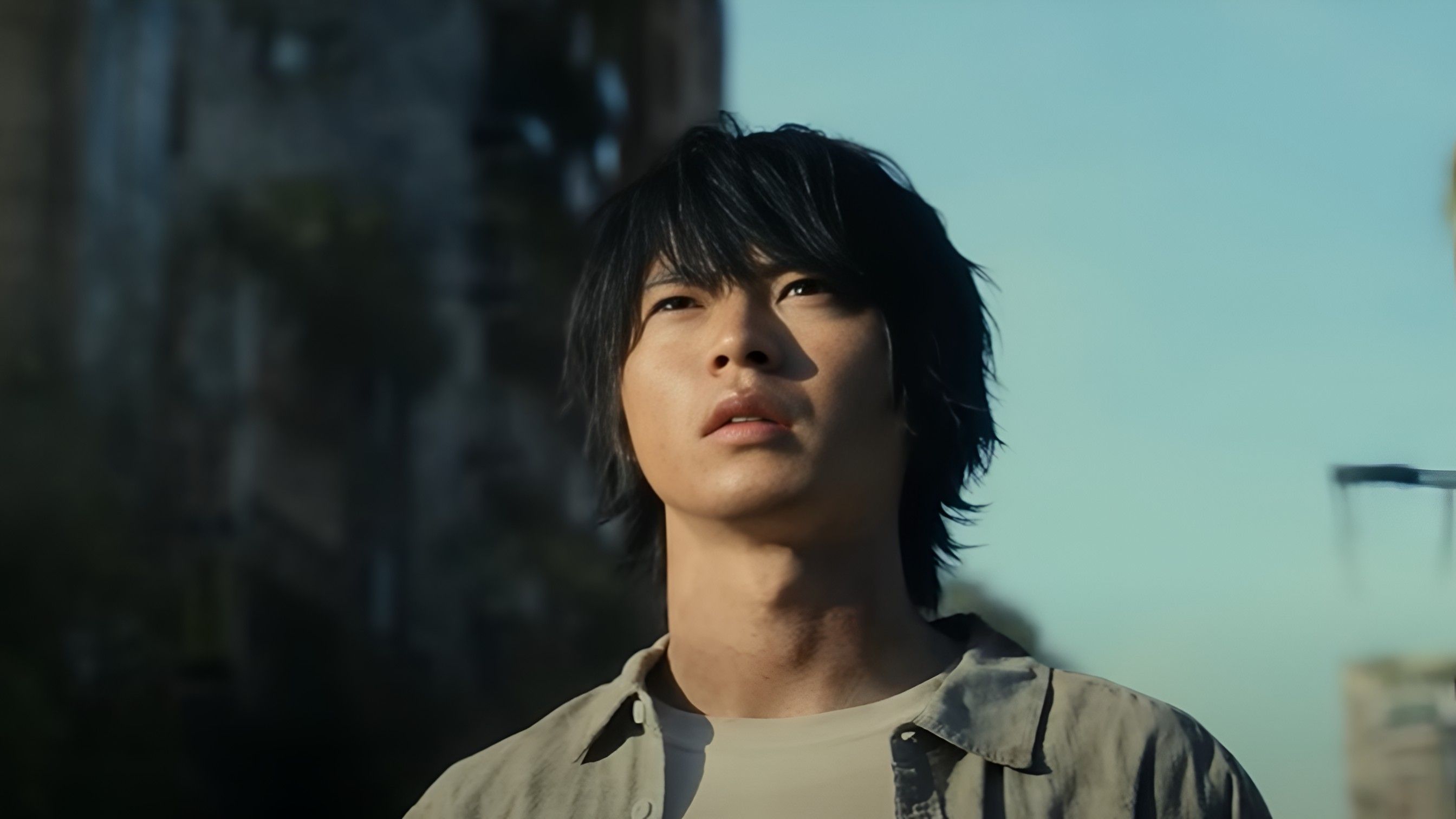
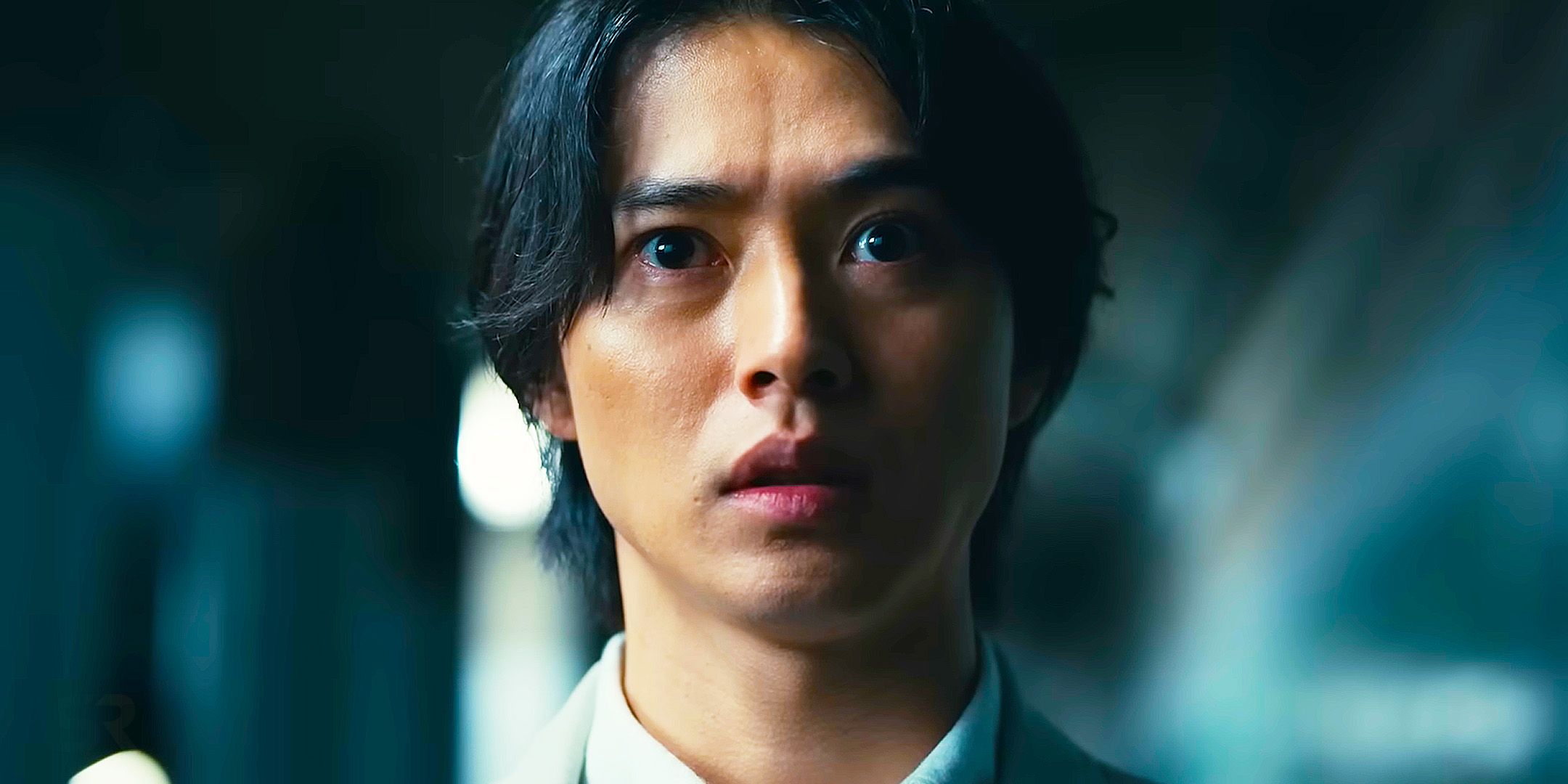
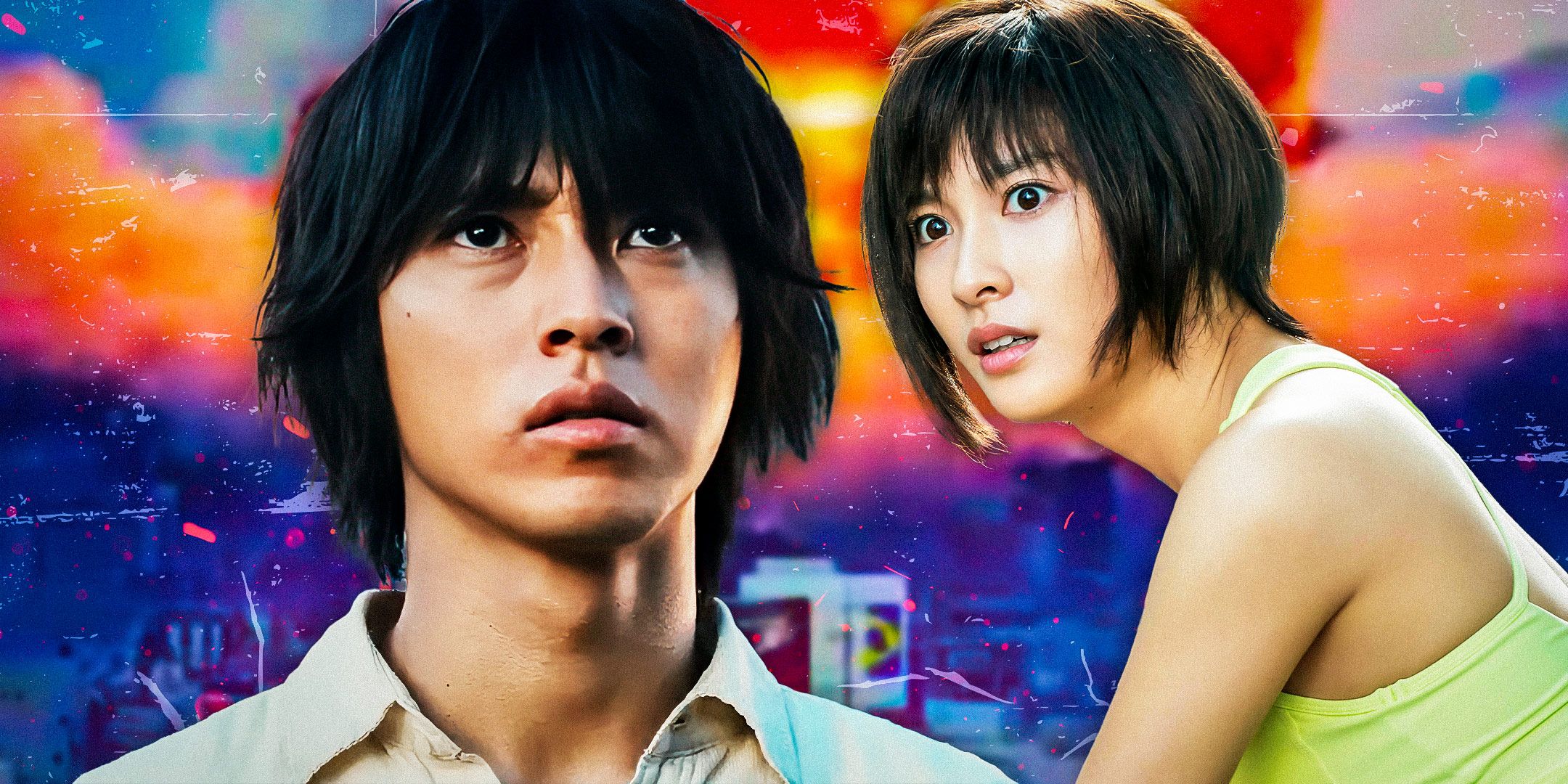
- Season 2 tackled the Face Card games (King of Spades, Queen of Hearts, etc.), culminating in Arisu (played by Kento Yamazaki) and Usagi (played by Tao Tsuchiya) defeating Mira Kano in the final croquet match.
The climax of Season 2 aligned precisely with the ending of the original manga. It was revealed that the Borderland was a liminal realm between life and death—a collective subconscious experience shared by victims of a devastating meteorite strike in Tokyo. Those who refused permanent residency in the Borderland woke up in hospital beds in the real world with no conscious memories of the games or the bonds they forged, though lingering emotional subconscious connections remained.
The final shot of Season 2 teased a lingering Joker card on a hospital courtyard table. This departure created an ambiguous bridge: in the manga, the Joker is not a super-boss or a final game master, but an enigmatic, neutral entity representing the "Ferryman" who escorts souls back to the real world or into death. By highlighting the Joker as a dramatic cliffhanger, Netflix set the stage for an uncharted third season.
Key Changes in Season 3: Plot Directions and Character Evolution for Arisu
Because the original main narrative has concluded, Season 3 requires fundamental structural changes. Scriptwriters and showrunners must create fresh conflict while preserving the psychological depth that defined Haro Aso's work.
Transitioning Beyond Haro Aso’s Core Manga
The primary change in Season 3 is the reliance on original storylines or heavily expanded side materials. While Haro Aso remains involved as a consultant and overseer to maintain thematic consistency, the television writing team must design brand-new games, psychological trials, and narrative arcs.
In the primary manga, once Arisu wakes up in the real world, his journey through the Borderland is complete. Continuing his story in live-action requires either pulling him back into the liminal space or exploring the psychological aftermath of the traumatic event in ways the original manga never attempted.
The Challenge of Adapting 'Alice in Borderland Retry'
Haro Aso wrote a brief sequel manga titled Alice in Borderland Retry in 2020. Set several years after the main events, a now-adult Arisu—working as a clinical psychologist and expecting his first child with Usagi—is involved in a freak accident and briefly returned to the Borderland for a single Nine of Hearts game (Alien Earth).
While Retry provides canonical material for Arisu's return, it presents structural challenges for an entire 8-episode television season:
- Scope and Length: Retry consists of only two manga volumes and focuses almost entirely on a single game.
- Character Roster: The spin-off features a completely new supporting cast of players alongside Arisu, omitting fan-favorite survivors like Chishiya, Kuina, or Niragi.
- Narrative Weight: A simple 1:1 adaptation of Retry would lack the ensemble dynamic and multi-layered subplots that drove Seasons 1 and 2. Consequently, Season 3 must synthesize elements of Retry, introduce original subplot threads, or adapt elements from the Alice on Borderroad spin-off.
Re-opening Arisu’s Character Arc
A critical narrative change involves Arisu’s emotional trajectory. By the end of Season 2, Arisu's arc achieved emotional closure: he overcame the overwhelming guilt of losing his friends Karube and Chota, found a desire to live, and formed a deep romantic bond with Usagi.
Re-entering the Borderland risks undoing this hard-won psychological growth. The creative team must find a narrative justification for forcing Arisu back into high-stakes survival games without trivializing his previous resolution.
Core Controversies Surrounding Season 3
The announcement of Season 3 without direct source material has generated debate across the series' global fan base and manga community.
| Aspect | Core Point of Controversy |
|---|---|
| Source Material Continuity | Moving beyond Haro Aso's 18-volume core run |
| The Joker Card Role | Reinterpreting the neutral Ferryman as a game |
| Arisu's Character Resolution | Risk of invalidating Season 2 emotional arc |
| Game Mechanics & Ingenuity | Original showrunner games vs. manga logic |
Departure from Source Material and Original Game Design
The most prominent controversy stems from the potential loss of canonical integrity. Haro Aso's games were praised for their mathematical precision, psychological realism, and philosophical dilemmas.
When television adaptations move past their source material, fans often worry about a decline in writing quality. Designing games that match the complexity of the Jack of Hearts (Solitary Confinement) or King of Diamonds (Balance Scale) requires exceptional game-logic design. Original games created solely for television risk prioritizing cinematic spectacle over strategic depth.
Re-evaluating the Season 2 Resolution and Joker Teaser
In manga lore, the Joker card symbolizes the transition between life and death—the metaphysical conductor who carries souls across the river. It is not an adversary.
However, Netflix’s visual emphasis on the Joker card at the end of Season 2 led mainstream viewers to expect a "final boss" or an underlying conspiracy behind the Borderland. Manga purists argue that framing the Joker as an antagonist or setting up a "Stage 3" distorts the philosophical core of Aso's work, which treated the Borderland as a natural metaphysical state rather than an evil simulation created by a villain.
Pacing and Character Ensemble Dilemmas
Another debate centers on cast return and character ensemble dynamics. Season 2 ended with the surviving players distributed across various Tokyo hospitals, remembering nothing about each other.
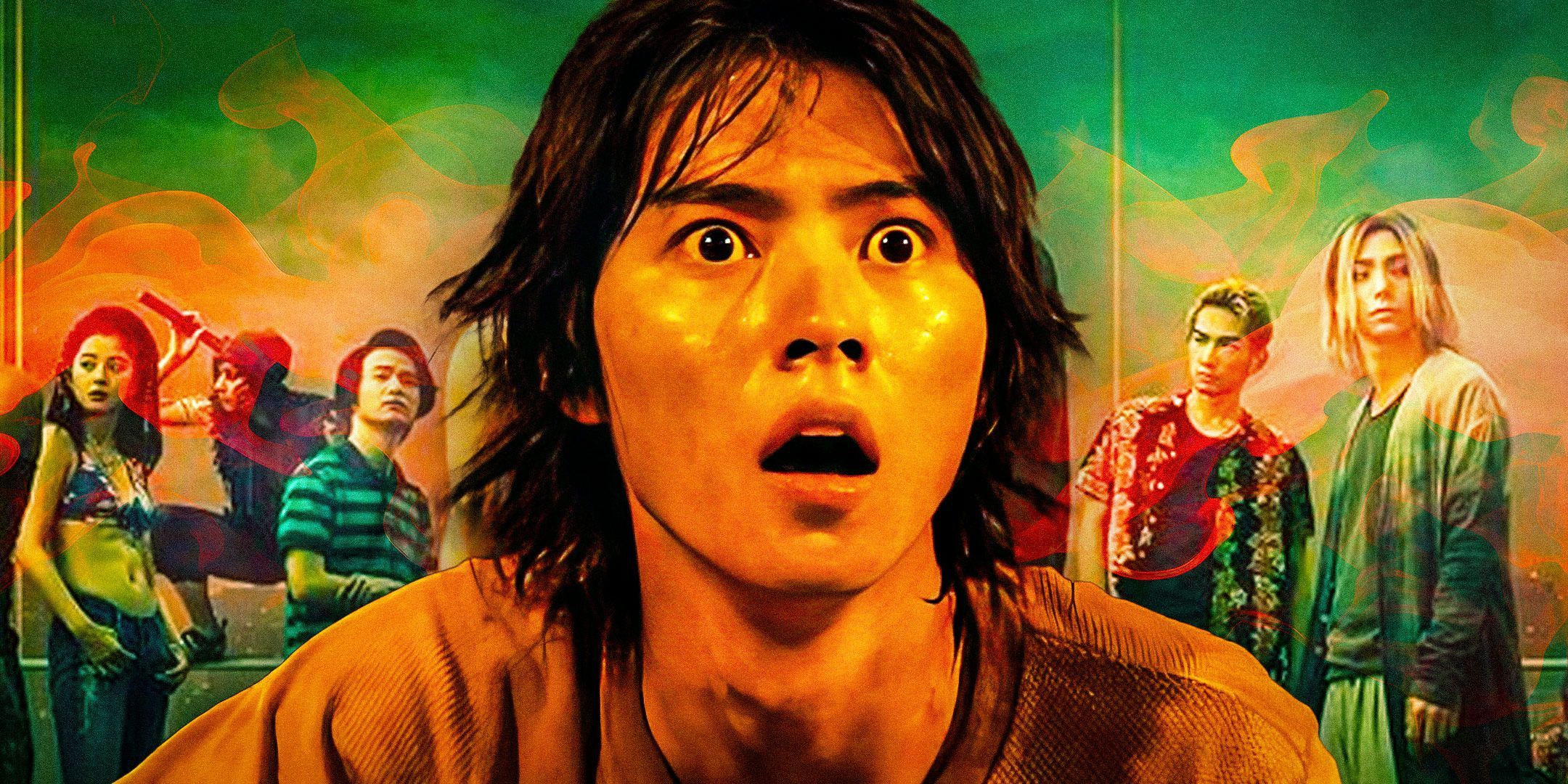
Re-assembling characters like Chishiya (Nijiro Murakami), Kuina (Aya Asahina), or Ann (Ayaka Miyoshi) within the Borderland requires narrative contrivances. If Season 3 focuses solely on Arisu and Usagi, it risks losing the multi-perspective narrative that made the previous seasons so dynamic. Conversely, if all survivors coincidentally suffer another near-death experience together, it risks undermining narrative plausibility.
Comparative Overview: Manga Canon vs. Live-Action Trajectory
To clarify the structural differences between the original print material and the expanding television series, the following table compares key narrative elements across versions:
| Feature / Metric | Original Manga Canon (Vols. 1–18) | Alice in Borderland Retry | Live-Action Season 3 Trajectory |
|---|---|---|---|
| Primary Focus | Complete story of the Borderland games and meteor incident. | Short self-contained story featuring an adult Arisu. | Expanded continuation combining original plots & spin-offs. |
| Arisu's Motive | Overcoming grief, discovering his self-worth and purpose. | Surviving a temporary accident to return to his pregnant wife. | Resolving lingering subconscious mysteries; protecting family/Usagi. |
| Role of the Joker | Neutral Ferryman/guide conducting souls between realms. | Not featured prominently; secondary background element. | Central mysterious force framing the new narrative challenge. |
| Ensemble Cast | Full secondary cast with standalone chapters (e.g., King of Diamonds). | Minimal; focus is strictly on Arisu and new one-off players. | Main cast return (Arisu, Usagi) alongside potential new ensemble. |
| Source Material Status | 100% written and illustrated by Haro Aso. | 100% written and illustrated by Haro Aso (2 volumes). | Original script based on Aso’s conceptual guidance. |
Production Context and Creative Direction
Despite the narrative challenges, the production team behind Alice in Borderland Season 3 brings strong continuity to the project:
- Director Shinsuke Sato: Sato, who directed Seasons 1 and 2 as well as acclaimed live-action adaptations like Kingdom and Bleach, remains at the helm. Sato's experience in balancing CGI action with character drama provides a steady creative hand.
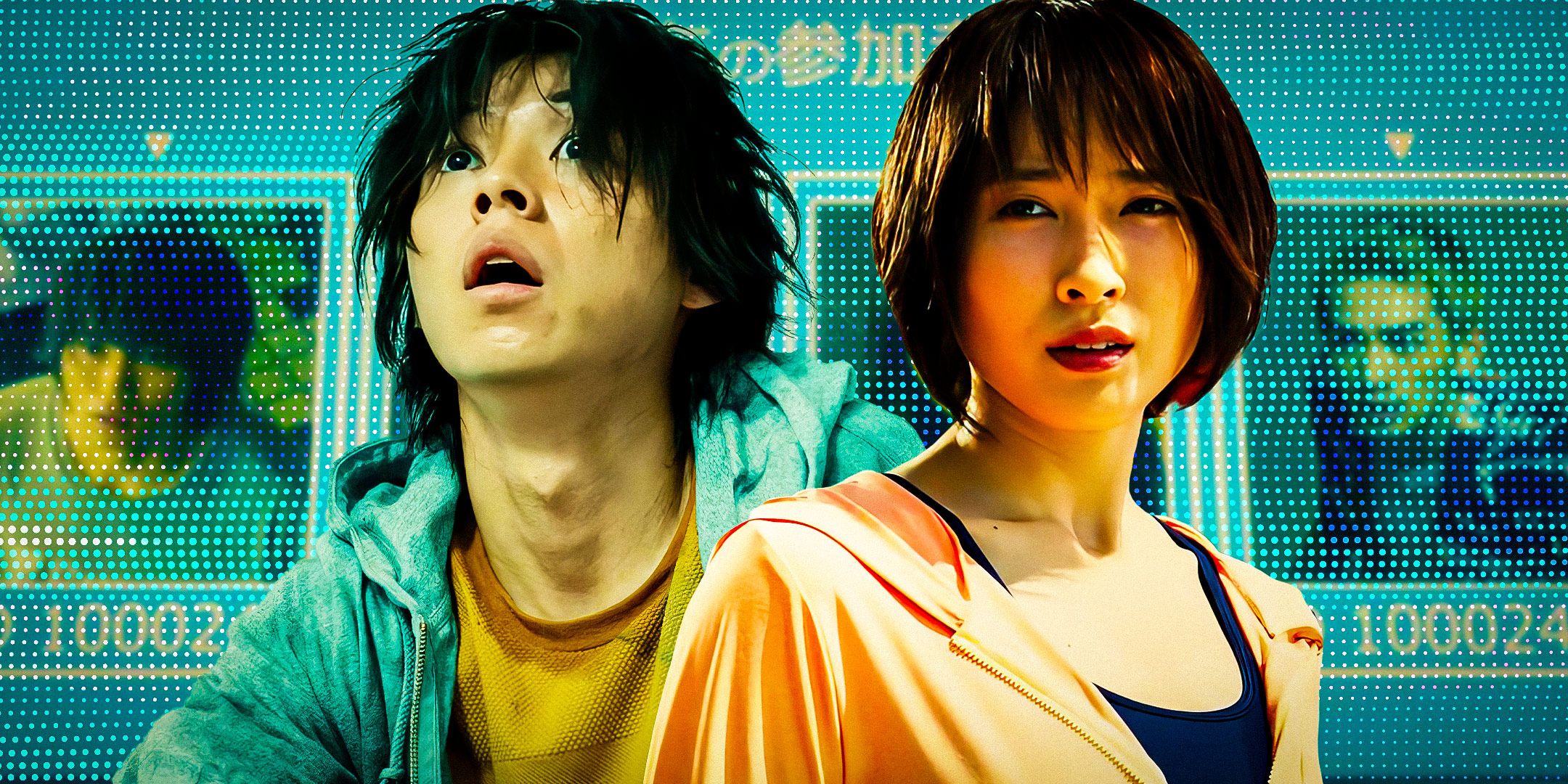
- Lead Performances: Kento Yamazaki (Arisu) and Tao Tsuchiya (Usagi) return to lead the cast. Their established chemistry is a key anchor for the emotional weight of the new season.
- Visual Effects (VFX): Production house ROBOT collaborates with international visual effects teams (including Digital Frontier) to maintain the cinematic quality of a desolate, post-apocalyptic Tokyo and complex game arenas.
The primary objective for Sato and the writing team is bridging the gap between high-concept visual action and the existential character studies that made the first two seasons a global success.
Key Guidance for Viewers and Fans
For viewers preparing to watch Season 3, keeping a few key points in mind will enhance the viewing experience:
- Treat Season 3 as an Expanded Universe: Approach Season 3 as an expansion of Haro Aso's universe rather than a strict 1:1 adaptation. The main manga narrative concluded naturally at the end of Season 2.
- Familiarize Yourself with Retry: Reading the short Alice in Borderland Retry manga provides useful context for how Arisu can re-enter the Borderland as an adult without invalidating his past character growth.
- Expect Philosophical Shifts: Be prepared for the story to shift focus from basic survival to deeper questions about subconscious memory, trauma recovery, and the true nature of the Joker entity.
Frequently Asked Questions
Did the original Alice in Borderland manga have a Season 3 storyline?
No. The primary manga series ended at the exact point shown in the Season 2 finale, with the meteor survivors waking up in the hospital. Season 3 draws inspiration from the short sequel manga Alice in Borderland Retry alongside original storylines created for the series.
Why is Arisu returning to the Borderland if he escaped in Season 2?
In the established lore, returning to the Borderland occurs when a person experiences a near-death state or cardiac arrest in the real world. In Season 3, Arisu’s return is driven by a new physical or psychological trauma, forcing his subconscious back into the liminal realm to fight for his life once more.
Is the Joker card a new enemy or game master?
In Haro Aso's original manga, the Joker is not an enemy or game master; it is a neutral entity acting as the Ferryman between life and death. While the live-action series uses the Joker as a major suspense element, its true role revolves around the boundary between living and passing on rather than serving as a standard "final boss."
Are other main characters like Chishiya and Kuina returning for Season 3?
While Kento Yamazaki (Arisu) and Tao Tsuchiya (Usagi) are confirmed leads, returning secondary characters depend on how the script integrates real-world survivors. Because these characters lost their memories of the games at the end of Season 2, bringing them back into the narrative requires specific real-world plot triggers.
Who is directing and overseeing the script for Season 3?
Shinsuke Sato returns as the series director, ensuring visual and stylistic continuity. Manga creator Haro Aso is involved in a advisory and consulting capacity to help ensure that original television developments align with the thematic spirit of the original work.
Image Gallery