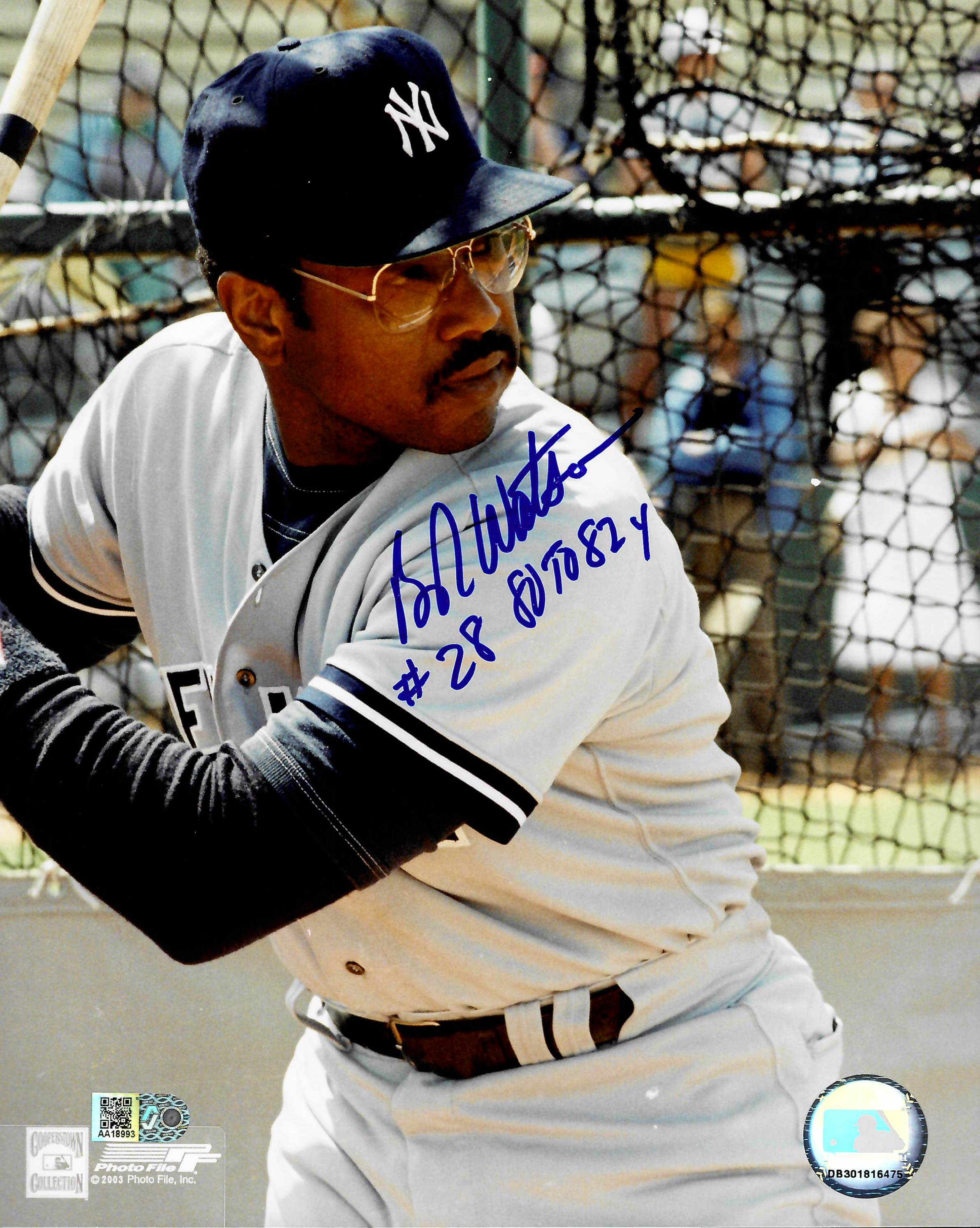
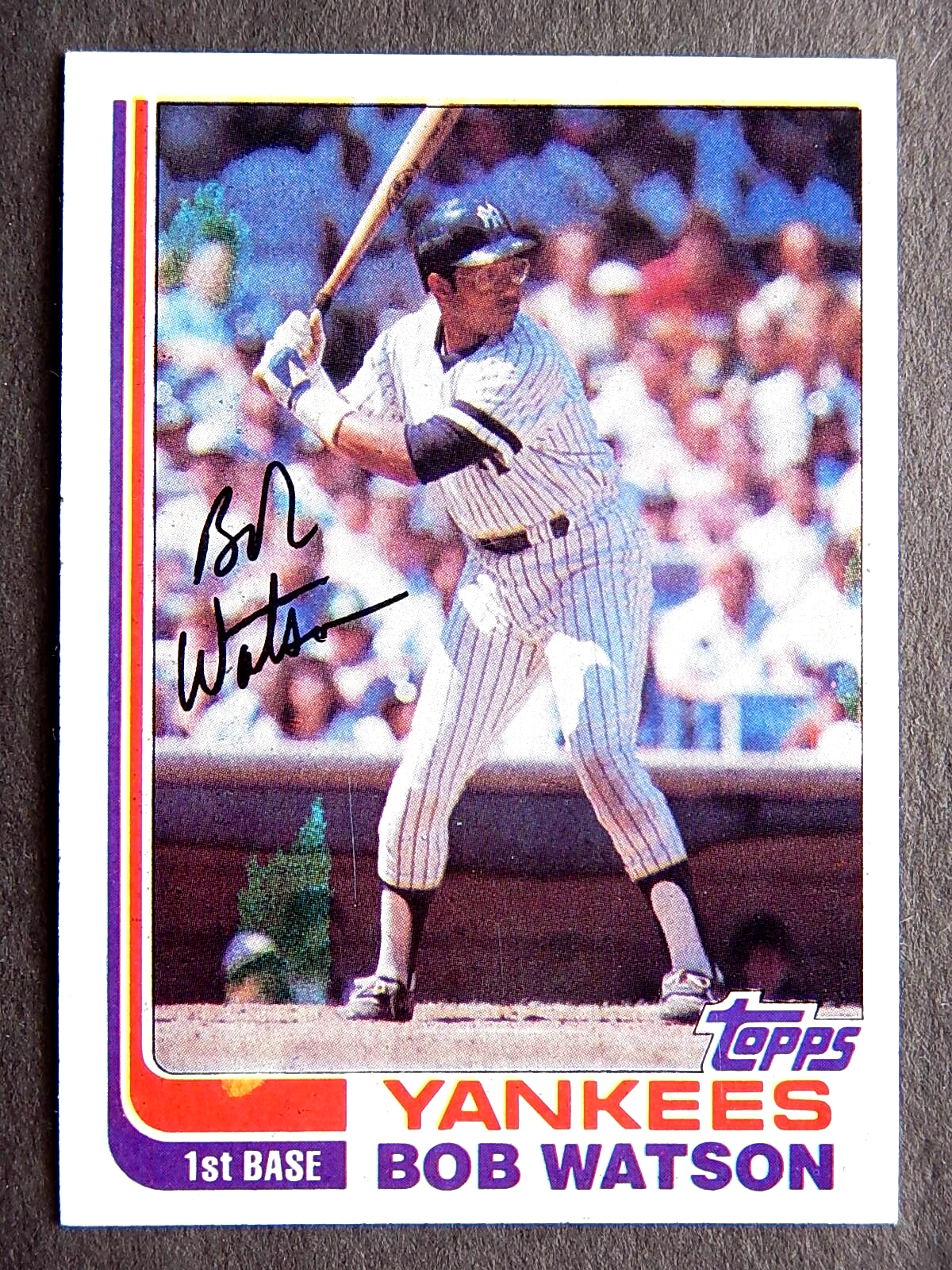
Bob Watson and the Yankees Legacy: Architect of the 1990s Dynasty
Bob Watson’s legacy with the New York Yankees is defined by his role as the primary architect of the 1996 World Series championship, ending the franchise's 18-year title drought. As the first Black General Manager to win a World Series...
Bob Watson’s legacy with the New York Yankees is defined by his role as the primary architect of the 1996 World Series championship, ending the franchise's 18-year title drought. As the first Black General Manager to win a World Series, his tenure established the foundational roster and managerial stability that fueled the late-90s dynasty.
Contents
From All-Star Player to Executive Visionary
To understand Bob Watson’s impact on the New York Yankees, one must first recognize the pedigree he brought to the front office. Long before he donned a suit in the Bronx, Watson was a formidable force on the field. Known as "The Bull," Watson enjoyed a 19-season Major League career, most notably with the Houston Astros. He was a two-time All-Star and earned a unique place in history as the first player to hit for the cycle in both the National and American Leagues.
However, it was his transition into scouting and management that truly set the stage for his Yankees legacy. Watson served as the Assistant General Manager for the Houston Astros before becoming the General Manager of the Houston Astros in 1993. This experience was critical; he learned how to balance the demands of ownership with the analytical needs of a modern scouting department. When George Steinbrenner hired him in October 1995 to replace Gene Michael, the Yankees were a team on the precipice of greatness but lacked the final components to push past the divisional rounds.
Watson inherited a roster that featured a maturing "Core Four"—Derek Jeter, Mariano Rivera, Andy Pettitte, and Jorge Posada—but the team was still recovering from the emotional retirement of Don Mattingly. Watson’s task was not just to win, but to build a culture that could sustain the relentless pressure of New York City in the mid-1990s.
The 1996 Turning Point: Rebuilding a Champion
When Watson took the reins, the Yankees had not won a World Series since 1978. The 1995 season had ended in a heartbreaking Division Series loss to the Seattle Mariners. Watson recognized that while the talent was present, the roster lacked specific veteran leadership and defensive stability. His legacy is largely tied to the bold, often criticized moves he made during the 1995-1996 offseason.
The Hiring of Joe Torre: A Masterstroke of Management
Perhaps the most significant contribution Bob Watson made to the Yankees' history was the hiring of Joe Torre. At the time, the decision was met with intense skepticism from the New York media. The infamous "Clueless Joe" headline in the New York Daily News reflected a widespread belief that Torre, who had a mediocre managerial record with the Mets, Braves, and Cardinals, was an uninspired choice.
Watson, however, saw what others did not: Torre’s temperament was the perfect shield against the volatile personality of George Steinbrenner. Watson needed a manager who could communicate effectively with young stars like Jeter while managing the egos of high-priced veterans. By standing firmly behind Torre, Watson created the most successful managerial era in modern baseball history. This stability allowed the front office and the dugout to work in a rare, though often tense, harmony.
Key Roster Moves that Defined the 1996 Season
Watson did not just change the manager; he overhauled the supporting cast. He understood that to win in the postseason, the Yankees needed "clutch" performers and defensive specialists.
- Trading for Tino Martinez: Replacing a legend like Don Mattingly was an unenviable task. Watson traded Jeff Nelson, Jim Mecir, and Russ Davis to the Mariners for Tino Martinez, Jeff Nelson (who returned in the deal), and Jim Corbett. Martinez became the emotional and statistical anchor of the lineup for the next several years.
- Signing Joe Girardi: Recognizing the need for a veteran presence behind the plate to guide a young pitching staff, Watson brought in Girardi. This move pushed the developing Jorge Posada to learn under a seasoned pro, a decision that paid dividends for a decade.
- Acquiring Cecil Fielder: At the 1996 trade deadline, Watson pulled the trigger on a deal for the veteran power hitter Cecil Fielder. Fielder provided the middle-of-the-order protection the team needed during the stretch run and the World Series.
- The Mariano Rivera Decision: There was internal pressure to trade a young Mariano Rivera for a veteran shortstop (such as Felix Fermin) before the 1996 season. Watson, alongside Gene Michael, resisted these urges, trusting in Rivera’s potential. This decision arguably saved the dynasty before it began.
Historical Significance: Breaking the Front-Office Color Barrier
Bob Watson’s legacy extends far beyond the box scores. In 1996, he became the first African American General Manager to lead a team to a World Series title. In a sport that had long struggled with diversity in its executive ranks, Watson’s success was a watershed moment.
He operated in an era where the "Chief Executive" of a baseball team was under constant scrutiny, not just for the team's performance, but for their ability to navigate the racial dynamics of corporate baseball. Watson’s professional, no-nonsense approach earned him the respect of his peers and paved the way for future minority executives. He proved that the path to a championship required a blend of traditional scouting, psychological management, and the courage to make unpopular decisions.
| Acquisition/Action | Source/Context | Impact on Yankees Legacy |
|---|---|---|
| Joe Torre (Manager) | Hired 1995 | Led team to 4 World Series titles; provided clubhouse stability. |
| Tino Martinez (1B) | Trade with Seattle | Provided 100+ RBI seasons and replaced Don Mattingly effectively. |
| Joe Girardi (C) | Trade with Colorado | Established veteran leadership and mentored Jorge Posada. |
| Cecil Fielder (DH/1B) | 1996 Trade Deadline | Provided crucial power hitting during the 1996 postseason. |
| Mariano Rivera | Retained as Closer | Shifted from setup to closer, becoming the greatest in history. |
| Jeff Nelson (RHP) | Trade with Seattle | Became a cornerstone of the "bridge to Mo" in the bullpen. |
The Structural Foundation of the Dynasty (1996–2000)
While Watson resigned from the General Manager position in early 1998 due to the immense stress of working under Steinbrenner, the roster he built won three more championships in 1998, 1999, and 2000 under his successor, Brian Cashman. Watson’s "fingerprints" were all over those teams.
He was the one who balanced the budget and the personalities. He understood the "Yankee Way" meant more than just high payrolls; it meant finding players who could handle the "Bronx Zoo" atmosphere. His emphasis on a strong bullpen—specifically the roles of Jeff Nelson and Mariano Rivera—changed how the league viewed late-inning relief. By the time 2026 retrospectives analyze this era, Watson is increasingly credited not just as a participant, but as the primary architect who corrected the franchise's course.
Life After the Pinstripes and Enduring Impact
After leaving the Yankees, Watson didn't retreat from the game. He served as the Vice President of On-Field Operations for Major League Baseball. In this role, he was responsible for discipline and the enforcement of rules, further cementing his reputation as a man of integrity and firm leadership.
His legacy is also felt in his advocacy for health. After surviving prostate cancer, he became a tireless advocate for early detection, particularly within the Black community. Even in 2026, the Bob Watson legacy is celebrated through various MLB diversity initiatives and health awareness programs.
In the context of the New York Yankees, he remains the man who turned the lights back on at Yankee Stadium. He took a franchise that was a "sleeping giant" and gave it the structure, the manager, and the personnel to dominate an entire decade.
Frequently Asked Questions
Did Bob Watson play for the Yankees?
Yes, Bob Watson played for the Yankees toward the end of his playing career, from 1980 to 1982. He performed exceptionally well in the 1981 World Series, batting .318 with two home runs, though the Yankees ultimately lost to the Dodgers. This firsthand experience as a player in New York likely informed his later success as the team’s General Manager.
Why did Bob Watson leave the Yankees in 1998?
Watson resigned in February 1998, citing the intense pressure and health concerns associated with working for George Steinbrenner. The "Boss" was notoriously difficult to work for, frequently threatening staff with termination. Watson famously noted that the stress of the job was detrimental to his well-being, leading him to hand the reins to his assistant, Brian Cashman.
What was Bob Watson's biggest trade as Yankees GM?
The trade for Tino Martinez is widely considered his most impactful. By sending Jeff Nelson, Jim Mecir, and Russ Davis to the Mariners for Martinez and Jeff Nelson (who was sent back as part of a larger deal), Watson secured a perennial All-Star first baseman who would become a central figure in the 1996, 1998, 1999, and 2000 championships.
How is Bob Watson remembered in 2026?
As of 2026, Bob Watson is remembered as a pioneering executive who broke racial barriers in baseball management. He is honored annually by the Yankees and MLB for his contributions to the 1990s dynasty and his work in the Commissioner’s office. His reputation as a "baseball man" who could bridge the gap between players and ownership remains the gold standard for modern executives.
Was Bob Watson the first Black GM in MLB history?
No, Bill Lucas of the Atlanta Braves is recognized as the first Black General Manager in MLB history (hired in 1976). However, Bob Watson was the first Black General Manager to win a World Series championship, a milestone he achieved with the 1996 New York Yankees.
Practical Recommendation for Historians and Fans
For those looking to understand the mechanics of the Yankee dynasty, it is recommended to study the 1995-1996 transactions specifically. While many focus on the 114-win team of 1998, the actual "legacy" of Bob Watson is found in the grit of the 1996 squad. Researching his specific strategy regarding "veteran-rookie balance" provides the best blueprint for how he revitalized a failing powerhouse. Fans should look for archival interviews from the 1996 World Series parade, where Watson’s humble but firm leadership style is most evident.
Image Gallery