The 10 Largest Malls in the World by Gross Leasable Area
The world’s largest malls are defined by their Gross Leasable Area (GLA), representing the total floor space designed for tenant occupancy. These retail mega-structures function as "cities within cities," housing hundreds of stores, in...
The world’s largest malls are defined by their Gross Leasable Area (GLA), representing the total floor space designed for tenant occupancy. These retail mega-structures function as "cities within cities," housing hundreds of stores, indoor theme parks, luxury hotels, and extensive dining districts, primarily concentrated in Asia and the Middle East due to rapid urbanization and extreme climate conditions.
Contents
Defining Scale: How Malls Are Measured
When evaluating the size of a shopping center, the most consistent metric is Gross Leasable Area (GLA). GLA refers to the total amount of floor space in a building that is available for rent by tenants. This measurement excludes common areas such as parking structures, structural walls, corridors, and exterior plazas.
While some developers may cite "Total Built-up Area" to sound more impressive, this figure includes non-revenue-generating spaces like parking garages, HVAC utility rooms, and expansive mechanical equipment bays. To maintain accurate rankings, industry experts rely strictly on GLA, as it provides a standardized comparison of the commercial retail capacity of these massive developments.
The 10 Largest Malls in the World (2026 Status)
The following list reflects the current inventory of the world's largest retail centers by GLA. These facilities have been verified based on their original construction data and sustained operational footprint as of 2026.
| Rank | Name of Mall | Location | Estimated GLA (sq meters) |
|---|---|---|---|
| 1 | Iran Mall | Tehran, Iran | 1,350,000 |
| 2 | SM City North EDSA | Quezon City, Philippines | 498,000 |
| 3 | SM Megamall | Mandaluyong, Philippines | 474,000 |
| 4 | SM Seaside City Cebu | Cebu City, Philippines | 470,000 |
| 5 | South China Mall | Dongguan, China | 465,000 |
| 6 | Isfahan City Center | Isfahan, Iran | 460,000 |
| 7 | SM Mall of Asia | Pasay, Philippines | 433,000 |
| 8 | Golden Resources Mall | Beijing, China | 430,000 |
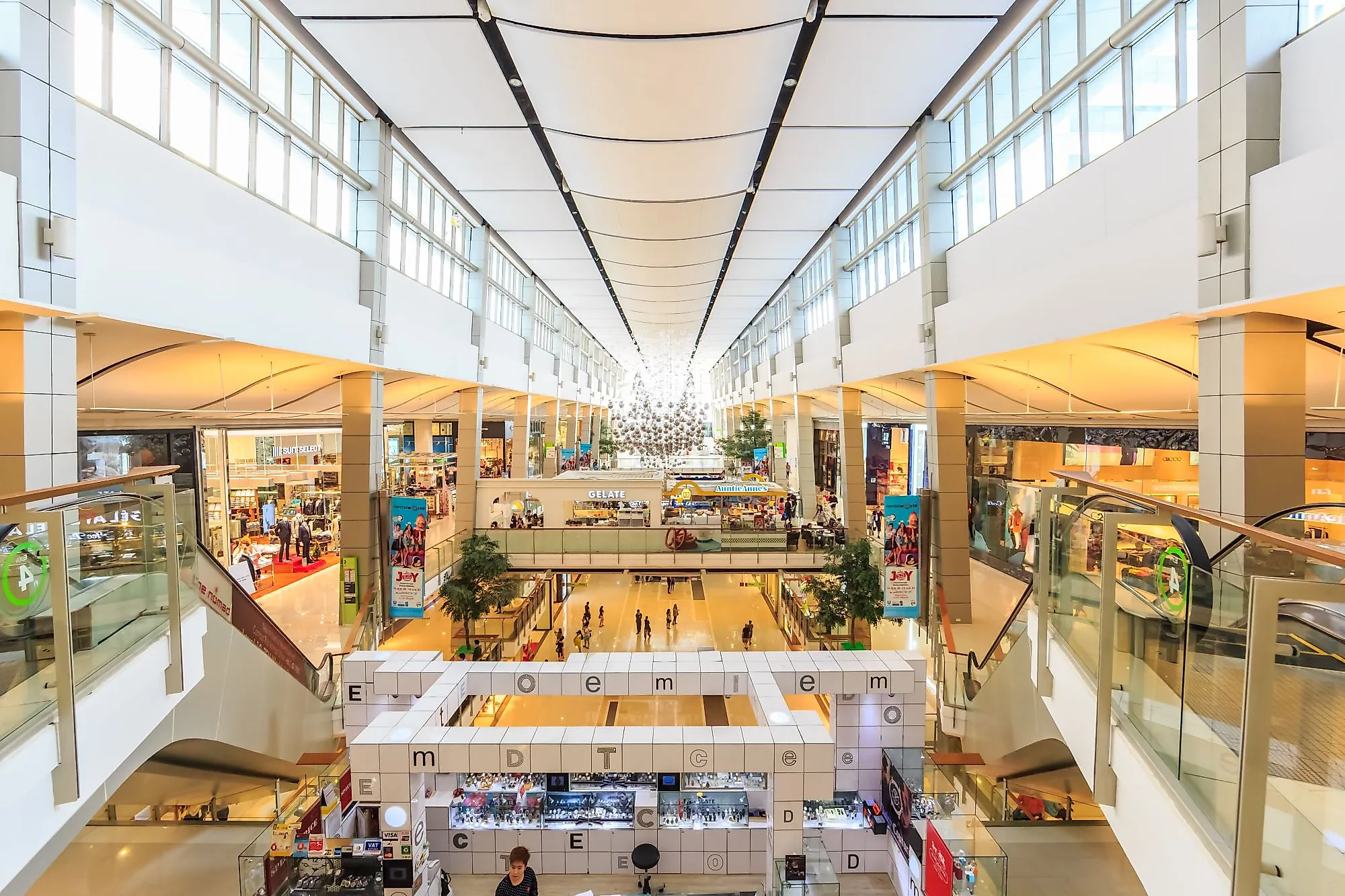
| 9 | CentralWorld | Bangkok, Thailand | 429,500 |
| 10 | Persian Gulf Complex | Shiraz, Iran | 420,000 |
Analysis of the Retail Giants
Iran Mall (Tehran, Iran)
Holding the top position by a significant margin, the Iran Mall is a monumental feat of engineering and commercial planning. More than just a retail hub, it integrates traditional bazaar architecture with modern mall amenities, including a massive library, garden, and sports complex. Its scale is unprecedented, often requiring visitors to dedicate multiple days to navigate the entire facility.
The Dominance of SM Prime Holdings
It is notable that several of the world's largest malls are owned by the same organization, SM Prime Holdings in the Philippines. Their business model focuses on "supermalls," which serve as regional hubs for social interaction, government service centers, and entertainment, rather than just retail shopping. By creating destination centers, they have managed to maintain extremely high foot traffic, which in turn justifies the enormous GLA of their properties.
The "Ghost Mall" Phenomenon: South China Mall
The South China Mall in Dongguan is a historical case study in over-development. Upon opening, it was touted as the world's largest mall but suffered from years of low occupancy due to its remote location. As of 2026, it has been repurposed into a more sustainable model, focusing on family-oriented attractions and high-end dining to fill the massive cavernous spaces that once sat empty. This transition highlights a trend in retail: size alone is not enough; the facility must integrate into the community's daily life.
Infrastructure and Operational Challenges
Operating a facility with a GLA exceeding 400,000 square meters presents significant engineering challenges. The most pressing issue is climate control. In locations like Iran, the UAE, or Southeast Asia, maintaining a comfortable temperature across a million square meters requires massive, energy-efficient HVAC systems.
Furthermore, logistics management is a critical technical hurdle. These malls function like industrial ports; they require underground loading docks, dedicated freight elevators, and complex waste management systems to service hundreds of individual storefronts without disrupting the customer experience in the public walkways.
Strategic Planning for Mall Development
Developers and urban planners look at these massive projects through the lens of long-term economic stability. A mall of this magnitude is a high-risk, high-reward investment.
- Accessibility: Most of these top-tier malls are situated near major transit hubs (metro lines or highways) to ensure high throughput.
- Tenant Diversification: To avoid the "ghost mall" scenario, current developers prioritize a mix of anchor tenants (department stores), smaller boutiques, and "experience" tenants (cinemas, theme parks, and wellness centers).
- Maintenance Cycles: Given the constant foot traffic of millions per year, floor surfaces, lighting, and internal aesthetics are rotated on aggressive 5- to 10-year refurbishment schedules.
Frequently Asked Questions
Why are so many of the world's largest malls located in Asia? Rapid urbanization and the growth of the middle class in Asia have led to a high demand for climate-controlled public spaces. In regions with intense heat or monsoon seasons, the mall acts as a safe, comfortable environment for social engagement, which is rarely possible in open-air retail settings.
Is GLA the only metric used to determine mall size? No, but it is the most accurate for comparing retail utility. Some sources cite "Total Built-up Area," but this includes parking garages and non-retail space. When you see a mall list that looks inflated, check if they are referencing GLA or Total Built-up Area.
Do these malls ever change in size? Yes. Malls are often expanded through new wings or the conversion of parking space into retail space. For example, SM City North EDSA has undergone several expansions over the last two decades, moving it higher up the global rankings as new phases were completed.
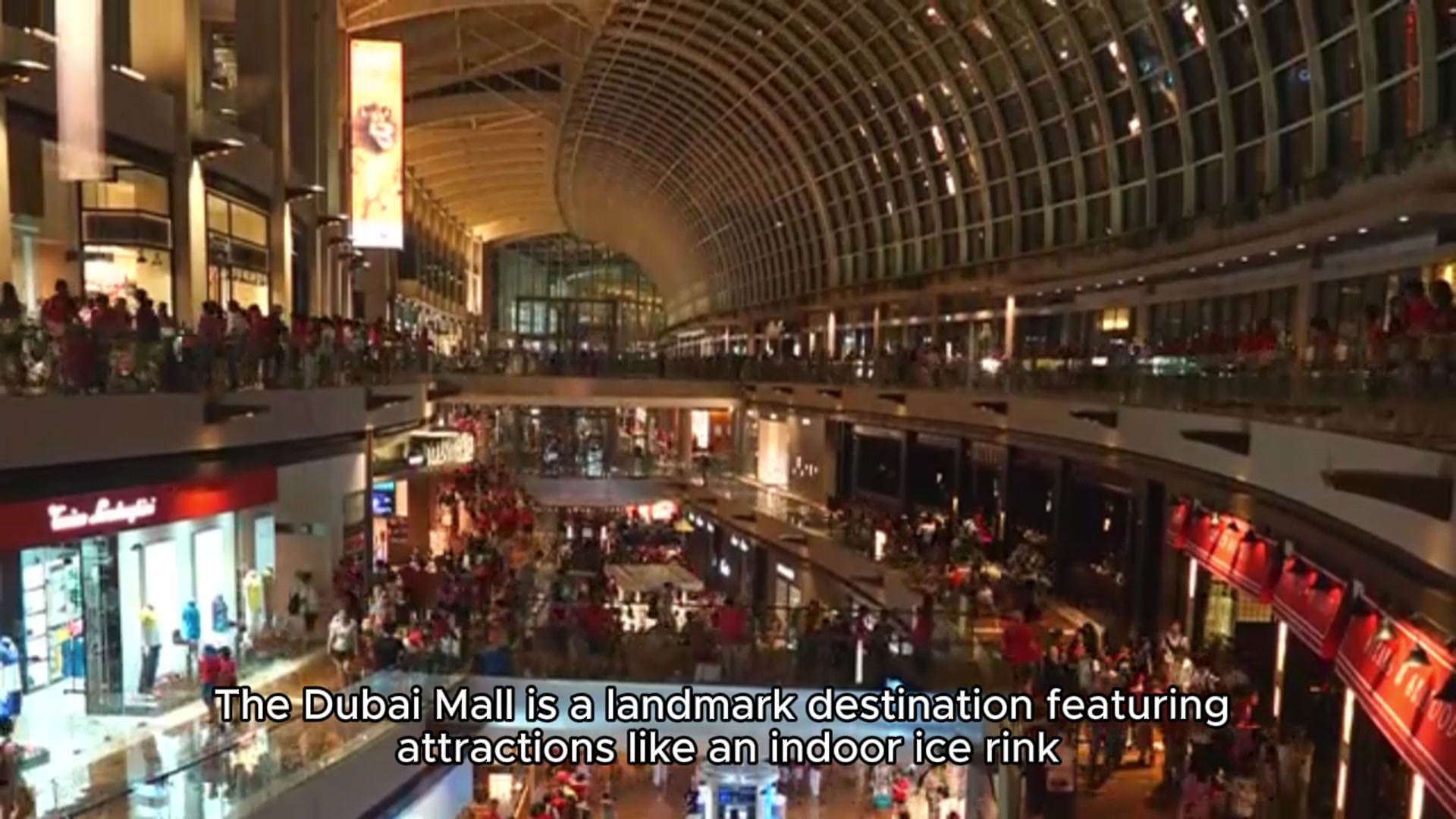
How do these malls keep shoppers engaged? The modern strategy is "retailtainment." By incorporating ice rinks, indoor aquariums, massive cinema complexes, and even indoor theme parks, the mall becomes a destination for recreation rather than just a place to purchase goods, which counters the rise of online shopping.
Are these malls profitable? Profitability varies based on location and anchor tenant stability. While a massive GLA can offer economies of scale, it also entails massive operational costs. Success usually hinges on the mall's ability to maintain high occupancy rates in its anchor stores and the ability to attract high-volume foot traffic year-round.
Recommendation for Further Research
If you are interested in the economic impact of these structures, it is recommended to review the annual financial reports from the parent companies (such as SM Prime or publicly traded real estate investment trusts in China and Iran). These reports offer the most precise, audited data regarding square footage, occupancy rates, and average daily foot traffic, providing a more granular understanding than general media reports.
Image Gallery