The Sex Lounge Chair in Modern Interiors: Balancing Ergonomics and Aesthetic Design
The sex lounge chair has evolved from a niche adult accessory into a sophisticated element of modern interior design, prioritizing ergonomic support and high-end materiality. These pieces blend discreet, sculptural aesthetics with spec...
The sex lounge chair has evolved from a niche adult accessory into a sophisticated element of modern interior design, prioritizing ergonomic support and high-end materiality. These pieces blend discreet, sculptural aesthetics with specialized functional curves, allowing them to integrate into luxury bedrooms or private suites while serving both relaxation and intimacy purposes without compromising room decor.
Contents
The Evolution of Specialized Furniture Design
Historically, furniture designed for intimacy—often referred to as tantra chairs or intimate lounge furniture—was marketed strictly through adult-oriented retail channels, focusing almost exclusively on functionality. However, the design landscape of 2026 reflects a significant shift. Modern furniture designers and interior architects are now approaching these pieces as ergonomic sculptural elements.
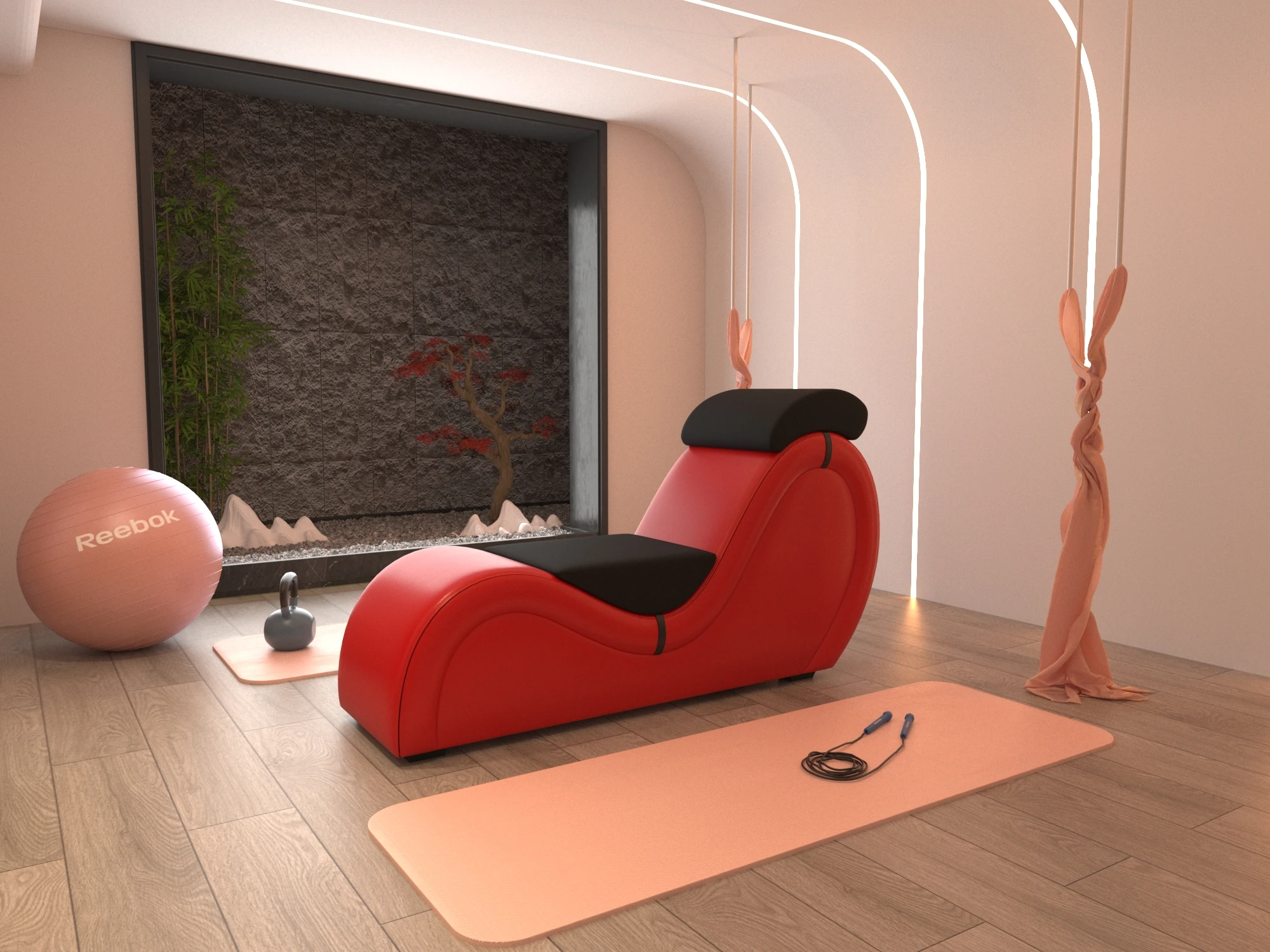
The transition is marked by a departure from clinical materials like basic vinyl toward high-performance textiles, top-grain leathers, and sustainable woods. This evolution allows the furniture to function as a "hidden in plain sight" piece. A well-designed modern lounge chair of this type often mirrors the silhouette of mid-century modern chaise lounges, utilizing fluid geometry that naturally follows the human form. By emphasizing organic shapes—curves that provide lumbar and pelvic support—manufacturers have moved the category into the realm of high-end home lifestyle products.
Core Technical Requirements and Ergonomics
When selecting a lounge chair for an intimate space, the primary technical consideration is the "arc profile." The curvature is not merely aesthetic; it is engineered to support the body in various positions, reducing physical strain and increasing comfort during extended use.
Materiality and Durability
Modern interiors demand materials that withstand high-friction use while maintaining a luxury tactile experience.
- High-Resilience (HR) Foam: Essential for maintaining shape over years of use. Unlike standard upholstery foam, HR foam offers variable density to support weight distribution evenly.
- Performance Fabrics: Textiles such as stain-resistant velvets, treated micro-suedes, or bonded leathers are preferred. These materials must meet abrasion resistance standards (often measured by Martindale cycles) to ensure longevity.
- Structural Integrity: A robust frame, usually constructed from reinforced hardwood or powder-coated steel, is necessary to support dynamic weight without squeaking or structural fatigue.
Spatial Planning
In a modern interior, the placement of such a piece requires consideration of sightlines and flow. Because these chairs often possess a prominent, sculptural presence, they should be placed where they can act as a focal point or a private reading nook. The goal is to avoid a "cluttered" aesthetic. Designers often place these chairs at a 45-degree angle to a wall or window to create a sense of private enclosure while maintaining the openness of the room.
Comparative Analysis of Design Approaches
When choosing between various models, consider how the design integrates into your existing furniture ecosystem.
| Feature Category | Traditional Adult Furniture | Modern Design-Forward Lounge |
|---|---|---|
| Aesthetic Goal | Functional performance | Interior decor integration |
| Material Choice | Commercial vinyl/PVC | Leather, linen, performance velvet |
| Ergonomic Focus | Specific restricted angles | Fluid, multi-position support |
| Sustainability | Low focus | Use of FSC-certified wood/recycled foam |
| Visibility | Typically hidden/storage | Displayed as a decorative element |
Integrating the Chair into Existing Decor
Integrating a specialized lounge chair requires a shift in how you view the room’s narrative. To ensure the piece remains "modern" rather than "niche," follow these design principles:
- Monochromatic Palette: If the chair has a complex shape, selecting a color that matches the wall or the primary bed upholstery allows the piece to blend into the background. This minimizes visual noise.
- Texture Contrast: Use the chair to break up a room’s texture. If your bedroom features smooth, cold materials like marble or polished wood, a matte-finished, fabric-upholstered lounge chair adds warmth and depth.
- Lighting Interaction: These pieces are often sculptural. Consider accent lighting, such as a floor lamp placed behind or beside the chair, to highlight the curves of the piece without drawing excessive attention to its specific function.
- Accessorizing: Pair the piece with a small, low-profile side table or a textured wool throw. This styling trick anchors the chair into the room, making it look like a purposeful piece of furniture rather than a singular, isolated object.
Addressing Common Concerns
Is the chair difficult to maintain?
Most high-quality modern lounge chairs are finished with moisture-resistant barriers. For daily care, a simple wipe-down with a damp, soft cloth is usually sufficient. Avoid harsh chemical cleaners, as they can degrade the specialized surface coatings of performance fabrics.
How do I ensure privacy and discretion?
If discretion is a priority, focus on "geometric abstraction." Look for designs that do not immediately telegraph their specific secondary function to the casual observer. Abstract, wave-like forms are often interpreted by guests as high-design avant-garde seating rather than intimate furniture.
Professional Advice Limitation
While these chairs are designed with ergonomic principles, they are not medical-grade equipment. If you have chronic back pain, orthopedic issues, or limited mobility, consult with a physical therapist before choosing furniture that requires specific postural positions. Do not substitute furniture-based support for professional medical devices.
Frequently Asked Questions
1. Does the weight of the chair affect its stability in an intimate setting? Yes. A lighter chair may shift during use. Look for models with a weight of at least 60–80 pounds, or those with rubberized non-slip floor glides to ensure the piece stays firmly in place on hardwood or carpeted floors.
2. Can these chairs serve as a standard reading chair? Absolutely. Because the ergonomic curves are designed to accommodate the spine in a reclined position, many users find these chairs more comfortable for reading or listening to music than standard armchairs, which often lack proper leg support.
3. What is the standard lifespan of a luxury lounge chair? With proper care, a high-quality piece featuring HR foam and commercial-grade fabric should retain its structural integrity for 8 to 12 years of regular use. Inspect the frame joints every two years to ensure hardware remains tight.
4. Are these chairs suitable for small apartments? Yes, but look for "modular" or "compact" profiles. Some modern designs offer a smaller footprint that does not sacrifice the arc profile necessary for ergonomic comfort, making them ideal for urban settings.
5. How do I verify the build quality before purchase? Check for the country of manufacture and the density of the foam. A reputable manufacturer will provide a technical sheet or a warranty covering the frame and the foam, which is the best indicator of expected longevity.
Final Recommendations for Buyers
When preparing to incorporate a sex lounge chair into your modern interior, prioritize quality over price. The value of the piece lies in the longevity of the foam and the durability of the textile. Visit a showroom if possible to test the "arc" of the chair, as the physical height and weight of the user will dictate how well the chair supports your body. Once installed, treat the piece as an intentional design choice—use lighting and soft furnishings to integrate it into the room's overall aesthetic, ensuring it functions as both a private utility and a sophisticated piece of modern art.
Image Gallery