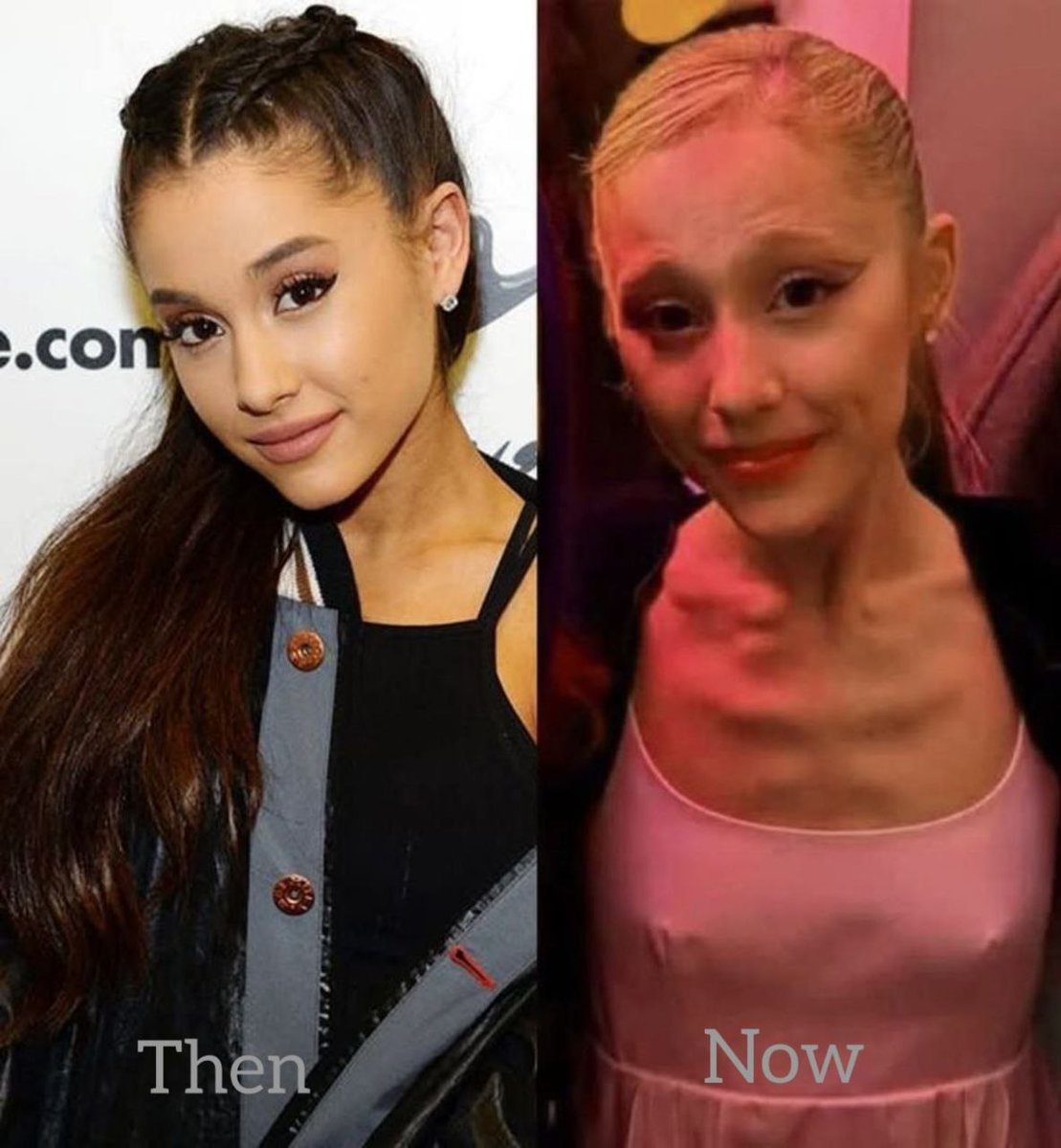
What Happened to Ariana Grande's Hair? The Full History of Her Hair Damage, Transformations, and Recovery
Ariana Grande’s hair underwent severe chemical damage early in her career when she dyed it bright red every two weeks for four years to play Cat Valentine on Nickelodeon's Victorious and Sam & Cat. To conceal the breakage while her nat...
Ariana Grande’s hair underwent severe chemical damage early in her career when she dyed it bright red every two weeks for four years to play Cat Valentine on Nickelodeon's Victorious and Sam & Cat. To conceal the breakage while her natural curls recovered, she adopted her iconic high ponytail using hair extensions. Over the years, additional bleaching for album eras and her role as Glinda in Wicked required ongoing protective styling, specialized care, and intentional maintenance to preserve her natural texture.
Contents
The Origin of the Damage: The Nickelodeon Era
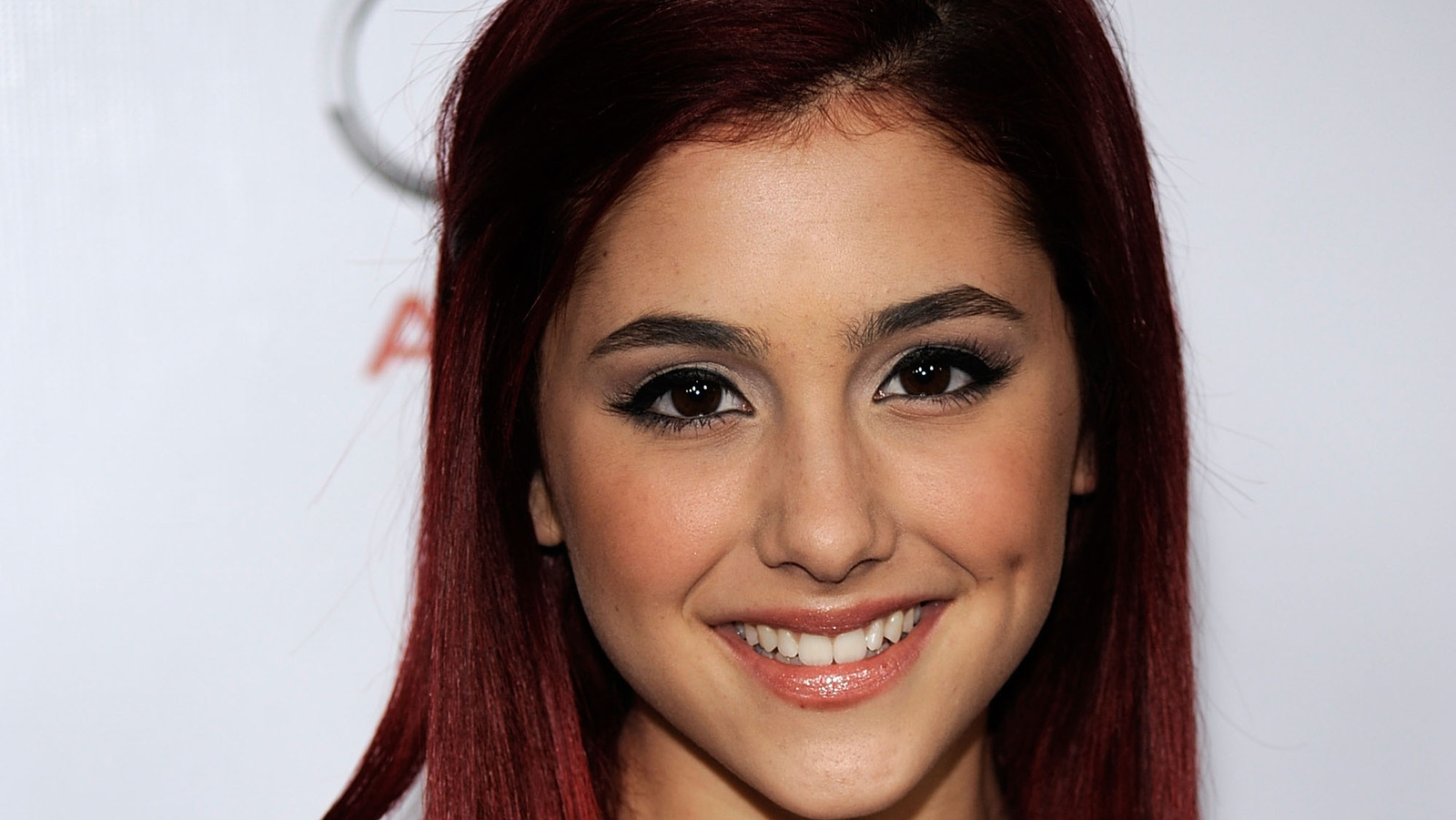
The primary catalyst for Ariana Grande’s hair transformation occurred between 2009 and 2014, during her time as a starring cast member on the Nickelodeon television series Victorious and its spin-off, Sam & Cat. Playing the character Cat Valentine required Grande to sport vibrant, bright red hair.
To maintain the exact shade demanded by television production schedules and continuity standards, executives required her to dye her naturally dark, curly hair every 14 days. Bleaching dark hair to a light baseline and applying red dye repeatedly over a multi-year period causes severe degradation to the hair shaft. Red hair color molecules are exceptionally large and wash out quickly, which often prompts stylists to use aggressive developer strength or frequent re-applications to keep the tone vivid.
Continuous oxidative coloring strips the hair of its natural moisture, breaks internal disulfide bonds, and destroys the cuticle—the protective outer layer of the hair fiber. By 2014, Grande publicly disclosed that this bi-weekly chemical process had destroyed her natural hair, causing severe breakage, thinning, and uneven growth.
Why the High Ponytail Became Her Signature Look
In early 2014, following fan criticism regarding her consistent reliance on a single hairstyle, Grande released a detailed public statement explaining the physical reality behind her hair choices. She explained that her natural hair was so severely broken and damaged that it looked completely "ratty and absurd" when left down without styling aids or extensions.
Hair Transformation Timeline: [2009–2014: Bi-weekly Red Dye] ➔ [2014–2021: High Ponytail & Extensions] ➔ [2022–2026: Blonde / Natural Texture Restoration]
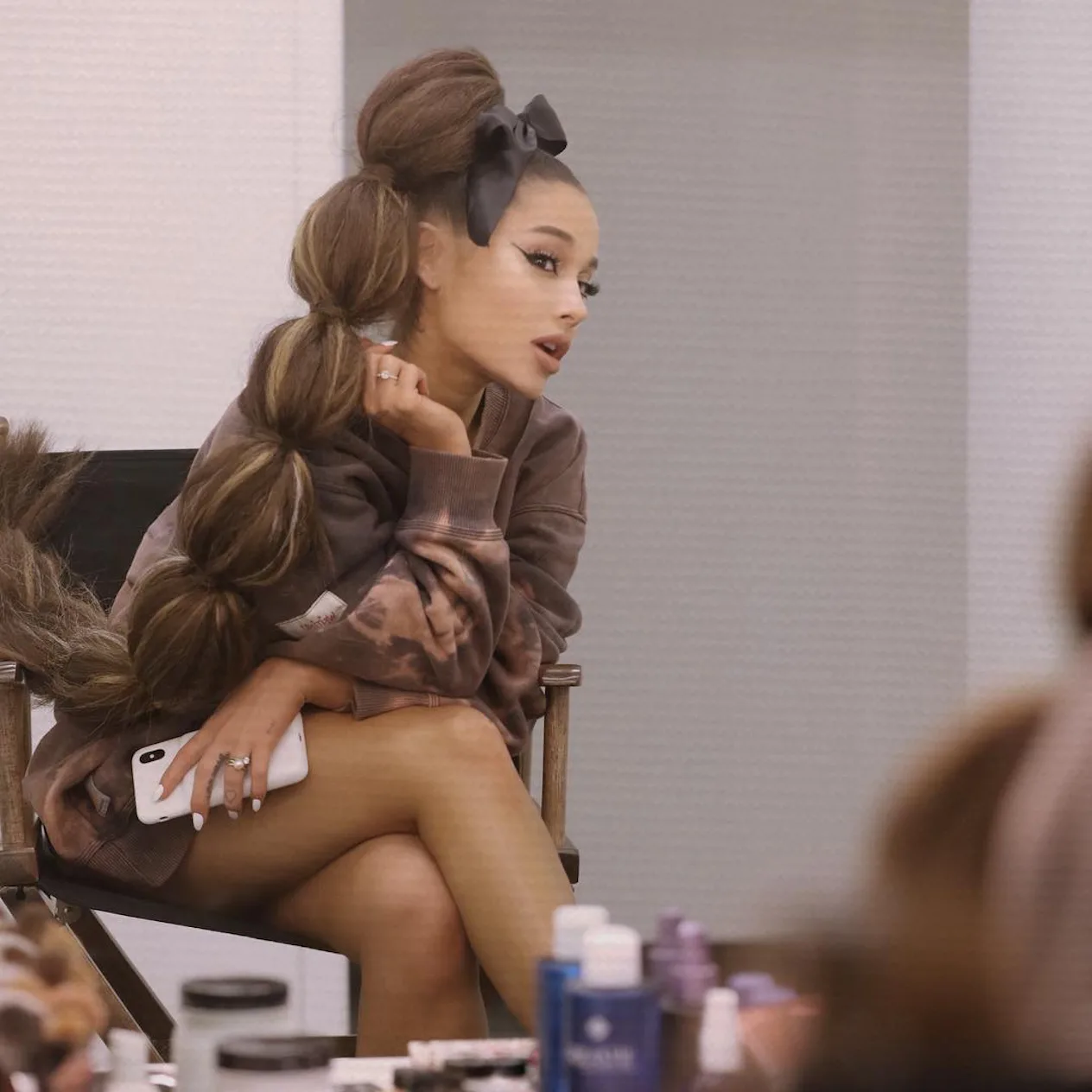
She tested wigs and full weaves, but found that traditional full-coverage protective options were either uncomfortable or ill-suited to her active performance routine on stage. Her solution was to pin her remaining natural hair back and clip high-quality human hair extensions into a high ponytail.
This hairstyle served two main functions:
- Protective Masking: It kept her damaged ends tucked away while allowing her scalp to rest from continuous color lifting.
- Visual Branding: The high ponytail quickly evolved into one of the most recognizable pop culture silhouettes of the 2010s, transforming an aesthetic necessity into a core trademark of her musical persona.
Chronological Evolution: From Red Dye to Glinda Blonde
Across her career, Grande's hair has shifted to reflect major album rollouts, acting roles, and personal health journeys.
1. The Red Era (2009–2014)
- Primary Look: Magenta/Bright Red straight and wavy styles.
- Impact: Maximum structural damage due to high-frequency chemical lifting and permanent coloring.
2. The Signature Brunette Ponytail Era (2014–2017)
- Primary Look: High ponytail, half-up styles, deep chocolate brown with subtle ombre high-lights.
- Impact: Transition period focused on hiding structural breakage using clip-ins while her natural hair grew beneath the top layer.
3. The Sweetener Platinum Phase (2017–2018)
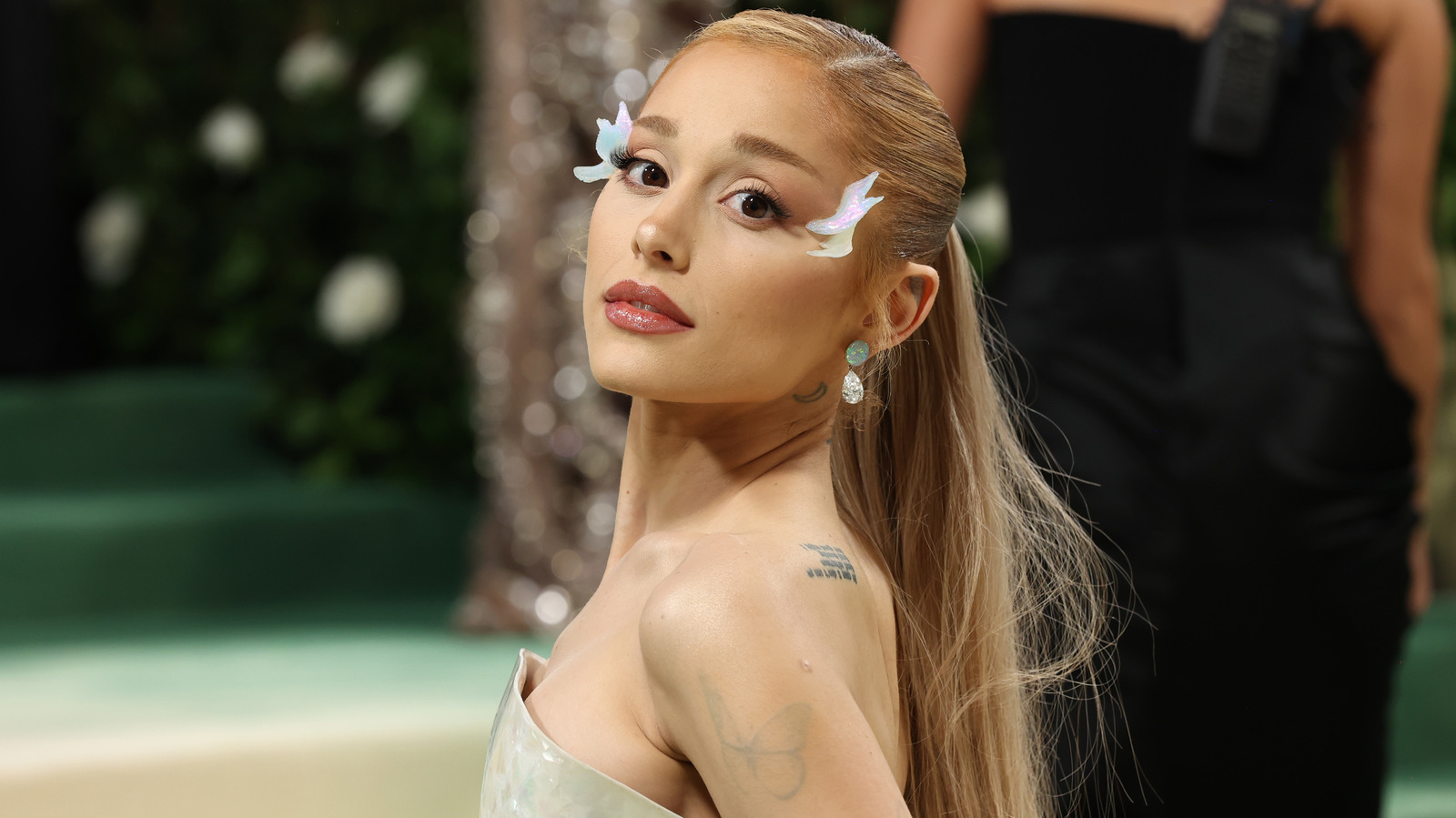
- Primary Look: Icy platinum blonde, silver-tinted high ponytails, and low buns.
- Impact: Bleaching hair from deep brown to pale platinum requires high volumes of hydrogen peroxide and persulfates, re-exposing the cortex to dryness and requiring heavy bond-building treatments.
4. Natural Curl Recovery & Dark Tones (2019–2021)
- Primary Look: Rich espresso brown, soft curtain bangs, and occasional glimpses of her natural dark curls on social media.
- Impact: Reduced heat styling and minimal chemical processing allowed her natural curl pattern (roughly Type 3A/3B ringlets) to recover significant length and density.
5. The Wicked Glinda Transformation (2022–2026)
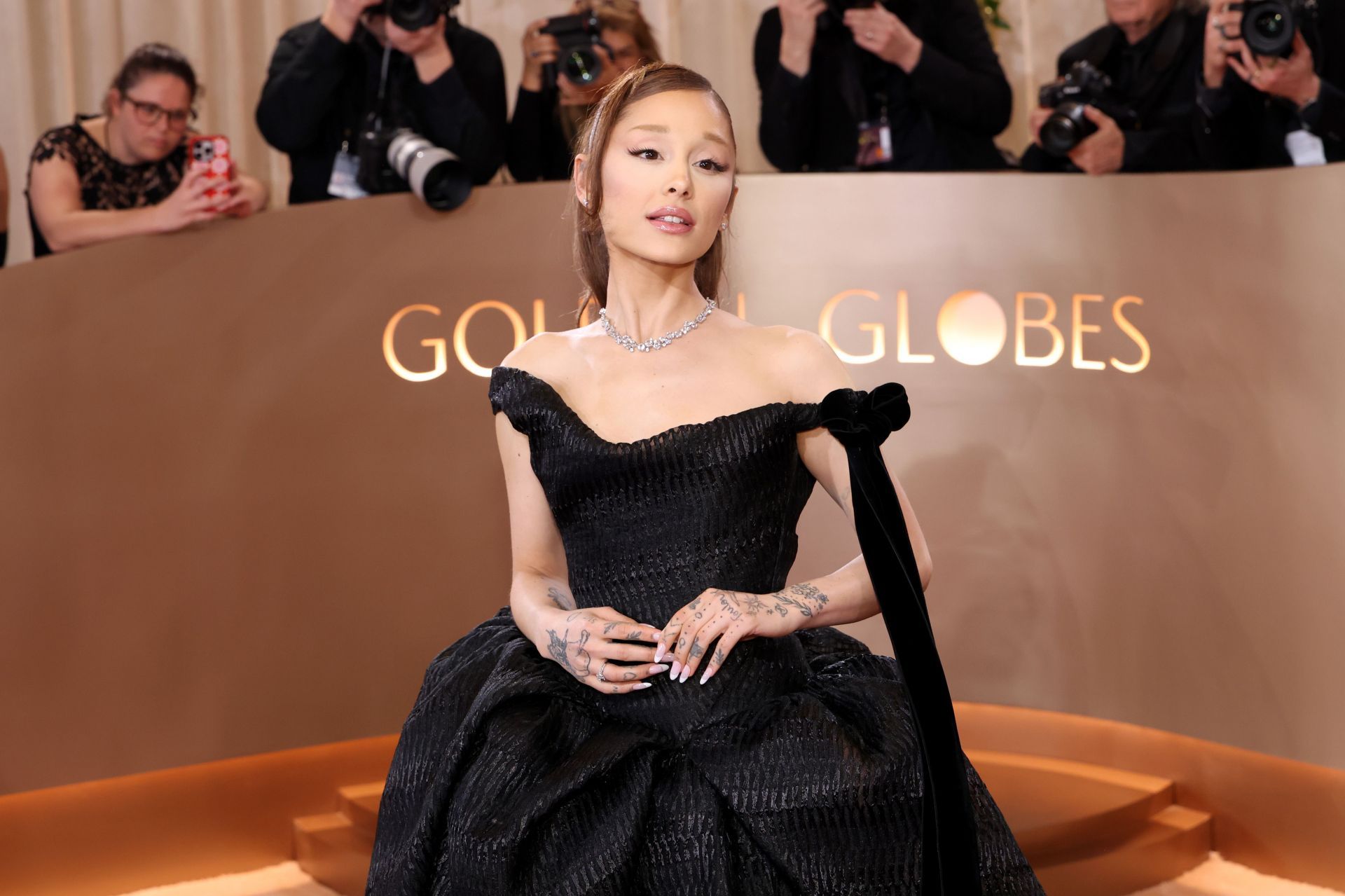
- Primary Look: Honey blonde, champagne blonde, soft updos, and slicked-back ballet buns.
- Impact: Transitioning to a soft, golden blonde to portray Glinda in the cinematic adaptation of Wicked required controlled lightening over time, accompanied by understated, low-tension styling to prevent repeat traction stress.
Key Hair Phases Compared
The table below outlines the major eras of Ariana Grande's hair transformations, the specific processes involved, and their impact on hair health:
| Era / Project | Primary Color & Style | Chemical / Physical Stressors | Hair Condition & Practical Solution |
|---|---|---|---|
| Nickelodeon (2009–2014) | Bright Red / Magenta (Straight/Wavy) | Red dye application every 14 days; high oxidation | Extreme cuticle damage, breakage; covered via clip-in ponytail extensions |
| Early Pop Stardom (2014–2017) | Deep Brown / Ombre High Ponytail | Daily extension tension; frequent heat styling | Masked underlying damage; allowed bottom layers to regrow underneath |
| Sweetener (2017–2018) | Platinum / Silver Blonde | Full-head bleach lifting from dark brown to pale blonde | Temporary structural compromise; mitigated with bond builders (e.g., Olaplex) |
| Interlude & Recovery (2019–2021) | Espresso / Natural Dark Ringlets | Minimal chemical processing; reduced heat usage | Significant regrowth; restoration of natural Type 3 curl integrity |
| Wicked Era (2022–2026) | Champagne / Honey Blonde Updos | On-set color maintenance; precise lightener application | Low-tension styling (ballet buns, soft sweeps); ongoing deep conditioning |
The Science of Chemical Damage and Traction Stress
Understanding what happened to Grande's hair requires examining two main trichological concepts: chemical degradation and mechanical/traction stress.
Chemical Degradation from Dye and Bleach
Hair strands consist primarily of keratin protein organized in an inner core (cortex) protected by an outer shingle-like layer (cuticle). When hair is dyed or bleached repeatedly:
- Peroxide and Ammonia: Opens the cuticle to break down natural melanin pigments.
- Disulfide Bond Cleavage: The chemical reaction degrades the structural proteins holding the hair fiber together.
- Porosity Elevation: Highly porous hair loses the ability to retain moisture, rendering strands brittle, dull, and prone to snapping off near the root or mid-shaft.
Mechanical Stress and Traction Alopecia Risks
Wears high, tight ponytails with heavy hair extensions over extended periods introduces physical risk:
- Traction Stress: Heavy extensions place constant downward pull on the hair follicle.
- Traction Alopecia: Long-term tension can inflame the hair follicle, potentially causing localized hair thinning along the hairline or crown.
- To avoid permanent follicular scarring, stylists must balance extension placement, rotate attachment points, and ensure the client takes planned breaks from heavy pieces.
How Ariana Grande Restored Her Hair Texture
Restoring severely damaged hair requires a combination of structural hair treatments, scalp care, and physical protection. Over the past several years, Grande achieved visible curl recovery through several deliberate practices:
1. Controlled Trimming and Transitioning
Damaged, split ends cannot be permanently fused back together. The most effective way to eliminate chemically degraded hair is to perform consistent trims over time, gradually removing damaged ends while new growth emerges from the root.
2. Intensive Protein and Bond-Building Treatments
Modern hair care relies heavily on molecular bond restorers (such as bis-aminopropyl diglycol dimaleate and specialized peptide chains). These products temporarily re-link broken disulfide bonds within the cortex, improving elasticity and tensile strength so the hair can survive necessary styling.
3. Reduced Thermal and Chemical Exposure
During breaks between major tours, albums, and film productions, Grande prioritized low-manipulation styles. Minimizing flat irons and curling wands helps prevent moisture loss in vulnerable, growing hair strands.
4. Scalp Health and Protective Updos
Maintaining a clean, hydrated scalp environment encourages optimal follicle function. Switching from high, heavy ponytails to soft, slicked-back ballet buns or low loose braids reduces tension on the frontal hairline while shielding the ends from daily rubbing against clothing.
Practical Hair Care Lessons for Preventing Chemical Damage
For individuals managing damaged, bleached, or extension-strained hair, the lessons drawn from high-profile hair restorations offer valuable guidance:
- Avoid Excessive Color Frequency: Space out full-head permanent coloring treatments by at least 6 to 8 weeks. For extreme color changes (such as dark brown to platinum or vivid red), use gentle deposit-only glazes or semi-permanent glosses on the mid-lengths and ends rather than continuous permanent lifting.
- Distribute Extension Weight Evenly: If using hair extensions, consult a certified technician to ensure the added weight is evenly distributed across healthy hair clusters. Never attach extensions to weak, fine, or compromised hair sections.
- Incorporate Bond-Repair Products: Integrate weekly targeted bond-building masks into your regimen alongside moisturizing conditioners to balance protein strength and hydration.
- Protect Natural Texture from Thermal Fatigue: Always apply a dedicated heat protectant spray (rated up to 450°F / 232°C) prior to using hot tools. Keep direct heat exposure to a minimum on fragile ends.
- Monitor Hairline Tension: Alternate your everyday styles. Wearing a tight ponytail or topknot in the exact same spot daily increases the risk of mechanical damage and hairline recession.
Frequently Asked Questions
Why did Ariana Grande have to dye her hair red for Nickelodeon?
Production executives for Victorious wanted her character, Cat Valentine, to have bright red hair to contrast with the dark hair of her co-stars. Because wigs were initially deemed unsuitable for camera testing at the time, she was asked to dye her natural hair every two weeks.
Is Ariana Grande's hair naturally curly?
Yes. Ariana Grande has naturally dark brown, tightly curled to wavy hair (generally classified within the Type 3 curl spectrum). She has occasionally shown her natural ringlets on social media during styling breaks.
Did Ariana Grande lose her natural hair permanently?
No. While her hair suffered severe breakage, thinning, and shaft destruction during her red-dye years, the hair follicles remained intact. Through protective styling, protein treatments, and regular trims, her natural hair successfully grew back.
Why did she wear a ponytail for so many years?
She wore high ponytail extensions as a protective mechanism to cover the uneven length and severe breakage caused by years of chemical dyeing. The high ponytail kept her damaged ends secure while allowing her natural hair to regrow underneath.
Did her blonde hair for Wicked damage her hair again?
Lightening hair to champagne blonde for her role as Glinda required chemical bleaching, which inherently weakens the hair shaft. However, modern bond-building treatments, custom wigs, and low-tension updos were utilized throughout production to minimize long-term damage compared to her earlier Nickelodeon dye routine.
Practical Recommendations for Managing Damaged Hair
If your hair is recovering from frequent bleaching, high-tension styles, or dye damage, take the following actions:
- Schedule a Professional Assessment: Consult a licensed cosmetologist or trichologist to determine your hair's current porosity, elastic limit, and structural integrity.
- Establish a Moisture-Protein Balance: Alternate between deep hydrating masks (rich in natural oils and butter) and structural protein treatments to restore tensile strength without making the hair brittle.
- Switch to Low-Tension Protective Styles: Give your scalp relief by choosing loose braids, low buns, or silk-scarf wraps instead of high, tight ponytails or heavy sew-in extensions.
- Patience with Regrowth: Hair grows an average of half an inch (1.25 cm) per month. True restoration requires consistent maintenance, regular trims to remove damaged ends, and minimizing direct heat application over a 12 to 24-month horizon.
Image Gallery