How to Make Barbecue Pulled Beef in a Slow Cooker
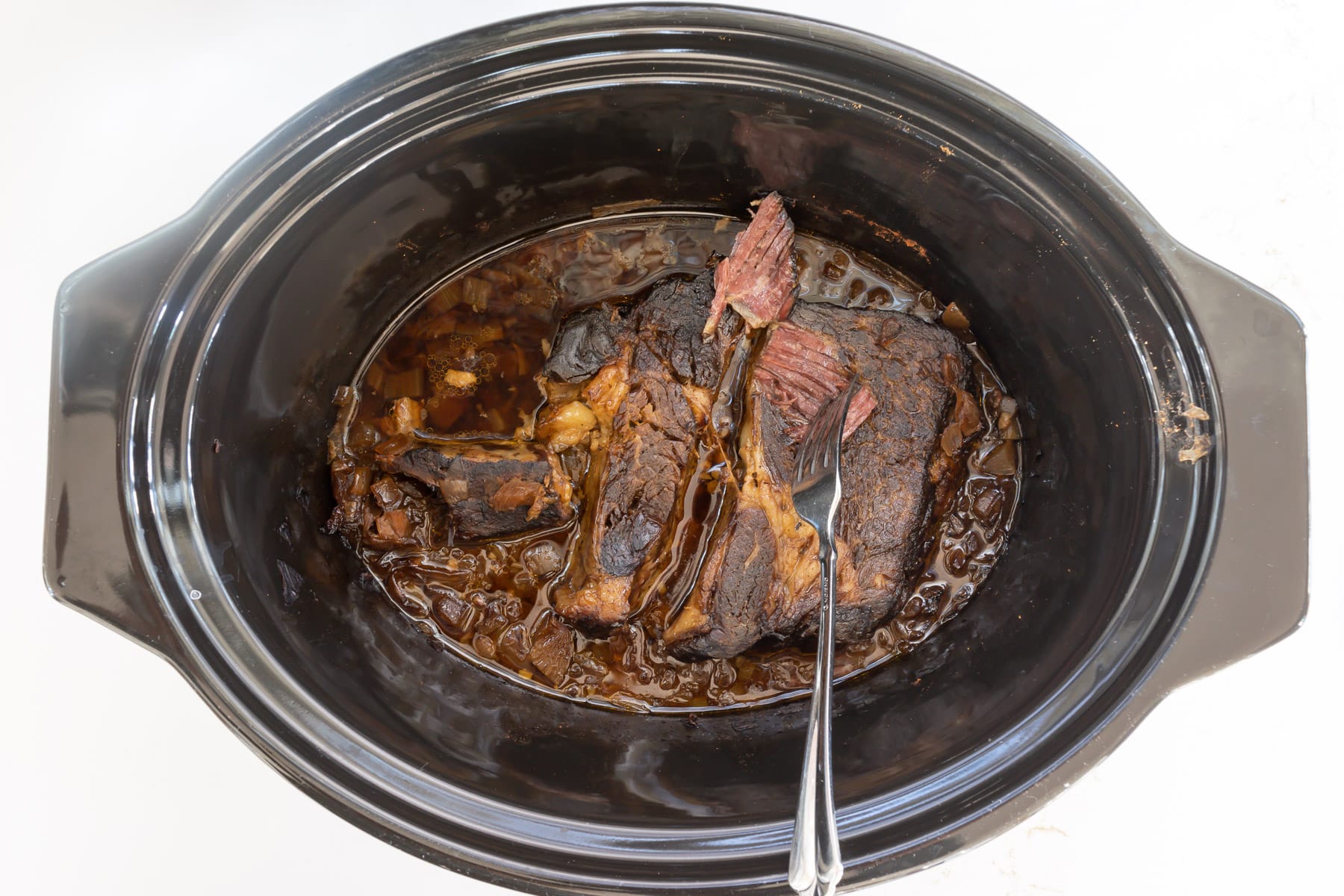
To make barbecue pulled beef in a slow cooker, seasoned beef—ideally a chuck roast—is cooked on low for 8 to 10 hours until the connective tissues break down. Once tender, the meat is shredded with forks, tossed with barbecue sauce, an...
To make barbecue pulled beef in a slow cooker, seasoned beef—ideally a chuck roast—is cooked on low for 8 to 10 hours until the connective tissues break down. Once tender, the meat is shredded with forks, tossed with barbecue sauce, and heated briefly to allow the flavors to meld perfectly.
Contents
The slow cooker is perhaps the most effective tool in the modern kitchen for transforming tough, economical cuts of meat into tender, flavor-packed meals. Barbecue pulled beef is the quintessential example of this transformation. Unlike quick-cooking steaks, pulled beef requires a "low and slow" approach to dissolve collagen into gelatin, resulting in a succulent texture that melts in your mouth. Whether you are preparing for a summer gathering in 2026 or a cozy winter dinner, mastering the slow cooker technique ensures consistent, professional-grade results every time.
Selecting the Best Cut of Beef for Shredding
The success of your barbecue pulled beef starts at the butcher counter. Not all beef is created equal when it comes to long-term braising. To achieve that signature "pull," you need a cut with significant intramuscular fat (marbling) and connective tissue.
The Chuck Roast: The Gold Standard
The beef chuck roast is widely considered the best choice for slow cooking. Sourced from the shoulder of the animal, this muscle group is heavily exercised, making it naturally tough but rich in flavor. As it cooks over several hours, the collagen within the chuck roast melts, lubricating the meat fibers and providing a rich, silky mouthfeel.
Alternatives: Brisket and Round
While chuck is the favorite, other cuts can be used with varying results:
- Beef Brisket: Specifically the "point" or "deckle" end. Brisket has a distinct grain and a deep beefy flavor. It is the backbone of Texas BBQ but can sometimes be pricier and slightly more fibrous than chuck.
- Rump Roast or Bottom Round: These are leaner options. If you choose these, you must be careful not to overcook them, as the lack of fat can lead to a "stringy" or dry texture. To compensate, you may need to add a bit more liquid or fat (such as butter or tallow) to the slow cooker.
Beef Selection Comparison Table
| Cut of Beef | Fat Content | Tenderness After 8 Hours | Best Use Case |
|---|---|---|---|
| Chuck Roast | High | Excellent | Classic pulled beef, sandwiches |
| Brisket (Point) | High | Very Good | Smoky BBQ flavor, tacos |
| Rump Roast | Low | Fair | Sliced beef or lean shredding |
| Bottom Round | Low | Fair | Budget-friendly meal prep |
Essential Ingredients and Equipment
Before you begin, ensure your kitchen is equipped with a reliable slow cooker. A 6-quart model is standard for a 3-to-4-pound roast.
The Flavor Foundation (The Dry Rub)
A dry rub serves two purposes: it seasons the meat deeply and helps create a "bark" or crust. A standard 2026 BBQ rub usually consists of:
- Kosher Salt: Draws out moisture and penetrates the meat.
- Brown Sugar: Provides sweetness and aids in caramelization.
- Smoked Paprika: Adds color and a subtle "outdoor grill" smokiness.
- Garlic and Onion Powder: Provide savory depth.
- Black Pepper and Cayenne: For a balanced heat.
The Braising Liquid
In a slow cooker, the meat produces its own juices, so you don't need much liquid. However, a small amount of "booster" liquid prevents scorching. Common choices include beef broth, apple cider vinegar (for acidity), or even a splash of dark beer or cola to help tenderize the fibers.
Step-by-Step Guide to Slow Cooker Pulled Beef
1. Preparation and Searing
While some recipes suggest throwing the raw meat directly into the pot, searing is a non-negotiable step for high-quality results. Pat the beef dry with paper towels; moisture on the surface prevents browning. Generously apply your dry rub to all sides.
Heat a heavy skillet (cast iron is ideal) over medium-high heat with a tablespoon of high-smoke-point oil. Sear the beef for 3-4 minutes per side until a deep brown crust forms. This is the Maillard reaction, which develops complex flavors that a slow cooker cannot produce on its own.
2. Setting the Slow Cooker
Place the seared roast into the slow cooker. If your roast is particularly large, you may need to cut it into two or three large chunks to ensure even heat distribution. Pour about half a cup of liquid (broth or water) into the skillet used for searing to "deglaze" it—scrape up all the brown bits—and pour that flavorful liquid over the beef.
3. The Cooking Phase
Set your slow cooker to LOW. While many modern units have a "High" setting that can finish meat in 4-5 hours, the "Low" setting (8-10 hours) is superior for pulled beef. The slower temperature rise allows the collagen to break down more thoroughly without tightening the muscle fibers, resulting in a more tender product.
4. The Shredding Process
Once the beef is fork-tender—meaning a fork can be twisted into the meat with zero resistance—remove it from the slow cooker and place it on a large cutting board or a shallow rimmed baking sheet. Let it rest for 10-15 minutes. This prevents the steam from escaping too quickly, which can dry out the meat.
Use two large forks to pull the meat apart along its natural grain. Remove any large pieces of unrendered fat or gristle at this stage.
5. The Final Sauce and Finish
Strain the leftover cooking liquid in the slow cooker to remove solids. You can skim the fat off the top using a fat separator. Return the shredded beef to the slow cooker and add your favorite barbecue sauce. For 3 pounds of beef, start with 1 to 1.5 cups of sauce. Add a bit of the reserved cooking liquid to keep it moist.
Pro Tip: For an authentic BBQ texture, spread the sauced, shredded beef on a baking sheet and broil it in the oven for 3-5 minutes until the edges become crispy.
Common Mistakes to Avoid
- Lifting the Lid: Every time you open the slow cooker, you lose significant heat and moisture, adding roughly 20-30 minutes to the cook time. Resist the urge to peek until the 8-hour mark.
- Adding Too Much Liquid: Beef releases a surprising amount of water as it cooks. If you submerge the roast in liquid, you end up with "boiled beef" rather than braised beef. Keep the liquid level low.
- Using Lean Meat: Using a lean cut like eye of round will result in dry, "chunky" meat that refuses to shred gracefully. Stick to well-marbled cuts.
- Under-seasoning: Large roasts need a lot of salt. Don't be afraid to be aggressive with the initial rub.
Customizing Your BBQ Style
Depending on your preference, you can pivot the flavor profile by changing the sauce and rub:
- Kansas City Style: Thick, sweet, and tomato-based sauce with plenty of molasses and brown sugar.
- Carolina Style: Use a vinegar-based sauce with red pepper flakes for a tangy, sharp bite that cuts through the richness of the beef.
- Texas Style: Focus on heavy black pepper in the rub and a thinner, savory "mop" sauce.
Safe Storage and Reheating Tips
Pulled beef is an excellent candidate for meal prep because the flavor often improves after a day in the refrigerator.
- Refrigeration: Store in an airtight container for up to 4 days.
- Freezing: Pulled beef freezes beautifully. Place cooled meat in freezer bags, removing as much air as possible. It will stay fresh for up to 3 months.
- Reheating: To maintain moisture, reheat the beef in a covered pan over low heat with a splash of broth or extra BBQ sauce. Avoid high-power microwaving, which can toughen the proteins.
For further information on safe internal temperatures for beef, consult the USDA Food Safety and Inspection Service guidelines, which recommend a minimum internal temperature of 145°F (63°C) for safety, though pulled beef usually reaches 200°F-205°F (93°C-96°C) to achieve tenderness.
FAQ
Can I make pulled beef in a slow cooker without searing it first?
Yes, you can skip the searing step if you are short on time. The meat will still be tender and shreddable. However, you will miss out on the deep, caramelized flavor and "bark" that searing provides. If skipping the sear, consider adding a teaspoon of liquid smoke to the pot to compensate for the flavor loss.
How do I know if the beef is done?
The best indicator of doneness is the "fork test." Insert a fork into the center of the roast and twist. If the meat yields easily and falls apart with minimal pressure, it is ready. If it still feels tough or "bouncy," it needs more time. This usually occurs around an internal temperature of 202°F.
Is it better to cook on High or Low heat?
For pulled beef, Low heat is almost always better. High heat can sometimes cause the protein fibers to contract too quickly, squeezing out moisture before the collagen has a chance to melt. Cooking on Low ensures the most succulent, "melt-in-your-mouth" texture.
My pulled beef is too salty; how can I fix it?
If the meat is over-salted, you can balance it by adding more acidity or sweetness. Increase the amount of barbecue sauce or add a tablespoon of apple cider vinegar or honey. Serving the beef on unsalted buns or with a creamy, vinegar-based coleslaw can also help neutralize the saltiness.
What should I serve with barbecue pulled beef?
Classic accompaniments include brioche buns, creamy coleslaw, pickled red onions, and jalapeños. For side dishes, consider mac and cheese, baked beans, or cornbread. The acidity of pickles or slaw is particularly helpful in balancing the richness of the beef.
Final Recommendation
For the best possible barbecue pulled beef in 2026, prioritize a high-quality chuck roast and dedicate the full 8 to 10 hours on the "Low" setting. The patience required for slow cooking is rewarded with a depth of flavor and a tender texture that simply cannot be rushed. Once shredded, don't forget to give the meat a quick "finish" under the broiler to add those coveted crispy edges before serving.
Image Gallery