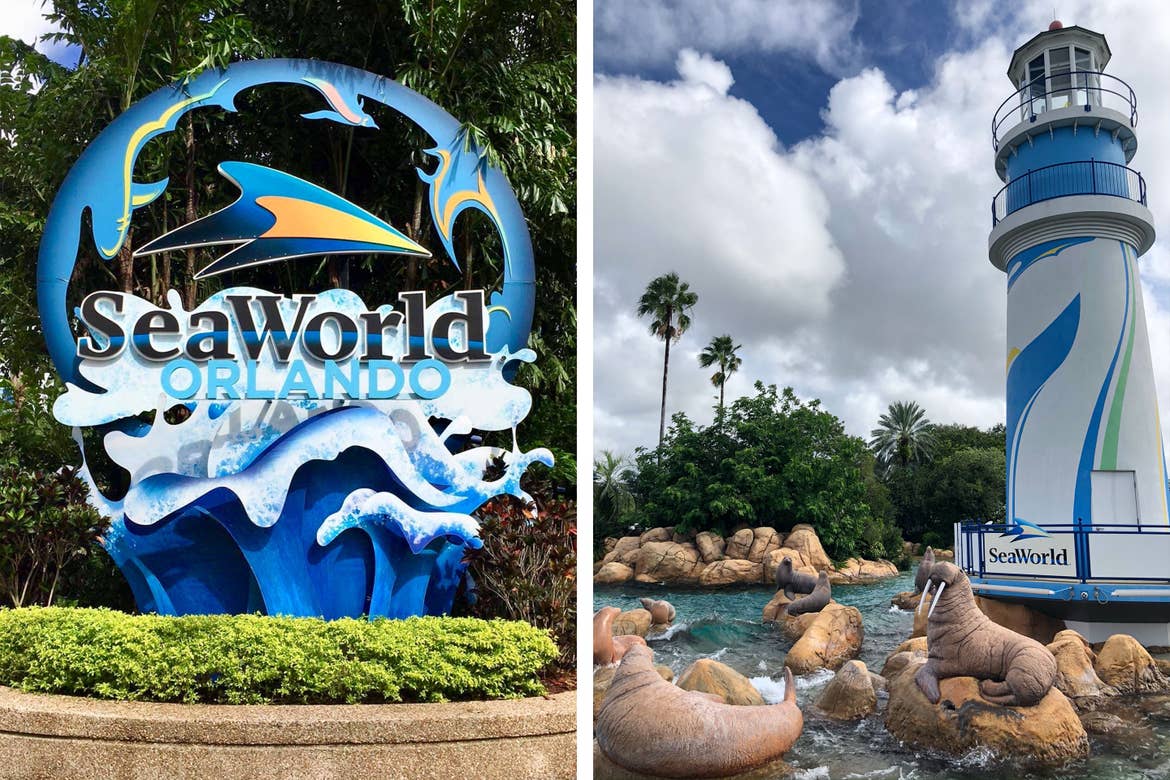
Strategic Environmental Initiatives: What SeaWorld Orlando Must Do for Sustainability
To achieve true operational sustainability, SeaWorld Orlando must transition to 100% renewable energy, implement closed-loop water filtration across all marine habitats, completely eliminate single-use plastics from concession operatio...
To achieve true operational sustainability, SeaWorld Orlando must transition to 100% renewable energy, implement closed-loop water filtration across all marine habitats, completely eliminate single-use plastics from concession operations, and establish third-party verified environmental, social, and governance (ESG) reporting standards to ensure transparency and accountability.
Contents
The Operational Imperative for Corporate Sustainability at SeaWorld Orlando
Destination theme parks require immense natural and municipal resources to operate daily. In Central Florida’s competitive tourism landscape, large-scale venues face mounting pressure from municipal utility providers, regional water management districts, and environmentally conscious consumers to reduce their ecological footprints.
SeaWorld Orlando occupies a distinct position in the amusement park sector. Because its brand equity and identity are linked directly to ocean health and marine life, its environmental practices face elevated public and regulatory scrutiny. Running major attraction rides, operating energy-intensive life-support filtration systems for millions of gallons of water, and processing millions of annual guests generate significant carbon, water, and waste footprints.
To maintain market leadership and mitigate operational risks associated with climate change and resource scarcity, SeaWorld Orlando must execute a structured, measurable sustainability strategy. This overhaul requires addressing five core operational pillars: energy management, water conservation, waste diversion, sustainable procurement, and transparent governance.
Core Pillars of an Effective Sustainability Strategy
SUSTAINABILITY FRAMEWORK:
- Energy Transition (Solar & Efficiency)
- Water Conservation (Closed-Loop)
- Waste Diversion (Zero-Waste)
- Supply Chain & Procurement (Ethical Sourcing)
- Governance & Transparency (GRI & ESG Data)
1. Renewable Energy Transition and On-Site Power Generation
Theme parks rank among the largest single-site electrical consumers in commercial service sectors. SeaWorld Orlando’s power consumption is driven by water filtration pumps, climate-controlled animal habitats, cooling towers, and high-voltage ride systems.
To reduce scope 1 and scope 2 greenhouse gas emissions, SeaWorld Orlando must execute a multi-phase renewable energy plan:
- Solar Canopy Infrastructure: Converting extensive surface parking lots into photovoltaic (PV) solar canopies provides dual benefits. It generates megawatts of clean energy directly at the point of consumption while offering shaded parking for guest vehicles.
- Facility Rooftop Solar: Fitting large structural roofs—such as indoor theaters, maintenance facilities, and back-of-house operations—with high-efficiency solar panels maximizes clean energy generation without using additional land.
- Microgrid and Energy Storage Systems (BESS): Installing industrial utility-scale battery storage allows the park to capture excess solar energy generated during peak daylight hours. This stored power can be dispatched during evening operational spikes or local grid disruptions, reducing strain on the regional power grid.
- HVAC and Variable Frequency Drives (VFDs): Replacing older mechanical systems with modern, smart HVAC controls and fitting all water circulation pumps with Variable Frequency Drives optimizes energy consumption based on real-time load requirements rather than constant, high-speed execution.
2. Advanced Water Conservation and Closed-Loop Reclamation
Central Florida’s rapid growth puts substantial pressure on the Floridan Aquifer, the primary freshwater source for the region. SeaWorld Orlando relies on water for animal habitats, splash rides, land irrigation, and cooling systems.
WATER MANAGEMENT CYCLE:
- Habitat & Park Runoff
- Advanced Membrane Bio-Reactors
- Closed-Loop Habitat Recycling
- Cooling & Irrigation
- Reclaimed Utility Water
- Zero-Potable Landscaping
To optimize its water footprint, the facility should adopt the following conservation measures:
- Closed-Loop Life Support Systems: Upgrading biological filtration systems with advanced membrane bio-reactors (MBRs) and ozone sterilization enables the continuous recycling of aquatic habitat water. This process significantly decreases the volume of fresh municipal water needed to maintain optimal water quality.
- Expanded Reclaimed Water Usage: Expanding dual-pipe plumbing systems allows non-potable reclaimed water to handle 100% of landscape irrigation, cooling tower makeup, and vehicle fleet wash stations.
- Stormwater Capture and Bio-Retention: Constructing bio-swales and retention wetlands throughout the property prevents polluted surface runoff from entering local watersheds like Shingle Creek. These natural systems filter rainwater, promoting safe groundwater recharge.
3. Comprehensive Waste Diversion and Circular Economy Integration
Handling municipal solid waste across food service, retail, and back-of-house maintenance operations requires a structured approach centered on material diversion and circular recycling strategies.
- Elimination of Single-Use Plastics: Replacing single-use plastic cups, cutlery, bags, and food containers with ocean-safe, marine-degradable, or certified compostable materials eliminates common sources of pollution.
- Organic and Food Waste Composting: Implementing front-of-house and back-of-house food waste sorting programs allows organic material to be redirected to local industrial composting facilities or anaerobic digesters, keeping organic waste out of municipal landfills where it produces methane.
- Closed-Loop Retail and Merchandise: Partnering with suppliers that prioritize post-consumer recycled (PCR) content for apparel, toys, and souvenir packaging helps lower the embedded carbon footprint of park retail operations.
Action Plan Matrix for Sustainability
The matrix below outlines practical targets across critical operational domains, highlighting the required technological investments and environmental outcomes.
| Sustainability Domain | Primary Focus Area | Required Technical Target | Expected Environmental Outcome |
|---|---|---|---|
| Energy & Carbon | On-site Solar PV & Storage | Install 15-20 MW solar canopy capacity over guest parking arrays. | Reduces Scope 2 emissions by 35-45%; lowers peak grid demand charges. |
| Water Resources | Closed-Loop Filtration | Upgrade habitat infrastructure with reverse osmosis and MBR systems. | Cuts freshwater draw by over 100 million gallons annually. |
| Waste Management | Organic & Plastic Diversion | Reach a certified 90%+ landfill diversion rate across all operations. | Minimizes landfill methane production; reduces ocean-bound plastic risks. |
| Supply Chain | Ethical Sourcing | Mandate 100% MSC-certified sustainable seafood for guests and animals. | Supports global fisheries conservation and avoids overfished stocks. |
| Green Infrastructure | Green Building Standards | Require LEED Silver certification for all new park developments. | Lowers lifetime operational costs and reduces embodied carbon footprint. |
Sustainable Supply Chain and Ethical Procurement
A facility's indirect environmental impact extends beyond its geographic boundaries. Scope 3 emissions—which encompass the upstream production and transportation of purchased goods—make up a large portion of a theme park’s total carbon footprint.
SUSTAINABLE SUPPLY CHAIN FLOW:
- Sustainable Seafood (MSC & ASC Certified)
- Local Produce (<150 Mile Radius)
- Eco-Textiles (Organic/Recycled)
- Green Fleet (EV Logistics)
Sustainable Seafood Procurement
SeaWorld consumes thousands of pounds of fish annually for both animal care and guest dining. Mandating that 100% of seafood purchased for park operations holds certification from organizations such as the Marine Stewardship Council (MSC) or Aquaculture Stewardship Council (ASC) ensures that sourcing practices do not contribute to overfishing, habitat destruction, or destructive harvesting methods.
Localized Food and Beverage Sourcing
Distributing food across high-volume dining outlets requires resilient supply networks. Partnering with agricultural producers within a 150-mile radius lowers fuel consumption related to food transport, reduces refrigeration emissions, and supports Florida’s regional agricultural economy.
Sustainable Merchandise Manufacturing
Plush toys, souvenir apparel, and keepsake items sold in retail locations should use verified recycled synthetic fibers or organically grown textiles. Retracting plastic packaging throughout the supply chain forces vendors to adopt minimal, recyclable packaging standards.
Third-Party Certification and Transparent Governance
Declarations of environmental progress require independent verification to guard against greenwashing claims and preserve corporate credibility. Adopting standardized reporting frameworks guarantees that sustainability claims remain grounded in clear, verifiable metrics.
GOVERNANCE & TRANSPARENCY PIPELINE:
- Framework Adoption (GRI, SASB, CDP Reporting)
- Public Disclosure (Annual ESG Impact Reports)
- Third-Party Verification (LEED & ISO 14001 Audits)
- Continuous Optimization (Annual Science-Based Review)
Standardized ESG Reporting Frameworks
SeaWorld Orlando should publish annual sustainability metrics aligned with international standards such as the Global Reporting Initiative (GRI), the Sustainability Accounting Standards Board (SASB), and the CDP (formerly the Carbon Disclosure Project). Standardized metrics for energy use, water consumption, and waste generation provide stakeholders, investors, and guests with clear, comparable performance data.
Environmental Management System Certification
Attaining ISO 14001 certification for environmental management systems establishes an operational framework for continuous improvement. This requires regular external audits, documented compliance procedures, clear emergency mitigation protocols, and structured targets for reducing operational impacts.
Science-Based Targets initiative (SBTi) Alignment
Setting emissions reduction goals aligned with the Science-Based Targets initiative (SBTi) ensures that park goals match global efforts to limit climate warming. Committing to clear net-zero targets demonstrates a long-term commitment to operational decarbonization.
Frequently Asked Questions
How does theme park water consumption impact Central Florida's freshwater resources?
Theme parks require millions of gallons of water annually for habitat filtration, cooling towers, rides, and general sanitation. Unregulated freshwater extraction can deplete the Floridan Aquifer, lower local lake levels, and increase the risk of sinkhole formation. Implementing closed-loop recycling and using reclaimed water for non-potable needs helps relieve pressure on these regional freshwater sources.
Can SeaWorld Orlando generate enough solar energy to power major ride systems?
While high-intensity roller coasters draw large power surges that require grid support, installing expansive solar parking canopies and rooftop arrays can supply a substantial portion of the park's baseline power needs. Combined with battery energy storage systems (BESS), solar power can smooth out peak demand loads and run continuous systems like water filtration pumps.
What is the financial benefit of transitioning to zero-waste operations?
While establishing composting programs and sourcing plastic alternatives requires upfront planning, zero-waste initiatives cut ongoing municipal tipping fees and waste-hauling costs. Long-term cost savings, combined with rising consumer preference for environmentally responsible brands, provide a strong return on investment for diversion initiatives.
How does eliminating single-use plastics protect marine life?
Single-use plastics break down into microplastics, which contaminate aquatic ecosystems, enter food chains, and harm marine organisms through ingestion and entanglement. Because SeaWorld's brand identity centers on marine education and rescue efforts, removing single-use plastics aligns park operations directly with its core conservation mission.
What building standards should SeaWorld Orlando adopt for new park expansions?
All new construction, facility upgrades, and administrative buildings should aim for LEED (Leadership in Energy and Environmental Design) Silver certification or higher. LEED standards ensure that structures maximize energy performance, optimize indoor air quality, conserve water, and use sustainably sourced building materials.
Actionable Recommendations for SeaWorld Leadership
To translate environmental objectives into measurable operational progress, park leadership should execute the following steps:
- Conduct a Comprehensive Baseline Environmental Audit: Engage an independent environmental engineering firm to audit current scope 1, 2, and 3 emissions, daily water balances, and waste stream components across the entire Orlando property.
- Commit Capital for Solar Parking Canopies: Begin engineering and permitting for a multi-megawatt photovoltaic solar array over main guest parking areas to capture clean energy and reduce utility demand charges.
- Establish a Public ESG Roadmap: Publish a comprehensive sustainability roadmap outlining clear targets for energy reduction, water recycling rates, zero-waste goals, and sustainable procurement practices.
- Form an Environmental Steering Committee: Create an internal committee featuring representatives from facility operations, animal care, supply chain procurement, and corporate communications to monitor progress and maintain accountability.
Image Gallery