Understanding Mark Klimek Lecture Notes and NCLEX Preparation Resources
Mark Klimek’s lecture notes are widely sought-after supplementary study materials used by nursing students preparing for the National Council Licensure Examination (NCLEX-RN and NCLEX-PN). These notes summarize the core clinical concep...
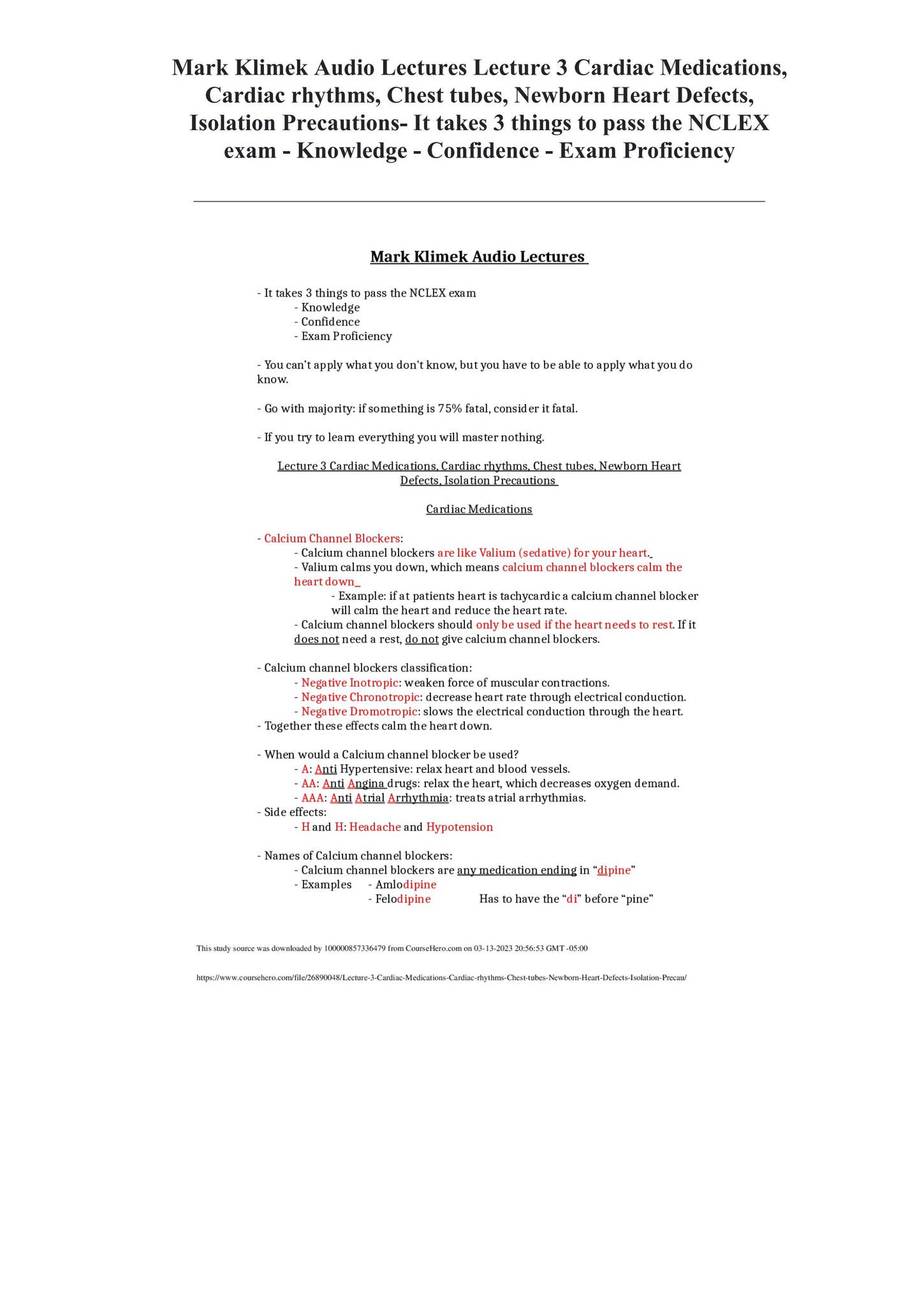
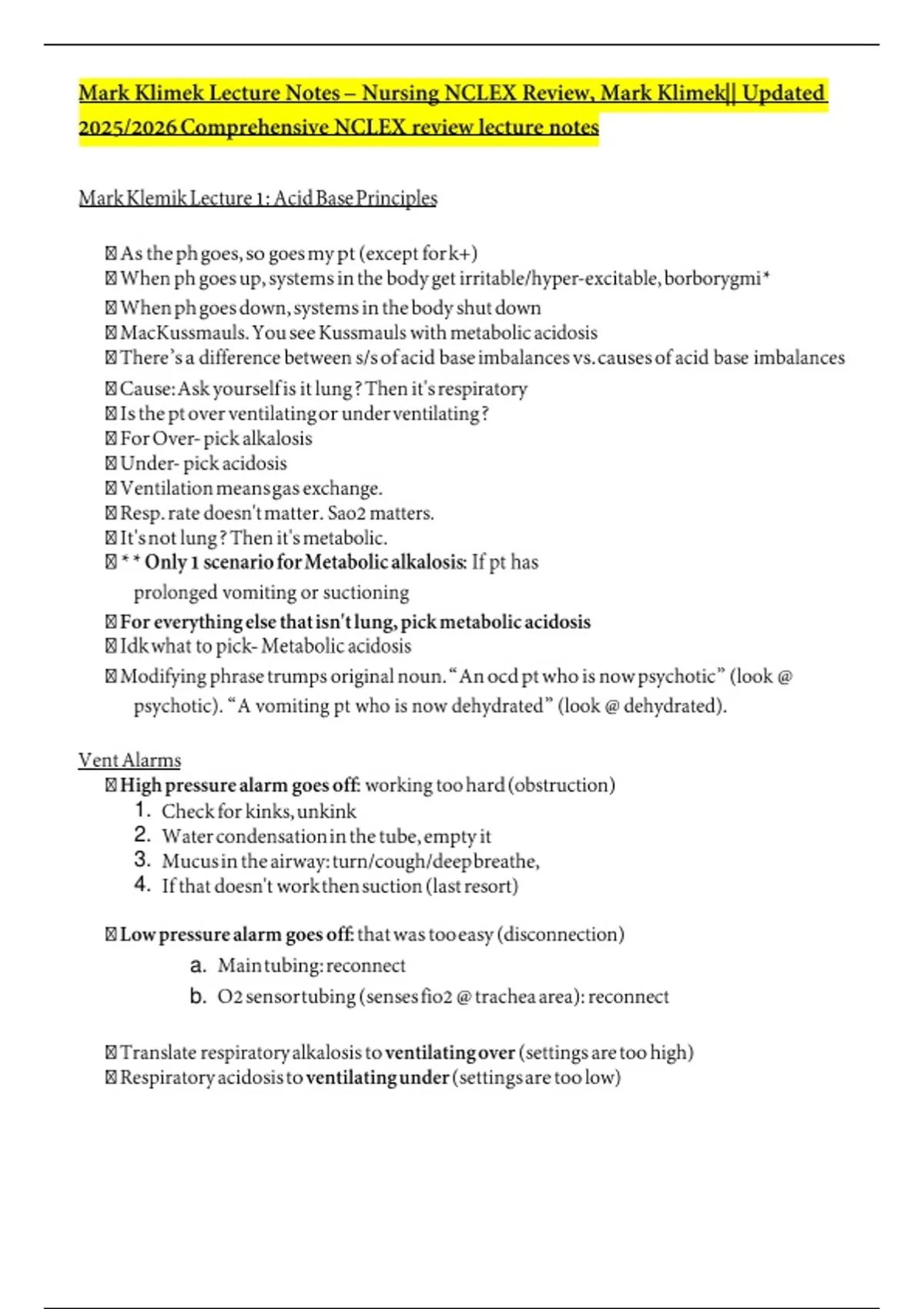
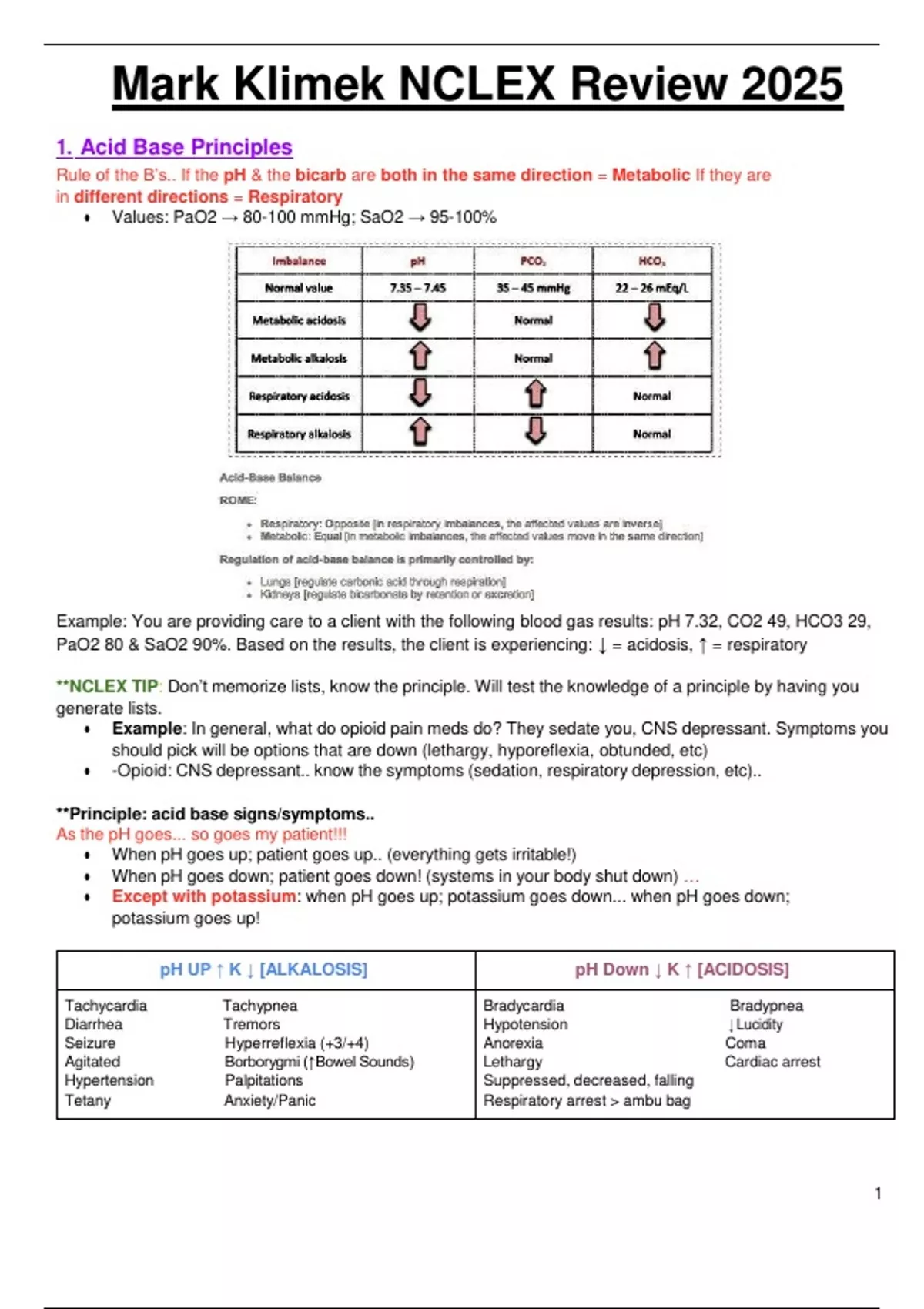
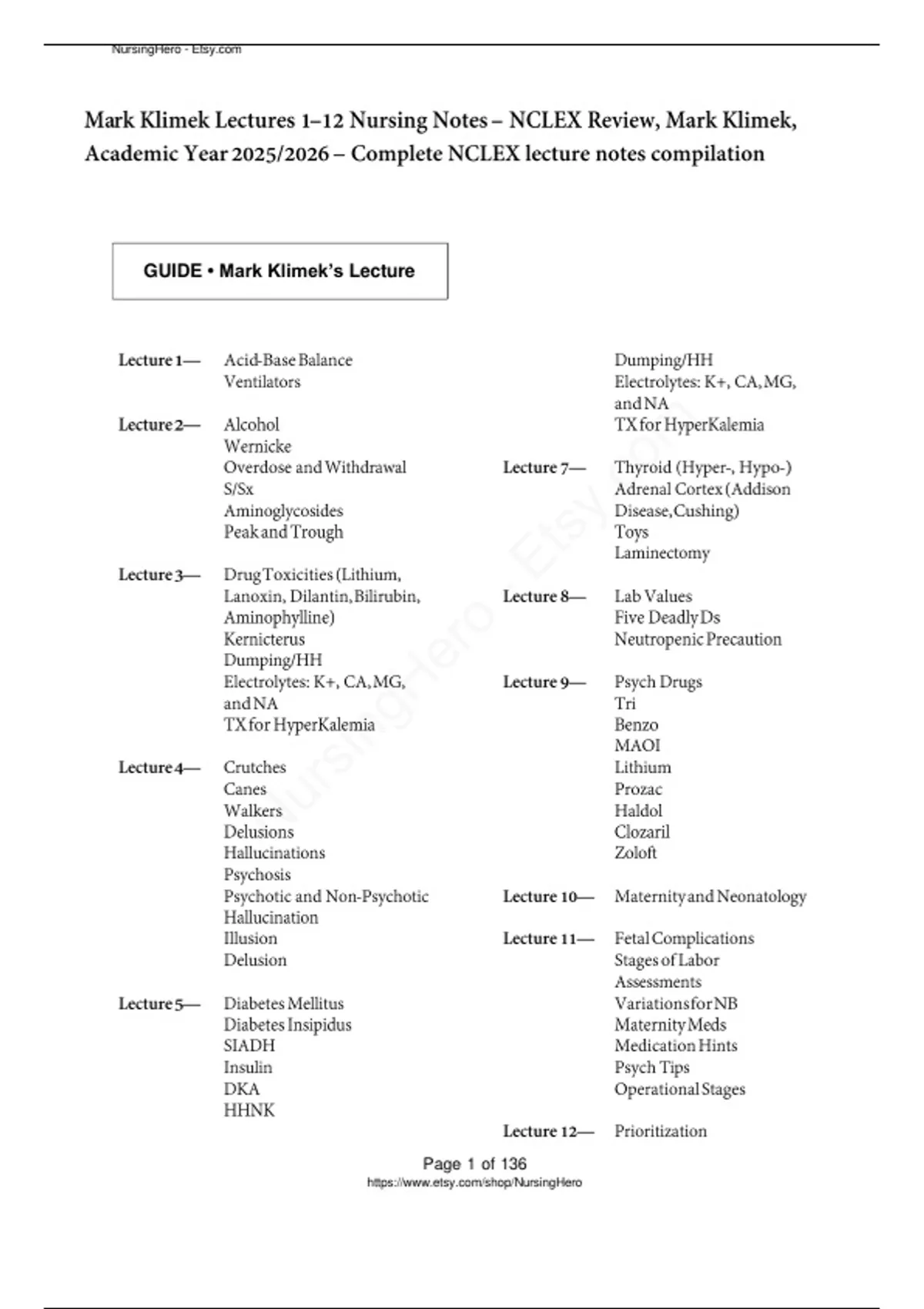
Mark Klimek’s lecture notes are widely sought-after supplementary study materials used by nursing students preparing for the National Council Licensure Examination (NCLEX-RN and NCLEX-PN). These notes summarize the core clinical concepts, pharmacological principles, and test-taking strategies presented during his specialized review seminars, acting as a high-yield reinforcement tool for students aiming to consolidate complex medical information into manageable, actionable study segments.
Contents
The Role of Mark Klimek Lecture Notes in NCLEX Preparation
For nursing graduates, the transition from academic coursework to the NCLEX is a high-stakes process. The exam is not merely a test of rote memorization but a comprehensive assessment of clinical judgment, safety, and priority-setting. Mark Klimek, a nurse educator with decades of experience, developed a lecture series specifically designed to bridge the gap between textbook knowledge and board-exam application.
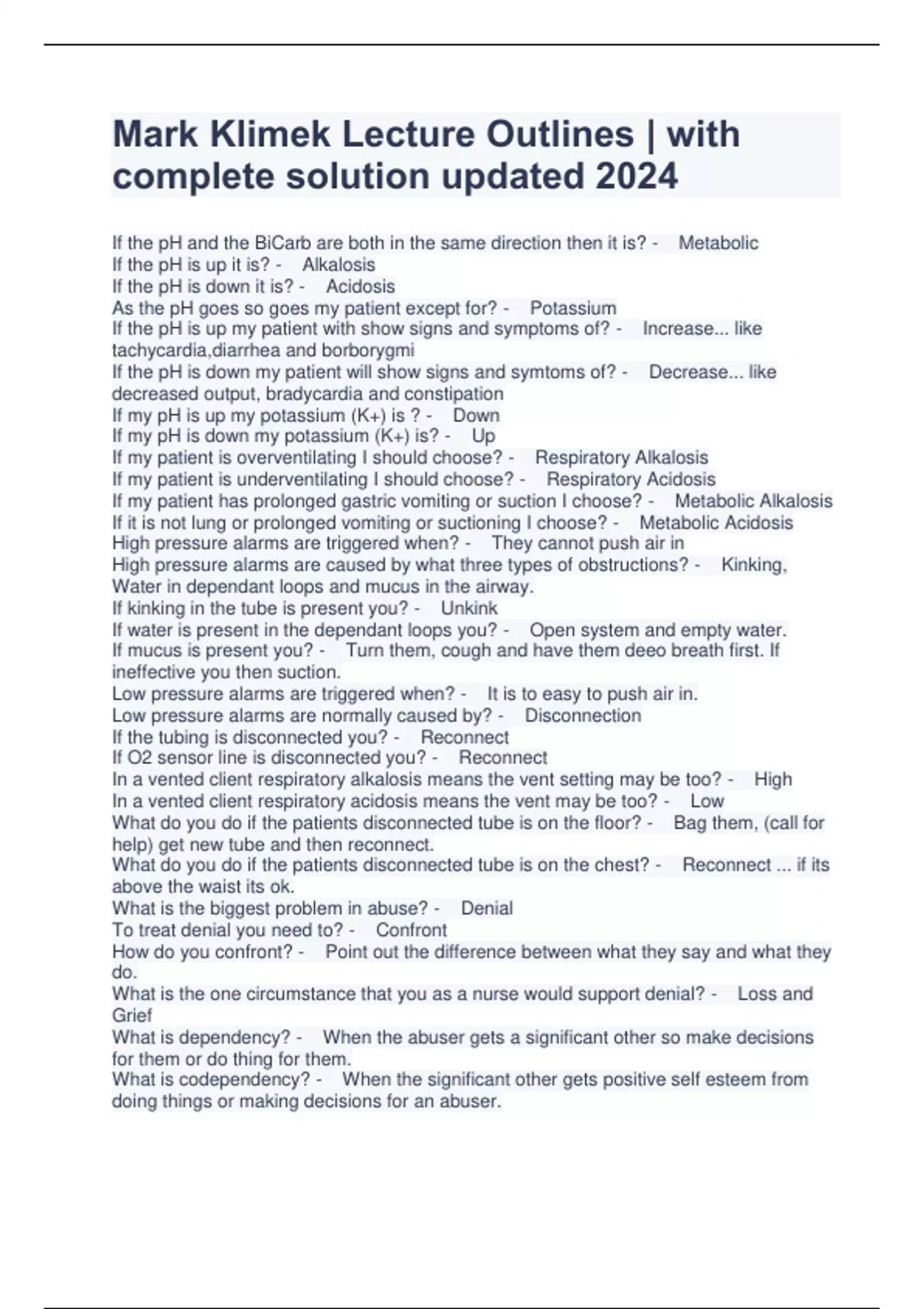
The "lecture notes" circulating in student communities are typically transcribed or summarized versions of the audio content from these seminars. They are highly regarded because they prioritize "need-to-know" information over the dense, secondary details often found in traditional nursing textbooks. By focusing on the "Blue Book" (the core manual provided in his official seminars) and supplementary lecture concepts, students often find they can more effectively prioritize their study time, focusing on high-frequency topics like delegation, prioritization, and critical care nursing.
Identifying Authentic Materials vs. Informal Summaries
It is important to distinguish between official course materials and unofficial student-generated summaries. Mark Klimek’s official review courses are conducted as live or recorded seminars. The physical or digital materials provided during these sessions are proprietary educational resources.
Many students search for "Mark Klimek lecture notes PDF" because they are looking for cost-effective or accessible versions of the strategies discussed in his live lectures. You will find that these documents often contain:
- Pharmacology Mnemonics: Simplified ways to remember drug classifications and their primary side effects.
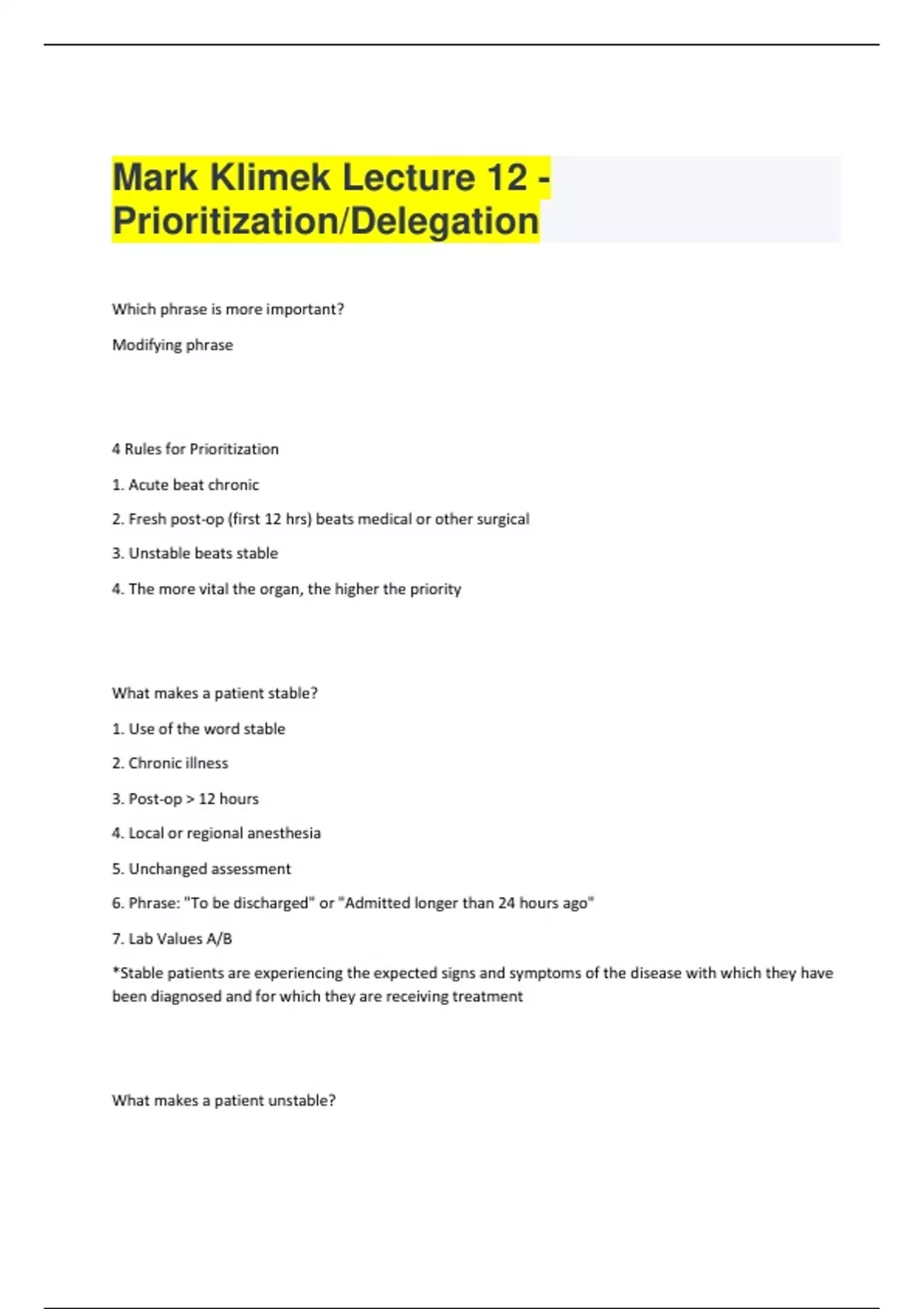
- Prioritization Frameworks: The "Who to see first" logic that defines the NCLEX experience.
- Safety and Infection Control: Clear, concise rules regarding isolation precautions and delegation parameters.
- Management of Care: Specific guidance on what nursing tasks can be delegated to assistive personnel versus licensed practical nurses.
Students should verify the source of any PDF they access. While community-shared notes can be helpful for quick review, they may lack the context of the live lecture, which is where the nuances of his teaching style—such as his specific mnemonic devices—are fully explained.
Comparing NCLEX Preparation Resources
When planning your study schedule, it is helpful to understand how specific resources fit into a broader preparation strategy. The following table compares common resource types used alongside lecture summaries.
| Resource Type | Primary Focus | Best Used For |
|---|---|---|
| Lecture Notes (PDF) | High-yield strategies & mnemonics | Final week review & memory retention |
| Q-Banks (e.g., UWorld) | Application & question stamina | Daily practice & rationalization study |
| NCLEX Textbooks | Core clinical theory | Deep dives into unfamiliar subjects |
| Official Seminar (Live) | Dynamic explanation & Q&A | Initial comprehensive preparation |
Practical Steps for Effective NCLEX Study
To maximize the efficacy of these notes, they should be used as a supplement to, rather than a replacement for, active practice questions.
- Assess Your Baseline: Before diving into notes, take a diagnostic exam to identify your weak areas (e.g., fluid and electrolytes, maternal-newborn, or psychiatric nursing).
- Integrate Notes with Practice: When you get a question wrong in a Q-bank, do not just read the explanation. Locate the relevant section in your notes, annotate the specific mnemonic or strategy that would have helped you answer correctly, and cross-reference it with the official NCLEX test plan.
- Prioritize Strategic Thinking: Use the notes specifically to drill the "Priority" sections. The NCLEX heavily weights management of care, and Klimek’s approach is structured to help you make decisions under pressure.
- Scheduled Review: Plan a cyclical review where you revisit the notes every 48 hours to move the mnemonic concepts from short-term to long-term memory.
Common Pitfalls and Troubleshooting
A frequent mistake students make is attempting to memorize entire documents word-for-word. The lecture notes are designed to be pedagogical triggers—they should help you recall the "Why" behind a clinical concept. If you find yourself struggling with a section of the notes, it indicates a gap in your fundamental knowledge, not just your memorization.
- Issue: Inability to apply the strategy. If you know the mnemonic but consistently miss questions related to that topic, return to your core nursing textbook. The note is a summary, not a comprehensive manual.
- Issue: Over-reliance on outdated versions. Ensure your notes are consistent with current NCLEX-RN test plans. While fundamental nursing science remains stable, specific delegation rules and pharmacology standards are subject to clinical updates.
- Issue: Lack of context. If you find the notes confusing, look for supplementary audio or video explanations that clarify how the specific lecture material applies to the current NCLEX format.
Frequently Asked Questions
Do these notes cover the current NCLEX-RN test plan?
These notes generally cover core clinical competencies that form the foundation of nursing practice. However, because the NCLEX evolves to incorporate "Next Generation" question formats, these notes should be used as a foundational tool rather than a comprehensive guide to the specific format of the exam.
Are these notes official Mark Klimek publications?
Generally, no. Most "Mark Klimek lecture notes PDFs" found online are student-transcribed summaries of his live seminars. The official materials are typically provided directly through the Mark Klimek review course portal.
Can these notes guarantee a passing score?
No study material guarantees a passing score. The NCLEX evaluates clinical judgment. These notes are most effective when paired with thousands of practice questions that simulate the computer-adaptive nature of the exam.
Should I study these notes alongside other review books?
Yes. Relying on a single source often leads to a skewed understanding of the material. Use these notes to learn the "tricks" and strategies, but use a comprehensive NCLEX textbook to ensure your clinical knowledge is grounded in evidence-based practice.
How much time should I spend on these notes?
Spend approximately 20-30% of your total study time on strategy review (notes) and 70-80% on active application (practice questions). The notes are for refining your logic, while the questions are for testing your readiness.
Recommendation for Next Steps
If you are currently preparing for the NCLEX, treat these notes as a navigational compass. Identify your weakest subjects first, then read the corresponding sections in your notes to learn the underlying frameworks and shortcuts. Immediately apply these to 50-100 practice questions to reinforce the learning. Do not treat these notes as a static document; treat them as a living study guide that you update and annotate as your proficiency grows. Consistency in applying these strategies during your daily practice sessions is the most reliable way to improve your performance on the actual exam.
Image Gallery