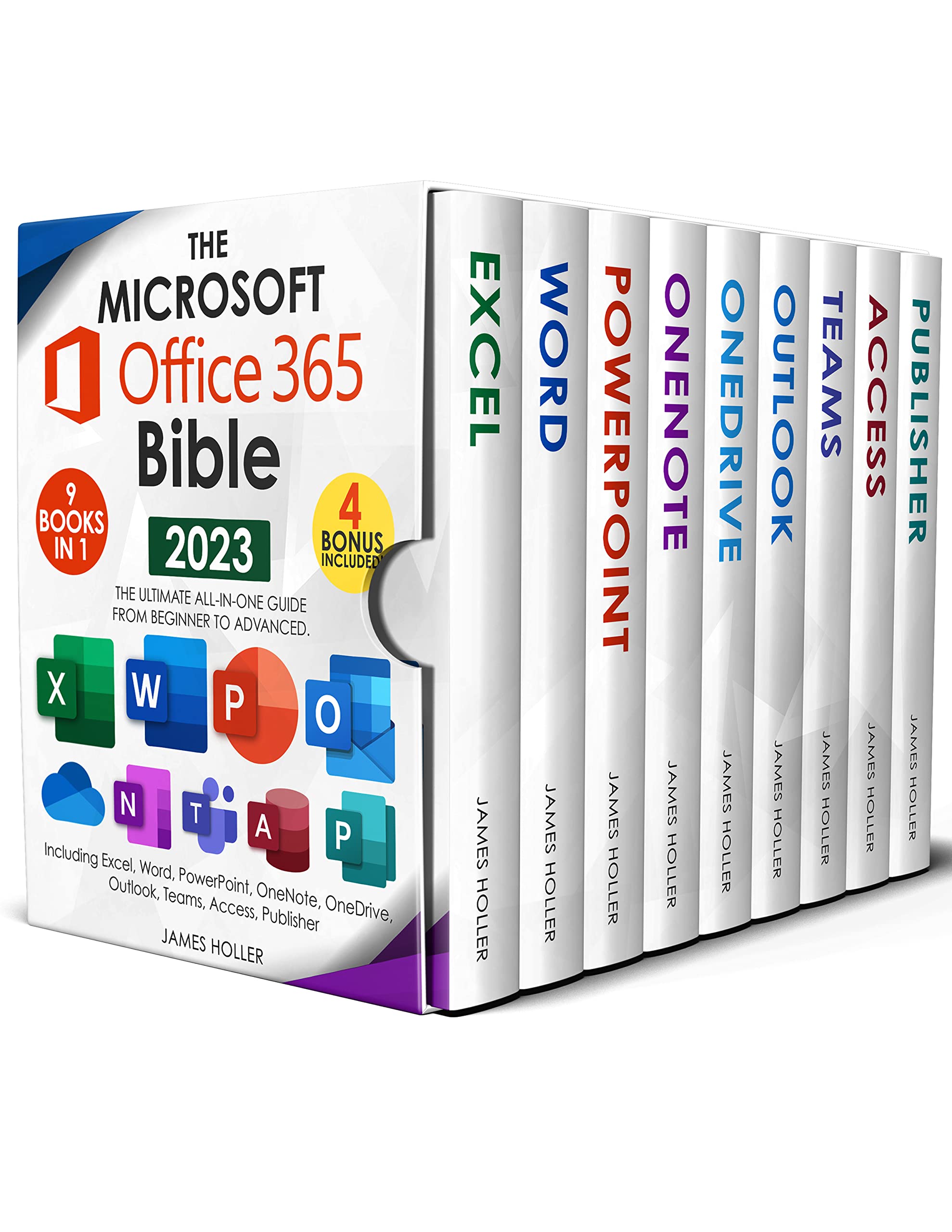
The History of Microsoft Office: When It Was Created and How It Evolved
Microsoft Office was officially created and released for the Macintosh on October 1, 1989, followed by a Windows version on October 30, 1990. Originally introduced as a bundled suite of distinct productivity programs—specifically Micro...
Microsoft Office was officially created and released for the Macintosh on October 1, 1989, followed by a Windows version on October 30, 1990. Originally introduced as a bundled suite of distinct productivity programs—specifically Microsoft Word, Microsoft Excel, and Microsoft PowerPoint—it fundamentally transformed how office administrative tasks, document processing, and data management were executed across personal computing environments.
Contents
Understanding the origins of Microsoft Office requires looking back at the early history of personal computing, software bundling strategies, and the competitive landscape of the late 1980s. Before Office became a unified brand, its core applications existed as standalone products developed for different operating systems. Tracing the timeline of its creation illuminates not only the evolution of a software giant but also the broader maturation of modern workplace technology.
The Pre-Office Era: Standalone Applications and Early Roots
To understand when Microsoft Office was created, one must examine the individual applications that comprised the original bundle. Long before Microsoft packaged them together, each program had its own distinct development history, target operating system, and competitive environment.
The Origins of Microsoft Word
Microsoft Word did not start as a Windows application. The first version, originally called Multi-Tool Word, was released in 1983 for Xenix and MS-DOS systems. Designed by former Xerox programmers Charles Simonyi and Richard Brodie, who were hired by Bill Gates and Paul Allen in 1981, Word introduced the concept of WYSIWYG (What You See Is What You Get) to a broad MS-DOS audience, although initial adoption was slow due to strong competition from programs like WordPerfect and WordStar.
The Rise of Microsoft Excel
Before Excel, Microsoft’s primary spreadsheet software was Multiplan, released in 1982. While Multiplan was successful on CP/M systems, it struggled to compete with Lotus 1-2-3 on MS-DOS. To counter Lotus, Microsoft developed Excel specifically for the Apple Macintosh in 1985. Excel introduced a graphical user interface, a recalculation engine that only updated changed cells, and user-friendly macro capabilities. When Excel was ported to Windows 2.x in 1987, it helped drive the adoption of the Windows platform and eclipsed Lotus 1-2-3.
The Acquisition of PowerPoint
Microsoft PowerPoint was not initially built in-house. It was developed by Forethought, Inc., a software startup founded by Robert Gaskins and Dennis Austin. Originally titled "Presenter" for the Macintosh, the software was acquired by Microsoft in July 1987 for approximately $14 million. Microsoft integrated the development team into its graphics business unit and released PowerPoint 2.0 for Windows in 1990 alongside the first version of Microsoft Office.
The Official Release Timeline: 1989 and 1990
The concept of the "office suite" emerged as software vendors recognized that business users routinely purchased word processors, spreadsheets, and presentation tools together. Bundling these applications offered a unified pricing structure, consistent user interfaces, and streamlined installation.
| Date | Product Version | Target Operating System | Included Applications |
|---|---|---|---|
| October 1, 1989 | Microsoft Office for Macintosh (Version 1.0) | Apple Macintosh (System 6 / 7) | Word 4.0, Excel 2.2, PowerPoint 2.0, Mail |
| October 30, 1990 | Microsoft Office for Windows (Version 1.0) | Windows 3.0 | Word 1.1, Excel 2.02, PowerPoint 2.0 |
| 1992 | Microsoft Office 3.0 (Professional) | Windows 3.1 | Word 2.0, Excel 4.0, PowerPoint 3.0, Mail |
As detailed in the table above, the Mac version preceded the Windows version by over a year. This sequence often surprises modern users, given Microsoft’s historical association with Windows. In the late 1980s, the Macintosh possessed a mature graphical user interface that made it an ideal platform for desktop publishing and integrated office software before Windows 3.0 achieved widespread market dominance.
Expansion and Market Dominance in the 1990s
Following the initial releases, Microsoft systematically updated the suite, solidifying its market position throughout the decade. Key iterations released during this foundational era established the feature sets and application pairings that users recognize today.
Microsoft Office 4.x and the Windows 95 Era
Released in 1994, Microsoft Office 4.2 for Windows NT and Windows 3.1 included Word 6.0, Excel 5.0, and PowerPoint 4.0. Crucially, this version represented a concerted effort to unify version numbers across the applications. Shortly thereafter, Office 95 launched in parallel with the revolutionary Windows 95 operating system, transitioning the entire suite to a true 32-bit architecture.
The Introduction of Microsoft Outlook
In 1997, Microsoft released Office 97, which introduced the Office Assistant (Clippy), improved web integration, and replaced several disparate communication tools with Microsoft Outlook. Outlook combined email management, calendaring, task tracking, and contact management into a single interface, making it an indispensable enterprise tool.
Evolution from Perpetual Licenses to Cloud Subscriptions
For the first two decades of its existence, Microsoft Office was sold primarily as a perpetual-use desktop license. Users purchased a physical box containing installation media or downloaded an installer package for a one-time fee. Major upgrades arrived every two to three years—such as Office 2000, Office XP, Office 2003, Office 2007, and Office 2010—each introducing interface overhauls, such as the controversial Ribbon interface introduced in Office 2007.
In October 2011, Microsoft launched Office 365, shifting the business model toward a recurring cloud-based subscription service. This transition ensured that users received continuous feature updates, cloud storage integration via OneDrive, and multi-device installation rights without waiting for major generational upgrades. In 2020, Office 365 was rebranded as Microsoft 365, reflecting a broader suite of consumer and enterprise services that extend far beyond traditional desktop document editing.
Frequently Asked Questions
Which application was created first, Word or Excel?
Microsoft Word was created first, with its initial release occurring in 1983 for MS-DOS and Xenix systems. Microsoft Excel was developed later, launching initially for the Apple Macintosh in 1985 before arriving on Windows in 1987.
Was Microsoft Office originally released for Windows or Mac?
Microsoft Office was originally released for the Apple Macintosh on October 1, 1989. The first version for the Windows operating system followed a year later, on October 30, 1990.
What programs were included in the very first version of Microsoft Office?
The original 1989 Macintosh release included Microsoft Word, Microsoft Excel, Microsoft PowerPoint, and Microsoft Mail. The 1990 Windows release included Word, Excel, and PowerPoint.
How has the licensing model for Microsoft Office changed over time?
For most of its history, Microsoft Office was sold as a one-time purchase perpetual license. In 2011, Microsoft introduced Office 365 (now Microsoft 365), shifting the primary delivery model to a cloud-based subscription service while maintaining traditional perpetual licenses for specific enterprise and consumer editions.
Who founded Microsoft, and were they involved in creating Office?
Microsoft was founded in 1975 by Bill Gates and Paul Allen. While they oversaw the strategic direction of the company and hired key architects like Charles Simonyi to develop Word, the individual applications within the Office suite were built by specialized engineering teams over many years.
Summary and Next Actions
Microsoft Office was created in 1989 for the Macintosh and 1990 for Windows, emerging as a response to the growing need for integrated workplace software. By bundling standalone market leaders like Word, Excel, and PowerPoint into a unified package, Microsoft established a standard for productivity suites that persists in the modern era.
If you are currently evaluating productivity software options for personal or enterprise use, review your licensing requirements. Determine whether a recurring subscription via Microsoft 365—which provides continuous updates and cloud storage—better suits your workflow, or if a traditional one-time purchase perpetual license aligns with your operational needs.
Image Gallery