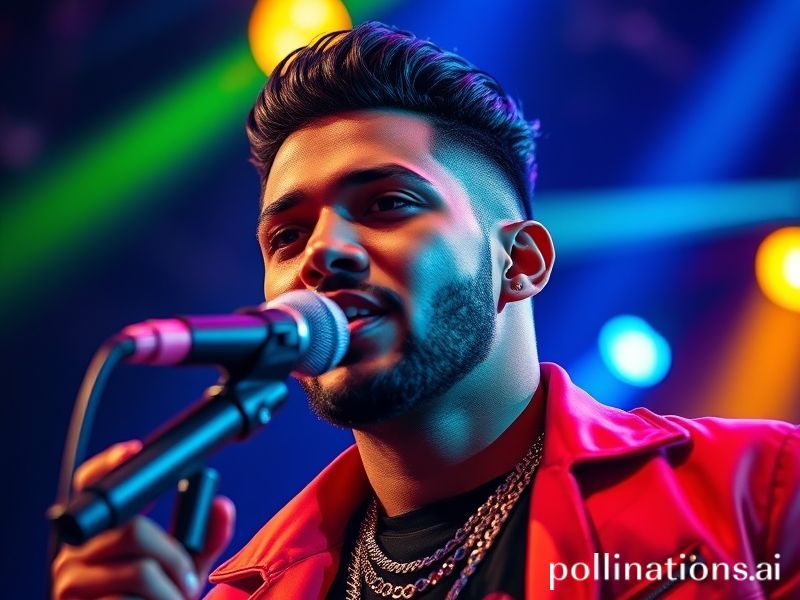
Maluma the Rapper: His Evolution from Latin Pop to Urban Rap Beats
Maluma’s transition from a Latin pop idol to a dominant force in urban rap beats represents a calculated evolution of flow, production, and persona. While initially known for melodic ballads, his "Dirty Boy" alter ego embraced the rhyt...
Maluma’s transition from a Latin pop idol to a dominant force in urban rap beats represents a calculated evolution of flow, production, and persona. While initially known for melodic ballads, his "Dirty Boy" alter ego embraced the rhythmic "chanteo" and trap influences, solidifying his status as a versatile rapper in the global urban landscape.
Contents
The Dual Identity: "Pretty Boy, Dirty Boy" as a Blueprint
The career of Juan Luis Londoño Arias, known globally as Maluma, is defined by a fundamental dichotomy established early in his trajectory. The 2015 album Pretty Boy, Dirty Boy was not merely a title; it was a strategic framework for his artistic growth. The "Pretty Boy" side catered to the mainstream Latin pop audience, focusing on romantic lyricism and radio-friendly melodies. However, it was the "Dirty Boy" side that introduced Maluma the rapper to the world.
This "Dirty Boy" persona leaned heavily into the underground roots of reggaeton and the emerging Latin trap scene. In 2026, music historians look back at this era as the moment Maluma began experimenting with aggressive vocal deliveries and syncopated rhythms that moved away from standard pop structures. By adopting the "chanteo"—a specific style of rapping within reggaeton that emphasizes cadence and street slang—Maluma bridged the gap between a teen pop sensation and a serious urban artist.
The shift was not just lyrical but structural. His tracks began to feature the heavy 808 basslines and sparse, atmospheric synth pads characteristic of Atlanta trap, blended with the relentless dembow rhythm of the Caribbean. This hybridization allowed him to maintain his core fanbase while gaining credibility in the urban clubs of Medellín, San Juan, and Miami.
Technical Elements of Maluma’s Urban Rap Production
To understand Maluma as a rapper, one must analyze the technical evolution of his beat selection. The transition from Latin pop to urban rap beats involved a significant change in instrumentation and arrangement.
From Organic Instrumentation to Digital Grit
In his early pop-heavy tracks, Maluma’s production often featured acoustic guitars, bright brass sections, and a "clean" vocal mix. As he moved toward urban rap, the production became increasingly digitized. Producers like MadMusick and later, the duo Rude Boyz, began layering his tracks with:
- Sub-Bass Saturation: Moving away from melodic basslines to high-decibel sub-frequencies that define the trap genre.
- Hi-Hat Rolls: The inclusion of rapid-fire, 32nd-note hi-hat patterns that provide the frantic energy essential to modern rap.
- Vocal Processing: While pop Maluma utilized light pitch correction, Rapper Maluma began using Auto-Tune as a stylistic tool—not just for pitch, but to create a metallic, "urban" texture that fits the aesthetic of rap beats.
The Art of the "Chanteo"
In the context of Latin urban music, rapping is often referred to as chanteo. Unlike American hip-hop, which often prizes complex internal rhyme schemes and metaphors, chanteo is about the "swing" and the interaction between the voice and the percussion. Maluma mastered the art of "triplet flow"—the same rhythmic pattern popularized by Migos—but adapted it to the Spanish language. This allowed him to navigate urban beats with a rhythmic precision that pure pop singers often lack.
Key Albums and the "Trap-ification" of Maluma
The transition was most evident in a series of projects that challenged the boundaries of Latin pop. While many perceived him as a "commercial" artist, Maluma frequently released "street" records that functioned as pure rap exercises.
The Controversy of "Cuatro Babys"
Released in 2016, "Cuatro Babys" remains one of the most significant markers of Maluma’s foray into urban rap. Distancing himself entirely from pop melodies, the track was a raw Latin trap record. Despite the lyrical controversy, from a technical standpoint, it showcased Maluma’s ability to hold his own alongside established rappers like Bryant Myers and Noriel. It proved that he could navigate the dark, brooding atmospheres of trap beats without relying on a catchy pop hook.
The "Papi Juancho" Era
By the time Papi Juancho was released in 2020, the integration was complete. This album was a tribute to the "dirty" reggaeton of the early 2000s and the modern rap of the 2020s. Tracks like "Medallo City" demonstrated his technical growth; the song is essentially an urban rap anthem where Maluma utilizes local Medellín slang (Parlache) and a fast-paced delivery that aligns more with hip-hop than pop.
Don Juan (2023-2025) and the 2026 Perspective
Leading into 2026, Maluma’s Don Juan persona has refined the "rapper" identity further. The production on his recent works has moved into a more sophisticated "Urban-Luxe" space. Here, the rap beats are mixed with high-fidelity electronic elements, showcasing a mature artist who can alternate between a rap verse and a melodic chorus within the same breath.
Collaborations: Bridging the Gap with American Hip-Hop
Maluma’s credibility as a rapper was significantly bolstered by his collaborations with titans of the American rap industry. These weren't just guest verses; they were stylistic exchanges that forced Maluma to adapt to English-language rap structures and cadences.
| Collaboration | Artist | Genre/Style | Key Impact |
|---|---|---|---|
| "Drip" | Quavo | Latin Trap | Maluma adopts Migos-style triplet flows. |
| "Haut" | French Montana | Hip-Hop/Urban | Integration into the NY club rap scene. |
| "Hawái" (Remix) | The Weeknd | R&B/Pop-Rap | Proved bilingual rap versatility on global charts. |
| "Mala Mía" (Remix) | Anitta & Becky G | Urban/Reggaeton | Reinforced his "Dirty Boy" persona in the urban market. |
| "7 Días en Jamaica" | Various | Reggae/Dancehall/Rap | Showcased ability to rap over diverse Caribbean beats. |
These collaborations served a dual purpose. For the American artists, it was an entry into the massive Latin market. For Maluma, it was a "stamp of approval" from the hip-hop community. Working with Quavo, for instance, required a level of rhythmic competence that exposed Maluma to a different set of listeners who would typically dismiss a "Latin pop" singer.
Analyzing the Vocal Transition: Melody vs. Cadence
The most difficult hurdle for any pop artist moving into rap is the loss of melody. Pop relies on the earworm—the soaring chorus. Rap relies on the "pocket"—the ability to stay perfectly in time with the beat while varying the rhythm of the words.
Maluma’s evolution is characterized by his increasing comfort with "staccato" delivery. In his early work, he would stretch vowels to fit a pop melody. In his rap-heavy tracks, he cuts words short, creating a percussive effect with his voice. This is particularly evident in his 2024 and 2025 releases, where he often foregoes a traditional chorus entirely in favor of a rhythmic "hook" that is spoken or chanted rather than sung.
Furthermore, his lyrical content shifted. Pop Maluma focused on universal themes of love and heartbreak. Rapper Maluma focuses on "braggadocio"—the classic hip-hop trope of boasting about wealth, status, and local pride. This shift in subject matter required a shift in tone; his voice became lower, more resonant, and significantly more authoritative.
The Global Impact of Maluma’s Urban Sound
In 2026, the distinction between "Latin Pop" and "Urban" has blurred, largely due to artists like Maluma. By refusing to be boxed into the "pop star" category, he helped normalize the idea that a mainstream artist can—and should—be a credible rapper.
This evolution has had a tangible impact on the industry:
- Genre Fluidity: Maluma paved the way for newer artists to debut with urban rap beats rather than having to "prove" themselves in pop first.
- Medellín as a Rap Hub: His insistence on recording in his hometown and using local producers has turned Medellín into a global capital for urban music production, rivaling Atlanta or London.
- Fashion and Culture: The "Urban Rap" identity brought with it a shift in aesthetic—from the polished pop look to a high-fashion "street" style that aligns with global hip-hop culture.
Frequently Asked Questions
Does Maluma write his own rap verses?
Maluma works with a team of "co-writers" and producers, which is standard in the urban genre. However, he is heavily involved in the "flow" and the specific Medellín-based slang used in his lyrics. His ability to adapt his delivery to different beats suggests a high level of artistic input in the vocal arrangement of his rap segments.
What is the difference between Maluma's "Pretty Boy" and "Dirty Boy" styles?
The "Pretty Boy" style is defined by melodic vocals, romantic themes, and pop-influenced production (acoustic guitars, clear synths). The "Dirty Boy" style is defined by "chanteo" (rapping), urban trap beats, heavier bass, and more explicit or "street" lyrical themes.
Is Maluma considered a "true" rapper by hip-hop purists?
While purists may always prioritize underground lyricism, Maluma is widely respected in the Latin urban community as a credible practitioner of reggaeton-rap. His technical ability to handle complex cadences and his successful collaborations with US rappers have earned him significant industry respect.
What are his most "rap-heavy" songs to date?
As of 2026, songs like "Cuatro Babys," "Medallo City," "28," and "Vitamina" are considered his most significant contributions to the rap genre. These tracks prioritize rhythmic delivery and urban beats over traditional pop melodies.
How has his use of urban beats changed in his 2024-2026 work?
In his more recent work, Maluma has moved away from simple trap loops toward more complex, "layered" production. This includes the use of live percussion mixed with digital 808s and a more experimental approach to song structure, often avoiding the traditional verse-chorus-verse format in favor of a continuous rap flow.
Practical Recommendation for Aspiring Urban Artists
If you are an artist looking to transition from pop to urban rap beats, the Maluma model suggests three key actions:
- Master the Chanteo: Focus on the rhythm of your words before the melody. Spend time practicing your "pocket" against various BPMs (Beats Per Minute).
- Identify Your Dual Persona: Don't abandon your pop roots entirely; use them to create a contrast that makes your rap verses feel more impactful.
- Collaborate Strategically: Work with producers who specialize in urban beats rather than general pop to ensure your sound has the necessary "grit" and technical depth to be credible in the rap space.
Image Gallery