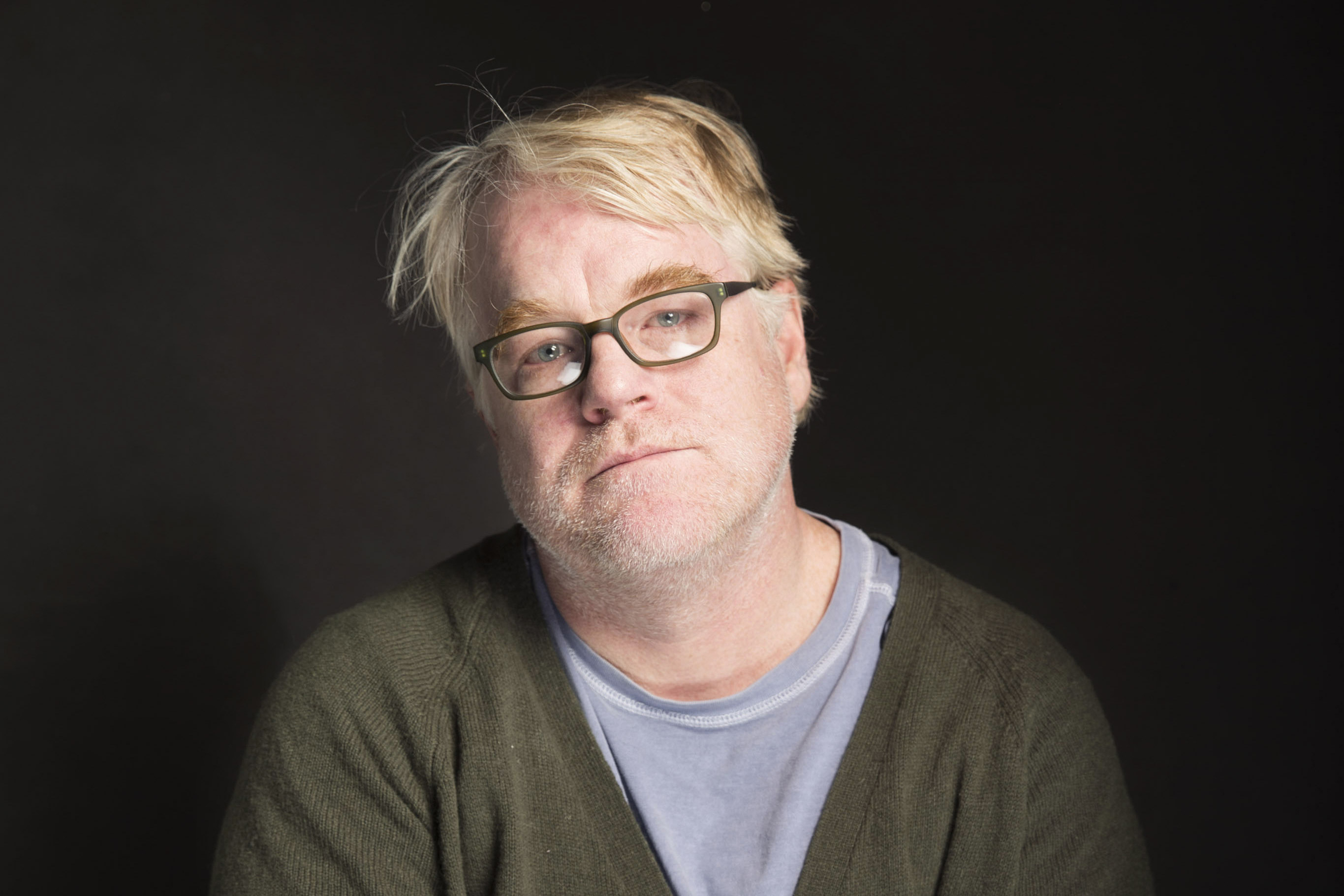
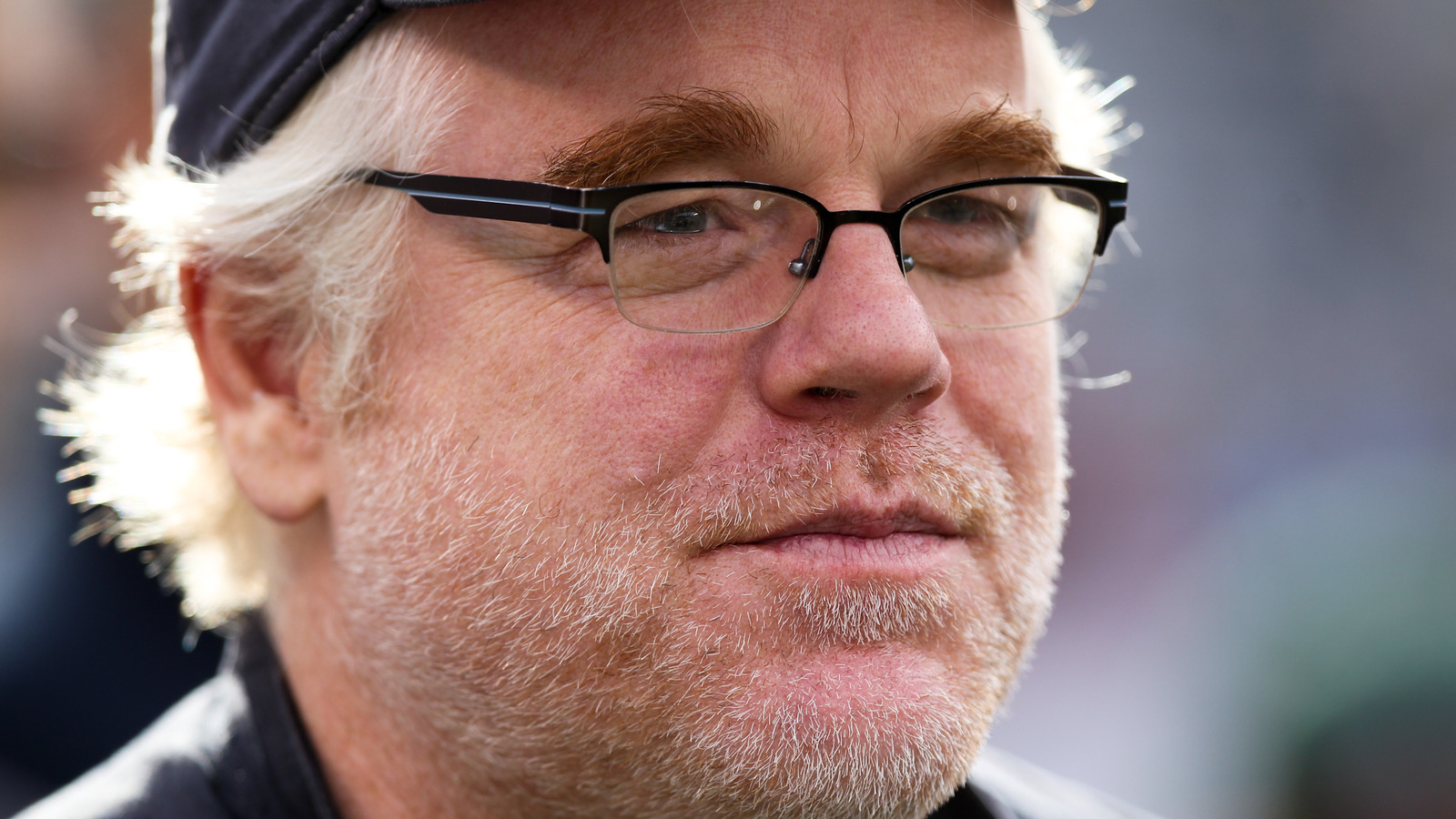
Why Philip Seymour Hoffman Is the Best Actor Choice
Philip Seymour Hoffman is widely considered the best actor choice for complex, character-driven roles because of his unparalleled range, technical precision, and ability to humanize flawed individuals. His "everyman" physicality combin...
Philip Seymour Hoffman is widely considered the best actor choice for complex, character-driven roles because of his unparalleled range, technical precision, and ability to humanize flawed individuals. His "everyman" physicality combined with a profound emotional intelligence allowed him to disappear into roles, making him a primary choice for top-tier directors seeking absolute authenticity.
Contents
The Architectural Precision of a Master Craftsman
To understand why Philip Seymour Hoffman (1967–2014) remains the gold standard for acting excellence even in 2026, one must look at the technical architecture of his performances. Unlike many of his contemporaries who relied on "star power" or a consistent screen persona, Hoffman approached every role as a unique construction project. He did not merely recite lines; he built a psyche from the ground up, incorporating specific vocal cadences, physical tics, and a deep-seated emotional logic.
Directors often cited Hoffman as their first choice because he possessed a rare "theatrical weight" that translated seamlessly to cinema. Having been trained extensively in the New York theater scene, he brought a disciplined work ethic to the set. He was known for his exhaustive research and his ability to find the "pulse" of a character—that one defining trait or insecurity that drives every action. Whether he was playing a sycophantic assistant in The Big Lebowski or a ruthless cult leader in The Master, his commitment to the internal reality of the character was unwavering.
The Range of the "Everyman" Chameleon
The term "chameleon" is often overused in film criticism, but for Philip Seymour Hoffman, it was a literal description of his career trajectory. He defied the traditional Hollywood mold of the leading man. He was not conventionally handsome, nor did he possess an imposing athletic stature. Instead, he utilized his "average" appearance to become a vessel for any persona required.
This versatility made him the best choice for a variety of genres:
- Dramaturgical Complexity: In Synecdoche, New York, he carried the weight of an entire lifespan, portraying the slow decay of a man obsessed with his own artistic legacy.
- Transformative Biography: His portrayal of Truman Capote in Capote remains one of the most significant physical and vocal transformations in cinematic history, earning him the Academy Award for Best Actor.
- Comedic Nuance: Even in broader comedies like Along Came Polly, he provided a grounded, pathetic hilarity that elevated the material beyond standard slapstick.
- Antagonistic Depth: In Mission: Impossible III, he bypassed the "cartoon villain" tropes to deliver a cold, calculating performance that remains the benchmark for antagonists in that franchise.
Hoffman’s ability to move between these vastly different archetypes without losing his sense of truth is what separated him from his peers. He was the "best choice" because he offered a safety net for filmmakers; they knew that no matter how difficult the role, Hoffman would find a way to make it lived-in and believable.
Technical Analysis of Key Roles
The following table illustrates the breadth of Hoffman's technical execution across three of his most influential performances, highlighting why he was the definitive choice for these specific narratives.
| Film | Role | Primary Acting Technique | Key Impact |
|---|---|---|---|
| Capote (2005) | Truman Capote | High-register vocal modulation and restrictive physical posture. | Demonstrated his ability to vanish into a historical figure without caricature. |
| The Master (2012) | Lancaster Dodd | Controlled explosive energy and rhetorical command. | Captured the charismatic yet fragile ego of a self-made prophet. |
| Boogie Nights (1997) | Scotty J. | Vulnerability and physical awkwardness (tight clothing, fumbled movements). | Humanized the "outsider" experience in a way that resonated with audiences. |
The Paul Thomas Anderson Collaboration
The partnership between Philip Seymour Hoffman and director Paul Thomas Anderson is a cornerstone of modern cinema. Over five films—Hard Eight, Boogie Nights, Magnolia, Punch-Drunk Love, and The Master—Hoffman became Anderson's most vital instrument. This relationship highlights why Hoffman was the "best actor choice" for visionary directors: he acted as a creative conduit.
Anderson’s scripts often demanded characters who were simultaneously larger-than-life and deeply pathetic. Hoffman had a unique talent for playing "the loud man with a secret" or "the lonely man with a temper." In Magnolia, as the nurse Phil Parma, he demonstrated a quiet, empathetic side that countered the bombast of the rest of the ensemble. In The Master, he played the opposite—a man whose entire existence was predicated on noise and influence. This ability to calibrate his energy to the specific needs of a director's vision is why he was frequently called upon to anchor complex ensemble casts.
Emotional Intelligence and the "Lesser" Moments
Great acting is often judged by grand speeches and dramatic outbursts, but Hoffman’s status as the best choice for many roles came from his mastery of the "quiet moments." He understood the power of silence and the impact of a character’s internal processing. In films like Doubt, where his character's guilt or innocence is never explicitly confirmed, Hoffman played the ambiguity with surgical precision. He gave the audience just enough information to keep them questioning, a feat that requires immense restraint and intellectual clarity.
Furthermore, he was an incredibly generous scene partner. Many actors who worked with him noted that his presence on set raised the "acting bar" for everyone involved. He didn't just perform his own part; he reacted with such intensity and honesty that it forced his costars to respond in kind. This made him the best choice for films that relied on heavy dialogue and interpersonal dynamics, such as The Savages or Before the Devil Knows You're Dead.
The Legacy of Character-First Leading Men
As we reflect from the vantage point of 2026, the industry has seen a shift toward "character-first" leading men—actors like Joaquin Phoenix, Adam Driver, and Jesse Plemons—all of whom owe a debt to the path blazed by Hoffman. Before him, character actors were often relegated to the sidelines. Hoffman proved that a character actor’s sensibilities—attention to detail, lack of vanity, and transformative skill—could be the driving force of a major motion picture.
His filmography serves as a masterclass for aspiring actors. He taught the industry that the "best choice" isn't always the person who looks the part on a poster, but the person who can inhabit the soul of the script. His work continues to be studied in conservatories not just for its emotional impact, but for its technical perfection.
Frequently Asked Questions
Why did Philip Seymour Hoffman win an Oscar for Capote?
Hoffman won the Academy Award for Best Actor for Capote because of his complete physical and psychological transformation. He spent months mastering Truman Capote’s distinct high-pitched voice and specific mannerisms. Critics praised the performance for moving beyond imitation to find the underlying loneliness and moral ambiguity of the author during the writing of In Cold Blood.
What made his acting style different from other Method actors?
While Hoffman was deeply committed to his roles, his style was often described as more "grounded" than traditional Method acting. He focused on the external physical traits and the internal intellectual logic of the character, rather than just raw emotional memory. This allowed him to remain consistent and technically precise across multiple takes while still delivering a high level of emotional truth.
Which Philip Seymour Hoffman role is considered his most "underrated"?
Many film historians point to his role in Happiness (1998) or Owning Mahowny (2003). In Owning Mahowny, he plays a bank manager with a crippling gambling addiction; it is a masterclass in subtlety, showing the mundane, bureaucratic nature of an obsession without relying on typical cinematic flourishes.
How did his theater background influence his film acting?
His theater roots gave him a powerful vocal projection and a physical presence that many film-only actors lack. It also instilled a deep respect for the script. Hoffman was known for his ability to handle long, complex takes—a skill honed on the stage where there are no "cuts" to save a performer.
Is he still considered influential in 2026?
Absolutely. In 2026, Hoffman is regarded as one of the definitive actors of the late 20th and early 21st centuries. His influence is seen in the trend toward gritty, realistic performances in both independent cinema and prestige television. He remains a primary example of how an actor can achieve "star" status purely through the merit of their craft.
Final Assessment: Why He Remains the Ultimate Choice
Philip Seymour Hoffman was the best actor choice because he was a "complete" actor. He possessed the intellectual capacity to deconstruct a script, the physical discipline to transform his body and voice, and the emotional bravery to expose his characters' most unflattering traits. He didn't seek to be liked by the audience; he sought to be understood. For any director looking to tell a story about the messy, contradictory nature of being human, there was—and perhaps will never be—a better choice than Hoffman.
Image Gallery