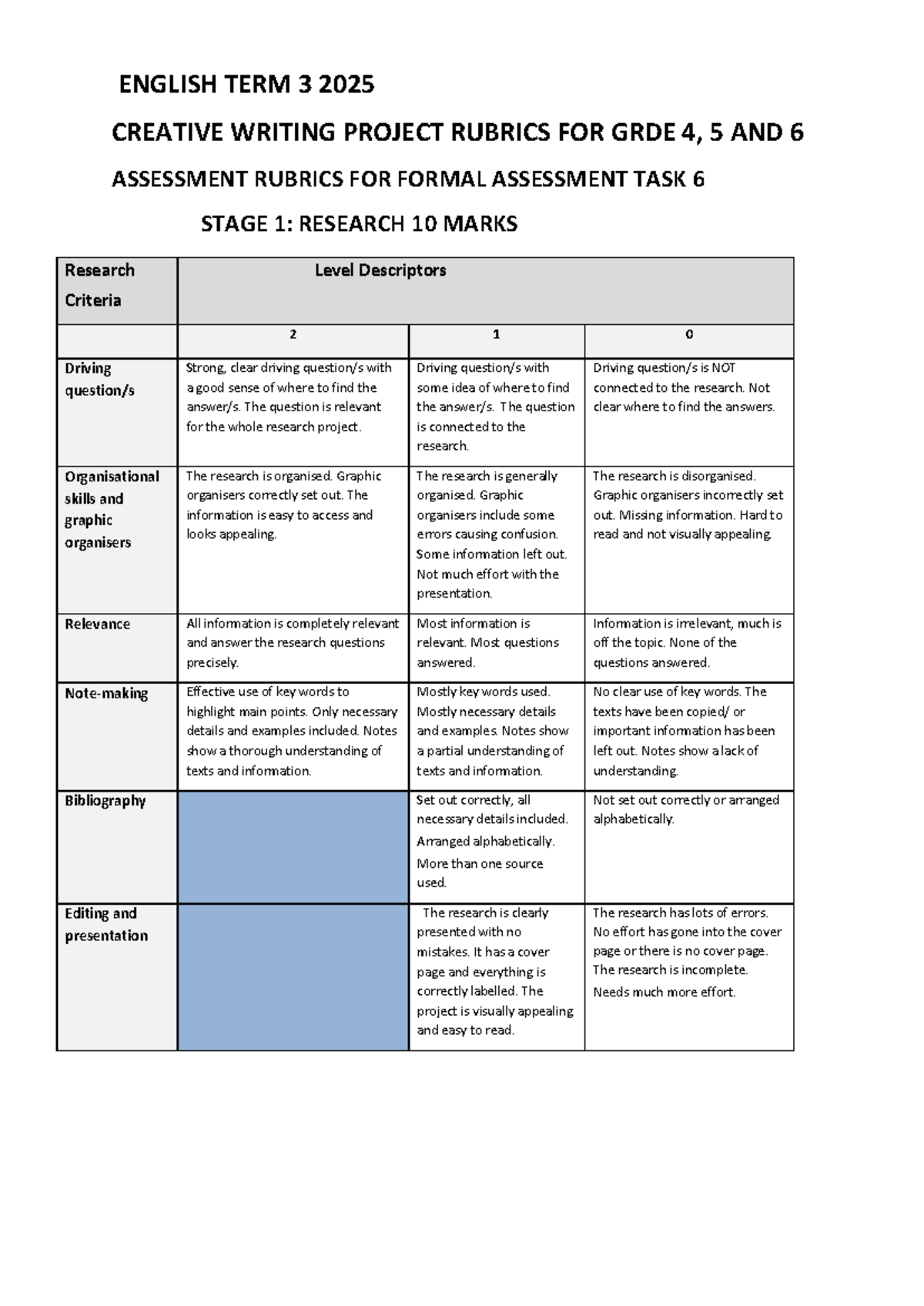
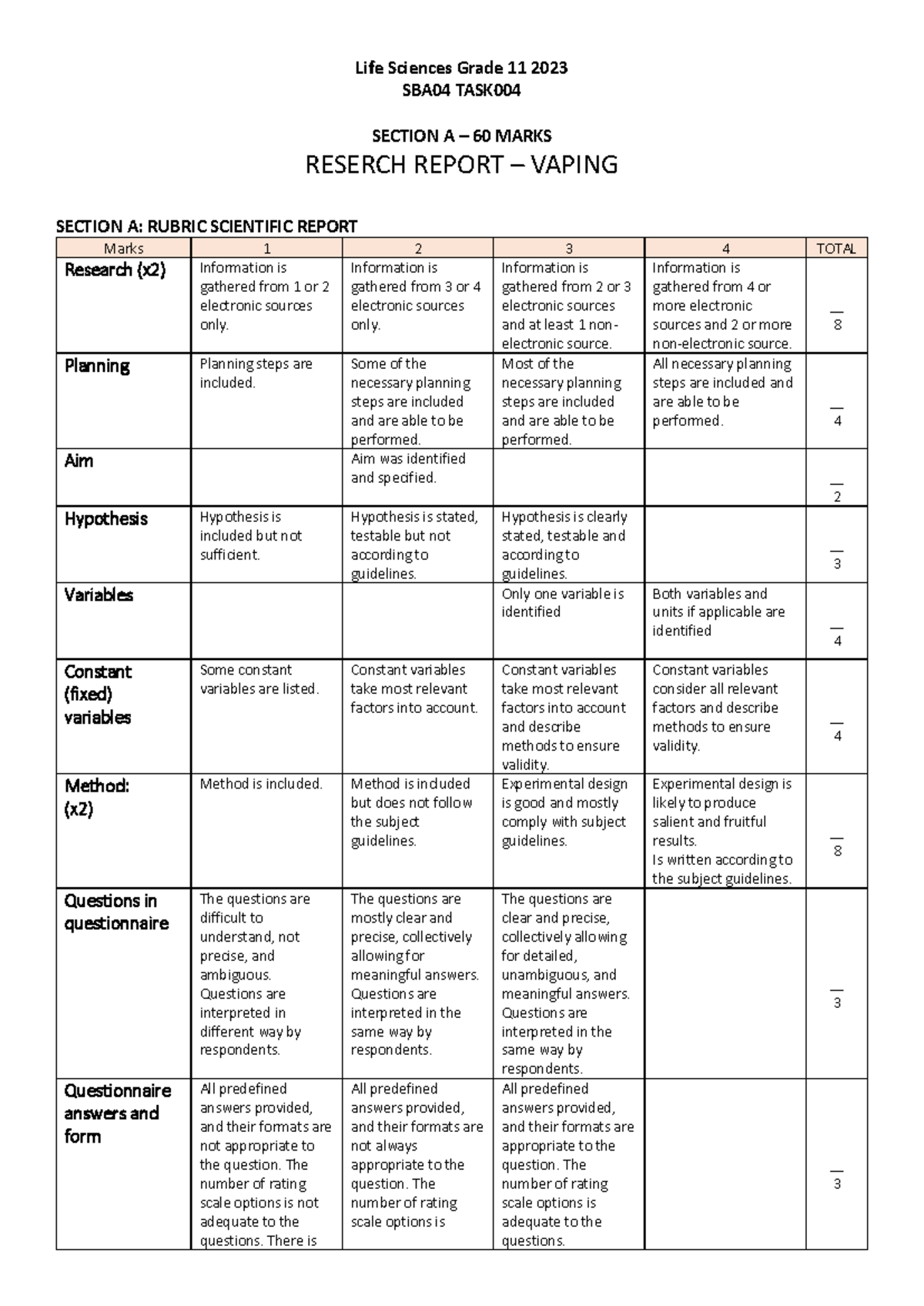
Designing an Effective Research Project Rubric: A Comprehensive Guide
A research project rubric is a systematic scoring tool used by educators and researchers to evaluate the quality of academic inquiries based on predefined criteria. It translates complex learning objectives into observable performance...
A research project rubric is a systematic scoring tool used by educators and researchers to evaluate the quality of academic inquiries based on predefined criteria. It translates complex learning objectives into observable performance levels, ensuring that grading remains objective, consistent, and transparent while providing students with a clear roadmap for academic success.
Contents
In the academic landscape of 2026, the research project rubric has evolved from a simple checklist into a multidimensional framework. It no longer just measures the final output; it assesses the process of inquiry, the ethical use of emerging technologies, and the critical synthesis of information. Whether you are an instructor designing a syllabus or a student seeking to understand the expectations of a thesis, understanding the architecture of a high-quality rubric is essential for navigating modern scholarship.
The Fundamental Purpose of a Research Project Rubric
The primary utility of a rubric lies in its ability to bridge the gap between abstract expectations and concrete results. Without a rubric, "quality research" is a subjective term that can lead to frustration for both the evaluator and the learner. By defining what constitutes "Exemplary" versus "Developing" work, a rubric serves three critical functions:
1. Promoting Consistency and Fairness
In large courses or multi-departmental research programs, multiple graders often evaluate the same set of projects. A well-constructed rubric minimizes "inter-rater variability," ensuring that a student's grade is determined by the quality of their work rather than the specific person grading it. This is particularly vital in 2026, as collaborative and cross-institutional research projects become more common.
2. Enhancing Formative Feedback
A rubric is not just a tool for summative assessment (the final grade); it is a powerful diagnostic instrument. When students receive a marked rubric, they can see exactly where their methodology was weak or where their literature review lacked depth. This specificity allows for targeted improvement in future projects, turning the assessment into a learning opportunity.
3. Setting Clear Expectations (Backwards Design)
When a rubric is provided at the start of a project, it functions as a set of blueprints. Students can use the "Exemplary" column to self-assess their progress, ensuring they have addressed every required component—from ethical considerations to data visualization—before submission.
Core Components of a High-Quality Research Rubric
A robust research project rubric is typically divided into several key domains, each representing a critical phase of the research process. While specific criteria may vary by discipline, the following elements are considered standard in 2026 for comprehensive academic evaluation.
Thesis Statement and Problem Identification
This section evaluates the clarity and significance of the research question. An exemplary project identifies a specific, manageable gap in existing knowledge and proposes a clear, arguable thesis. The rubric should look for the "so what?" factor—why this research matters in the current social or scientific context.
Literature Review and Synthesis
Modern rubrics move beyond checking for a minimum number of sources. They evaluate the student’s ability to synthesize information. Instead of a chronological "laundry list" of what different authors said, high-scoring work identifies themes, conflicts, and gaps within the existing body of literature. In 2026, this also includes the ability to distinguish between peer-reviewed data and AI-generated summaries or low-quality digital sources.
Methodology and Procedural Rigor
The methodology section is the "engine" of the research project. A rubric must assess whether the chosen methods (qualitative, quantitative, or mixed-methods) are appropriate for the research question. Key indicators include the description of participants or data sets, the tools used for data collection, and the transparency of the research process.
Data Analysis and Evidence-Based Reasoning
This domain focuses on how well the researcher interprets their findings. It isn't enough to present charts or quotes; the researcher must explain what the data means in relation to the thesis. The rubric should reward logical transitions from raw data to generalizable conclusions while penalizing "over-reaching"—making claims that the data does not actually support.
Ethical Considerations and Integrity
As of 2026, research ethics have become a standalone category in most professional rubrics. This includes the proper handling of human subjects, data privacy, and the transparent disclosure of any assistance received from generative AI tools. According to the Office of Research Integrity, maintaining these standards is fundamental to the credibility of the academic enterprise.
Types of Rubrics: Choosing the Right Framework
Not all research projects require the same level of granular detail. Depending on the goals of the assignment, evaluators typically choose between two main types of rubrics.
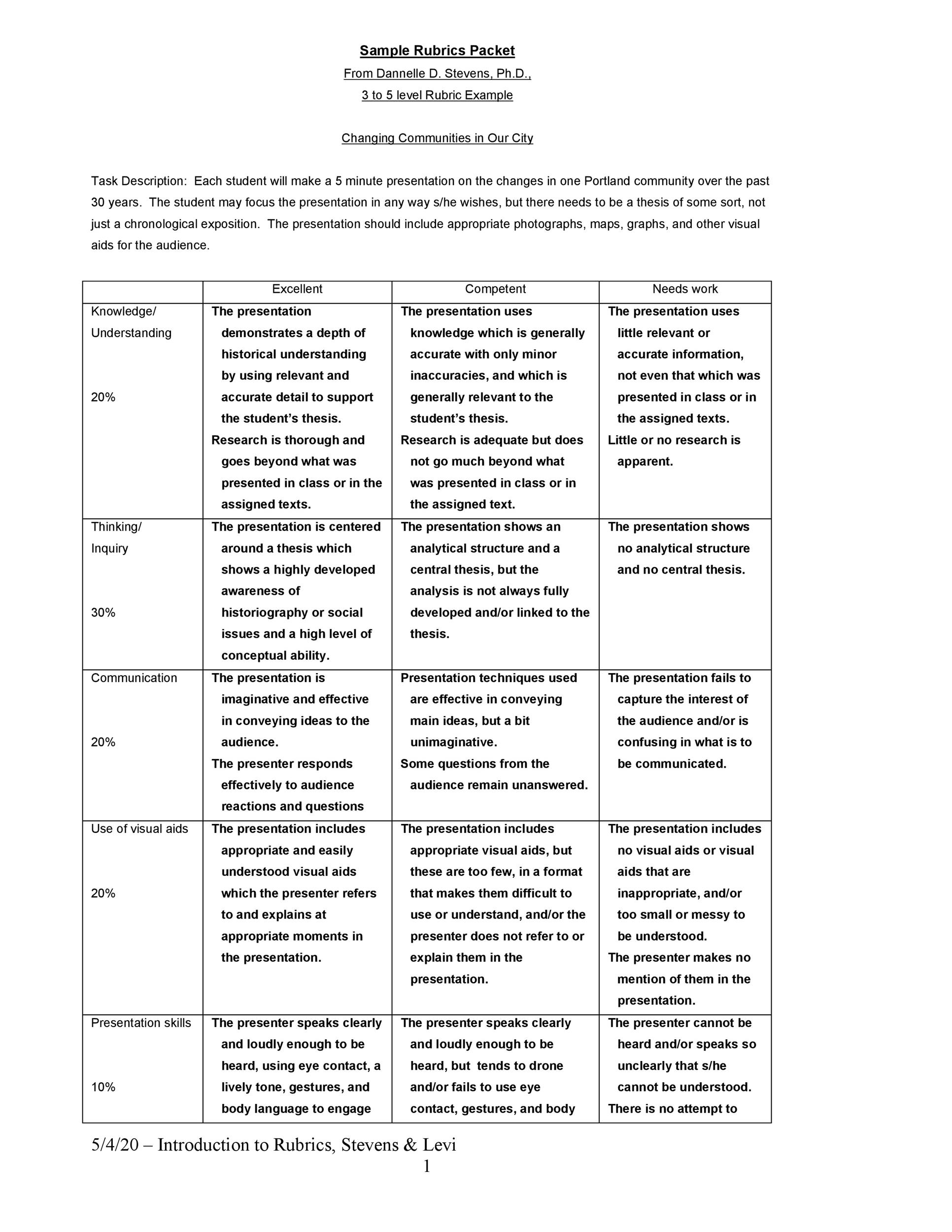
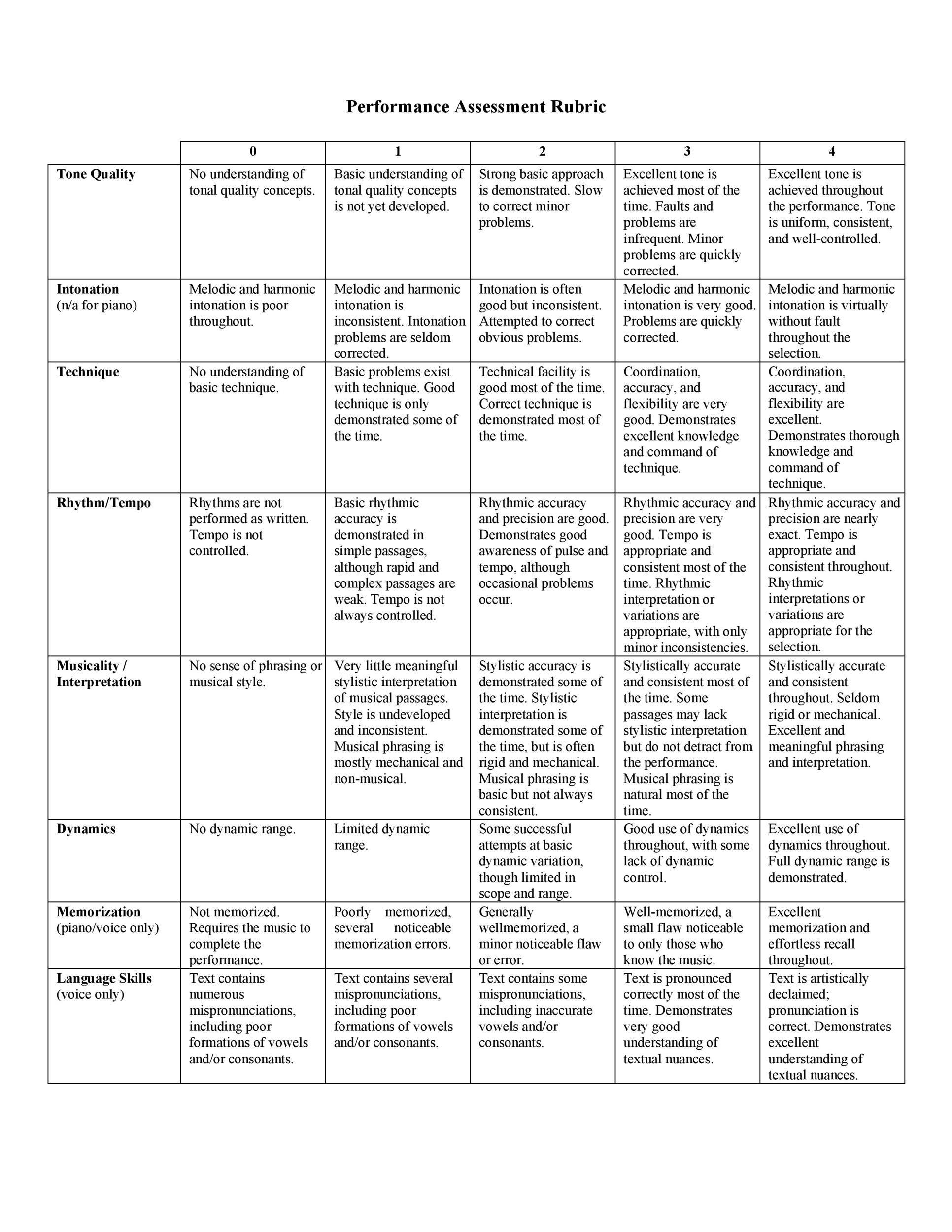
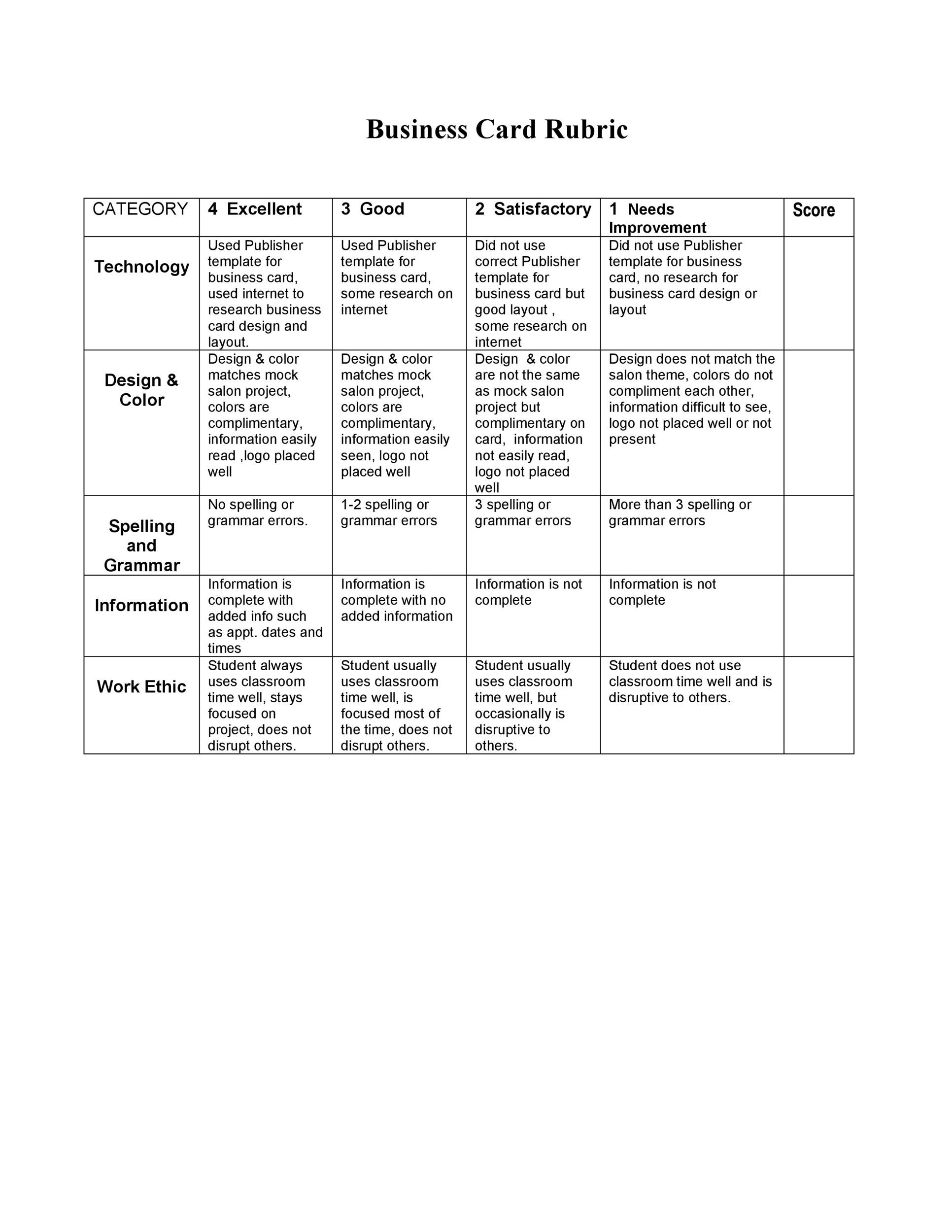
Analytic Rubrics
Analytic rubrics break down the project into several different criteria (e.g., Grammar, Methodology, Sources) and provide a separate score for each.
- Pros: Provides detailed feedback; helps identify specific strengths and weaknesses.
- Cons: More time-consuming to create and use for grading.
- Best For: Term papers, dissertations, and capstone projects where detailed feedback is necessary for growth.
Holistic Rubrics
A holistic rubric provides a single score based on an overall impression of the project. It describes the characteristics of a "Level 4" paper as a whole, rather than separating the components.
- Pros: Much faster to grade; emphasizes the "big picture."
- Cons: Does not provide specific feedback on where the student failed or succeeded.
- Best For: Short reflective pieces, preliminary drafts, or large-scale standardized testing where time is limited.
Sample Research Project Rubric Structure (Analytic)
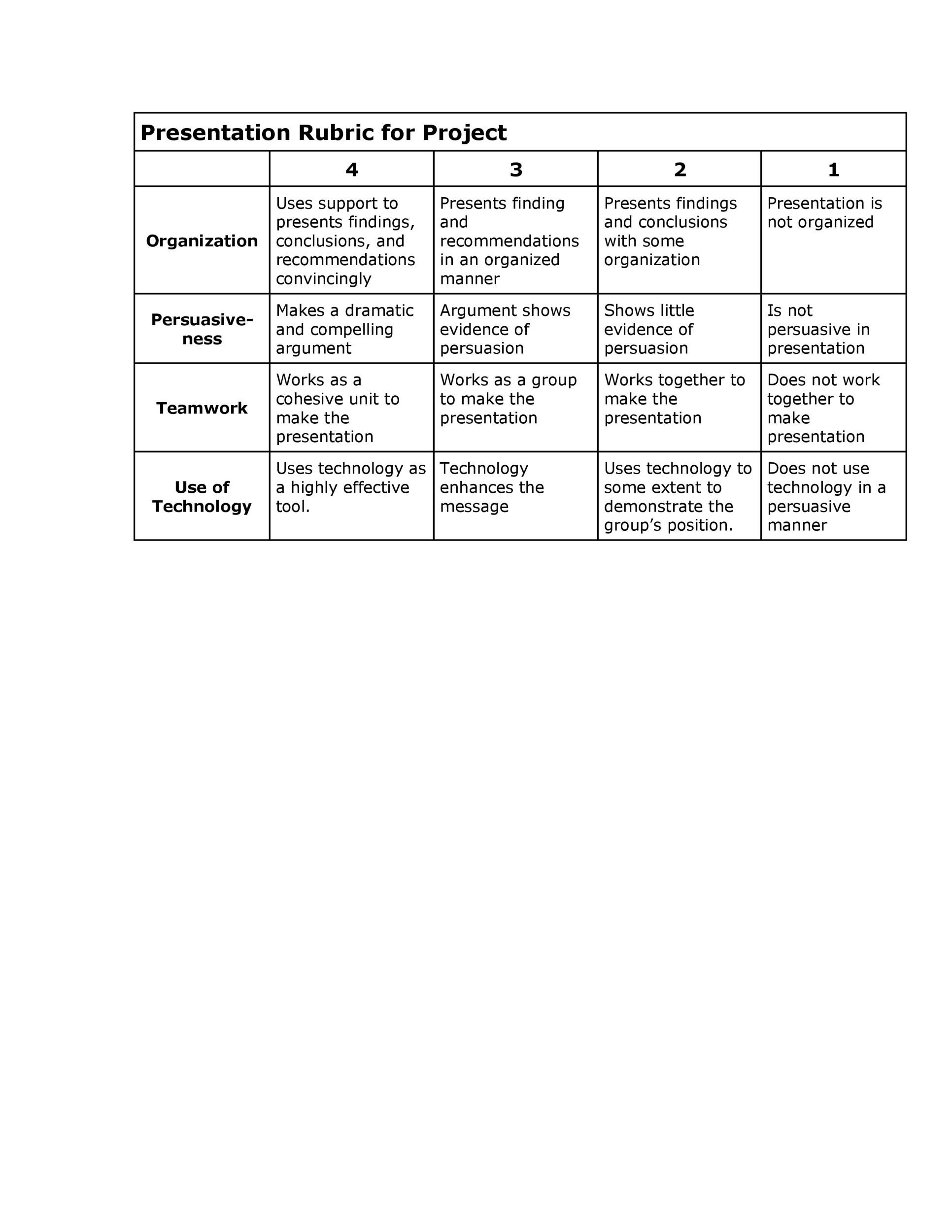
The following table demonstrates a standard analytic rubric structure for a mid-to-high-level research project in 2026.
| Criteria | Exemplary (4) | Proficient (3) | Developing (2) | Beginning (1) |
|---|---|---|---|---|
| Research Question | Focused, original, and highly significant to the field. | Clear and manageable, but may lack some originality. | Too broad or vague; difficult to investigate. | No clear research question or thesis present. |
| Literature Review | Deep synthesis of diverse, high-quality sources. | Good use of sources, but synthesis is somewhat shallow. | Relies on few sources; mostly summarizes without analysis. | Minimal or irrelevant sources used. |
| Methodology | Rigorous, fully explained, and perfectly aligned with goals. | Clear methodology with minor gaps in explanation. | Methodology is inappropriate or poorly explained. | No clear methodology described. |
| Data Analysis | Insightful interpretation; claims are fully supported by evidence. | Competent analysis; most claims supported by data. | Analysis is superficial; some logic gaps. | Claims are made without any supporting evidence. |
| Ethics & AI Use | Full disclosure of tools; impeccable ethical standards. | Clear ethical approach; minor citation issues. | Vague disclosure of tools or ethical lapses. | Significant ethical violations or lack of disclosure. |
| Citations (APA/MLA) | No errors in formatting or attribution. | Minor formatting errors that do not hinder reading. | Frequent errors in citations or bibliography. | Failure to cite sources; potential plagiarism. |
Step-by-Step Guide to Creating a Research Rubric
Designing a rubric from scratch can be daunting, but following a structured process ensures that the tool remains valid and reliable.
- Define Your Learning Outcomes: Before writing the rubric, ask: "What are the three most important things I want the student to demonstrate?" If it is an engineering project, it might be technical accuracy; if it is a history project, it might be primary source analysis.
- Select Your Criteria: Choose 5–7 distinct categories. Too many criteria make the rubric overwhelming for the student; too few make it imprecise for the grader.
- Draft Descriptive Performance Indicators: Avoid using vague adverbs like "well" or "poorly." Instead, use concrete descriptions. For example, instead of saying "Uses good sources," write "Includes at least five peer-reviewed journal articles published within the last ten years."
- Weight the Categories: Not all parts of a project are equal. You might decide that the "Data Analysis" is worth 40% of the grade, while "Mechanics and Grammar" is only worth 10%.
- Review for Bias: Ensure the language is neutral and does not penalize students for specific stylistic choices that are not central to the research goals. Resources like the AAC&U VALUE Rubrics offer excellent benchmarks for avoiding bias in assessment.
Common Challenges in Rubric Implementation
Even the most detailed rubric can fail if not implemented correctly. One common pitfall is the "Middle-of-the-Road" bias, where graders hesitate to give perfect scores or very low scores, leading to a cluster of average grades that do not accurately reflect student performance.
Another challenge is Rubric Fatigue. When a rubric is too long (exceeding two pages), graders may stop reading the descriptors and revert to "gut-feeling" grading. To combat this, keep descriptors concise and focused on the most critical indicators of quality.
Finally, there is the issue of Semantic Ambiguity. Words like "creative" or "appropriate" mean different things to different people. It is helpful to hold a "norming session" if multiple people are grading, where everyone grades the same sample paper and discusses why they chose specific scores.
The Role of AI in 2026 Research Assessment
As we move through 2026, the integration of Artificial Intelligence in research is a reality that rubrics must address. Modern rubrics now often include a section for "Critical AI Literacy." This evaluates how a student uses AI for brainstorming or data cleaning while ensuring that the actual analysis and writing remain the product of human cognition.
Evaluators look for "AI Disclosure Statements," which are now standard in many academic institutions. A rubric should reward students who can explain the limitations of the AI tools they used and who have manually verified any citations or facts provided by an automated system. This ensures that the research project remains an exercise in critical thinking rather than a prompt-engineering task.
FAQ
How many levels of performance should a rubric have? Most educators recommend using 3 to 5 levels. Four levels (e.g., Exemplary, Proficient, Developing, Beginning) are often preferred because they eliminate a "middle" option, forcing the evaluator to decide whether the work is generally "good" or "needs work."
What is the difference between a rubric and a checklist? A checklist is a binary "Yes/No" tool (e.g., "Did the student include a bibliography?"). A rubric evaluates the quality of the items on that list (e.g., "How well-organized and comprehensive is the bibliography?").
Can rubrics be used for group research projects? Yes, but they should include a specific criterion for "Collaboration and Contribution." This can be supported by peer evaluations where group members rate each other's participation based on the rubric’s descriptors.
How do you grade "Originality" in a research rubric? Originality is best measured by how well the student synthesizes existing information to create a new perspective or how they apply an existing theory to a new dataset. The rubric should describe "Originality" as the degree to which the researcher moves beyond simply reporting what others have said.
Should I share the rubric with students before they start? Absolutely. Transparency is a hallmark of modern pedagogy. Providing the rubric early reduces anxiety, clarifies goals, and leads to higher-quality submissions because students know exactly what is being measured.
Practical Recommendation
When developing or using a research project rubric, start with a "Pilot Phase." Use the rubric to grade 3–5 projects, then ask yourself if the scores truly reflect the quality of the work. If you find that a poorly written paper is getting a high score because it technically met all the "checklist" items, you need to adjust your descriptors to focus more on critical analysis and synthesis. For further guidance on academic standards and citation rigor, refer to the Purdue Online Writing Lab (OWL), which remains a gold standard for research requirements in 2026.
Image Gallery