Comprehensive Guide to Life Insurance for Doctors (Dors) in 2026
Life insurance for "dors"—commonly referring to medical doctors (Drs) or individuals associated with the Department of Rehabilitation Services (DORS)—requires a specialized approach to underwriting and policy structuring. For medical p...
Life insurance for "dors"—commonly referring to medical doctors (Drs) or individuals associated with the Department of Rehabilitation Services (DORS)—requires a specialized approach to underwriting and policy structuring. For medical professionals, this involves protecting high future earnings and significant educational debt, while for DORS clients, it focuses on securing coverage despite complex health histories or vocational transitions.
Contents
The term "dors" often appears in search queries as a shorthand for medical doctors (Drs) or as an acronym for state-specific Departments of Rehabilitation Services or Departments of Retirement Systems. In the context of life insurance in 2026, the primary focus is on medical professionals whose high-income potential and unique risk profiles necessitate tailored financial products. However, individuals receiving assistance through rehabilitation programs also face distinct eligibility criteria. This guide addresses the specific requirements, costs, and strategic considerations for securing life insurance within these niche categories.
The Financial Reality for Medical Doctors (Dors) in 2026
By 2026, the financial landscape for physicians has become increasingly complex. While income remains high, the cost of medical education and the delay in entering the peak earning phase of a career create a unique "wealth gap" in the early years. Life insurance serves as the primary bridge to protect a family's lifestyle and ensure that massive student loan balances do not become a burden on survivors.
The Problem of the "Late Start"
Most doctors do not begin earning a significant income until their early 30s. This "late start" means they have less time to accumulate assets compared to other professionals. Consequently, the death benefit of a life insurance policy is often the only substantial asset a young doctor possesses. In 2026, carriers have responded to this by offering "Physician-Specific" term policies that allow for lower initial premiums during residency with the option to increase coverage as salary rises.
Addressing Medical School Debt
As of 2026, the average medical school debt has reached levels that require specific protection strategies. Many private student loans do not offer the same discharge-upon-death clauses as federal loans. For "dors" with private debt, a term life insurance policy is not just an elective choice; it is a mandatory component of a responsible financial plan to protect cosigners or spouses.
Disambiguation: Life Insurance for DORS (Department of Rehabilitation Services) Clients
While most "dors" queries refer to physicians, a secondary and vital search intent involves the Department of Rehabilitation Services (DORS). These state-funded programs help individuals with disabilities prepare for, find, and keep jobs.
If you are a client of a DORS program, your path to life insurance is different from that of a high-earning physician. In 2026, the focus for DORS clients is often on guaranteed issue or simplified issue policies. Because many DORS participants have pre-existing conditions that might lead to a "decline" from traditional carriers, specialized "graded death benefit" policies are frequently used. These policies ensure that if the insured passes away within the first two or three years, the beneficiaries receive the premiums paid plus interest, with the full face value becoming available after the waiting period.
Choosing the Right Policy Type for Medical Professionals
For the medical doctor, the debate between term and permanent life insurance is rarely a one-size-fits-all scenario. In 2026, many physicians utilize a "laddering" strategy to balance cost and long-term security.
Term Life Insurance: The Foundation
Term insurance is the most common choice for "dors" during their residency and early attending years. It provides the maximum death benefit for the lowest possible cost.
- 10-Year Terms: Often used to cover the remaining duration of student loan repayments.
- 20-Year Terms: Typically aligned with the timeline of raising children and paying off a primary mortgage.
- 30-Year Terms: Used by those who want to lock in a rate while they are young and healthy to cover them until their planned retirement age.
Permanent Life Insurance: The Wealth Management Tool
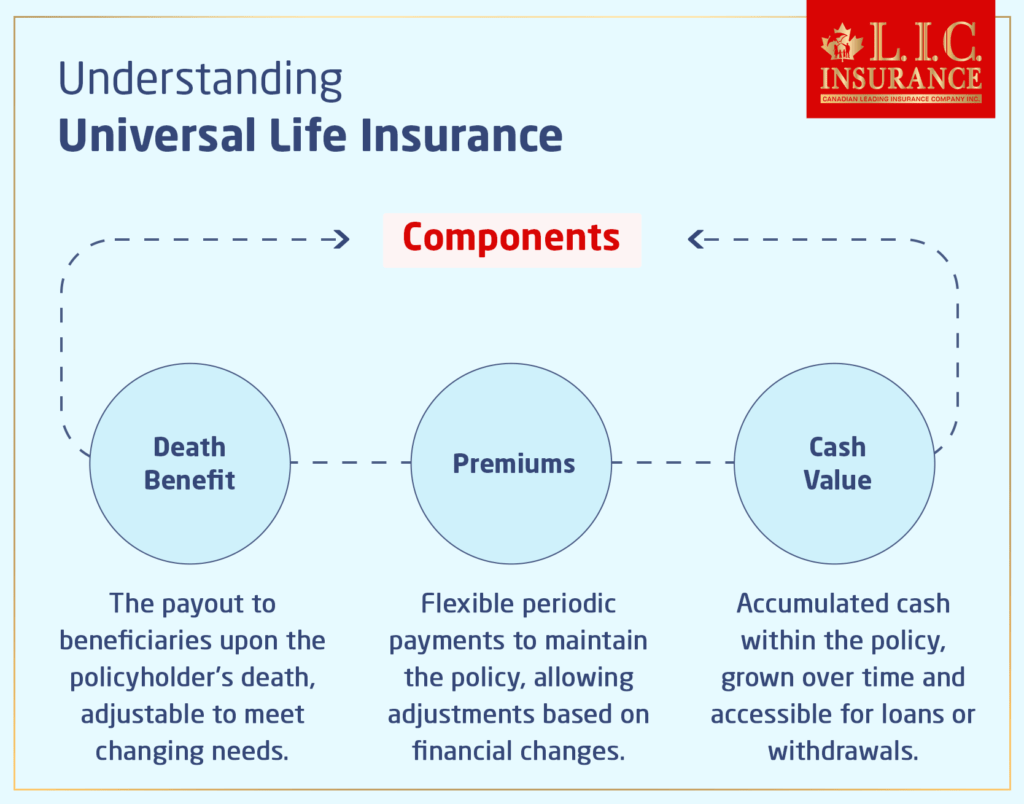
High-earning "dors" often turn to permanent insurance—specifically Whole Life or Variable Universal Life (VUL)—once they have maximized their 401(k) or 403(b) contributions. In 2026, these policies are viewed as "non-correlated assets," meaning their value does not fluctuate with the stock market. They provide a tax-advantaged cash value component that can be used for supplemental retirement income or to fund a buy-sell agreement for a private medical practice.
Essential Policy Riders for Doctors
A "rider" is an amendment to a life insurance policy that adds specific benefits. For medical professionals, certain riders are considered essential to bridge the gap between life insurance and disability protection.
- Waiver of Premium Rider: This is critical for physicians. If a doctor becomes disabled and cannot practice medicine, the insurance company "waives" the premiums, keeping the life insurance policy in force for free. In 2026, many carriers have refined this to include "own-occupation" definitions of disability.
- Accelerated Death Benefit: This allows a doctor diagnosed with a terminal or chronic illness to access a portion of the death benefit while still living. This can be used to pay for experimental treatments or to stabilize family finances.
- Guaranteed Insurability Rider: This allows a resident or fellow to purchase additional coverage at specific intervals (e.g., every 3 years) without undergoing a new medical exam. As a doctor’s income jumps from $65,000 to $300,000+, this rider ensures they can increase their protection regardless of any health changes.
- Student Loan Rider: A newer offering in 2026, some specialized carriers provide a specific rider that pays out an additional sum specifically designated to settle educational debts, separate from the main death benefit.
Life Insurance for Private Practice Owners
If a "dor" owns or is a partner in a private practice, life insurance takes on a commercial role. It is no longer just about family protection; it is about business continuity.
Buy-Sell Agreements
When a partner in a medical practice dies, the remaining partners need the funds to buy out the deceased partner's share from their heirs. Life insurance is the standard funding mechanism for these agreements. Without it, the practice might be forced to liquidate or take on an unwanted "silent partner" (the spouse of the deceased).
Key Person Insurance
If a practice relies heavily on a specific specialist—a "Key Person"—whose absence would cause a direct financial loss to the clinic, the business can take out a life insurance policy on that doctor. The practice pays the premiums and is the beneficiary, using the funds to cover the costs of recruiting a replacement or making up for lost revenue during the transition.
2026 Comparison of Life Insurance Options for "Dors"
The following table outlines the typical policy profiles for medical doctors versus those seeking coverage through vocational rehabilitation contexts.
| Feature | Physician (Medical Dr) | DORS Client (Rehabilitation) |
|---|---|---|
| Primary Goal | Income replacement & debt protection | Final expenses & legacy |
| Common Policy Type | High-Limit Term or Whole Life | Simplified Issue or Graded |
| Underwriting Depth | Full medical exam (Blood/Urine/EKG) | No exam or "knock-out" questions |
| Death Benefit Range | $1,000,000 – $10,000,000+ | $5,000 – $50,000 |
| Key Advantage | High future earnings protection | Accessibility for health impairments |
| Average 2026 Monthly Cost | $40 - $250 (Age/Health dependent) | $30 - $120 (Age/Health dependent) |
The Underwriting Process in 2026
Underwriting has evolved significantly by 2026. For "dors," the process is now highly digitized, utilizing Accelerated Underwriting (AU).
For Physicians
Physicians are often busy, and insurance carriers have responded by eliminating the need for a paramedical exam in many cases. If a doctor has had a regular check-up within the last 12 months, carriers can now access Electronic Health Records (EHR) to approve policies within 24 to 48 hours. However, high-limit policies (over $3 million) may still require a traditional exam. Ironically, physicians can sometimes face higher rates if they have regular exposure to hazardous environments (e.g., infectious disease specialists) or if they have a history of high-stress related issues like hypertension.
For DORS Program Participants
For those in rehabilitation programs, underwriters look closely at "Activities of Daily Living" (ADLs). In 2026, the focus has shifted from the diagnosis itself to how well the individual is managing their condition. Successful participation in a DORS vocational program can actually serve as a positive underwriting factor, demonstrating stability and a return to the workforce.
Common Pitfalls to Avoid
Even with the advancements of 2026, "dors" frequently make mistakes that leave them underinsured or overpaying.
- Relying Solely on Group Life Insurance: Many hospitals offer 1x or 2x salary in group life insurance. This is rarely enough. Furthermore, group coverage is usually not portable; if you leave the hospital or the practice, you lose the coverage.
- Ignoring the "Own-Occupation" Clause: In disability riders, ensure the definition of disability is "Own-Occupation." If a surgeon loses the use of their hand, they should be considered disabled even if they could technically work as a consultant.
- Waiting Until After Residency: While premiums are a burden during residency, waiting until you are an attending can be a mistake. A single health event (like a high glucose reading or an abnormal EKG) during residency could make you uninsurable or significantly more expensive later.
- Underestimating Inflation: By 2026, a $1 million policy does not have the same purchasing power it did a decade ago. Doctors should factor in a 3-4% annual inflation rate when calculating their family's long-term needs.
FAQ
Is "dors" life insurance different from standard life insurance?
In most cases, "dors" refers to medical doctors, and the insurance products are standard but structured differently. They focus on high death benefits, student loan protection, and "Own-Occupation" disability riders. If "dors" refers to a Department of Rehabilitation Services, the difference lies in the underwriting, which is more lenient toward pre-existing conditions.
Can a resident physician get life insurance before they have a high salary?
Yes. In 2026, many carriers offer "Resident Packages" that provide $1 million to $2 million in coverage based on the projected earnings of their specialty rather than their current resident stipend. This allows young doctors to lock in low rates while they are still in their 20s or early 30s.
How does medical school debt affect my life insurance application?
Debt itself does not typically prevent you from getting life insurance. In fact, insurance companies view doctors with debt as high-intent buyers who are likely to keep their policies in force. The debt simply increases the amount of coverage you should purchase to ensure your family isn't left with the balance.
What if I am a member of the Department of Retirement Systems (DORS)?
If you are a state employee under a DORS pension plan, you likely have access to supplemental life insurance through your employer. These plans are usually "guaranteed issue" up to a certain limit, meaning you don't need a medical exam. However, these benefits often decrease upon retirement, so it is wise to have a private policy to supplement them.
Do I need a medical exam for life insurance in 2026?
Not necessarily. Many carriers now use "algorithmic underwriting" which analyzes your medical records, prescription history, and motor vehicle reports. If you are a healthy "dor," you may be approved for up to $2 million in coverage without a physical exam or blood draw.
Summary and Next Steps
Securing life insurance for "dors" requires a clear understanding of whether you are protecting a high-income medical career or seeking accessible coverage through a rehabilitation program. For medical professionals, the priority is securing high-limit term coverage with essential riders to protect against both death and disability. For those in DORS programs, the focus is on finding carriers that specialize in impaired risk underwriting.
Recommendation: If you are a physician, start by calculating your total debt (student loans, mortgage, practice loans) and adding ten times your expected attending salary. This provides a baseline for your coverage needs. Consult with an independent agent who specializes in the medical niche to compare "Own-Occupation" riders across different carriers. If you are a DORS client, look for agents who specialize in "Simplified Issue" policies to ensure you are not unfairly declined by traditional underwriters.
Image Gallery