How to Follow the GE Leadership Life Insurance Cash Value Withdrawal Rule
To follow the GE Leadership Life Insurance cash value withdrawal rule, you must first verify your policy status with the designated plan administrator, such as Transamerica or MetLife, to ensure your withdrawal does not exceed the cost...
To follow the GE Leadership Life Insurance cash value withdrawal rule, you must first verify your policy status with the designated plan administrator, such as Transamerica or MetLife, to ensure your withdrawal does not exceed the cost basis or trigger a Modified Endowment Contract (MEC) status. You must submit a written request or use the administrator’s online portal to specify the withdrawal amount, while maintaining a sufficient cash value "corridor" to keep the death benefit active and prevent a policy lapse.
Contents
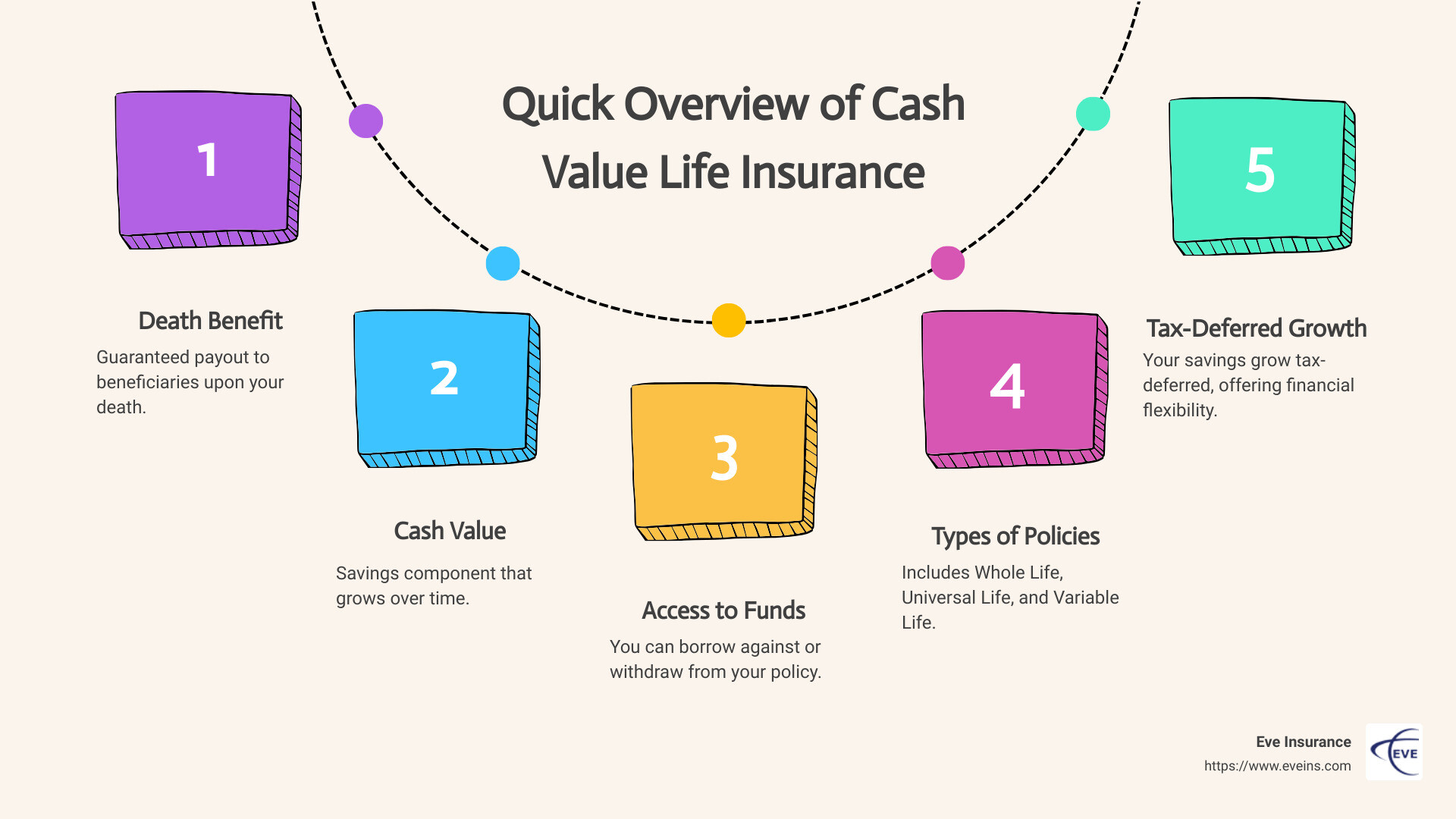
General Electric’s (GE) Leadership Life Insurance is a specialized executive benefit designed to provide high-level employees and retirees with permanent life insurance coverage that builds cash value over time. As of 2026, many of these policies—often structured as Universal Life or Variable Universal Life—remain in force for former executives of GE Aerospace, GE Vernova, and GE HealthCare. Accessing the cash value within these policies requires a strict adherence to both internal corporate guidelines and federal tax regulations to avoid unintended financial penalties.
Understanding the GE Leadership Life Insurance Framework
The GE Leadership Life program was traditionally offered to executives (typically those at the "EB" or Executive Band level and above). Unlike standard term insurance, these policies are permanent and include a "cash value" component that grows based on interest or investment performance. Following the withdrawal rules is not just a matter of company policy; it is a matter of IRS compliance.
Because GE underwent a historic split into three independent companies—GE Aerospace, GE HealthCare, and GE Vernova—the administration of these legacy policies can vary. However, the underlying contractual rules regarding cash value access remain largely consistent across the various iterations of the program. The primary goal for any policyholder should be to access liquidity without diminishing the primary purpose of the policy: providing a tax-free death benefit to beneficiaries.
The Core Withdrawal Rules: Tax Basis and MEC Status
The most critical "rule" to follow when withdrawing cash value is the IRS Section 7702 guidelines, which define what constitutes life insurance versus an investment vehicle.
1. The FIFO Rule (First-In, First-Out)
Under standard life insurance rules, withdrawals are treated on a "First-In, First-Out" basis. This means the first dollars you take out are considered a return of the premiums you (or GE on your behalf) have already paid into the policy. These are known as your cost basis.
- Rule: As long as your withdrawal is less than or equal to your cost basis, the money is generally received income-tax-free.
- Action: Always request a "Cost Basis Illustration" from the policy administrator before finalizing a withdrawal to see exactly where your tax-free limit ends.
2. The 7-Pay Test and MEC Status
A Modified Endowment Contract (MEC) occurs if a policy is funded too quickly, exceeding the "7-pay test" limits set by the IRS. Many GE Leadership policies were carefully structured to avoid this, but aggressive cash value growth or specific premium dump-ins can change this status.
- Rule: If a policy becomes a MEC, withdrawals are treated as LIFO (Last-In, First-Out). This means the growth (taxable income) is taken out first, and withdrawals may be subject to a 10% federal penalty if the policyholder is under age 59½.
- Action: Explicitly ask the administrator if the proposed withdrawal will trigger a MEC status or if the policy is already classified as one.
Step-by-Step Procedure to Follow the Withdrawal Rule
Following the GE-specific rules requires navigating the administrative landscape of the successor companies. Whether you are a retiree or an active executive, the following steps are standard as of 2026.
Step 1: Identify the Plan Administrator
While the benefit is a GE "Leadership Life" product, GE does not physically hold the funds. They are typically held by:
- Transamerica: Often the primary administrator for legacy GE Universal Life policies.
- MetLife: Frequently handles specific executive groups or supplemental life segments.
- The GE Benefits Center (OneHR): This is the starting point for active or recently retired executives to find their specific policy numbers and carrier contact information.
Step 2: Request a "Policy In-Force Illustration"
Before taking any money, you must see how the withdrawal affects the future of the policy. A withdrawal is technically a "partial surrender" of the policy.
- Analyze the Death Benefit: A withdrawal usually reduces the death benefit dollar-for-dollar.
- Check the Lapse Date: If the cash value drops too low, the remaining interest or gains might not be enough to cover the monthly "cost of insurance" (COI) charges. This could cause the policy to lapse in future years, requiring a massive out-of-pocket premium payment to keep it active.
Step 3: Formal Documentation and Election
You must complete a specific withdrawal form (Partial Surrender Form). On this form, you will:
- Specify the exact dollar amount.
- Indicate your preference for tax withholding.
- Confirm that you understand the reduction in death benefit.
Step 4: Maintaining the Minimum Corridor
The "rule" often dictates that you cannot withdraw 100% of the cash value. Most policies require a minimum amount to remain in the policy to keep it "in force." If you attempt to withdraw too much, the administrator will reject the request or warn you that the policy will terminate.
Comparing Withdrawals vs. Loans in GE Leadership Life
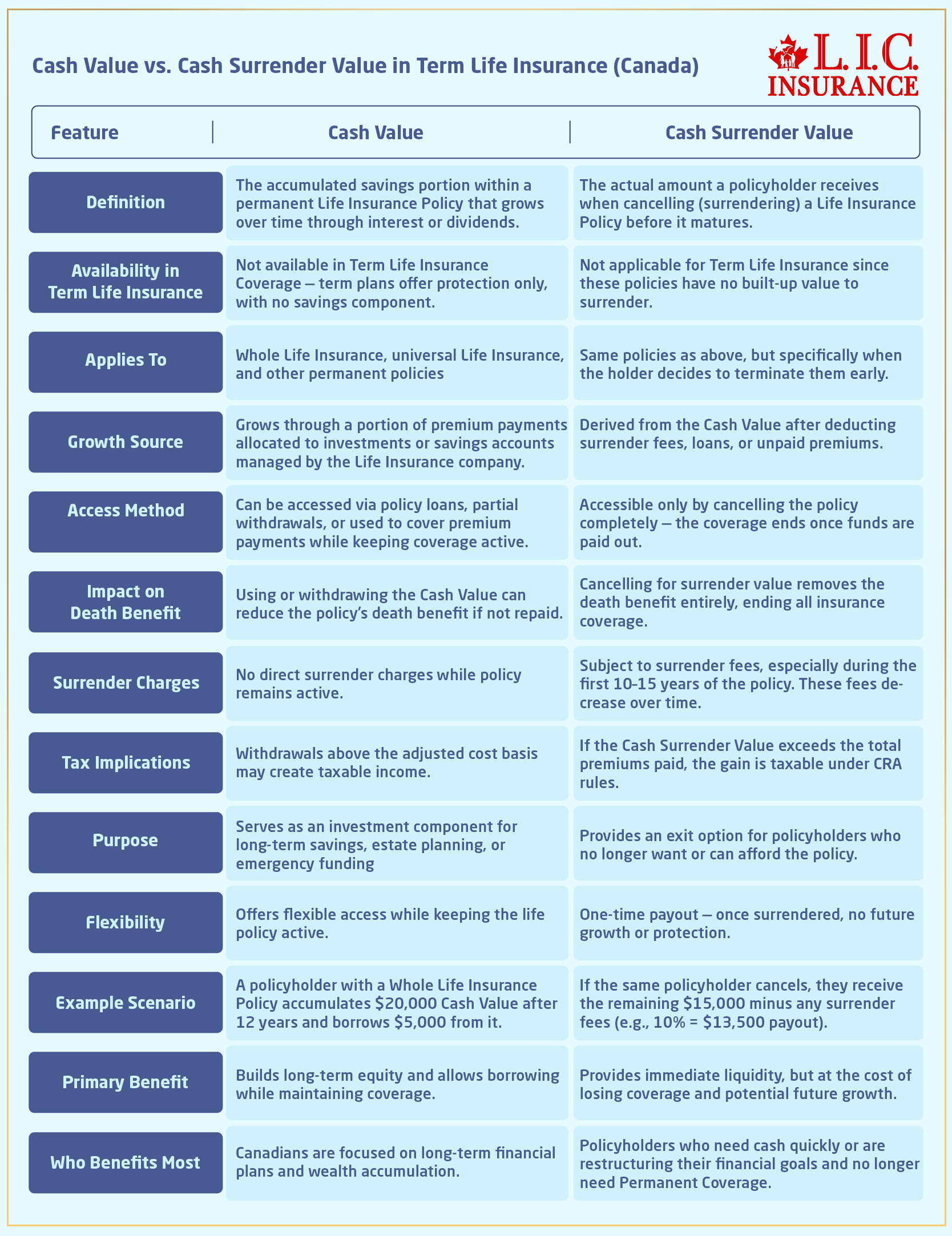
Sometimes, following the withdrawal rule isn't the best path. Policyholders often confuse withdrawals (partial surrenders) with policy loans. Understanding the difference is vital for executive financial planning.
| Feature | Cash Value Withdrawal | Policy Loan |
|---|---|---|
| Tax Impact | Tax-free up to basis (non-MEC). | Generally tax-free regardless of basis. |
| Repayment | Cannot be repaid; permanent reduction. | Can be repaid at any time. |
| Death Benefit | Permanently reduced by withdrawal amount. | Reduced by outstanding loan balance + interest. |
| Interest Charges | None. | Policyholder pays interest to the insurer. |
| Ownership | You own the funds outright. | The insurer uses your cash value as collateral. |
| Lapse Risk | Higher if remaining cash value is low. | High if interest accumulates beyond cash value. |
Practical Limitations and Operational Nuances
When following the GE Leadership Life Insurance withdrawal rules, there are several "hidden" factors that can complicate the process.
Surrender Charges
Most GE executive policies have a "surrender charge period," which can last 10 to 15 years from the date of the last major policy change or issuance. If you are a newer executive or recently increased your coverage, a withdrawal may trigger a surrender fee, which is deducted from the amount you receive.
Impacts on GE Benefits Eligibility
For some legacy "Leadership" tiers, the life insurance policy is tied to a broader suite of executive benefits, including deferred compensation or retiree medical bridge programs. While withdrawing cash value usually doesn't impact these other benefits, it is prudent to check the GE Summary Plan Description (SPD) to ensure that a partial surrender isn't interpreted as a "plan termination" in specific niche executive contracts.
The "Net Amount at Risk"
Insurance companies charge you for the "Net Amount at Risk"—the difference between your cash value and the total death benefit. When you withdraw cash value, you might expect your monthly costs to go down because the death benefit is lower. However, because the policy's internal charges often increase with age, the withdrawal might actually accelerate the rate at which the remaining cash value is depleted.
Common Mistakes to Avoid
- Forgetting the Tax Trap: Taking a withdrawal that exceeds the cost basis without realizing it. This results in an 1099-R at the end of the year and an unexpected tax bill.
- Ignoring the "Corridor" Rule: Withdrawing so much that the policy no longer meets the IRS definition of life insurance, which can lead to the entire policy being taxed as an investment.
- Failure to Update Beneficiaries: Since a withdrawal reduces the death benefit, it is a good time to review your beneficiary designations to ensure the remaining payout still aligns with your estate planning goals.
- Assuming the Process is Instant: GE executive benefit transactions often require secondary verification through the GE Pension or Benefits payroll systems. Expect the process to take 10 to 15 business days.
Frequently Asked Questions
Can I withdraw 100% of the cash value from my GE Leadership Life policy?
Generally, no. Withdrawing the full cash value is considered a "full surrender," which terminates the policy and cancels the death benefit. Most administrators require you to leave a minimum balance (often $500 to $1,000 or a percentage of the death benefit) to keep the policy active.
How do I find my current cost basis for a GE policy?
You must contact the carrier (e.g., Transamerica or MetLife) and request a "Tax Basis Statement." GE HR or the "OneHR" portal can provide the carrier's contact info, but they do not track individual tax basis figures, as these change based on premium payments and prior withdrawals.
Does withdrawing cash value affect my GE pension?
No. GE Leadership Life Insurance is a separate executive benefit and is not legally or financially tied to the GE Pension Plan. However, both are part of your total executive compensation package, so both should be viewed together for tax planning purposes.
What happens if I am under 59½ and take a withdrawal?
If your policy is not a MEC, you can withdraw up to your basis tax-free and penalty-free at any age. If the policy is a MEC, any withdrawal that includes earnings will be subject to a 10% IRS early withdrawal penalty in addition to standard income tax.
Is the GE Leadership Life withdrawal rule different for GE Aerospace vs. GE Vernova?
While the administrative portals may differ (e.g., separate logins for the different companies), the fundamental policy rules are governed by the original insurance contract signed when the policy was issued. The split of GE into three companies did not change the underlying terms of existing life insurance contracts.
Final Recommendation
To successfully follow the GE Leadership Life Insurance cash value withdrawal rule, your first action should be to request an In-Force Illustration specifically modeled for a partial surrender. Do not rely on your last annual statement, as interest rates and cost of insurance charges may have shifted. Review the illustration with a tax advisor to confirm the "Cost Basis" and ensure that the withdrawal will not result in a policy lapse before your projected life expectancy. If the risk of lapse is high, consider a policy loan instead, which may provide the necessary liquidity while keeping the death benefit intact.
Image Gallery