The Current Status of Beverly Vance: Her Journey and Life in 2026
As of 2026, Beverly Vance (now Beverly Aikins) is living a private life in Ohio, where she continues to maintain her long-term sobriety. Having surpassed a decade of recovery from substance abuse, she is frequently recognized as a symb...
As of 2026, Beverly Vance (now Beverly Aikins) is living a private life in Ohio, where she continues to maintain her long-term sobriety. Having surpassed a decade of recovery from substance abuse, she is frequently recognized as a symbol of resilience and the human face of the American opioid crisis, primarily through her son, Vice President J.D. Vance.
Contents
Beverly Vance’s life story has transitioned from a narrative of struggle and addiction, as famously chronicled in the memoir Hillbilly Elegy, to one of stable recovery and family reconciliation. While she does not hold an official public office or a formal role in the current administration, her presence at significant national events alongside her son highlights her ongoing journey and the importance of family support in the recovery process.
The Milestone of Long-Term Sobriety
One of the most significant aspects of Beverly Vance’s status today is her commitment to sobriety. Having struggled for years with prescription drug and heroin addiction—a struggle that defined much of her children’s upbringing—she reached a pivotal turning point in the mid-2010s. By 2026, she has maintained her recovery for over ten years, a milestone that is statistically significant in the field of addiction medicine.
The transition from active addiction to long-term recovery is a complex process involving medical intervention, community support, and personal resolve. In Beverly’s case, this journey was characterized by multiple attempts at rehabilitation and the eventual finding of a stable support structure. Her success is often cited in discussions regarding the "recovery-ready" communities and the long-term management of Substance Use Disorder (SUD). Experts note that maintaining sobriety for over a decade significantly lowers the risk of relapse and allows for the restoration of professional and personal relationships that were previously strained or severed.
Life as the Mother of the Vice President
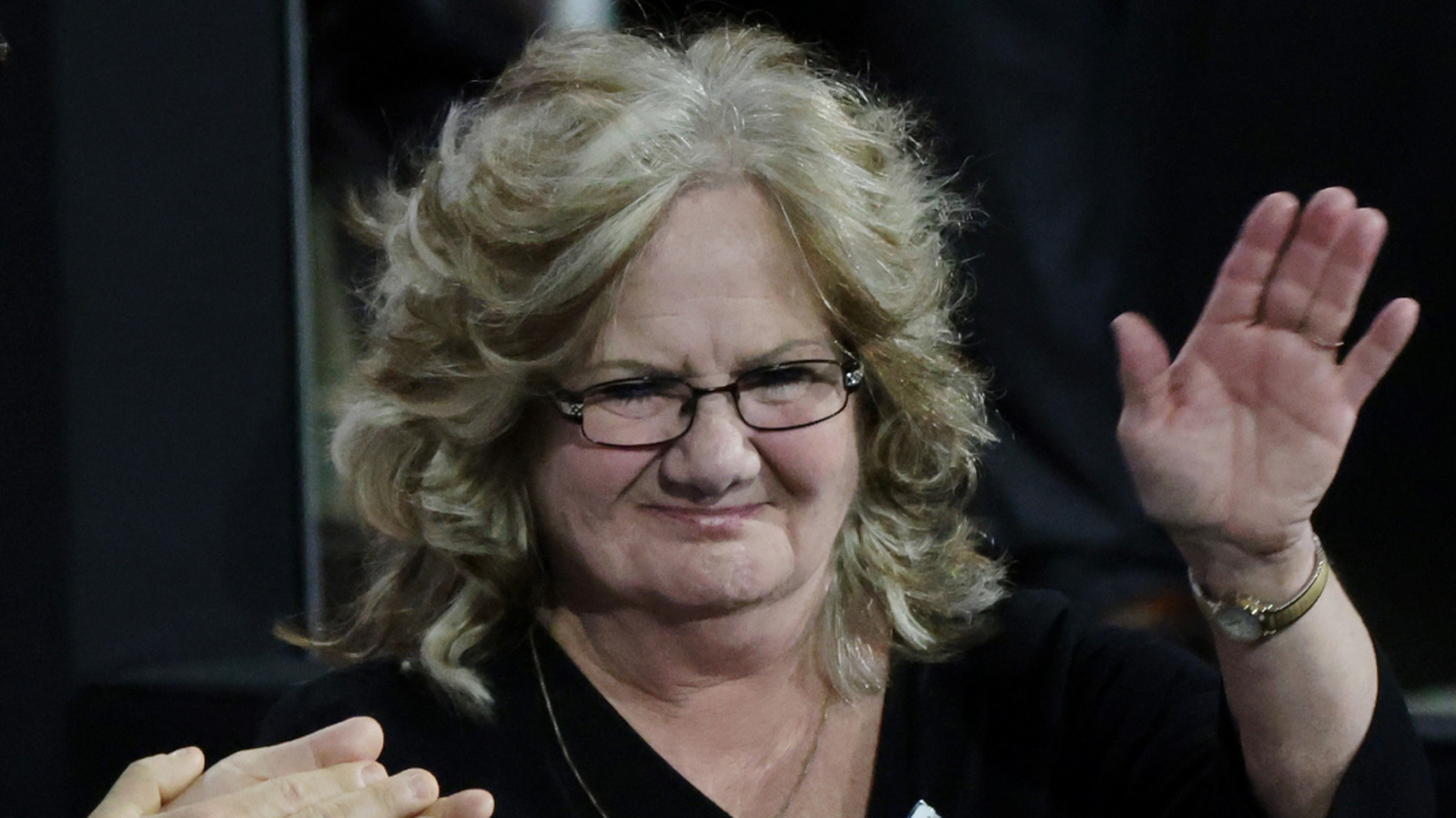
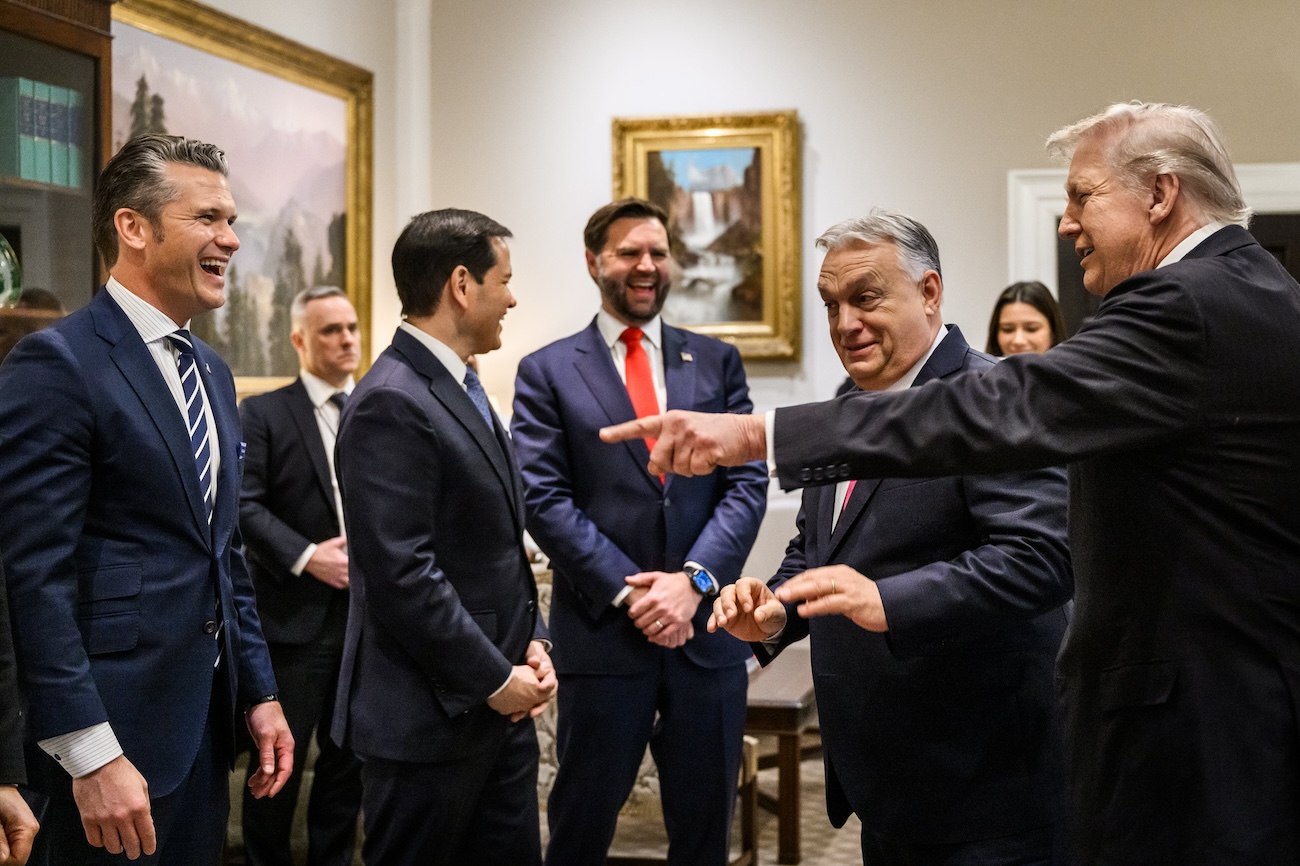
In 2026, Beverly Vance occupies a unique position in American public life. As the mother of Vice President J.D. Vance, she is occasionally seen in the national spotlight, yet she maintains a degree of privacy that allows her to focus on her personal well-being. Her presence at the 2024 Republican National Convention and subsequent inaugural events served as a public testament to her son’s personal history and his frequently cited "American Dream" narrative.
Despite the high profile of her family, Beverly does not engage in partisan political advocacy. Instead, her status is that of a supportive family member. Her relationship with her son, which was once fraught with the chaos of her addiction, has become a cornerstone of the Vice President's personal identity. This reconciliation is a central theme in the family’s public image, illustrating the possibility of healing within families affected by the opioid epidemic.
Residence and Daily Life
Beverly resides in Ohio, the state where she spent the majority of her life and where the events of Hillbilly Elegy took place. Living in the Midwest allows her to remain close to her roots and her extended family. Her daily life is largely removed from the frantic pace of Washington D.C., focusing instead on her health, her community, and her role as a grandmother to J.D. and Usha Vance’s children.
Historical Context: From "Hillbilly Elegy" to National Symbol
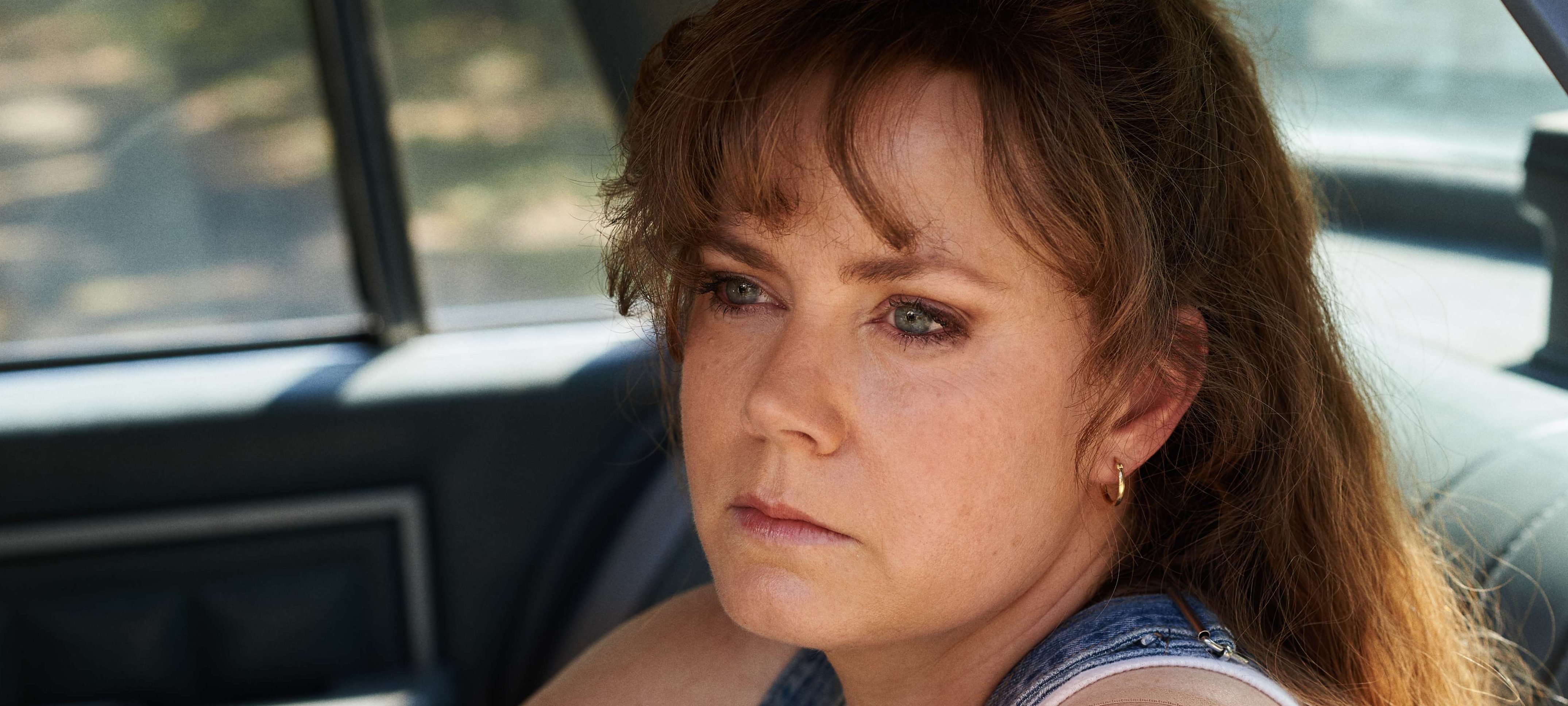
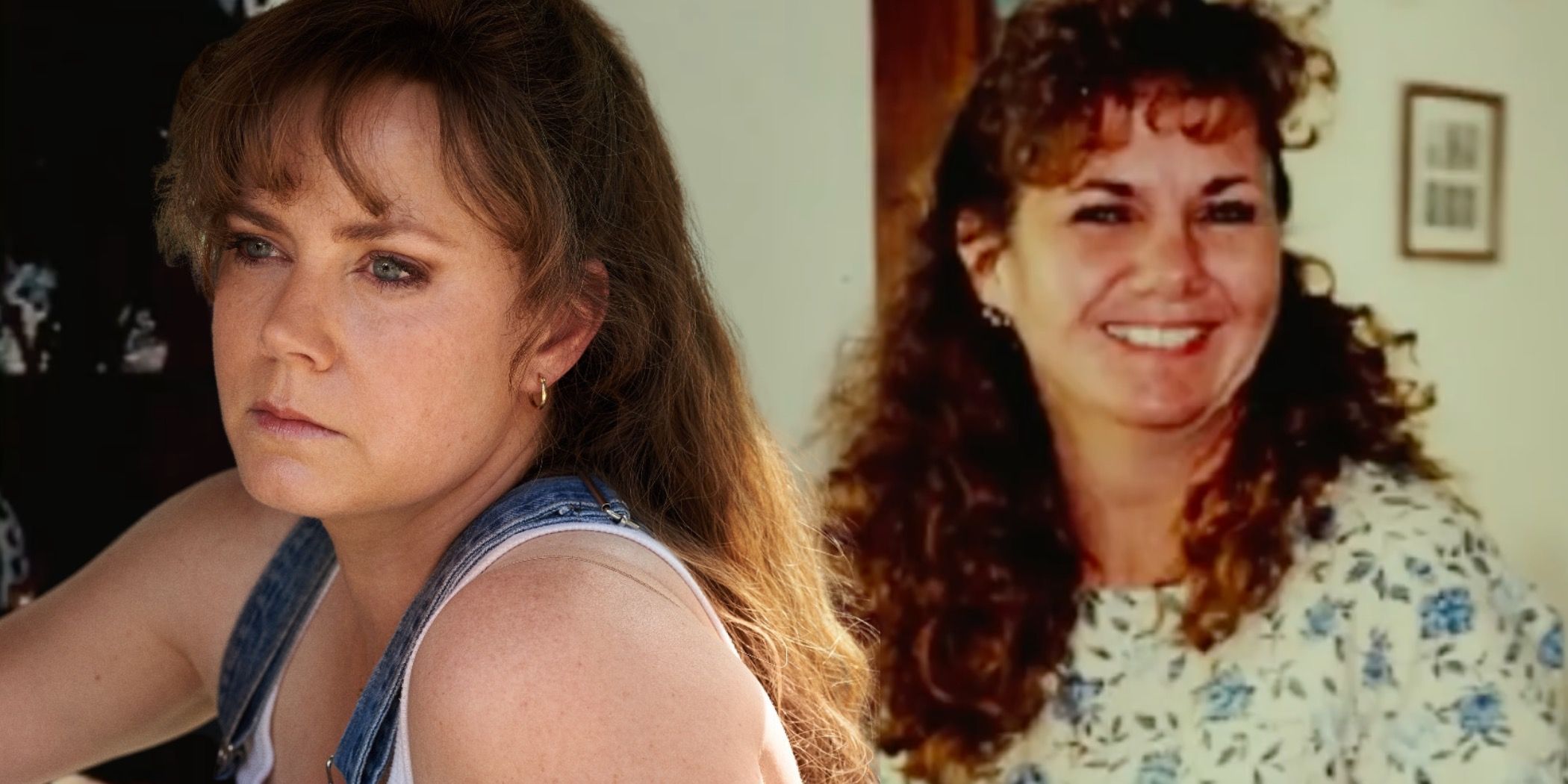
To understand Beverly Vance’s status today, one must look back at her portrayal in her son's 2016 memoir, Hillbilly Elegy: A Memoir of a Family and Culture in Crisis. In the book, Beverly is depicted as a woman of high intelligence—having worked as a nurse—who became ensnared in the opioid epidemic that ravaged the Rust Belt.
The Nursing Career and Early Struggles
Before the onset of her addiction, Beverly was a licensed nurse. This background is a crucial element of her story, as it highlights that addiction does not discriminate based on education or professional status. The physical and emotional demands of the healthcare profession, combined with personal traumas, contributed to her initial reliance on prescription painkillers. Her journey from a healthcare provider to a patient struggling with addiction is a narrative shared by many Americans, making her a relatable figure to thousands of families.
Impact on the National Conversation
Beverly Vance’s story has had a profound impact on how the American public views addiction. By allowing her son to share the intimate and often painful details of her life, she helped humanize a demographic that is often stigmatized. In 2026, as the United States continues to grapple with the evolution of the drug crisis (including the rise of synthetic opioids like fentanyl), her story remains a relevant case study in the necessity of comprehensive treatment and the power of second chances.
Recovery Statistics and Key Life Events
The following table outlines the timeline and key metrics associated with Beverly Vance’s journey from her early career to her current status in 2026.
| Period | Status/Event | Significance |
|---|---|---|
| 1980s - 1990s | Registered Nurse | Established professional foundation; early family life in Middletown, Ohio. |
| 2000s - 2010s | Active Addiction | Struggles with prescription opioids and heroin; frequent job changes and instability. |
| 2014 - 2015 | Initiation of Sobriety | Commenced long-term recovery journey; moved toward stability. |
| 2016 | Hillbilly Elegy Publication | Became a public figure through her son's memoir; story reached global audience. |
| 2024 | VP Election Appearance | Celebrated 10 years of sobriety; appeared on the national stage during the election. |
| 2026 | Current Status | Maintaining private life in Ohio; serving as a recovery advocate by example. |
The Role of Family and Support Systems
The stability Beverly Vance enjoys today is frequently attributed to the robust support system that surrounded her during her recovery. Central to this was her son, J.D., and her mother, known as "Mamaw," who provided the necessary stability for the children during Beverly’s most difficult years.
In recovery circles, the "Vance family" story is often used to discuss the importance of family intervention and the long-term nature of healing. Recovery is rarely a linear path, and Beverly's history of multiple stints in rehab before achieving lasting sobriety is a realistic representation of the struggle. Her current status is a reflection of a holistic approach to recovery that includes:
- Clinical Treatment: Access to professional detoxification and rehabilitation services.
- Community Support: Engagement with peer-led recovery groups (such as Narcotics Anonymous or similar programs).
- Familial Reconciliation: Rebuilding trust with children and grandchildren, which provides a powerful emotional incentive to remain sober.
- Economic Stability: Having the resources and familial backing to maintain a safe living environment.
Beverly Vance and the Opioid Crisis in 2026
While Beverly Vance is not a policy expert, her life is inextricably linked to the policies governing the opioid crisis. In 2026, the legislative landscape continues to reflect the lessons learned from the era in which she struggled. Programs focusing on Harm Reduction, Medication-Assisted Treatment (MAT), and Re-entry Support for former addicts are central to the national health strategy.
Beverly’s status as a "success story" is vital for public morale. However, it also serves as a reminder of the millions who did not survive the crisis. Her son’s political platform often emphasizes the need for border security and pharmaceutical regulation, citing his mother’s experiences as a primary motivator. Thus, Beverly Vance remains a silent but powerful influence on current American drug policy.
Frequently Asked Questions
Is Beverly Vance still sober in 2026?
Yes, according to all public records and statements from the Vice President’s office, Beverly Vance has maintained her sobriety since approximately 2014-2015. She celebrated a decade of recovery in 2024 and continues to prioritize her health and sobriety today.
Where does Beverly Vance live now?
Beverly Vance lives in Ohio. While her specific city of residence is kept private for security reasons, she remains rooted in the state where she was raised and where much of her family continues to reside.
Does Beverly Vance have a role in the government?
No, Beverly Vance holds no official or unofficial role in the United States government. She is a private citizen and the mother of Vice President J.D. Vance. Her public appearances are limited to family events and significant ceremonial occasions.
What was Beverly Vance's profession?
Beverly Vance was a licensed nurse. Her medical background was a significant part of her early life, though her career was interrupted by her long-term struggle with substance abuse.
Is Beverly Vance involved in any recovery advocacy?
While she does not run a formal foundation or non-profit, Beverly Vance serves as an advocate by example. Her story is frequently used in recovery communities to provide hope to those currently struggling with addiction.
Practical Recommendation for Families Facing Addiction
For families who see their own struggles reflected in Beverly Vance’s story, the most practical next step is to seek a multi-faceted treatment approach. Recovery is a long-term process that requires more than just willpower; it necessitates medical support, psychological counseling, and a stable environment.
If you or a loved one is currently struggling, resources like the Substance Abuse and Mental Health Services Administration (SAMHSA) provide 24/7 support and referrals to treatment facilities. Beverly Vance’s status today proves that while the road to recovery is long and difficult, sustained sobriety and family reconciliation are achievable.
Image Gallery