Selecting the Best Whole Life Insurance for Age 23: A Strategic Approach
At age 23, purchasing whole life insurance is a proactive financial move that leverages time, lower premiums, and the potential for long-term cash value accumulation. The "best" policy for this life stage prioritizes affordability, the...
At age 23, purchasing whole life insurance is a proactive financial move that leverages time, lower premiums, and the potential for long-term cash value accumulation. The "best" policy for this life stage prioritizes affordability, the ability to increase coverage later, and the long-term financial stability of the issuing mutual insurance company.
Contents
Understanding the Value Proposition at 23
Whole life insurance is a form of permanent coverage that provides a death benefit while simultaneously building cash value over time. Unlike term life insurance, which expires after a set period, whole life policies remain in effect for your entire life, provided the premiums are paid.
For a 23-year-old, the primary advantages are twofold:
- Premium Locking: Premiums are calculated based on your age and health at the time of purchase. By securing a policy now, you lock in a lower rate that will never increase, regardless of future health changes or occupations.
- Compound Growth: The cash value component of a whole life policy grows on a tax-deferred basis. Starting this process in your early twenties allows for decades of compounding, which can eventually provide a substantial asset you can borrow against or use for supplemental retirement income.
Core Prerequisites for Applicants
Before committing to a policy, you must ensure you meet the fundamental requirements to qualify for standard or preferred rates.
- Financial Stability: Whole life insurance is a long-term commitment. You must have a stable income to cover the premiums. Failing to pay premiums can lead to the lapse of your policy and the loss of accumulated cash value.
- Health Documentation: Insurers require a medical underwriting process. At 23, you are likely in your prime health, which is a major advantage. Be prepared to provide details on your medical history, and be aware that some policies require a paramedical exam (height, weight, blood pressure, and blood/urine samples).
- Insurer Rating: Because whole life policies are designed to last for decades, it is vital to choose a highly rated mutual insurance company. Look for companies with strong financial strength ratings from agencies such as AM Best, Moody’s, or Standard & Poor’s. A "mutual" company is often preferred because policyholders are effectively the owners, and dividends are often returned to the policyholders.
Choosing the Right Policy Structure
Not all whole life policies are identical. When evaluating options, consider these critical features:
1. Dividend Participation
Most whole life insurance is "participating," meaning the company may pay dividends based on its financial performance. While these are never guaranteed, they are a significant feature for long-term growth. They can be used to buy more coverage, pay premiums, or be taken as cash.
2. Paid-Up Additions (PUA)
This is an optional rider that allows you to pay extra money into your policy, which directly increases both your death benefit and the cash value accumulation. For a 23-year-old, utilizing PUA riders is often more effective for building wealth than simply buying a massive base policy.
3. Guaranteed Insurability Rider
This allows you to increase your death benefit at specific future life events (such as marriage, buying a home, or having a child) without having to undergo a new medical exam. This is essential for a 23-year-old whose insurance needs will likely grow significantly over the next two decades.
Comparison of Life Insurance Objectives
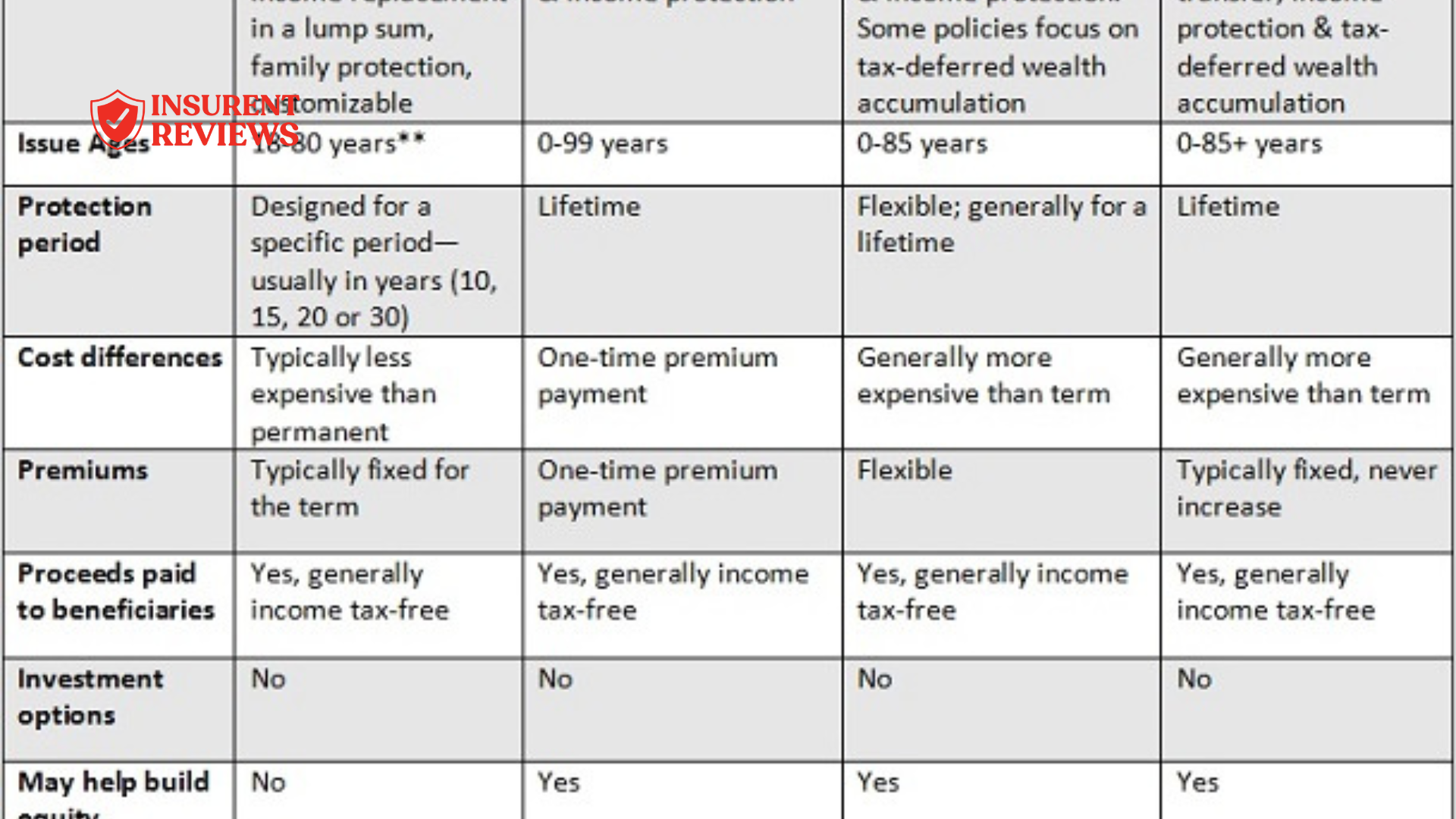
| Feature | Term Life Insurance | Whole Life Insurance |
|---|---|---|
| Duration | Specific term (10-30 years) | Permanent (Entire life) |
| Cash Value | None | Yes (Builds over time) |
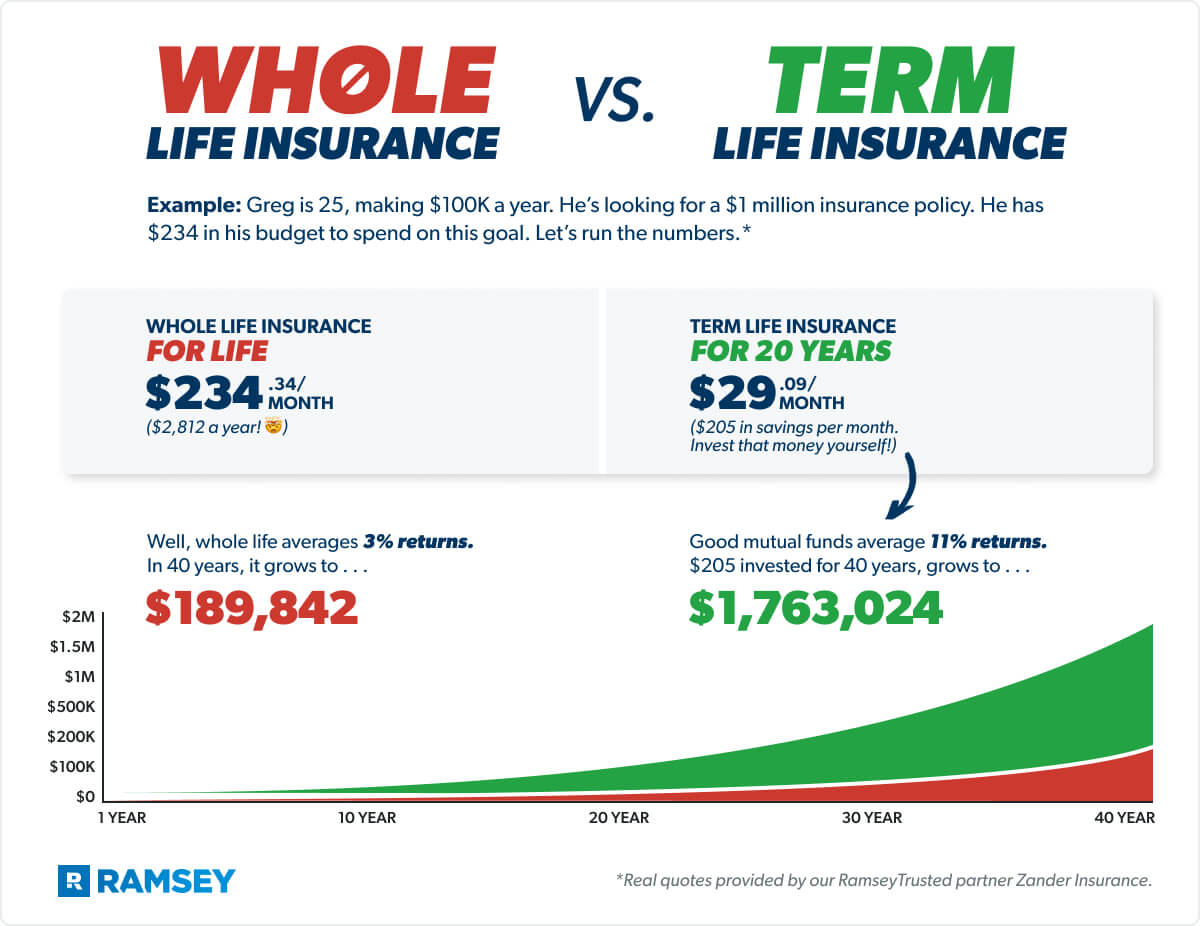
| Premiums | Lowest initial cost | Higher fixed cost |
| Suitability | Income replacement for families | Long-term asset/estate building |
| Growth Potential | None | Tax-deferred interest/dividends |
Navigating the Application Process
Securing a policy is a multi-step process that requires patience and due diligence.
- Needs Analysis: Determine why you need the policy. If you have no dependents or debt, your primary motivation might be starting a tax-advantaged savings vehicle or locking in insurability for the future.
- Request Quotes: Do not rely on one company. Use independent brokers who represent multiple carriers to compare quotes for the same face amount.
- Medical Underwriting: Complete the application and the medical examination. Be honest about your lifestyle, including hobbies or habits, as non-disclosure can void the policy during the two-year "contestability period."
- Review and Sign: Once approved, read the policy contract carefully. Look for "non-forfeiture" clauses that protect your interests if you ever need to stop paying premiums.
Common Pitfalls to Avoid
- Over-leveraging: Do not commit to a monthly premium that consumes so much of your income that it creates financial stress. It is better to start with a smaller policy you can comfortably afford than a large one that lapses after two years.
- Ignoring Riders: A basic policy without riders lacks flexibility. Ensure you understand the cost-to-benefit ratio of disability waivers or accidental death riders, which provide additional security.
- Misunderstanding Cash Value Liquidity: While you can borrow against your cash value, taking loans can reduce your death benefit and potentially cause the policy to lapse if the loan interest accrues beyond the policy’s value. Treat the cash value as a long-term asset, not a checking account.
Professional Advice and Limitations
While whole life insurance is a powerful tool for young adults, it should not be the entirety of your financial plan. You should maintain an emergency fund, contribute to retirement accounts (like a 401(k) or Roth IRA), and handle high-interest debt before over-allocating capital to insurance premiums. Insurance is a foundation, not a substitute for diversified investing.
Consult with a fee-only financial planner or a reputable insurance broker who does not rely solely on commissions from one specific carrier. Verify the licensing of any agent you work with through your state’s department of insurance.
Frequently Asked Questions
Is whole life insurance worth it at 23? Yes, if your goal is long-term wealth accumulation and permanent coverage. By starting at 23, you maximize the time allowed for compound growth of the cash value and secure the lowest possible annual premium rate for the remainder of your life.
Can I stop paying my premiums later? Yes, but you may lose your coverage or be forced to reduce the death benefit. Most policies have a "reduced paid-up" option, where you stop paying, and the company uses your existing cash value to buy a smaller, fully paid-up policy.
What happens if my health declines after I get the policy? The beauty of a whole life policy is that the coverage is guaranteed as long as the premiums are paid. The insurance company cannot raise your rates or cancel your policy because your health worsens after the policy is issued.
Are the dividends guaranteed? No. Dividends are based on the insurance company’s mortality experience, investment performance, and operational expenses. While many mutual companies have historically paid dividends for over a century, they are legally permitted to vary based on performance.
How much life insurance should a 23-year-old have? There is no "one size fits all" amount. A common baseline is 5 to 10 times your annual income. However, at 23, you should also calculate your current debts and the potential future needs of a family you may one day have, adjusting your face amount to match those long-term goals.
Taking the Next Step
To begin, conduct a personal audit of your current and projected future financial obligations. Request an "in-force illustration" from at least three top-rated, mutual insurance carriers to compare how their cash values are projected to grow over the next 20 to 30 years. Once you have these documents, compare the premium costs against your budget to select a face amount that is sustainable for the long haul.
Image Gallery