How Many First Class Seats Does the Alaska 737-900 Have?
Alaska Airlines operates the Boeing 737-900 and the 737-900ER with 16 First Class seats. These seats are arranged in a 2-2 configuration across four rows, offering a standard 41-inch seat pitch and 21-inch width. This layout ensures a...
Alaska Airlines operates the Boeing 737-900 and the 737-900ER with 16 First Class seats. These seats are arranged in a 2-2 configuration across four rows, offering a standard 41-inch seat pitch and 21-inch width. This layout ensures a consistent premium experience across their heavy-duty narrow-body fleet.
Contents
The Boeing 737-900 series serves as a workhorse for Alaska Airlines, bridging the gap between shorter regional hops and transcontinental routes. As of 2026, while the airline has continued its aggressive transition toward an all-Boeing fleet, the 737-900 remains a staple of their domestic operations. Understanding the specific seating capacity and layout of this aircraft is essential for frequent flyers, especially those looking to maximize their Mileage Plan benefits or secure a paid upgrade.
Detailed Breakdown of the Boeing 737-900 Seating Configuration
The seating configuration on Alaska’s 737-900 and 737-900ER (Extended Range) is identical in terms of the First Class cabin. While the total number of seats in the aircraft is 178, the distribution is carefully balanced to cater to different passenger needs.
The First Class Cabin (Rows 1–4)
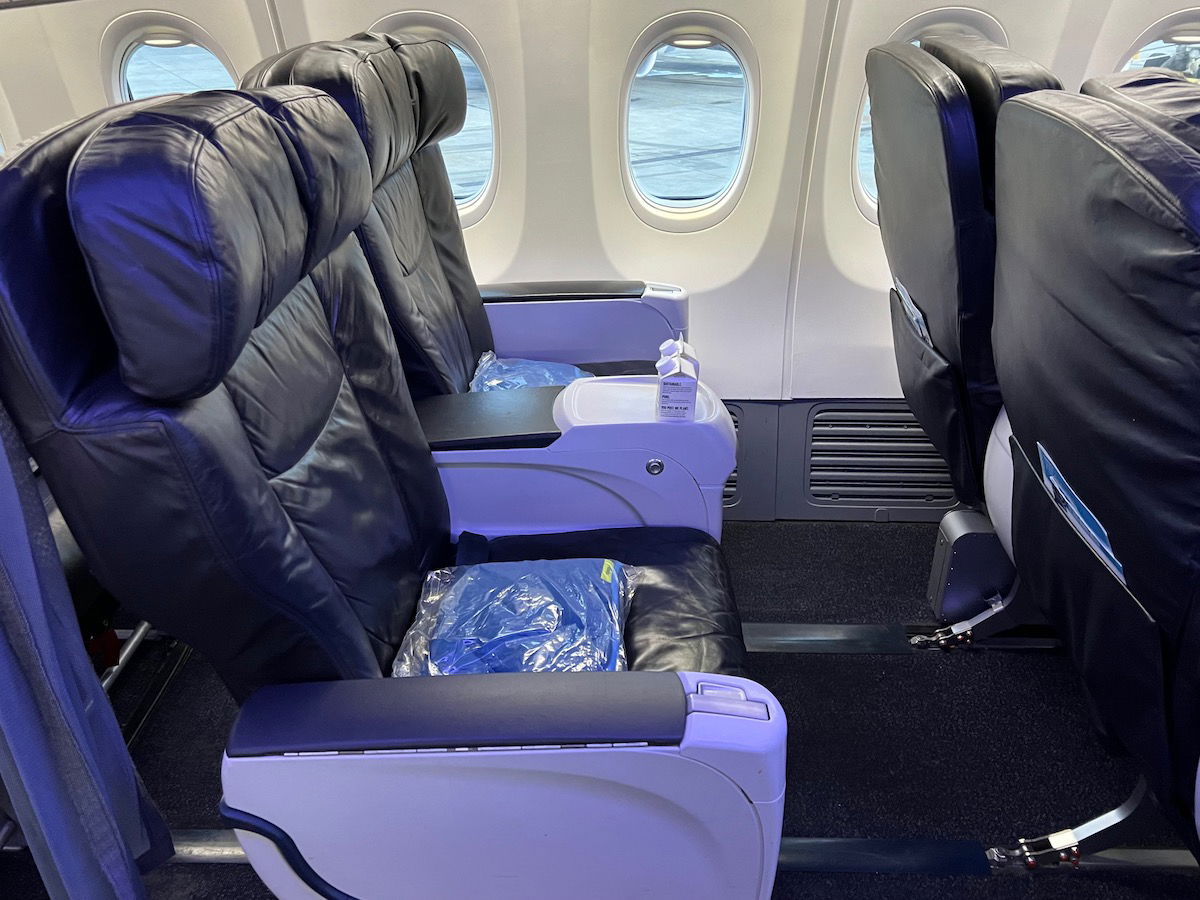
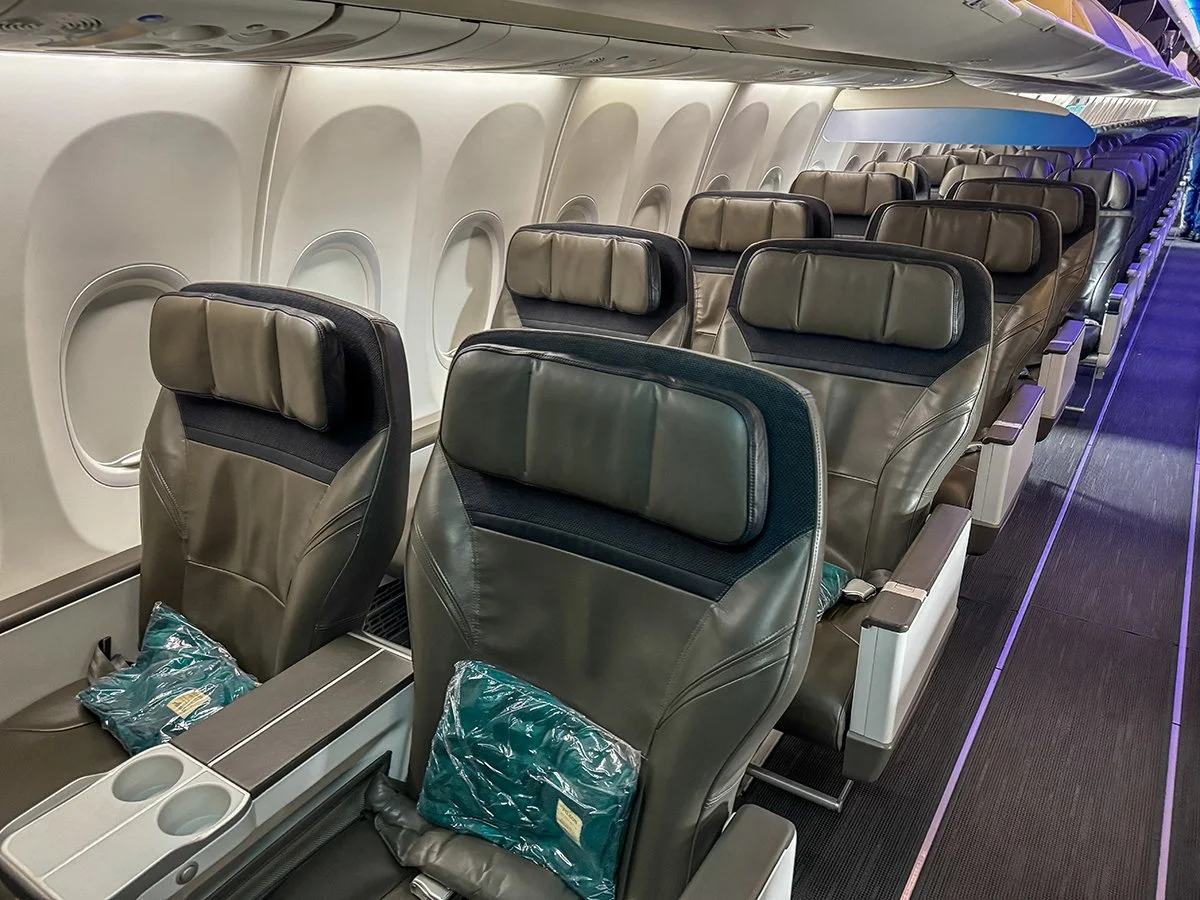
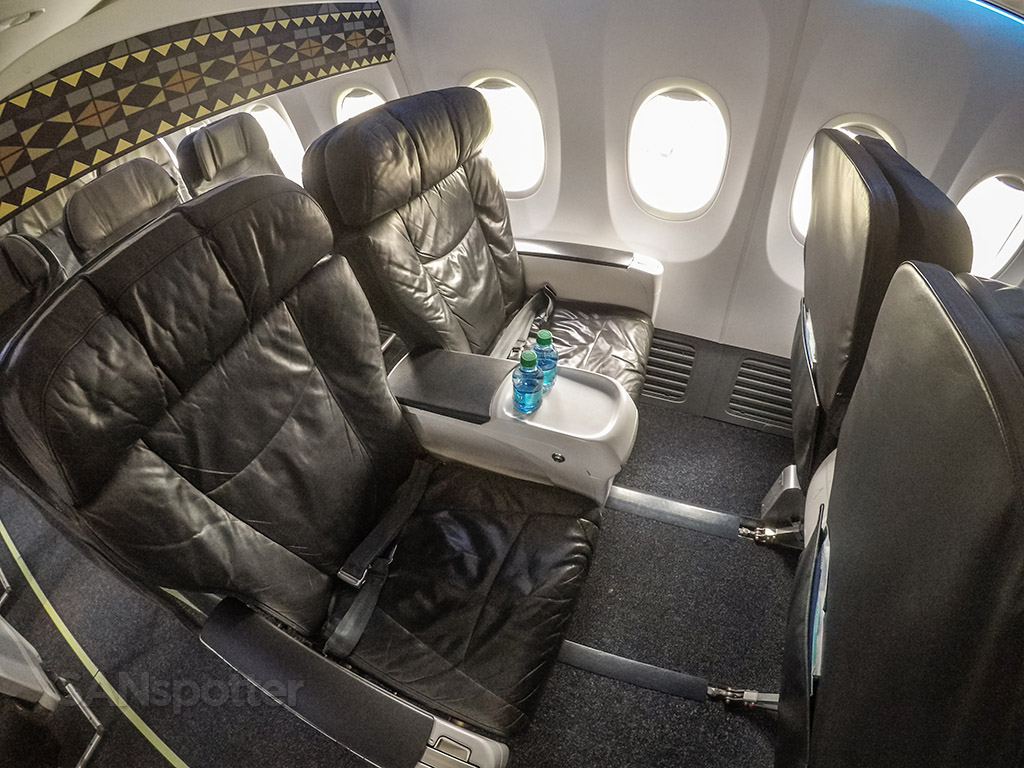
The 16 First Class seats are located at the front of the aircraft. Unlike some international carriers that utilize a 1-2 or 1-1 layout for narrow-body planes, Alaska adheres to the North American domestic standard of 2-2. This means every passenger has either a window or an aisle seat, with no middle seats in the premium cabin.
The 41-inch pitch is notably generous compared to the industry average of 37 to 38 inches found on many competitors. This extra space allows for a deeper recline and more legroom, which is particularly appreciated on "long-thin" routes, such as Seattle to Florida or Hawaii.
Premium Class and Main Cabin
Behind the 16 First Class seats, the aircraft transitions into Premium Class, which features 24 seats. These seats offer 35 inches of pitch—four inches more than the standard Main Cabin. The remaining 138 seats make up the Main Cabin, which features a standard 3-3 configuration.
The strategic placement of 16 seats in First Class allows Alaska to maintain a high ratio of premium-to-economy seating, which is vital for their elite upgrade programs. With 16 seats available, MVP Gold and MVP Gold 75K members have a statistically higher chance of clearing an upgrade compared to the smaller 737-800 models, which only feature 12 First Class seats.
The First Class Experience on Alaska’s 737-900 Series
In 2026, the interior of the 737-900 series has seen significant refinements to match the "Boeing Sky Interior" aesthetics found in the newer MAX aircraft. Alaska has invested heavily in retrofitting older 737-900NG (Next Generation) airframes to ensure a seamless product transition across the fleet.
Seat Features and Ergonomics
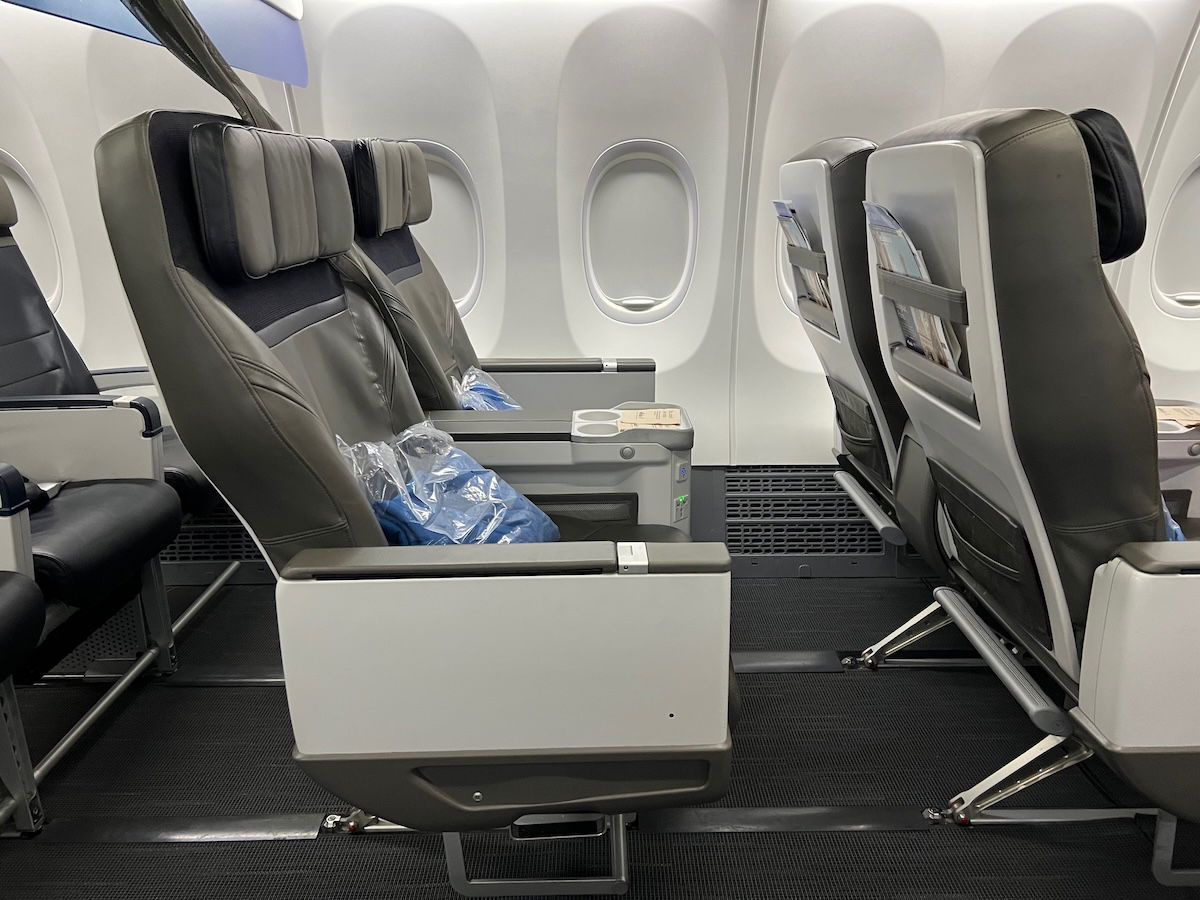
The seats themselves are typically manufactured by Recaro, known for their "slimline" yet ergonomic designs. Key features of the First Class seat on the 737-900 include:
- Integrated Tablet Holders: Recognizing that many passengers prefer their own devices, Alaska has removed seatback screens in favor of high-speed satellite Wi-Fi and integrated clips that hold tablets or smartphones at eye level.
- Power Access: Every seat in First Class is equipped with a dedicated AC power outlet and a USB-A/USB-C charging port.
- Footrests: Most 737-900ER models in the fleet feature padded footrests that deploy from the seat in front, enhancing comfort during red-eye or transcontinental flights.
- Storage: The 2-2 configuration provides a shared center console with a small cocktail tray and a larger under-seat storage area for personal items.
Soft Product and Amenities
The "soft product"—which refers to the service, food, and drink—is where the 16-seat cabin truly shines. Alaska Airlines is well-regarded for its West Coast-inspired culinary offerings. In First Class, passengers can expect:
- Fresh, Local Ingredients: Menus often feature seasonal items from Pacific Northwest partners.
- Pre-Order Functionality: Passengers can select their meals via the Alaska app up to two weeks before departure.
- Evergreen Beverages: A selection of local wines, craft beers, and the signature "Seattle’s Best" coffee or premium tea blends.
Comparing the 737-900 with Other Alaska Boeing Models
To understand why the 16-seat configuration is significant, it helps to compare it to other aircraft in the Alaska Airlines fleet. While the 737-900 was once the largest aircraft in the fleet, the introduction of the 737-MAX 9 and the 737-MAX 10 has shifted the hierarchy.
| Aircraft Model | Total Seats | First Class Seats | Premium Class Seats | First Class Pitch |
|---|---|---|---|---|
| Boeing 737-800 | 159 | 12 | 30 | 41" |
| Boeing 737-900 | 178 | 16 | 24 | 41" |
| Boeing 737-900ER | 178 | 16 | 24 | 41" |
| Boeing 737-MAX 8 | 162 | 12 | 30 | 41" |
| Boeing 737-MAX 9 | 178 | 16 | 24 | 41" |
As shown in the table, the 737-900 and the 737-MAX 9 share the same premium cabin density. This consistency is a deliberate choice by Alaska’s network planners to simplify the "gate upgrade" process. When an aircraft swap occurs (e.g., a 737-900 is replaced by a MAX 9), the seating chart usually remains intact, preventing "downgrade" headaches for passengers who had already confirmed their First Class seats.
Understanding the Cabin Layout (LOPA)
The Layout of Passenger Accommodations (LOPA) for the 737-900 is designed for maximum efficiency at the boarding door. Passengers enter through the 1L door, which places them directly into the First Class cabin.
Row 1: The Bulkhead Pros and Cons
Row 1 is the bulkhead row. While many passengers prefer Row 1 because there is no seat to recline into them, it has distinct limitations on the 737-900. There is no under-seat storage for takeoff and landing, meaning all personal items must go into the overhead bins. Additionally, the legroom can feel slightly more restricted due to the physical wall, despite the 41-inch measurement.
Row 4: Proximity to Premium Class
Row 4 is the final row of First Class. The benefit of this row is that you are the first to be served if the cabin crew works from back to front (though they usually work front to back). The main drawback is the proximity to the Premium Class curtain, where there may be more noise or foot traffic from the Main Cabin using the forward lavatory—though technically, the forward lavatory is reserved for First Class.
How to Secure One of the 16 First Class Seats
With only 16 seats available on a plane carrying 178 people, competition is high. There are three primary ways to land in Alaska’s First Class cabin on the 737-900.
1. Elite Upgrades (Mileage Plan)
Alaska Airlines has one of the most generous upgrade policies in North America.
- MVP Gold 75K and 100K: These members are eligible for upgrades at the time of booking on most fares, or starting 120 hours before departure.
- MVP Gold: Eligible for upgrades starting 72 hours before departure.
- MVP: Eligible for upgrades starting 48 hours before departure. Given the 16-seat capacity, 900-series aircraft are generally more "upgrade-friendly" than the 800-series, which only offers 12 seats.
2. Paid Upgrades
If seats are still available 24 hours before departure, Alaska often offers "Instant Upgrades" during the check-in process. The cost typically depends on the distance of the flight, ranging from $50 for short hops to over $300 for transcontinental journeys.
3. Mileage Awards
You can book First Class directly using Alaska Mileage Plan miles. For the 737-900, a standard domestic one-way award usually starts at 25,000 miles, though "Web Special" awards can sometimes be found for less during off-peak periods.
Operational Considerations and Range
The 737-900ER, which makes up the bulk of Alaska’s 900-series fleet, is equipped with auxiliary fuel tanks. This allows the aircraft to fly up to 3,200 nautical miles. This range is critical for Alaska's routes from the Pacific Northwest to the East Coast and Hawaii.
From a technical standpoint, the 16-seat First Class cabin adds weight but provides the high-yield revenue necessary to make these long routes profitable. The aircraft's performance at high-altitude airports (like Denver) or in hot conditions is robust, ensuring that even with a full load of 178 passengers and their luggage, the 737-900ER can operate reliably across the network.
Frequently Asked Questions
Does the Alaska 737-900 have lie-flat seats in First Class?
No. Alaska Airlines utilizes a "recliner" style seat for its domestic First Class product across the entire 737 fleet, including the 737-900. These seats offer a significant recline and a footrest but do not transform into a flat bed. This is standard for most U.S. domestic narrow-body aircraft, with the exception of specific "premium transcontinental" routes operated by other carriers.
Is there a lavatory dedicated to First Class on the 737-900?
Yes. There is one lavatory located at the very front of the aircraft (ahead of Row 1) that is reserved for the 16 passengers in the First Class cabin. Main Cabin and Premium Class passengers are directed to use the lavatories located in the aft of the aircraft.
What is the best seat in the 737-900 First Class cabin?
Most frequent flyers recommend Row 2 or Row 3. These rows offer the perfect balance of under-seat storage (which Row 1 lacks) and distance from the galley and lavatory noise. Row 4 is also excellent but can occasionally experience "curtain bump" from passengers moving in the cabin behind.
Do these seats have inflight entertainment screens?
No, Alaska Airlines does not provide built-in seatback screens on the 737-900. Instead, they provide a "Bring Your Own Device" (BYOD) system. Passengers can connect to the onboard Wi-Fi to stream hundreds of movies and TV shows for free to their own laptops, tablets, or phones.
How does the 737-900 First Class compare to the MAX 9?
The seating experience is nearly identical. Both have 16 seats with the same pitch and width. However, the MAX 9 features a slightly quieter cabin due to newer engine technology and often includes the updated "Space Bins," which allow for more overhead luggage capacity.
Practical Recommendation for Travelers
When booking a flight on an Alaska 737-900, always aim for Rows 2 or 3 to ensure you have the best combination of legroom and storage. If you are an elite Mileage Plan member, your chances of an upgrade are statistically higher on this aircraft than on the 737-800 or 737-700 due to the larger 16-seat cabin. Always check your flight status 24 hours in advance, as this is when "unclaimed" First Class seats are often released for purchase or elite upgrades.
Image Gallery