Starbucks Bear Cold Cup Release: Everything You Need to Know About Collectible Drinkware Drops
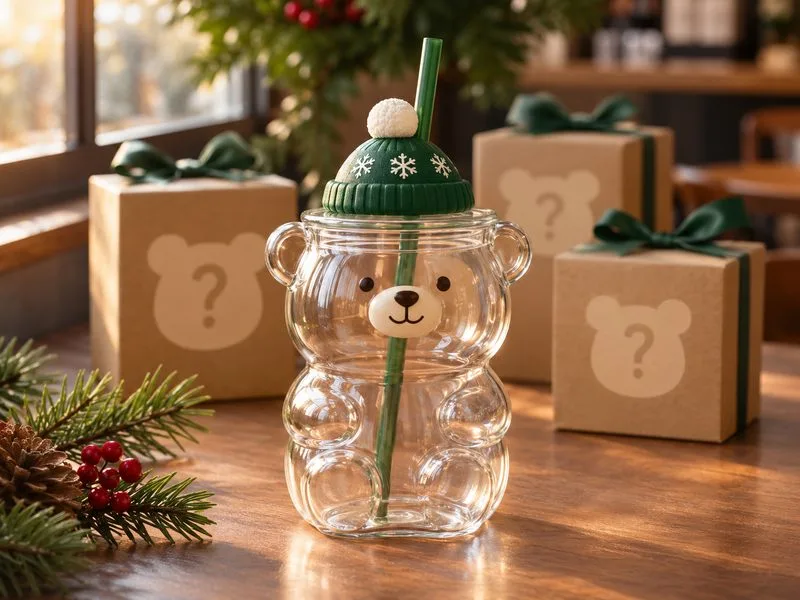
The Starbucks bear cold cup release refers to highly anticipated, limited-edition merchandise drops featuring bear-themed designs—ranging from 3D bear toppers and gradient color-changing finishes to intricate holiday motifs. These drin...
The Starbucks bear cold cup release refers to highly anticipated, limited-edition merchandise drops featuring bear-themed designs—ranging from 3D bear toppers and gradient color-changing finishes to intricate holiday motifs. These drinkware items routinely trigger high demand, rapid sell-outs, and significant secondary-market attention among collectors and everyday brand enthusiasts alike.
Contents
Navigating the world of Starbucks seasonal merchandise requires a strategic approach. Because these releases are tied to specific calendar windows—such as the winter holidays, Valentine's Day, or summer collections—understanding how inventory moves, where to purchase authentic items, and how to spot genuine articles from third-party resellers is essential for both novice buyers and seasoned collectors.
Understanding the Starbucks Bear Cold Cup Phenomenon
Starbucks has evolved far beyond a daily coffee destination into a lifestyle brand with a massive, dedicated following for its reusable drinkware. Among the various styles released throughout the year—including glitter cups, stainless steel tumblers, and studded mugs—items featuring 3D elements like the popular bearista straw toppers or molded bear bodies hold a unique place in pop culture.
The "bear cold cup" typically features a standard 24-ounce (venti) acrylic or stainless steel vessel paired with an eye-catching accessory. This might be a miniature bear dressed in seasonal attire sitting atop the straw, or a double-wall design filled with floating confetti and liquid where a tiny bear figure appears to swim or lounge. These playful design choices appeal directly to collectors who view the cups not merely as utility items for iced coffee, but as display pieces.
Demand for these specific releases often outstrips supply at corporate and licensed retail locations (such as those inside target stores). Consequently, understanding the mechanics of a release day, store restock patterns, and official purchasing limits can mean the difference between securing a cup at retail price and paying inflated aftermarket rates.
Types of Bear Cold Cups and Seasonal Collections
Starbucks organizes its merchandise calendar into distinct seasonal chapters. Bear-themed cold cups generally appear during specific windows, each bringing unique aesthetic choices and material builds.
Winter and Holiday Releases
The winter holiday season is the most prolific window for bear-themed drinkware. These releases frequently incorporate festive elements such as red and green colorways, miniature Santa hats, or winter scarves on the accompanying bear toppers. Stainless steel variants often feature matte finishes designed to mimic winter textures, while acrylic versions utilize translucent plastics with snow-globe bases.
Spring and Valentine's Day Drops
Releases centered around February often showcase pastel pinks, reds, hearts, and romantic motifs. Bear cold cups in this category might feature bears holding hearts or wearing floral crowns. These items tend to feature high-gloss finishes and soft color gradients that appeal to collectors seeking lighter, brighter aesthetics.
Summer and Special Collaborations
While less common than winter drops, summer collections occasionally introduce bear motifs—often themed around travel, beaches, or outdoor activities. Additionally, international markets (particularly across Asia, including South Korea, China, and Japan) frequently release exclusive bear cold cups that feature significantly different molds and higher detail levels than their North American counterparts, driving a robust global trading community.
Material Specifications and Capacity Standards
When purchasing or collecting Starbucks cold cups, verifying material quality and capacity ensures you receive an authentic, functional product. The table below outlines the standard specifications commonly found across official bear cold cup releases.
| Feature Category | Standard Acrylic Variant | Stainless Steel Variant |
|---|---|---|
| Typical Capacity | 24 fluid ounces (Venti) | 24 fluid ounces (Venti) |
| Primary Material | BPA-free acrylic plastic | Kitchen-grade stainless steel |
| Insulation Type | Single-wall or double-wall with liquid fill | Double-wall vacuum insulation |
| Lid Style | Press-on lid with straw hole and rubber gasket | Press-on lid with sliding closure or straw seal |
| Special Accents | Molded 3D straw topper, floating glitter, color-changing thermal plastic | Powder-coated matte finish, laser-etched siren logo, metallic bear attachments |
| Temperature Rating | Cold beverages only (up to room temperature liquids) | Cold beverages (maintains ice for up to 12+ hours) |
Note: None of these cold cups are microwave-safe, and standard care instructions dictate hand-washing only to preserve exterior prints, gradient finishes, and delicate straw toppers.
Strategies for Securing a Release Day Purchase
Because Starbucks merchandise drops are rarely produced in quantities sufficient to meet peak demand, securing a cup on release day requires preparation. Knowing how corporate stores operate compared to licensed retail locations can improve your success rate.
1. Monitor Official Release Calendars
Starbucks typically launches seasonal collections on designated Tuesdays or Thursdays, often aligning with the debut of new seasonal beverage menus. Social media platforms, enthusiast blogs, and insider accounts frequently leak preview images weeks in advance, allowing collectors to identify exact target items.
2. Understand Store Typologies
- Corporate Starbucks Stores: Standard standalone locations or drive-thrus that receive regular corporate shipments. They generally enforce strict purchase limits (often one of each item per customer) to deter bulk reselling.
- Licensed Stores (Target, grocery chains, airports): These locations operate under different corporate structures and may stock merchandise earlier or later than corporate stores. Target-embedded Starbucks locations are particularly popular hunting grounds for collectors due to independent inventory management.
3. Arrive Early or Establish Relationships with Baristas
Inventory is typically unpacked and shelved prior to store opening on the official launch day. Arriving before doors open is standard practice for high-demand items. Additionally, maintaining polite communication with local baristas can yield accurate information regarding shipment arrival dates and restock schedules.
Navigating the Secondary Market and Avoiding Counterfeits
If you miss an initial release, the secondary market (including platforms like eBay, Mercari, Poshmark, and specialized Facebook collector groups) remains the primary avenue for acquisition. However, navigating this space requires caution.
- Price Inflation: Expect markups on high-demand bear cold cups, especially international exclusives or limited winter holiday editions. Setting a budget helps prevent impulse overspending.
- Authenticity Verification: The popularity of these cups has led to counterfeit versions entering the market, particularly from overseas manufacturing hubs. Authentic Starbucks cups feature molded recycling codes on the bottom, correct font weight on the embossed siren logo, and high-quality straw toppers without visible flash seams or chemical odors.
- Seller Reputation: Purchase only from sellers with established histories, clear photographs of the actual item (rather than stock promotional images), and responsive communication channels.
Frequently Asked Questions
Are Starbucks bear cold cups dishwasher safe?
No. Official Starbucks guidelines strictly recommend hand-washing all reusable cold cups, particularly those featuring exterior decals, gradient sprays, color-changing thermal properties, or attached plastic straw toppers. Dishwasher heat can warp the acrylic plastic, degrade vacuum seals, and ruin decorative finishes.
Can I use hot beverages in a bear cold cup?
Standard Starbucks cold cups—whether acrylic or stainless steel straw tumblers—are engineered strictly for cold or room-temperature beverages. Pouring boiling or hot liquids into a cold cup can cause thermal shock, cracking acrylic walls, warping the straw, or creating excessive pressure beneath the press-on lid that may lead to burns.
Why do some bear cold cups cost significantly more than others?
Pricing variations depend primarily on three factors: the primary material (stainless steel commands a higher retail price than acrylic), regional exclusivity (cups released exclusively in international markets incur high international shipping and import costs), and aftermarket scarcity driven by collector demand.
Do Starbucks stores restock bear cold cups after the initial launch?
Restocks vary entirely by location and corporate supply chain allocations. While some high-volume stores receive secondary shipments during a seasonal window, most popular items—particularly those featuring unique 3D bear toppers—are a one-time release per season. Once local inventory depletes, stores rarely receive further replenishment.
How can I verify if a secondary market seller is legitimate?
Look for detailed, unedited photographs showing the bottom of the cup (which displays manufacturing stamps and SKU stickers), clear shots of the straw topper, and verified seller badges. Avoid listings that rely solely on promotional marketing images or refuse to provide timestamped photos upon request.
Practical Next Actions
If you are preparing for an upcoming Starbucks bear cold cup release, your best course of action is to identify your nearest corporate and licensed retail locations at least one week prior to the expected drop date. Confirm the store manager's restocking policies, monitor community-driven collector forums for confirmed delivery dates, and plan to arrive promptly at opening time on launch day. For those purchasing after launch, prioritize trusted secondary-market sellers who provide verified proof of purchase and detailed condition photos.
Image Gallery