How Much Life Insurance Coverage Should You Have in the UK?
To determine how much life insurance you need in the UK, you should aim for a sum that covers all outstanding debts—primarily your mortgage—and provides an income replacement for your dependents. A standard benchmark in 2026 is 10 to 1...
To determine how much life insurance you need in the UK, you should aim for a sum that covers all outstanding debts—primarily your mortgage—and provides an income replacement for your dependents. A standard benchmark in 2026 is 10 to 15 times your annual salary, though specific requirements depend on childcare costs, inflation, and potential Inheritance Tax liabilities.
Contents
Determining the "right" amount of life insurance is one of the most significant financial decisions a UK resident can make. It is not merely about picking a round number; it is a calculation of future liabilities against current assets, designed to ensure that those you leave behind are not burdened by financial hardship. In the economic climate of 2026, where the cost of living and property prices remain central to household planning, a nuanced approach to coverage is essential.
The Core Components of Life Insurance Calculation
When assessing your coverage needs, you must break down your financial life into two distinct categories: immediate liabilities and long-term requirements. Life insurance is designed to act as a safety net that catches both.
Clearing Outstanding Debt
For most people in the UK, the largest debt is a mortgage. If you have a repayment mortgage, your coverage should, at a minimum, match the outstanding balance. If you were to pass away, a life insurance payout could clear this debt, allowing your family to remain in their home without the pressure of monthly interest payments. However, you must also consider secondary debts such as personal loans, car finance, and credit card balances. These do not disappear upon death and can eat into the inheritance intended for your survivors.
Income Replacement for Dependents
This is often where people underestimate their needs. If you are the primary or a significant breadwinner, your family relies on your monthly salary to cover utilities, council tax, groceries, and lifestyle expenses. To calculate this, determine how much "take-home" pay your family would need each month to maintain their standard of living. Then, multiply this by the number of years until your youngest child reaches independence or until your partner reaches retirement age. In 2026, with shifting retirement ages and longer educational paths, many families find they need coverage that extends for 20 years or more.
The "Rule of Thumb" vs. Detailed Analysis
While financial advisors often suggest a multiple of your salary, this is a blunt instrument that may not reflect your specific reality.
The 10x Salary Rule
The most common guideline is to secure coverage equal to 10 times your gross annual income. For an individual earning the UK median salary, this provides a substantial cushion. However, this rule fails to account for those with large families, high-interest debt, or those living in high-cost areas like London or the South East. If you are earlier in your career with a young family, 15 or even 20 times your salary may be more appropriate to account for the decades of lost earnings ahead.
The DIME Method
A more sophisticated way to calculate coverage is the DIME formula, which stands for:
- Debt: The total of all non-mortgage debts.
- Income: Your annual salary multiplied by the years of protection needed.
- Mortgage: The total remaining balance on your home loan.
- Education: The projected costs of university or private schooling for your children.
By summing these four pillars, you arrive at a figure that is grounded in your actual financial obligations rather than a generic percentage.
Factoring in the Cost of Childcare and Education
A common mistake in the UK is failing to insure the "non-earning" partner. While a stay-at-home parent may not bring in a direct salary, the cost of replacing the services they provide—childcare, household management, and transportation—is immense. If the primary caregiver passes away, the surviving parent may need to pay for professional childcare or reduce their own working hours, leading to a significant loss of household income.
Education costs in 2026 also demand attention. With university tuition and living costs continuing to rise, many parents choose to include a specific "education fund" within their life insurance policy. If you intend to support your children through higher education, adding £50,000 to £100,000 per child to your total sum insured is a prudent step to ensure their future opportunities are preserved regardless of what happens to you.
Understanding Policy Types and Their Impact on Coverage
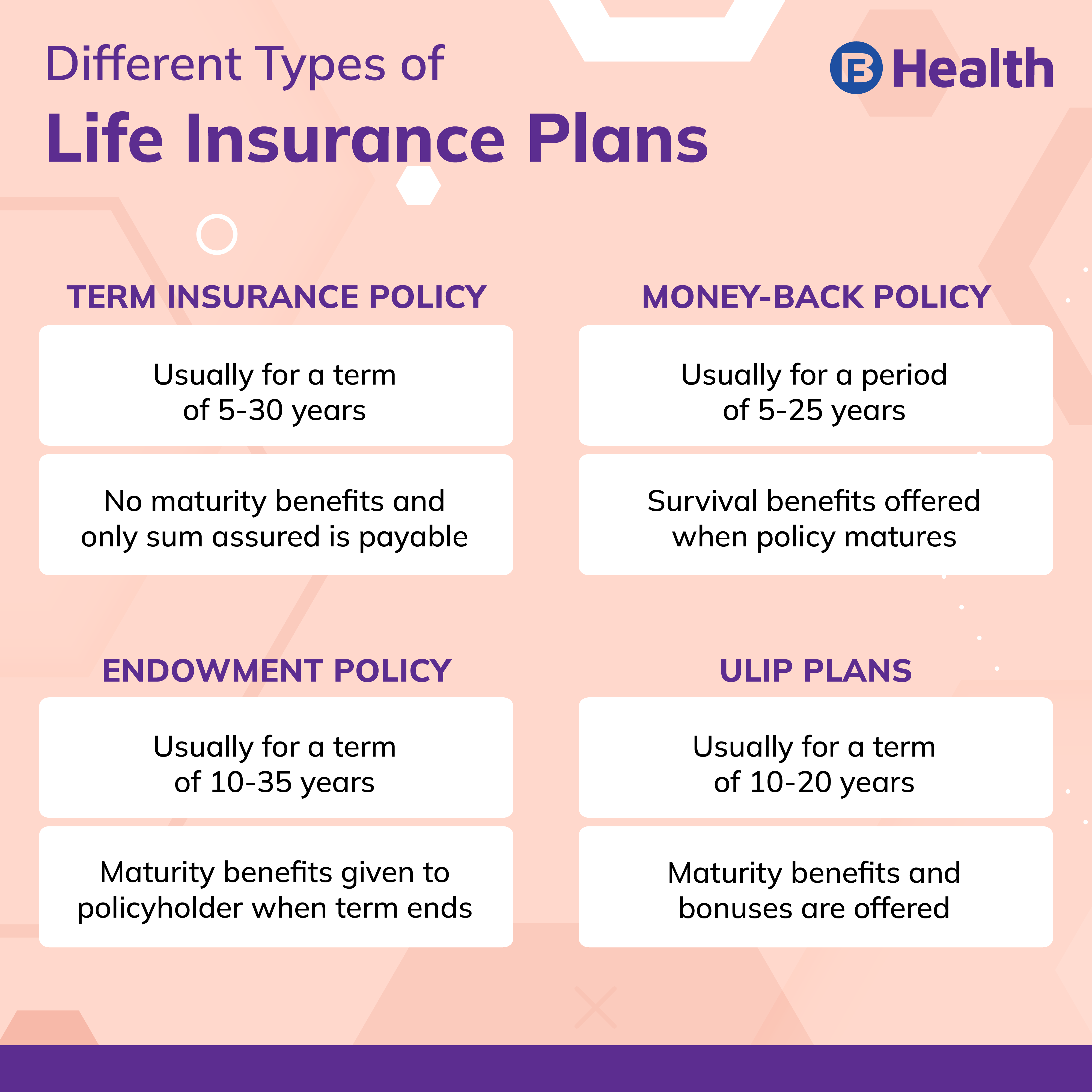
The amount of coverage you choose is inextricably linked to the type of policy you purchase. Not all "£500,000 policies" function the same way over time.
Level Term Insurance
With level term insurance, the payout (the sum assured) remains the same throughout the duration of the policy. If you take out £400,000 for 25 years, the payout is £400,000 whether you die in year one or year twenty-four. This is ideal for those who want to provide a specific legacy or cover an interest-only mortgage.
Decreasing Term Insurance
Commonly known as mortgage protection, the sum assured reduces over time, roughly in line with a standard repayment mortgage. This is generally the most affordable type of life insurance because the insurer's potential liability decreases as you pay off your debt. However, it is important to remember that this policy is designed specifically to clear the mortgage; it may leave very little "extra" for your family’s daily living expenses.
Family Income Benefit
Unlike a lump-sum payout, Family Income Benefit pays out a monthly or annual tax-free income until the end of the policy term. This can be easier for families to manage, as it mimics a regular salary. When deciding on the amount for this policy, you should look at your current net monthly expenditure and add a 10-20% buffer for future price increases.
Life Insurance Coverage Matrix: 2026 Estimates
The table below provides a general guide for coverage amounts based on typical UK life stages.
| Life Stage | Primary Goal | Recommended Coverage Calculation | Estimated Sum (UK Average) |
|---|---|---|---|
| Young Professional | Debt & Funeral | Mortgage + £10,000 for final expenses | £150,000 – £300,000 |
| Young Family | Income & Debt | Mortgage + (15x Salary) + Education | £600,000 – £1,000,000+ |
| Established Family | Stability | Remaining Mortgage + (10x Salary) | £400,000 – £750,000 |
| Empty Nesters | Legacy / IHT | Inheritance Tax Liability + Legacy | £100,000 – £300,000 |
| Retirees | Funeral & Costs | Final expenses + small legacy | £10,000 – £50,000 |
The Impact of Inflation and Cost of Living
In 2026, inflation protection is more critical than ever. A £500,000 payout might seem substantial today, but its purchasing power will diminish over a 20-year term. Many UK insurers offer "index-linked" policies. These policies increase the sum assured annually, usually in line with the Retail Price Index (RPI) or Consumer Price Index (CPI).
While your premiums will also increase slightly each year with an index-linked policy, it ensures that the "real value" of your coverage remains constant. If you opt for a fixed policy, you should review your coverage every three to five years to ensure it hasn't been eroded by rising costs for energy, food, and services.
Taxation and the Importance of "Trusts"
A vital consideration for UK residents is Inheritance Tax (IHT). In 2026, the standard IHT threshold (nil-rate band) remains at £325,000. If your life insurance payout, combined with your other assets (savings, property, investments), exceeds this threshold, the government could claim 40% of the amount above the limit.
To prevent this, you should consider writing your life insurance policy in Trust. By doing this, the payout goes directly to your beneficiaries rather than becoming part of your legal estate. This has two major benefits:
- Tax Efficiency: It usually sits outside of your estate for IHT purposes, potentially saving your family hundreds of thousands of pounds.
- Speed: Payouts from a Trust do not have to wait for probate (the legal process of dealing with a deceased person's estate), which can take months. This ensures your family has access to funds within weeks to cover immediate costs.
Detailed guidance on trusts can be found through official resources like GOV.UK's inheritance tax pages.
Common Mistakes to Avoid
- Relying solely on "Death in Service": Many UK employers offer a benefit that pays out 2x to 4x your salary if you die while employed. While valuable, this is rarely enough for a family with a mortgage. Furthermore, if you leave your job or are made redundant, you lose the coverage instantly, and getting a new private policy when you are older or less healthy will be significantly more expensive.
- Underestimating the "Non-Earner": As discussed, the cost of childcare and domestic labour is high. Always insure both partners in a household.
- Forgetting Inflation: A fixed sum of £250,000 will buy much less in 2040 than it does in 2026.
- Not Disclosing Medical History: In the UK, life insurance claims are rarely denied, but the most common reason for a "non-disclosure" rejection is failing to mention smoking habits or pre-existing conditions. Always be honest during the application.
Frequently Asked Questions
Is life insurance payout taxable in the UK?
No, life insurance payouts are generally not subject to Income Tax or Capital Gains Tax in the UK. However, if the payout is considered part of your estate, it may be subject to a 40% Inheritance Tax. Writing the policy in Trust is the standard way to avoid this.
Should I get a joint policy or two single policies?
A joint "first-death" policy is often cheaper but only pays out once. If one partner dies, the policy ends, leaving the survivor without coverage. Two single policies are often only slightly more expensive but provide two separate payouts and ensure the survivor remains covered after the first death.
How does smoking affect the amount I should have?
Smoking does not necessarily change the amount of coverage you need, but it drastically changes the cost. In 2026, smokers can expect to pay between 50% and 100% more in premiums than non-smokers for the same sum assured. If you quit smoking for at least 12 months, you can often apply for non-smoker rates.
Can I change my coverage amount later?
Yes, most UK insurers allow you to request an increase or decrease in your sum assured. Major life events—such as getting married, having a child, or taking out a larger mortgage—are often "guaranteed increase options" that allow you to boost coverage without a fresh medical assessment.
Does my "Death in Service" benefit count toward my total?
You can subtract your Death in Service amount from your total target coverage, but be cautious. It is usually better to treat employer benefits as a "bonus" cushion rather than a core part of your plan, as these benefits are not portable if you change careers.
Next Steps for Securing Your Coverage
To move forward, start by listing your current mortgage balance and any other significant debts. Use a calculator to estimate 10 to 15 times your salary, and then adjust based on your children's ages and your partner's earning potential. Once you have a target figure, compare quotes from several UK providers or speak with an independent financial advisor who can help you set up a Trust. Reviewing your protection now ensures that your family’s future is secure, regardless of the uncertainties of the years ahead.
Image Gallery