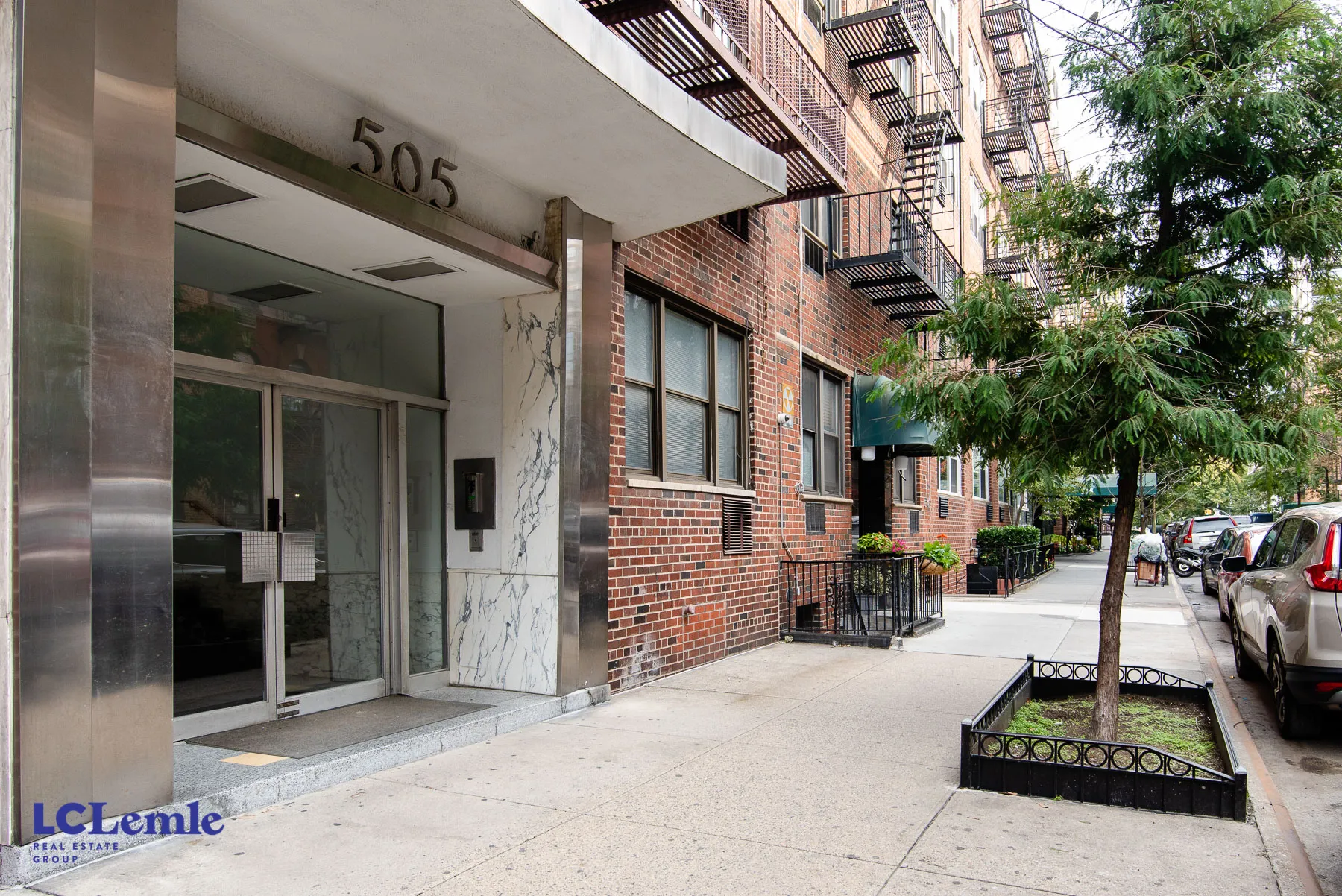
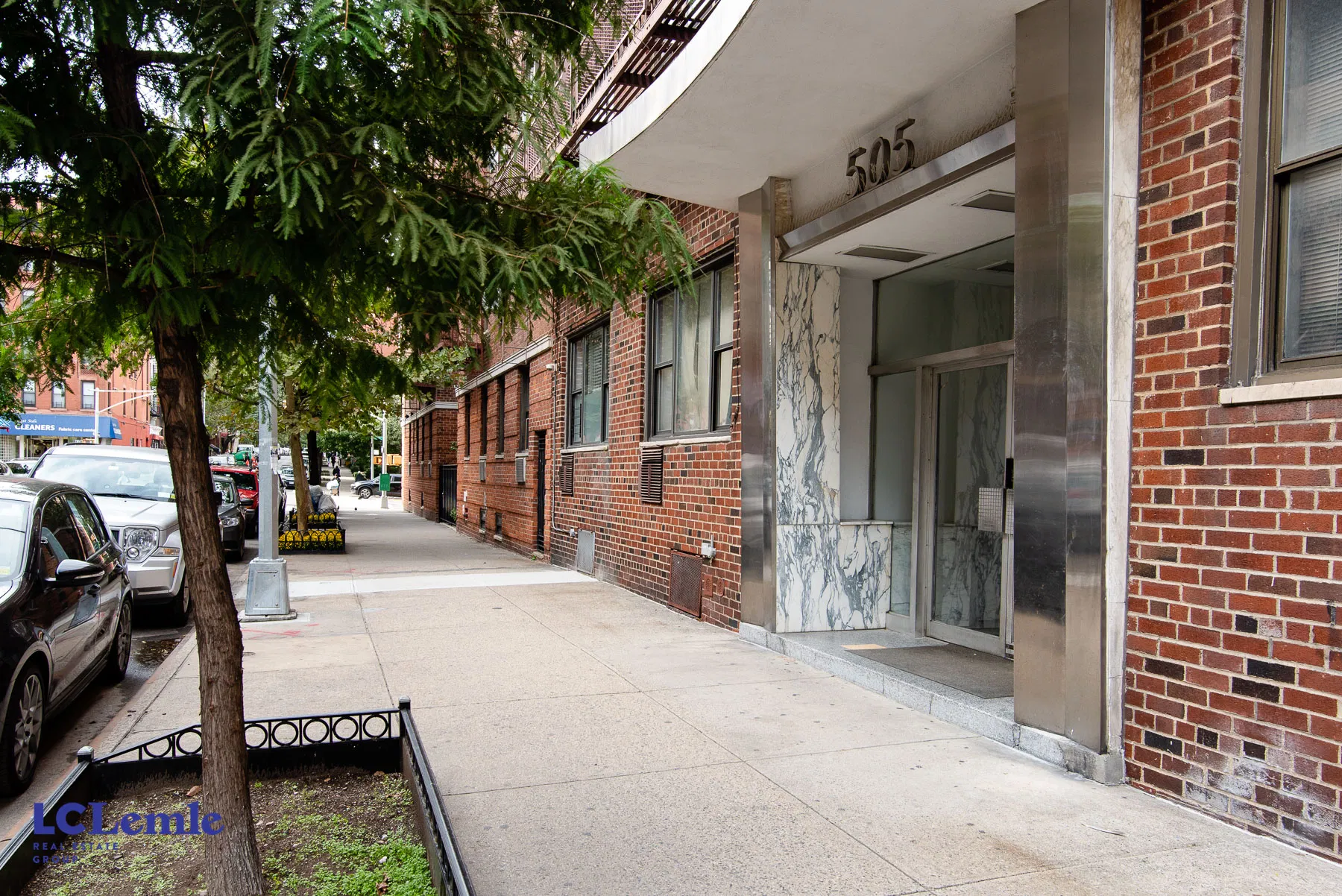
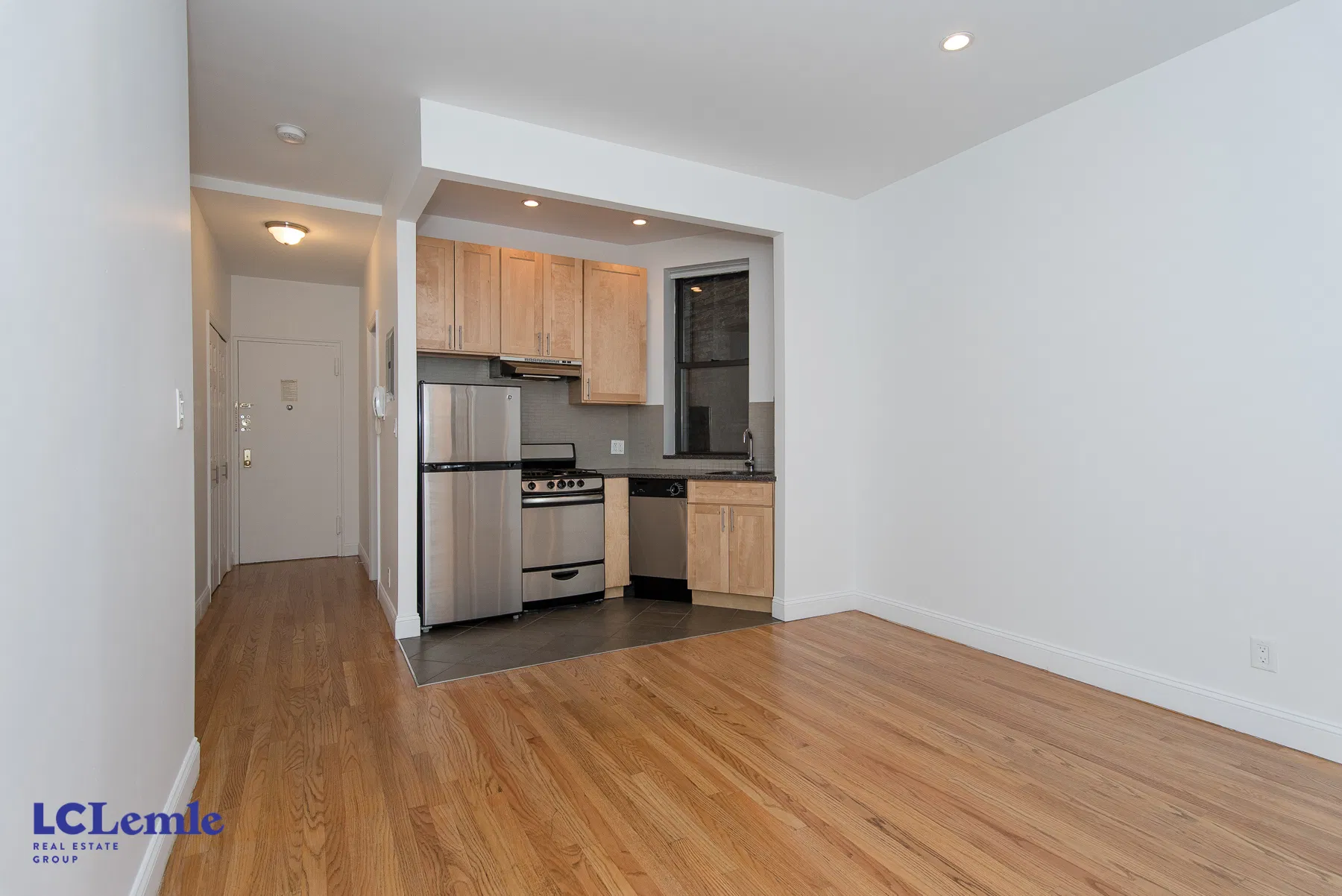
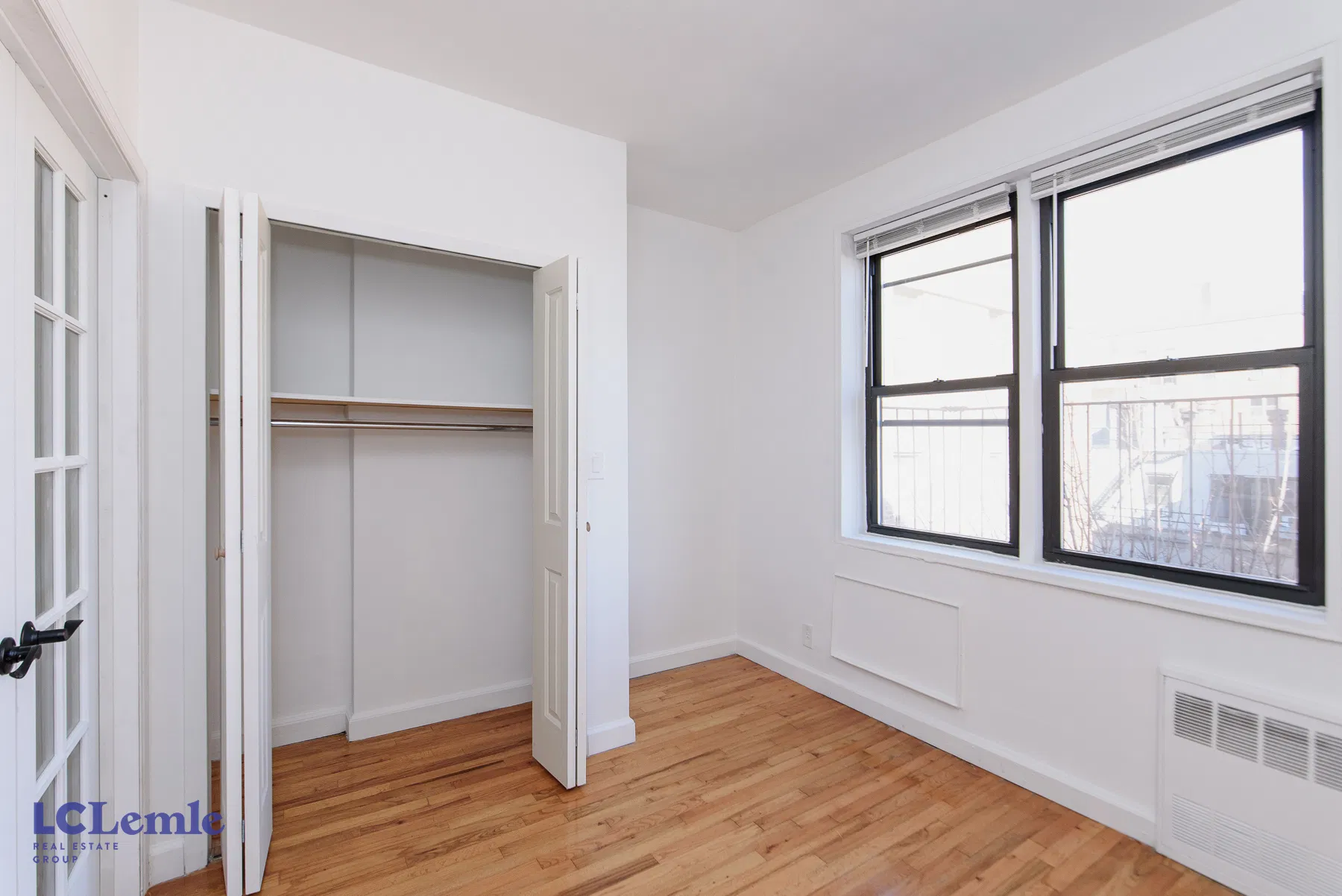
Why 505 East 184th Street is a Smart Investment in 2026
Investing in 505 East 184th Street is a strategic move due to its location in the Bronx’s high-demand Belmont-Fordham corridor. The property benefits from a recession-resistant tenant base driven by Fordham University and St. Barnabas...
Investing in 505 East 184th Street is a strategic move due to its location in the Bronx’s high-demand Belmont-Fordham corridor. The property benefits from a recession-resistant tenant base driven by Fordham University and St. Barnabas Hospital, significant transit infrastructure improvements, and superior cap rates compared to Manhattan and Brooklyn.
Contents
The Strategic Geographic Advantage of Belmont and Fordham
Located in the heart of the Bronx, 505 East 184th Street sits at a critical intersection of culture, education, and commerce. The Belmont neighborhood, often referred to as the "Real Little Italy" of New York City, has maintained a unique identity that attracts both long-term residents and a steady stream of students and young professionals. This cultural stability translates directly into lower vacancy rates and more predictable cash flows for property owners.
By 2026, the neighborhood has seen a significant "halo effect" from the redevelopment of nearby commercial corridors. Unlike areas of Southern Brooklyn or Queens that have reached a pricing plateau, the Belmont-Fordham area continues to offer an entry point that allows for both immediate yield and long-term capital appreciation. The proximity to Arthur Avenue provides a commercial anchor that few other Bronx neighborhoods can match, ensuring that the local economy remains vibrant even during broader market fluctuations.
Furthermore, 505 East 184th Street is positioned within walking distance of the Bronx Park, housing the New York Botanical Garden and the Bronx Zoo. These institutions act as permanent green spaces that prevent over-densification while maintaining the area’s desirability for families and researchers. From an investment perspective, being situated near irreplaceable civic landmarks provides a "floor" for property values that is absent in more industrial or less established sections of the borough.
Institutional Demand: A Recession-Proof Tenant Base
The most compelling argument for the investment viability of 505 East 184th Street is its proximity to major "anchor institutions." In real estate, anchor institutions are large, non-profit organizations—typically universities or hospitals—that are unlikely to relocate and provide a constant source of employment and housing demand.
Fordham University Proximity
Fordham University’s Rose Hill campus is located just blocks away. As of 2026, the university continues to draw thousands of students from across the globe. While the university provides some on-campus housing, a significant portion of the upperclassmen and graduate student population prefers off-campus living. 505 East 184th Street is perfectly positioned to capture this "student-housing" premium. Student rentals in this corridor often command higher per-square-foot rents than traditional family leases, and the parental guarantee common in these leases significantly reduces the risk of default.
The Healthcare Corridor
Beyond the student population, the property is supported by the medical workforce of SBH Health System (St. Barnabas Hospital). Healthcare professionals, including residents, nurses, and technicians, require housing that is both affordable and within walking distance or a short commute to the hospital. These tenants are highly desirable for landlords; they typically possess stable incomes, high credit scores, and maintain a quiet lifestyle due to demanding work schedules. The demand from the healthcare sector creates a diversified tenant mix, ensuring the building is not overly reliant on any single demographic.
Transit Connectivity and the "Penn Station Access" Impact
The value of New York City real estate is inextricably linked to transit. 505 East 184th Street excels in this regard, offering multiple layers of connectivity that have been enhanced by recent Metropolitan Transportation Authority (MTA) initiatives.
The property is situated near the Fordham Metro-North Station, which serves the Harlem and New Haven lines. As of 2026, the ongoing "Penn Station Access" project—which introduces new Metro-North stations in the East Bronx and provides direct access to Manhattan’s West Side—has increased the overall utility of the Bronx rail network. For residents of 184th Street, this means a commute to Grand Central Terminal in approximately 20 minutes, making the neighborhood a viable alternative for midtown office workers who have been priced out of Manhattan and Long Island City.
Additionally, the area is served by the B and D subway lines at the Fordham Road station and the 4 train at Jerome Avenue. This triple-threat of transit options (commuter rail, express subway, and local subway) provides a level of redundancy that is rare outside of major transit hubs. In an era where "transit-oriented development" (TOD) is the primary driver of urban land value, 505 East 184th Street stands as a prime example of an asset that will continue to appreciate as Manhattan remains prohibitively expensive.
Comparative Market Analysis: Yields and Capitalization Rates
In the 2026 market, investors are increasingly looking away from "trophy" assets in Manhattan, where cap rates often hover between 3% and 4%, and toward the Bronx, where 5% to 6.5% cap rates are still achievable for well-maintained multi-family assets.
| Metric | Belmont/Fordham (505 E 184th) | Upper West Side (Manhattan) | Astoria (Queens) |
|---|---|---|---|
| Average Cap Rate | 5.8% - 6.4% | 3.2% - 3.8% | 4.1% - 4.7% |
| Price Per Square Foot | $280 - $350 | $1,200 - $1,500 | $700 - $900 |
| Rent Growth (YoY) | 4.2% | 1.8% | 2.5% |
| Vacancy Rate | 2.1% | 3.5% | 2.8% |
| Primary Driver | Institutional/University | Luxury/Professional | Commuter/Tech |
As the table illustrates, the Bronx—and specifically the 184th Street corridor—offers a significantly higher yield on cost. For an investor, this means higher monthly cash flow and a faster path to recouping the initial equity investment. The lower price per square foot also allows for a "value-add" strategy. By performing moderate interior renovations and upgrading energy systems, owners can realize substantial forced appreciation that would be impossible in more mature markets.
Regulatory Landscape and Sustainability Compliance
Investing in New York City in 2026 requires a deep understanding of local regulations, particularly regarding rent stabilization and energy efficiency. 505 East 184th Street, like many multi-family assets in the area, may fall under various rent regulations. However, the current legislative environment has stabilized, providing more predictability for investors than in previous years.
Local Law 97 Compliance
A critical factor for any 2026 investment is Local Law 97, which mandates strict carbon emission limits for buildings. 505 East 184th Street is a smart investment because its size and structure often allow for more cost-effective retrofitting compared to massive high-rise complexes. Smart investors are looking for buildings where the "heavy lifting" of boiler replacements or window upgrades has either been completed or is reflected in a favorable purchase price. Adhering to these standards not only avoids heavy fines but also reduces operating expenses through lower utility consumption, directly boosting the Net Operating Income (NOI).
Tax Incentives
The Bronx continues to benefit from various city-sponsored tax incentive programs aimed at preserving affordable housing and encouraging the renovation of aging building stock. Depending on the specific investment vehicle, 505 East 184th Street may be eligible for J-51 tax abatements or other programs that freeze or reduce property tax assessments for a period of time following major capital improvements. These incentives act as a powerful tailwind for total return on investment.
Managing the Risks of Bronx Multi-Family Assets
While the upside is significant, a sophisticated investor must acknowledge and mitigate the risks associated with 505 East 184th Street. The Bronx market requires more "hands-on" management than a turnkey condo in a luxury neighborhood.
- Maintenance Costs: Older building stock requires diligent upkeep. Investors should prioritize a thorough structural and mechanical inspection, focusing on the roof, pointing, and plumbing stacks.
- Tenant Relations: Successful investment in this corridor relies on strong property management. Ensuring that repairs are handled promptly is the best way to maintain high occupancy and minimize turnover costs.
- Neighborhood Transition: While the Belmont area is stable, investors must stay informed about local zoning changes. The NYC Department of City Planning frequently updates area studies that can impact future density and competition.
To mitigate these risks, it is recommended to employ a local property management firm that understands the specific nuances of the Bronx housing court system and the unique needs of the local tenant base.
FAQ: Investing in the 505 East 184th Street Corridor
Is 505 East 184th Street located in an Opportunity Zone?Many parts of the Bronx were designated as Opportunity Zones under the Tax Cuts and Jobs Act. While the primary window for new fund investments has evolved by 2026, the underlying economic benefits of these designations—such as long-term capital gains tax deferral for early investors—have already spurred significant local development that continues to benefit current property owners through increased neighborhood density and improved services.
What is the typical tenant turnover for this specific area?The area experiences a "dual-track" turnover rate. The student population typically rotates on a 12-to-24-month cycle, coinciding with the academic calendar. Conversely, the non-student population, including hospital workers and local families, tends to have much longer tenures, often exceeding five to ten years. This balance provides a healthy mix of rent-increase opportunities upon vacancy and long-term stability.
How does Local Law 97 affect the valuation of buildings like 505 East 184th Street?As of 2026, Local Law 97 compliance is a major valuation factor. Buildings that have already transitioned to electric heat pumps or high-efficiency gas systems trade at a premium. Conversely, buildings that have not addressed these requirements are often priced at a discount, offering an opportunity for "green" value-add investors to acquire the asset, perform the upgrades, and realize a significant increase in the building’s capitalization value.
What is the proximity to public parks and recreation?The property is exceptionally close to the Bronx Park, which is one of the largest park systems in the city. This provides residents with access to over 700 acres of green space, including the New York Botanical Garden and the Bronx Zoo. Proximity to such massive public amenities is a major driver for tenant retention and long-term land value.
Are there new developments nearby that might compete for tenants?While there is new construction in the South Bronx (Mott Haven), the Belmont/Fordham area is largely built-out. Most "new" competition comes from the renovation of existing pre-war stock. This limited supply of new land for development protects existing owners from a sudden oversupply of housing units, which helps maintain upward pressure on rents.
Strategic Recommendation for Investors
For those seeking a balance of yield and growth, 505 East 184th Street represents a high-conviction "Buy" in 2026. The combination of institutional stability from Fordham University and St. Barnabas Hospital, coupled with the superior transit links provided by the Metro-North and subway lines, creates a defensive investment profile.
Investors should focus on a mid-to-long-term holding period (7–10 years) to fully capture the benefits of the Bronx’s continued northward appreciation. Prioritizing energy-efficiency upgrades early in the ownership cycle will safeguard the asset against regulatory fines and position it as a "premier" building in a neighborhood that is increasingly attracting high-quality tenants.
Image Gallery