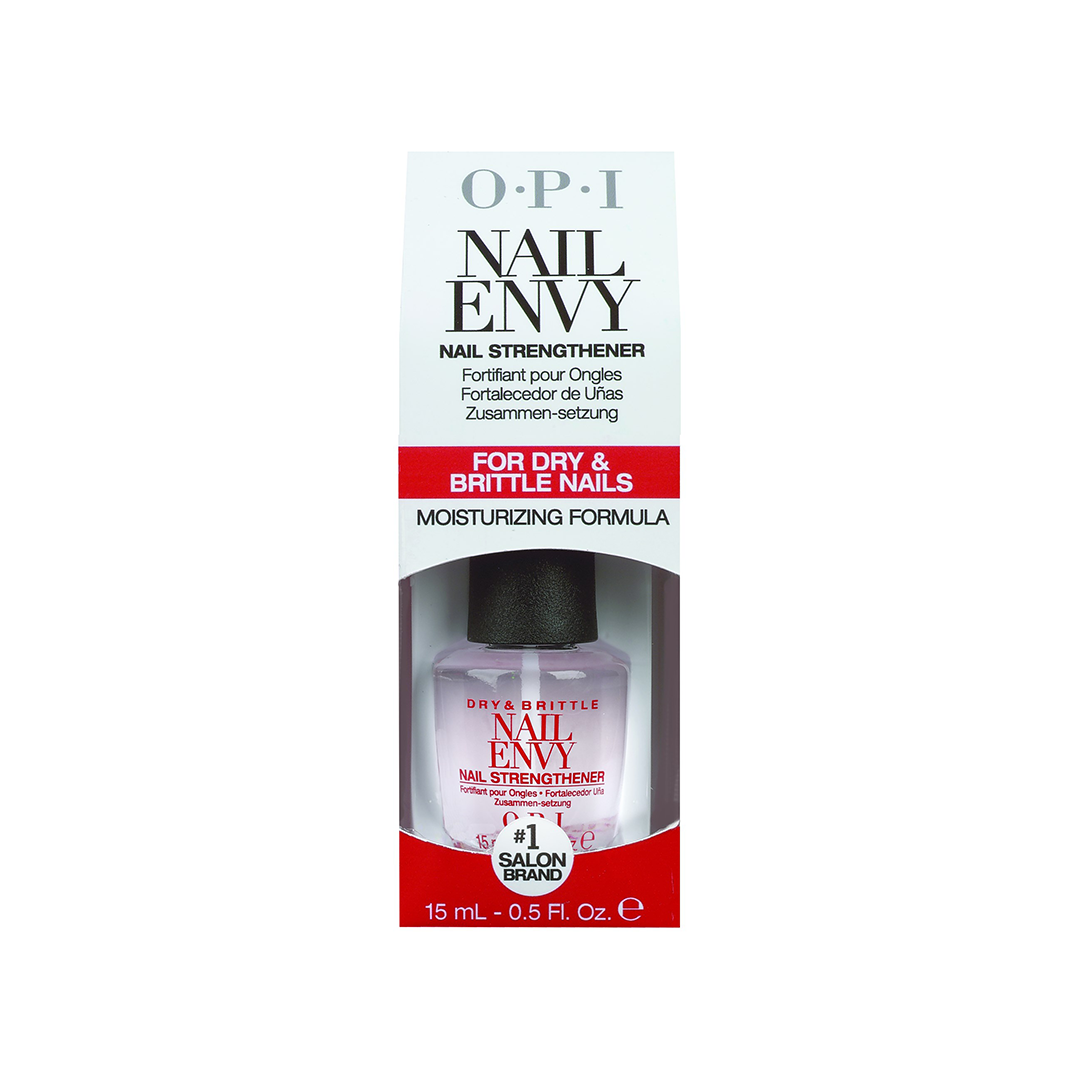
Best Nail Strengthener for Brittle Nails: A Science-Based Guide to Recovery
To effectively treat brittle nails, you must use a nail strengthener that balances structural reinforcement with flexibility. In 2026, the most effective treatments utilize cross-linking agents like dimethyl urea or keratin-analog pept...
To effectively treat brittle nails, you must use a nail strengthener that balances structural reinforcement with flexibility. In 2026, the most effective treatments utilize cross-linking agents like dimethyl urea or keratin-analog peptides to bond the nail’s protein layers together while incorporating hydrating oils to prevent the "snap" caused by over-hardening.
Contents
Understanding the Anatomy of Brittle Nails (Onychoschizia)
Brittle nails, medically known as onychoschizia, are characterized by horizontal splitting within the nail plate, peeling at the tips, and a general lack of vertical tensile strength. To choose the right strengthener, one must first understand that the nail plate is not a single solid block of keratin. Instead, it is composed of approximately 25 to 30 layers of dead, flattened cells (corneocytes) held together by intercellular lipids and desmosomes.
When these layers lose their adhesion—often due to environmental stressors, chemical exposure, or aging—they begin to delaminate. This is why many "hardeners" fail; they make the nail so rigid that it cannot absorb impact, leading to shattering rather than bending. A true nail strengthener for 2026 standards must address both the chemical bonds between keratin fibers and the moisture content that keeps those fibers pliable.
The causes of brittleness are varied, but they typically fall into two categories:
- Exogenous Factors: Frequent hand washing, exposure to harsh cleaning detergents, and the repetitive application/removal of gel or acrylic enhancements. These strip the natural oils (sebum) from the nail plate.
- Endogenous Factors: Nutritional deficiencies (such as iron or biotin), thyroid dysfunction, and the natural slowing of cell turnover as we age.
How Nail Strengtheners Work: The Chemistry of Repair
Modern nail strengtheners are sophisticated chemical formulations designed to interact with the nail's protein structure. They generally function through three primary mechanisms: cross-linking, conditioning, and physical reinforcement.
Cross-Linking Agents
Cross-linkers are the "glue" of the nail care world. They penetrate the upper layers of the nail plate and create new chemical bonds between the keratin chains. Historically, formaldehyde was the primary agent used for this. However, due to its potential for irritation and its tendency to make nails too hard (causing them to snap), the industry has shifted toward safer alternatives.
Dimethyl Urea (DMU) is the gold standard in 2026. It is a slow-acting cross-linker that strengthens the nail without the high risk of sensitization associated with traditional formaldehyde. It reinforces the protein structure while allowing the nail to retain enough natural moisture to remain flexible.
Conditioning and Emollients
A strengthener that only hardens will eventually cause more damage. This is why premium formulations include emollients like jojoba oil, vitamin E (tocopherol), and panthenol (Pro-vitamin B5). Jojoba oil is particularly effective because its molecular structure is similar to human sebum, allowing it to penetrate the nail plate more deeply than larger-molecule oils like coconut or mineral oil. These ingredients fill the microscopic gaps between the keratin layers, preventing water from entering and causing the nail to swell and shrink (the primary cause of peeling).
Physical Reinforcement
Some strengtheners act as a "cast" for the nail. These often contain nylon fibers, silk, or calcium. While calcium is often touted as a "strengthening" ingredient, it is largely a marketing term when applied topically, as the nail does not absorb calcium in a way that alters its biological growth. However, as a mineral additive, it can add temporary thickness and a protective barrier against external trauma.
Key Ingredients to Look for in 2026
When evaluating a nail strengthener for brittle nails, look beyond the brand name and focus on the ingredient list. The most effective products in the current market prioritize long-term nail health over immediate, temporary hardness.
- Hexanal: A powerful aldehyde that is clinically proven to improve nail condition and significantly reduce brittleness after four weeks of regular use.
- Keratin Peptides: These are bio-identical proteins that mimic the nail's natural composition. They "fill in" the damaged areas of the nail plate, providing a smoother surface and reducing the likelihood of snags.
- Alpha-Hydroxy Acids (AHAs): Ingredients like glycolic or lactic acid are increasingly used in nail treatments to "resurface" the nail. They help remove old, brittle cells and allow moisture to penetrate more effectively.
- Biotin: While most effective when taken orally, topical biotin is often included in 2026 formulations to support the integrity of the nail's surface.
- Silica (Horsetail Extract): Silica is essential for the formation of healthy connective tissue and provides the structural "backbone" that prevents the nail from bending too easily.
Comparison of Nail Strengthener Types
Choosing the wrong type of strengthener can exacerbate brittleness. Use the following table to determine which category fits your specific nail concerns.
| Strengthener Category | Primary Ingredients | Best For | Potential Drawbacks |
|---|---|---|---|
| Hardening Treatments | Dimethyl Urea, Hexanal, Formaldehyde Resins | Very soft, thin nails that bend easily. | Can cause extreme brittleness if overused. |
| Hydrating Strengtheners | Jojoba Oil, Vitamin E, Panthenol, AHAs | Dry, peeling nails that "flake" at the tips. | Does not provide immediate "armor-like" protection. |
| Fiber-Reinforced Coats | Nylon, Silk Fibers, Calcium | Nails with deep ridges or mechanical damage. | Can feel thick or "goopy"; may peel if not capped at the tip. |
| Breathable Formulas | Oxygen-permeable polymers | Post-gel/acrylic recovery. | Requires frequent reapplication; lower durability. |
The Application Protocol for Maximum Efficacy
The success of a nail strengthener is 20% chemistry and 80% application technique. For brittle nails, a "once and done" approach will not work. You must follow a disciplined cycle to allow the ingredients to bond correctly.
- Preparation: Start with clean, dry nails. Remove all traces of old polish using a non-acetone remover. Acetone is a powerful solvent that dehydrates the nail plate, instantly reversing the benefits of any strengthener.
- The Layering Technique: Apply one thin coat of the strengthener, making sure to "cap" the free edge (the very tip of the nail). This prevents water from seeping into the layers from the front.
- The Weekly Cycle: Most dermatologists and nail technicians recommend the "7-day build-up." Apply a fresh coat every day for six days. On the seventh day, remove everything and start over. This layering creates a protective lattice that increases in strength throughout the week.
- Cuticle Care: Never apply a strengthener in isolation. Use a high-quality cuticle oil twice daily. The strengthener protects the existing nail, while the cuticle oil ensures that the new nail growing from the matrix is healthy and hydrated.
Common Mistakes When Treating Brittle Nails
Many individuals find that their nails remain brittle despite using expensive treatments. This is often due to specific procedural errors:
- Using Hardeners Too Long: Once your nails have regained their strength, you must switch to a maintenance or hydrating formula. If you continue using a "hardener" indefinitely, the keratin becomes over-linked, and the nail will eventually snap like glass.
- Buffing the Nail Surface: While it is tempting to buff away the peeling layers to make them look smooth, this thins the nail plate. A thinner nail is a weaker nail. Instead, use a strengthener to "glue" those layers back down.
- Ignoring the Matrix: The "matrix" is the area under the cuticle where the nail is born. If this area is dry or compressed by tight cuticles, the nail will emerge brittle. Focus on massaging oil into the base of the nail to stimulate blood flow.
- Filing Improperly: Use a glass or crystal file rather than a metal or emery board. Glass files seal the keratin layers as you file, whereas coarser boards can cause microscopic tears that lead to further splitting.
Holistic Support: Diet and Lifestyle
Topical treatments are only half of the solution. Because nails take approximately 3 to 6 months to grow from the base to the tip, your current "brittleness" is a reflection of your health and environment from several months ago.
In 2026, clinical consensus remains that biotin (Vitamin B7) supplements can increase nail thickness by up to 25% in individuals with deficiency. Additionally, ensuring adequate intake of iron, zinc, and protein is vital. If your nails have vertical ridges along with brittleness, it may indicate a systemic hydration issue or a nutrient absorption problem.
Protecting your nails from water is also crucial. The nail plate can absorb up to 20-25% of its weight in water. Each time the nail swells with water and then dries, the internal bonds are stressed. Wearing gloves while washing dishes or cleaning is perhaps the most effective "non-product" way to strengthen brittle nails.
Frequently Asked Questions
How long does it take for a nail strengthener to work?
Visible improvement in the surface texture can often be seen within 2 to 4 weeks. However, because you are waiting for new, stronger nail growth to replace the damaged sections, a full transformation typically takes 3 to 6 months, depending on your individual growth rate.
Can I use a nail strengthener as a base coat?
Yes, most modern strengtheners are designed to double as a base coat. However, ensure the product does not contain high levels of oils or silicones that might prevent colored polish from adhering. If the strengthener is specifically a "treatment oil," it cannot be used under polish.
Is formaldehyde still safe to use in nail products?
While the FDA and EU regulators allow limited concentrations of formaldehyde (usually under 5%) as a nail hardener, it is a known sensitizer. In 2026, it is generally recommended to opt for "Big 10-Free" or "Big 15-Free" formulas that use Dimethyl Urea or Hexanal instead.
Why are my nails still peeling after using a strengthener?
If peeling persists, you may be using a "hardener" when your nails actually need "moisture." When nails are too dry, they lose their elasticity and the layers flake off. Try switching to a jojoba-based nail conditioner for two weeks and see if the peeling subsides.
Do I need to take a "break" from nail polish?
"Breathing" is a misnomer because nails do not have lungs; however, a break from the removal process is beneficial. The chemicals used to strip polish (especially gel) are more damaging than the polish itself. A "treatment week" once a month, where you only apply strengthener and oil, can significantly improve nail health.
Recommendation for Next Actions
To begin your recovery, identify whether your nails are dry-brittle (snapping and vertical ridges) or soft-brittle (peeling and bending). For dry-brittle nails, prioritize a strengthener with high jojoba and panthenol content. For soft-brittle nails, select a treatment containing Dimethyl Urea or Hexanal. Commit to a 90-day protocol of daily strengthener application and twice-daily cuticle oil. If no improvement is seen after three months, consult a dermatologist to rule out underlying conditions like anemia or psoriasis.
Image Gallery