Understanding the Average Cost of Life Insurance in Illinois and What It Means for You
The average cost of life insurance in Illinois is determined by a complex interplay of personal health factors, age, lifestyle, and the specific coverage amounts requested by the policyholder. While regional averages provide a helpful...
The average cost of life insurance in Illinois is determined by a complex interplay of personal health factors, age, lifestyle, and the specific coverage amounts requested by the policyholder. While regional averages provide a helpful baseline for budgeting, your actual premiums are personalized based on proprietary underwriting guidelines that assess your individual risk profile compared to state mortality data.
Contents
Navigating the Illinois Insurance Landscape
For residents of Illinois, the life insurance market is regulated by the Illinois Department of Insurance, which oversees carrier solvency and consumer protection. When you encounter "average" cost figures, it is essential to recognize that these numbers are aggregate data points. They reflect the mean costs across thousands of applicants with varying medical histories, occupations, and coverage types.
In 2026, the financial impact of life insurance on your household budget depends heavily on the "why" behind your coverage. Whether you are seeking term life insurance to protect a mortgage, whole life insurance for estate planning, or universal life for flexible cash value accumulation, the cost-to-benefit ratio changes significantly. Understanding these costs is not merely about finding the lowest premium; it is about ensuring that the policy structure aligns with your long-term financial liabilities.
The Determinants of Your Personalized Premium
Insurers operating in Illinois utilize actuarial tables that estimate life expectancy based on a variety of data points. When an insurance carrier quotes you a price, they are essentially pricing the probability of a claim during the term of the policy.
- Age and Gender: Generally, the younger you are when you apply, the lower your premiums will be. Life expectancy data indicates that women, on average, have longer life expectancies than men, which often results in lower premium costs for female applicants.
- Health and Medical History: This is often the most significant driver of cost. Insurers look at Body Mass Index (BMI), blood pressure, cholesterol levels, and past medical procedures. Even family history of chronic illness can influence your "tier" or "rate class."
- Tobacco and Nicotine Use: In Illinois, as in most states, tobacco users face significantly higher premiums—sometimes two to three times the cost of a non-tobacco user—due to the statistically higher correlation between smoking and serious health complications.
- Lifestyle and Hazardous Occupations: Hobbies such as skydiving or scuba diving, as well as high-risk professions, can lead to "substandard" ratings, increasing the cost of your insurance compared to the state average.
Term vs. Permanent Insurance: Cost Implications
The structure of the policy you choose dictates your long-term financial commitment. Most Illinois residents evaluate two primary categories:
- Term Life Insurance: This provides coverage for a specific period (e.g., 10, 20, or 30 years). It is often the most cost-effective solution for those looking to cover "income replacement" or debt repayment. If you outlive the term, the coverage expires.
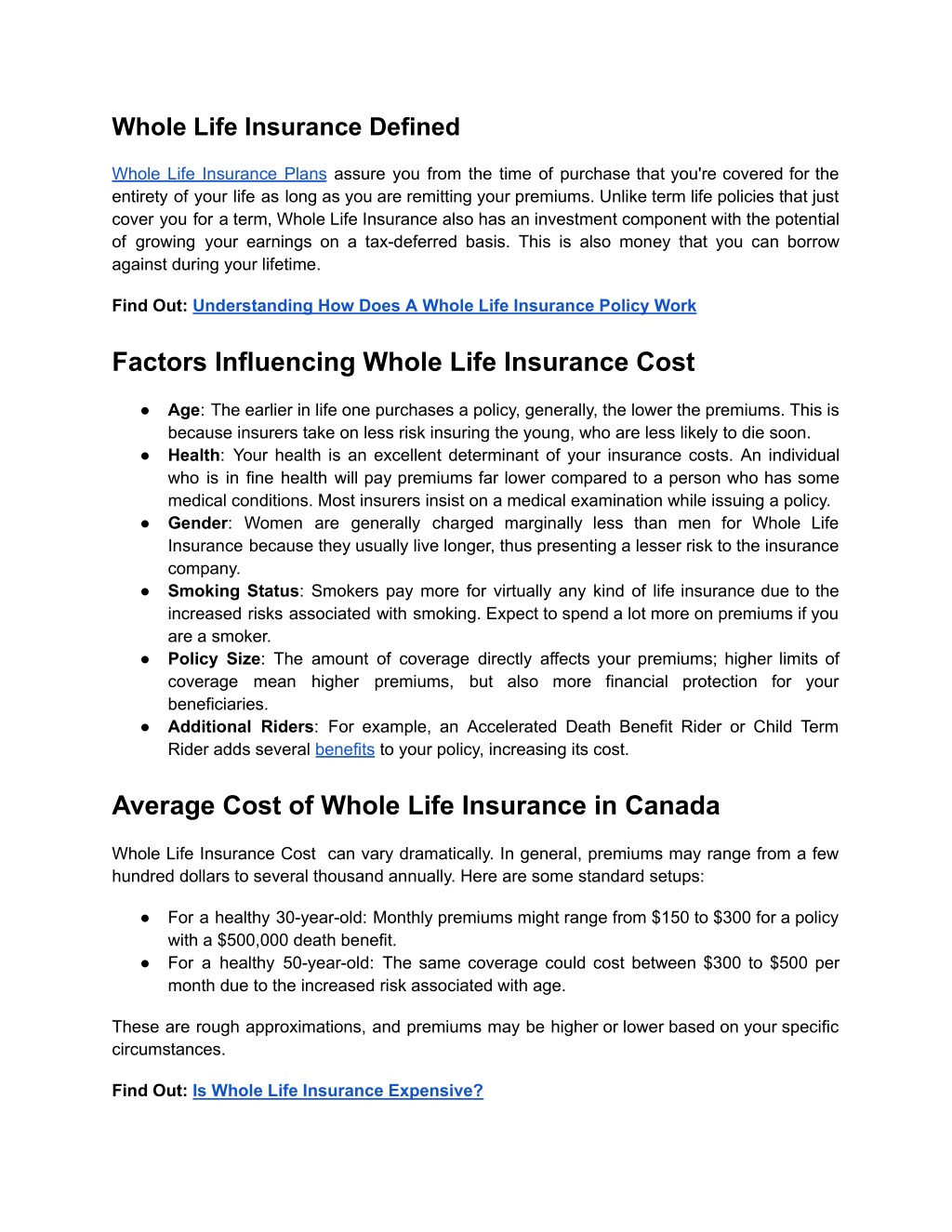
- Permanent Life Insurance (Whole or Universal): These policies provide lifelong coverage and typically include a cash value component. Because they cover you for your entire life and provide an investment-like feature, the premiums are significantly higher than term life insurance.
Comparing Coverage Options in Illinois
| Policy Type | Typical Goal | Cost Predictability | Cash Value |
|---|---|---|---|
| Term Life | Income replacement, debt coverage | High (Fixed premiums) | None |
| Whole Life | Estate planning, legacy building | Very High | Yes |
| Universal Life | Flexible protection & savings | Moderate (Variable) | Yes |
What These Costs Mean for Your Financial Plan
Knowing the average cost is a starting point for assessing your affordability. A common financial benchmark is to ensure your life insurance coverage is roughly 7 to 10 times your annual income. However, the cost of this level of coverage must fit within your broader household budget.
If the average premium in Illinois seems steep, consider your "coverage gap." By calculating your specific needs—such as the remaining balance on your mortgage, the cost of children's education, and outstanding personal debts—you may find that a shorter term policy or a lower death benefit provides the necessary protection without overburdening your monthly cash flow.
Avoiding Common Mistakes When Purchasing
One of the most frequent errors applicants make is focusing exclusively on the "lowest premium." While keeping costs low is important, it should not come at the expense of policy quality.
- Under-insuring: Selecting a policy that is too small to cover your family's actual needs defeats the purpose of the purchase.
- Ignoring Riders: Riders are optional add-ons, such as an "accelerated death benefit" for terminal illness. While they may slightly increase your premium, they can provide critical financial relief that basic, "cheap" policies lack.
- Failing to Disclose: Honesty during the underwriting process is mandatory. If an insurer discovers a pre-existing condition that was omitted during the application, they may deny a claim or cancel the policy entirely.
Requirements for Verification and Application
Before applying, you should prepare your financial and medical documentation. In Illinois, you will generally be asked for:
- Government-issued identification.
- Medical records from the past five years.
- Details regarding your current income and existing debt obligations.
- Beneficiary information (legal name and contact details).
If you are applying for a high face-value policy, you may be required to undergo a paramedical exam. This is a standard procedure where a nurse collects blood and urine samples to verify your health claims.
Frequently Asked Questions
Does living in Illinois change my life insurance rates compared to other states? Yes, but indirectly. While insurers set prices based on actuarial data, they also account for state-specific insurance taxes and regulatory costs. Illinois is generally considered a competitive market, which often keeps premiums stable relative to the national average.
Can I lower my premiums after I have already purchased a policy? Generally, if you have a term life policy with fixed premiums, you cannot lower your costs once the policy is issued. However, if you improve your health (e.g., quitting smoking or achieving significant weight loss), some carriers may allow you to apply for a "reconsideration of rates."
Is life insurance through my employer enough? Employer-sponsored group life insurance is a valuable benefit, but it is often insufficient. It is typically limited to one or two times your salary, and most importantly, it is usually tied to your employment. If you change jobs, you generally cannot take that coverage with you.
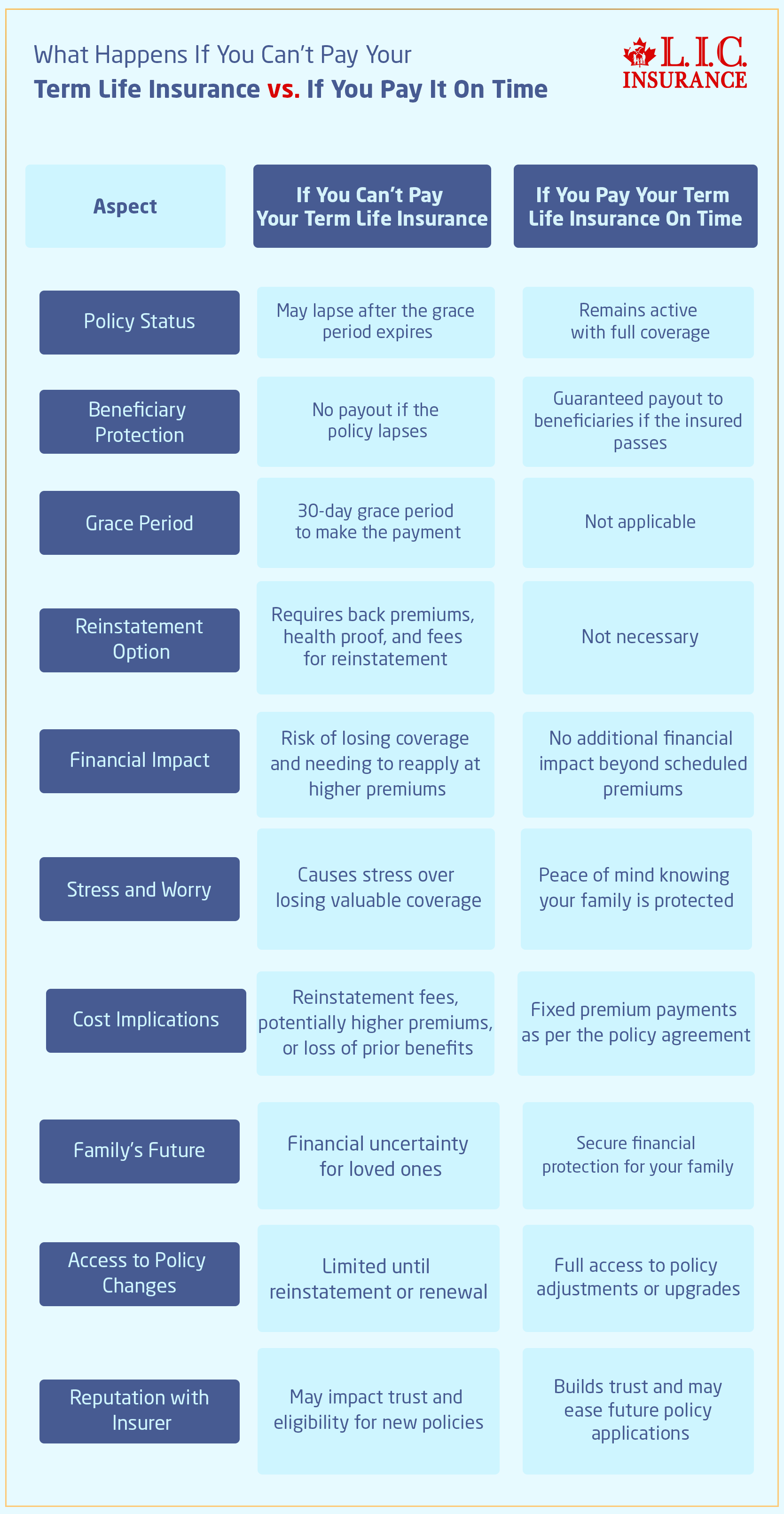
What happens if I cannot afford my premiums? If you have a permanent life policy, you may be able to use the cash value to pay the premiums. For term life insurance, you should contact your agent to discuss "partial surrenders" or decreasing your death benefit to a level that is more manageable for your current financial situation.
When should I review my life insurance policy? You should review your policy every three to five years or after a "major life event." These events include marriage, divorce, the birth of a child, the purchase of a home, or a significant change in your career income.
Recommended Next Action
To understand what these costs mean for you specifically, take the following steps:
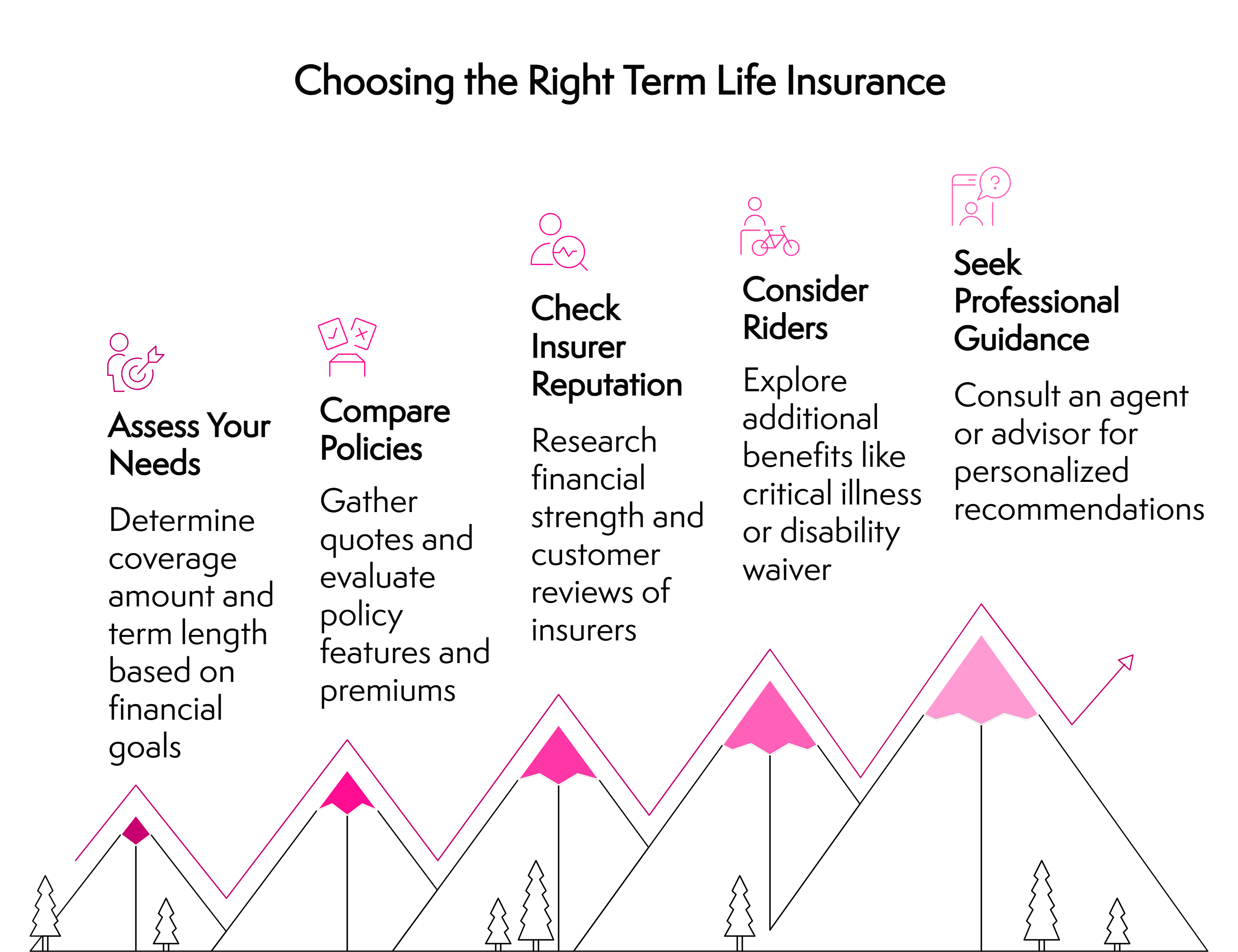
- Conduct a Needs Analysis: Add up your major financial liabilities (mortgage, loans) and add an estimate for future expenses (college tuition, funeral costs).
- Request Multiple Quotes: Use the 2026 average as a benchmark, but obtain at least three quotes from reputable carriers to compare not just price, but the specific terms and riders offered.
- Consult a Licensed Professional: Speak with a licensed insurance advisor in Illinois who can help you navigate the nuances of policy types and identify the best coverage-to-cost ratio for your specific household needs.
Disclaimer: This information is for educational purposes only and does not constitute financial, legal, or tax advice. Insurance products are subject to underwriting approval, and you should consult with a licensed professional regarding your specific financial situation.
Image Gallery