Finding and Securing Good California Auto Insurance Rates in 2026
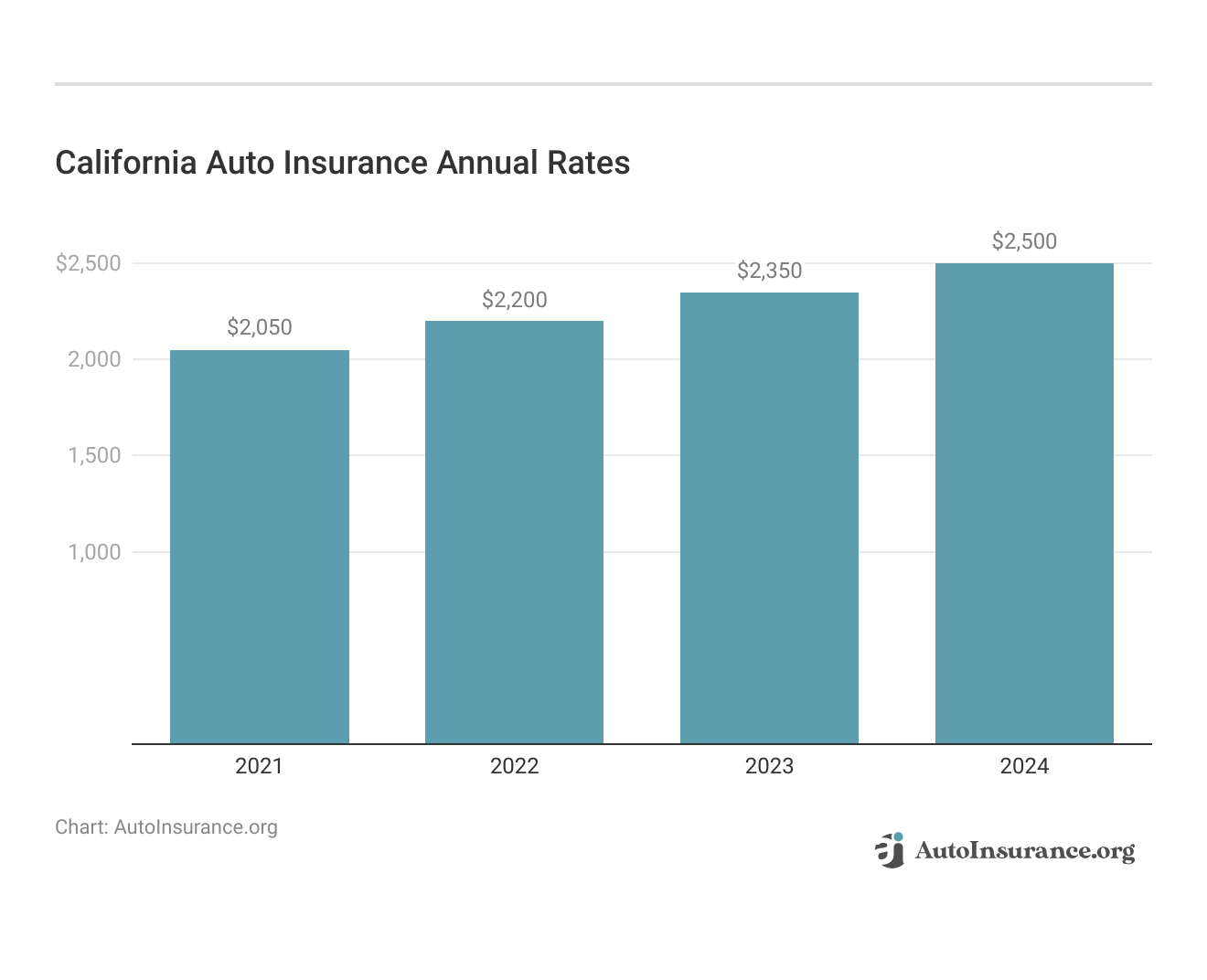
To secure good California auto insurance rates in 2026, drivers should target an average annual premium of approximately $2,400 for full coverage or $750 for minimum liability. Success depends on maintaining a clean driving record to q...
To secure good California auto insurance rates in 2026, drivers should target an average annual premium of approximately $2,400 for full coverage or $750 for minimum liability. Success depends on maintaining a clean driving record to qualify for the state-mandated 20% "Good Driver" discount and accurately reporting annual mileage, as California law prioritizes driving history over socio-economic factors.
Contents
The California insurance market remains one of the most unique and regulated in the United States. While national trends often dictate rate hikes based on credit scores or education levels, California’s Proposition 103 ensures that rates are primarily determined by factors within a driver’s control. Understanding these regulatory nuances is the first step toward finding a competitive rate in 2026.
The Foundation of California Auto Insurance Rates
California's auto insurance pricing is governed by a strict hierarchy of "rating factors" established by the California Department of Insurance (CDI). Unlike most other states, California prohibits insurance companies from using credit-based insurance scores to determine premiums. This consumer protection ensures that financial hardship does not lead to higher insurance costs, provided the driver remains safe on the road.
The three mandatory primary rating factors, in order of importance, are:
- Safety Record: Your history of accidents and moving violations over the last three to five years.
- Annual Mileage: The estimated number of miles you drive the insured vehicle in a year.
- Years of Driving Experience: How long you have held a valid driver’s license.
Beyond these, secondary factors such as your location (ZIP code), the type of vehicle you drive, and your multi-policy status can influence the final quote. However, by law, these secondary factors cannot carry more weight than the primary factors. This structure makes "good rates" highly accessible to experienced drivers with low annual mileage.
Minimum Coverage vs. Full Coverage in 2026
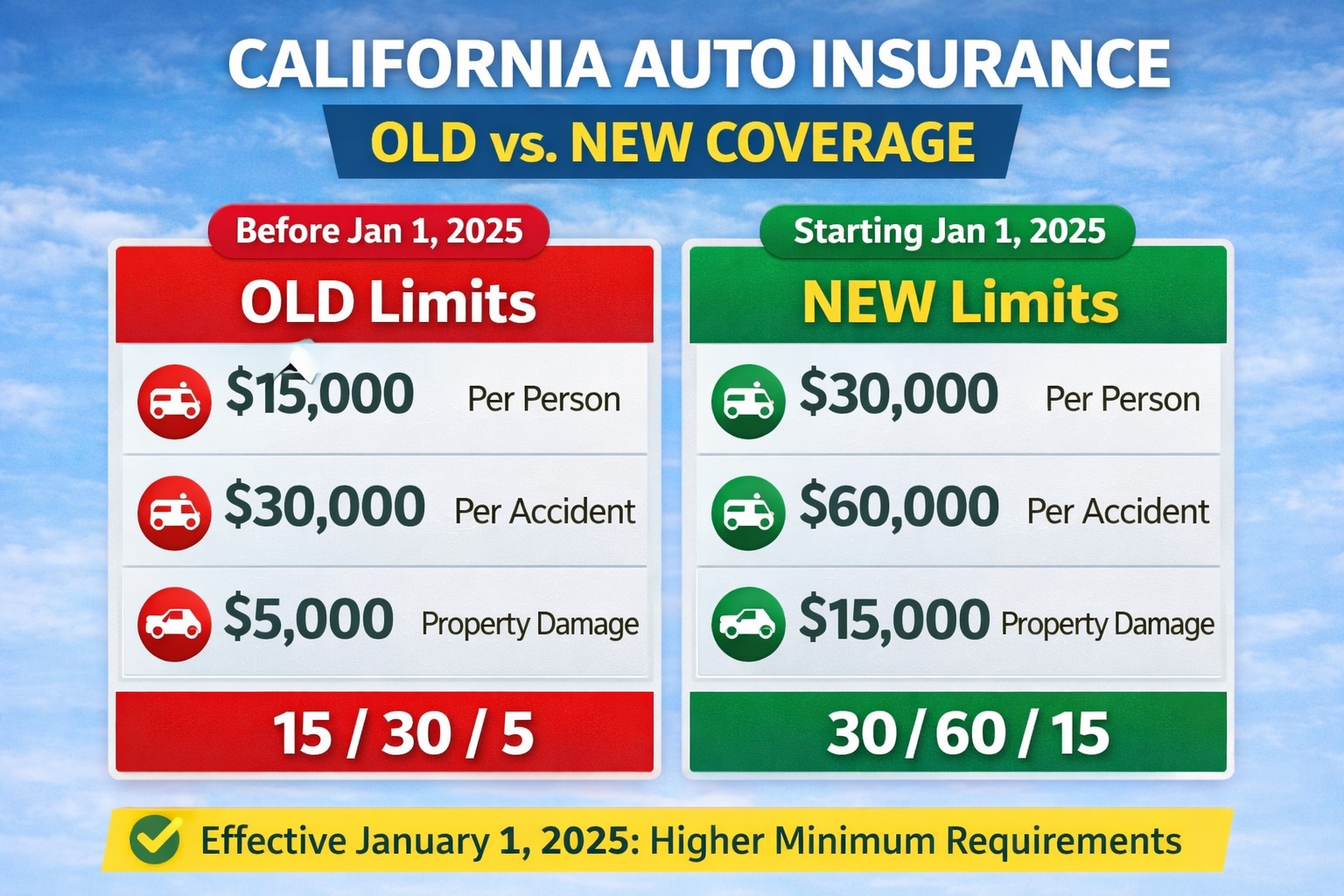
In 2026, the legal minimum liability requirements in California remain at the levels often referred to as 15/30/5. This includes $15,000 for bodily injury per person, $30,000 for total bodily injury per accident, and $5,000 for property damage. While these limits are the floor for legal operation, they are rarely sufficient for modern driving conditions.
With the average cost of a new vehicle in 2026 exceeding $50,000, a $5,000 property damage limit leaves a driver exposed to significant financial risk in even a minor multi-car collision. "Good" rates should therefore be evaluated based on the value of the protection provided, not just the monthly premium. Most experts recommend a 100/300/100 policy structure for adequate protection of personal assets.
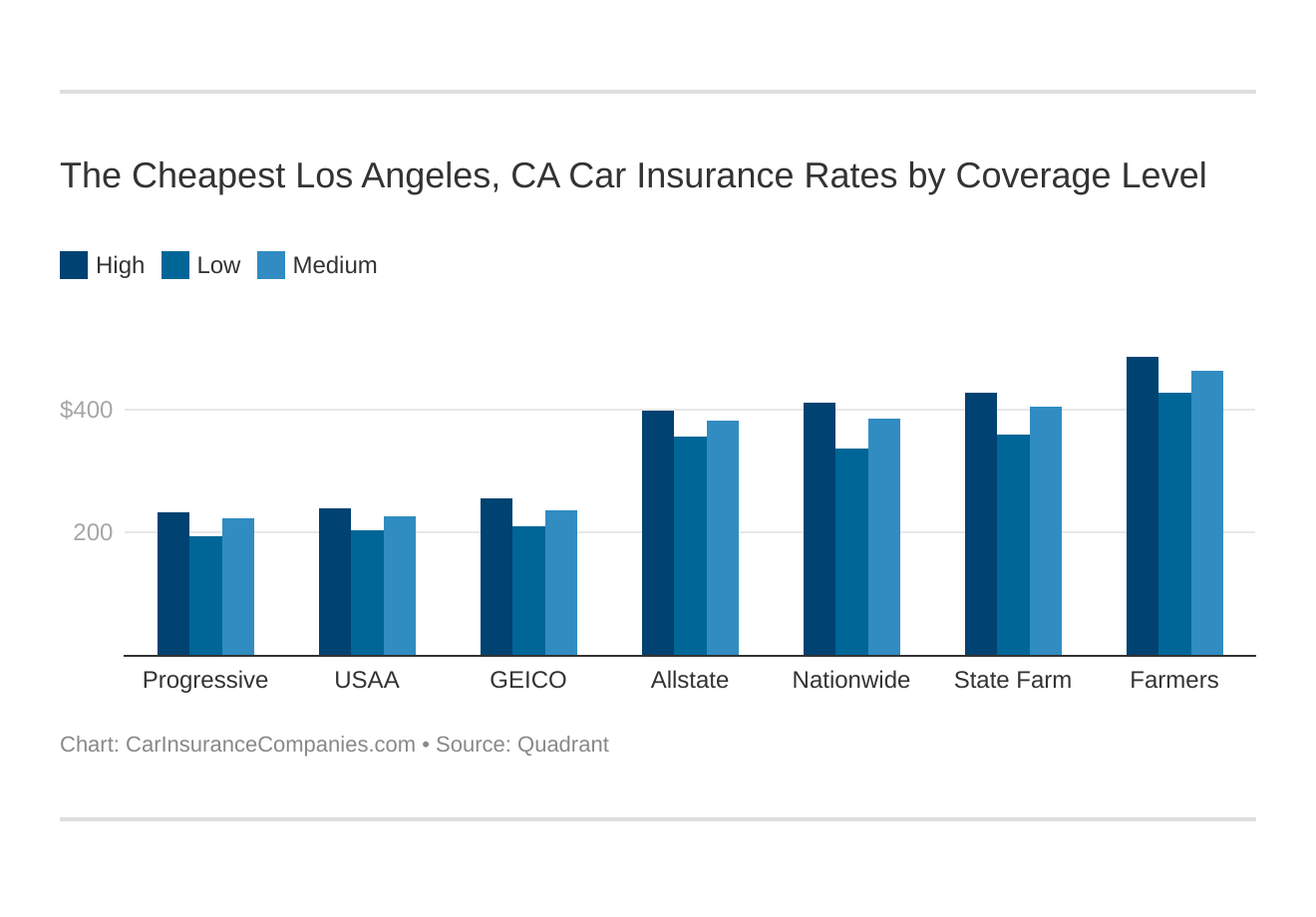
| Provider | Est. Monthly (Full Coverage) | Est. Monthly (Min. Liability) | Best Known For |
|---|---|---|---|
| Wawanesa | $165 | $52 | Competitive rates for high-experience drivers |
| GEICO | $180 | $58 | User-friendly digital management and low-mileage discounts |
| Progressive | $195 | $65 | Robust telematics and bundling options |
| Mercury | $185 | $60 | California-based expertise and local agent network |
| State Farm | $210 | $70 | High customer satisfaction and extensive local presence |
| AAA (CSAA/ACSC) | $205 | $68 | Member benefits and roadside assistance integration |
Note: Estimates are based on a 35-year-old driver with a clean record and 10,000 annual miles. Actual rates vary significantly by ZIP code and vehicle type.
The Impact of Location and Vehicle Type
Even with Proposition 103 protections, where you park your car in California heavily influences your premium. Densely populated areas like Los Angeles, San Francisco, and San Diego typically see higher rates due to increased litigation costs, higher frequencies of theft, and a greater statistical likelihood of accidents. Conversely, drivers in the Central Valley or rural Northern California often enjoy "good" rates that are 20% to 30% lower than their urban counterparts.
Vehicle technology also plays a massive role in 2026 premiums. As California moves closer to its goals for Zero-Emission Vehicles (ZEVs), the insurance market for electric vehicles (EVs) has matured. While EVs often have higher repair costs due to specialized sensors and battery technology, many insurers offer "Green Vehicle" discounts. Furthermore, advanced driver-assistance systems (ADAS) are now standard on most 2026 models, and while they reduce accident frequency, their high replacement costs mean they don't always result in a lower premium.
Strategies for Reducing Your California Premium
Securing a good rate requires proactive management of your driving profile. Because California relies so heavily on driving history, any blemish on your record can cause a disproportionate spike in costs.
1. Leverage the Good Driver Discount
Under California law, if you have been licensed for the previous three years and have no more than one "point" on your record, you qualify as a Good Driver. Insurers are required to offer you a policy and must apply a discount of at least 20% compared to what you would otherwise pay.
2. Monitor Your Annual Mileage
Since mileage is the second most important factor in California, accurately reporting your commute can save hundreds of dollars. If you have transitioned to a permanent remote or hybrid work model since the early 2020s, ensure your insurer has updated your classification from "commute" to "pleasure" or has reduced your annual estimated miles.
3. Telematics and Usage-Based Insurance (UBI)
By 2026, usage-based insurance programs have become a standard offering in California. These programs use smartphone apps or plug-in devices to track your actual driving behavior. If you avoid hard braking, late-night driving, and speeding, you can secure rates that are significantly lower than traditional actuarial models would suggest.
4. Professional and Academic Discounts
Many California insurers offer affinity discounts for members of certain professional organizations (e.g., scientists, educators, engineers) or alumni associations. Always ask for a list of eligible organizations during the quoting process.
The California Low Cost Automobile Insurance Program (CLCA)
For many lower-income residents, even the "best" standard rates may be unaffordable. The California Low Cost Automobile Insurance Program (CLCA) is a state-sponsored program designed to provide affordable liability insurance to good drivers who meet specific income eligibility requirements.
In 2026, the CLCA remains a vital resource for ensuring that all Californians can afford to drive legally. The program provides lower liability limits (10/20/3) than the standard state minimums, but it satisfies the financial responsibility laws. This is often the only way for eligible residents to obtain a "good" rate that fits within a strict household budget.
Frequently Asked Questions
Does my credit score affect my auto insurance rate in California?
No. California is one of the few states that strictly prohibits insurance companies from using credit history or credit scores to determine premiums or eligibility. This has been a cornerstone of California insurance law since the passage of Proposition 103 in 1988 and remains in effect in 2026.
How long do accidents stay on my record for insurance purposes?
In California, most at-fault accidents and minor traffic violations affect your insurance rates for three years. However, more serious offenses, such as a DUI, can impact your premiums for up to ten years. Maintaining a clean record for a rolling 36-month period is the most effective way to keep your rates low.
Can I get a discount for taking a defensive driving course?
Yes, many insurers in California offer discounts for drivers who complete a CDI-approved defensive driving course. This is particularly common for drivers over the age of 55, who may be eligible for a "Mature Driver" discount upon completion of a certified safety program.
What happens if I drive without insurance in California?
California law requires all drivers to carry evidence of financial responsibility. If you are caught driving without insurance, you face fines, the impoundment of your vehicle, and the suspension of your driver's license. Furthermore, if you are involved in an accident while uninsured, California’s "No Pay, No Play" law (Proposition 213) prevents you from suing for non-economic damages (like pain and suffering), even if the other driver was at fault.
Why did my insurance rate go up if I didn't have an accident?
In 2026, general rate increases are often driven by "social inflation"—the rising cost of litigation and medical care—and the increased cost of vehicle parts and labor. Additionally, if you moved to a different ZIP code or increased your annual mileage, your rate may adjust upward to reflect the new risk profile.
Practical Recommendation
To find the best auto insurance rates in California for 2026, you should perform a comprehensive rate comparison at least 30 days before your current policy expires. Start by verifying your annual mileage and ensuring your driving record is accurate with the DMV. Request quotes from at least three different types of carriers: a national brand (like GEICO), a California-centric carrier (like Mercury or Wawanesa), and a member-based organization (like AAA). If your income is limited, check your eligibility for the CLCA program to ensure you remain legally covered without overextending your finances.
Image Gallery