Senior Life Insurance Reviews and BBB Status: Evaluating Provider Reliability
When researching senior life insurance policies, consumers must look beyond marketing claims and evaluate independent consumer reviews alongside official Better Business Bureau (BBB) ratings and accreditation status. Navigating the fin...
When researching senior life insurance policies, consumers must look beyond marketing claims and evaluate independent consumer reviews alongside official Better Business Bureau (BBB) ratings and accreditation status. Navigating the final expense or whole life market requires a clear understanding of how third-party scores reflect actual customer satisfaction, regulatory standing, and long-term financial stability.
Contents
Understanding the Scope of Senior Life Insurance
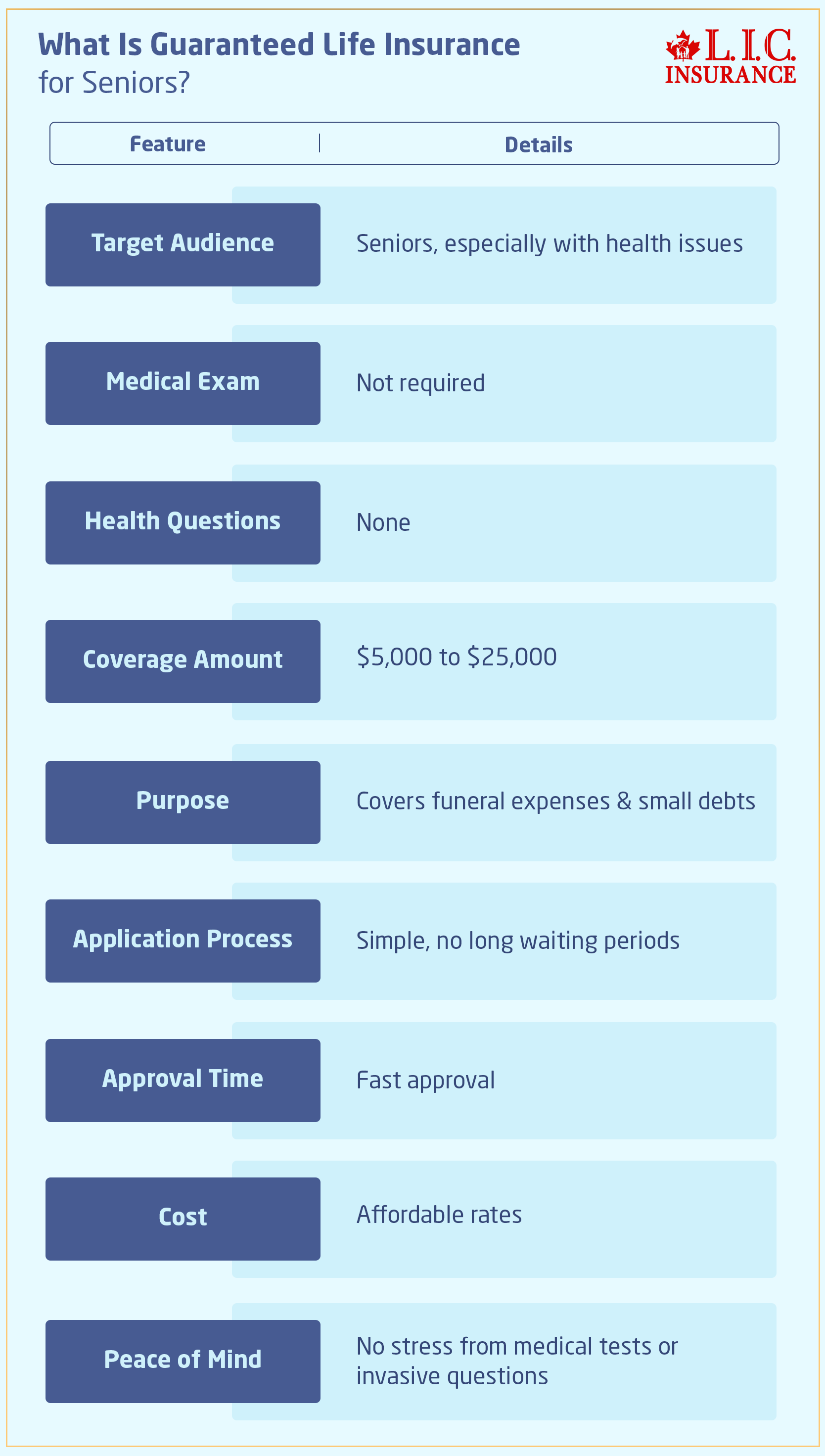
Senior life insurance typically refers to permanent coverage options designed for individuals aged 50 to 85, most commonly structured as final expense insurance, simplified issue whole life, or guaranteed acceptance life insurance. Unlike term life insurance, which expires after a set number of years, these policies are designed to remain in force for the policyholder's entire life, provided premiums are paid. The primary objective is to cover end-of-life expenses, such as funeral costs, medical bills, and remaining unsecured debts, relieving surviving family members of sudden financial burdens.
Because many seniors purchase these policies directly through mailers, television advertisements, or digital lead generators, evaluating the legitimacy and customer service track record of the underlying insurance carrier is essential. Insurance products are heavily regulated at the state level, but consumer advocacy platforms and business evaluation bureaus provide vital visibility into how companies handle claims, billing disputes, and policyholder communication.
The Role of the Better Business Bureau (BBB) in Insurance Evaluation
The Better Business Bureau is a private, non-profit organization that rates businesses based on their response to consumer complaints, transparency, and business practices. For insurance shoppers, the BBB profile of a carrier or agency offers a window into operational integrity.
BBB Ratings vs. Financial Strength Ratings
It is crucial to distinguish between a company's BBB letter grade (ranging from A+ to F) and its financial strength rating from independent agencies like AM Best, Moody's, or Standard & Poor's.
- BBB Rating: Measures customer service performance, responsiveness to complaints, advertising transparency, and ethical business practices. A high BBB rating indicates that a company resolves consumer disputes efficiently and maintains transparent marketing.
- Financial Strength Rating: Measures an insurer's ability to pay out future claims and remain solvent over decades. A company can have a strong financial backing while simultaneously dealing with customer service complaints that lower its BBB standing, or vice versa.
Analyzing Complaint Histories
When reviewing a senior life insurance provider on the BBB platform, prospective buyers should look past the headline letter grade and examine the complaint history. Key metrics include:
- Volume of Complaints: Evaluated relative to the size of the company and its market share. A large national carrier will naturally have more raw complaints than a boutique agency.
- Complaint Categories: Complaints generally fall into billing issues, advertising or sales practice misunderstandings, and difficulties with policy cancellation or claims processing.
- Resolution Rate: How effectively and promptly the company responds to and resolves filed complaints through the BBB mediation framework.
Key Factors to Examine in Senior Life Insurance Reviews
Independent consumer reviews across platforms like Trustpilot, ConsumerAffairs, and insurance-specific forums provide qualitative insights that supplement official regulatory metrics. Evaluating these reviews requires looking for recurring patterns rather than isolated grievances.
Transparency in Pricing and Underwriting
A common complaint in senior life insurance reviews involves rate escalation or unexpected underwriting requirements. Simplified issue policies do not require a medical exam, but they do require answering health history questions. Negative reviews frequently stem from applicants who were initially quoted an estimated rate, only to find their premium adjusted higher during underwriting due to disclosed medical conditions.
Policy Terms and Guaranteed Rates
Reputable senior life insurance providers offer fixed premiums that will never increase as the policyholder ages, alongside coverage amounts that do not decrease over time. Reviews often highlight whether a company honors these guarantees without hidden administrative fees or unexpected riders.
Claim Payout Efficiency
For final expense insurance, the speed and ease of the death benefit payout are paramount. Positive reviews typically praise carriers that disburse funds to beneficiaries within days of receiving a death certificate, minimizing financial stress during a difficult period.
Comparing Evaluation Metrics for Senior Life Insurance Providers
To make an informed decision, consumers should cross-reference multiple indicators of reliability. The following table outlines the primary evaluation criteria, what they measure, and where to verify them.
| Evaluation Metric | What It Measures | Primary Source | What to Look For |
|---|---|---|---|
| BBB Rating & Accreditation | Customer service responsiveness, ethics, and complaint resolution. | Better Business Bureau (BBB.org) | High letter grade (A or A+), active accreditation, and a high percentage of resolved complaints. |
| Financial Strength | The insurer's long-term capability to pay out future death benefits. | AM Best, Demotech, or Standard & Poor's | Ratings of "A" (Excellent) or higher to ensure long-term solvency. |
| State Regulatory Standing | Compliance with state insurance laws, licensing, and market conduct. | State Department of Insurance (DOI) websites | Absence of major disciplinary actions, fines, or cease-and-desist orders. |
| Consumer Sentiment | Real-world policyholder experiences regarding billing, transparency, and claims. | Independent review sites, forums, and Trustpilot | Consistent positive remarks regarding customer support and transparent policy terms. |
Common Red Flags in Senior Life Insurance Marketing
When evaluating senior life insurance reviews and BBB profiles, certain warning signs indicate potential predatory practices or unreliable providers. Recognizing these red flags protects consumers from financial loss or inadequate coverage.
- Aggressive High-Pressure Sales: Telemarketers or agents who push for immediate banking details without providing a formal written quote or policy outline.
- Misleading Advertising: Mailers or television ads that quote exceptionally low monthly premiums without clarifying that the rate applies only to a specific age group or requires rigorous underwriting.
- Lack of State Licensing: Dealing with third-party lead generators or unregulated entities that are not registered with the state Department of Insurance where the policyholder resides.
- Unclear Waiting Periods: Guaranteed acceptance policies often feature a graded death benefit period (typically two years). If the insured dies of natural causes during this window, beneficiaries may only receive a return of premiums plus interest rather than the full face value. Reviews frequently highlight consumer dissatisfaction when this term is misunderstood.
Steps to Verify a Provider Before Buying
Before signing a senior life insurance contract or providing financial account details, consumers should execute a systematic verification process:
- Check State Licensing: Visit the National Association of Insurance Commissioners (NAIC) website or your specific state's Department of Insurance portal to confirm that both the insurance carrier and the individual agent are licensed to sell policies in your jurisdiction.
- Review the BBB Profile: Search the company name on the BBB database to check its current letter grade, accreditation status, and consumer complaint history over the past three years.
- Verify Financial Stability: Look up the insurer's AM Best rating to confirm their financial capacity to pay long-term claims.
- Read Detailed Policy Contracts: Request a specimen policy contract to review exclusions, grace periods, surrender values, and exact definitions of coverage terms before making the first premium payment.
Frequently Asked Questions
What does a high BBB rating mean for a life insurance company?
A high BBB rating indicates that the insurance provider maintains a strong record of responding to customer inquiries and resolving complaints satisfactorily. However, it measures customer service interactions rather than financial solvency or investment performance, which should be verified through separate agencies like AM Best.
Are customer reviews on the BBB trustworthy?
Yes, BBB customer reviews and complaints are moderated to verify that a genuine marketplace transaction occurred. Reading both positive reviews and resolved complaints provides a balanced view of how a company handles customer service issues.
Can I trust a life insurance company that is not accredited by the BBB?
Lack of BBB accreditation does not automatically mean an insurance company is illegitimate. Many major carriers choose not to pursue paid BBB accreditation while still maintaining clean complaint records and excellent financial strength ratings. Consumers should evaluate the overall complaint history rather than relying solely on accreditation status.
How do I check if a senior life insurance company is financially stable?
You can check an insurer's financial strength by searching for their name on the official AM Best website. AM Best provides independent credit ratings that assess an insurance company's financial health and ability to meet ongoing policyholder obligations.
What should I do if I have a dispute with my life insurance provider?
If direct communication with the insurance company fails to resolve an issue, you can file a formal complaint with the Better Business Bureau or contact your state’s Department of Insurance to initiate a regulatory inquiry into the company's market conduct.
Conclusion and Next Actions
Evaluating senior life insurance reviews and BBB status requires a disciplined approach that balances customer service feedback with objective financial and regulatory data. Prioritize licensed carriers with robust financial strength ratings, transparent policy terms, and clean complaint histories. Always review official state insurance department records and read the fine print of any policy contract before committing to a permanent financial agreement.
Image Gallery