The Roles and Responsibilities of a Welding Inspector in the Workplace
A welding inspector ensures that all welding activities comply with specific codes, standards, and safety regulations. They monitor material quality, witness welder qualification tests, supervise the welding process, and perform non-de...
A welding inspector ensures that all welding activities comply with specific codes, standards, and safety regulations. They monitor material quality, witness welder qualification tests, supervise the welding process, and perform non-destructive testing (NDT) to verify structural integrity, preventing catastrophic failures in industries like construction, aerospace, and energy infrastructure projects.
Contents
The Strategic Importance of Welding Inspection
The role of a welding inspector is fundamental to the structural integrity of the modern built environment. In 2026, as infrastructure projects become increasingly complex and materials science advances, the inspector acts as the final gatekeeper against mechanical failure. A welding inspector is not merely a "checker" of finished work; they are a quality assurance professional whose oversight begins long before the first arc is struck and continues until the final documentation is signed.
Welding is a special process because the quality of the result cannot always be fully verified by inspecting the finished product alone. Internal flaws, metallurgical changes, and residual stresses are often invisible to the naked eye. Therefore, the inspector’s presence in the workplace ensures that the procedures proven to yield safe results are followed strictly. Their work protects the public, the environment, and the financial interests of the stakeholders by reducing the risk of rework or catastrophic litigation.
Pre-Production: Establishing the Foundation for Quality
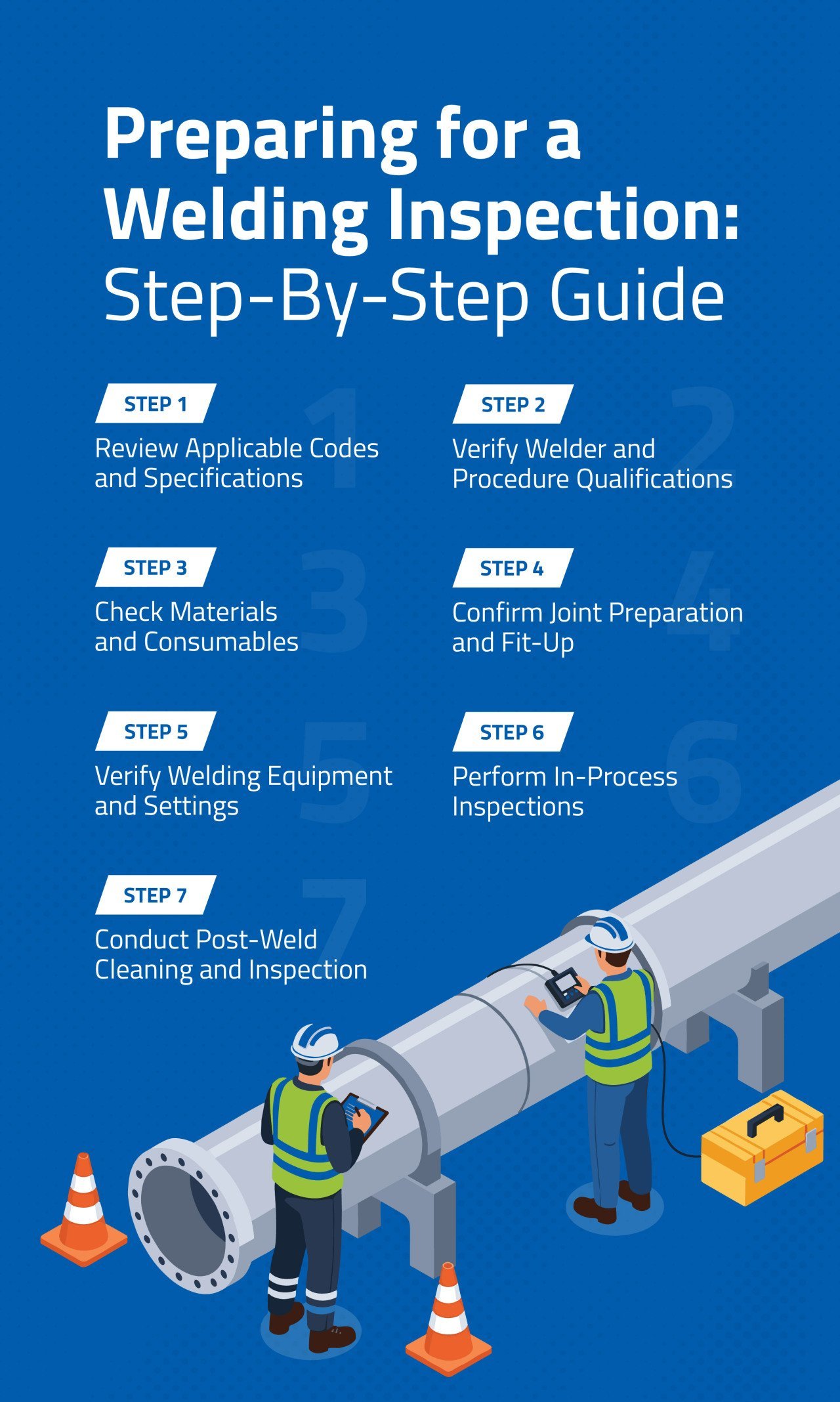
A significant portion of a welding inspector's time is spent in the pre-production phase. Before any metal is joined, the inspector must verify that the "ingredients" and the "recipe" for the weld are correct.
Reviewing Specifications and Codes
The inspector begins by reviewing the project specifications and the applicable codes. Whether it is AWS D1.1 for structural steel, ASME Section IX for pressure vessels, or API 1104 for pipelines, the inspector must understand the specific requirements for the job. This includes understanding the acceptance criteria for defects and the specific qualifications required for the personnel performing the work.
Material Verification and Traceability
One of the most critical tasks in the workplace is verifying material traceability. The inspector checks Mill Test Reports (MTRs) to ensure that the chemical and physical properties of the base metal and the filler metal (electrodes, wire, or rods) match the project requirements. In 2026, digital traceability via QR codes and blockchain-based material tracking has become standard, but the inspector must still physically verify that the heat numbers on the steel match the documentation.
Equipment and Procedure Qualification
The inspector ensures that the Welding Procedure Specification (WPS)—the formal document describing how a weld should be performed—is qualified and supported by a Procedure Qualification Record (PQR). Furthermore, they must verify that each welder is currently certified for the specific process, position, and material they are working on. Using an unqualified welder or an unproven procedure is one of the most common causes of project failure.
In-Process Monitoring: Ensuring Procedural Compliance
Once production begins, the inspector’s focus shifts to the active workplace environment. They move through the shop or field site to observe the "work in progress."
Joint Fit-Up and Preparation
Before welding begins, the inspector examines the joint preparation. This includes checking the root gap, the bevel angle, and the cleanliness of the surfaces. Contaminants like rust, oil, or moisture can lead to porosity or inclusions. If the fit-up is too tight or too wide, the resulting weld may lack proper penetration or be prone to cracking.
Monitoring Welding Parameters
During the welding process, the inspector monitors several variables to ensure they stay within the ranges specified by the WPS:
- Voltage and Amperage: High-heat input can degrade the mechanical properties of certain alloys, while low heat can cause "lack of fusion."
- Travel Speed: This affects the bead shape and the depth of penetration.
- Preheat and Interpass Temperature: Especially in thick sections or high-carbon steels, maintaining a specific temperature is vital to prevent hydrogen-induced cracking.
- Gas Flow Rates: For processes like MIG or TIG welding, the inspector ensures the shielding gas is at the correct flow rate to prevent oxidation.
Post-Weld Examination and Non-Destructive Testing (NDT)
After the welding is completed and the metal has cooled, the inspector performs the final evaluation. This stage is divided between Visual Testing (VT) and more technical Non-Destructive Testing (NDT) methods.
Visual Inspection (VT)
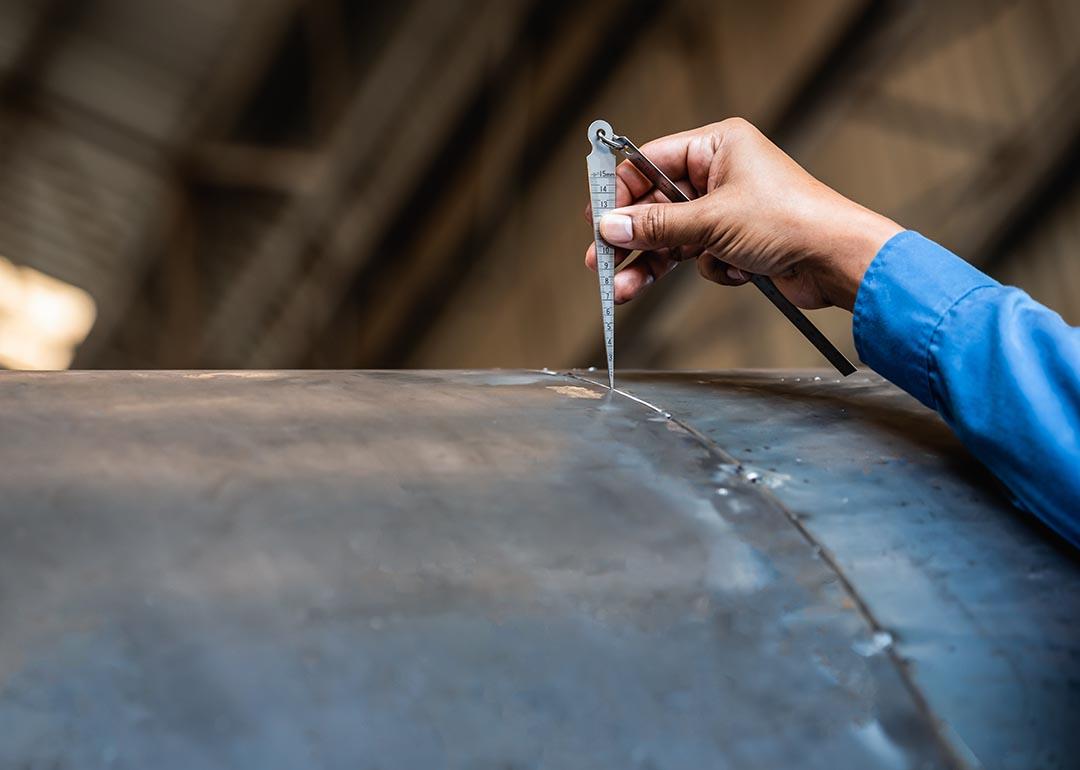
Visual inspection is the most cost-effective and frequently used method. The inspector uses various gauges—such as the Bridge Cam gauge or fillet weld gauges—to measure the weld profile, reinforcement height, and leg length. They look for surface-level defects such as undercut, overlap, surface porosity, and cracks. While seemingly simple, VT requires an experienced eye to detect the subtle indicators of deeper issues.
Advanced NDT Coordination
In many high-stakes environments, visual inspection is not enough. The inspector may perform or supervise more advanced testing methods. By 2026, portable digital radiography and phased-array ultrasonic testing have become the industry standard for critical infrastructure.
| Method | Best Used For | Primary Advantage |
|---|---|---|
| Visual Testing (VT) | Every weld performed. | Immediate feedback and low cost. |
| Liquid Penetrant (PT) | Surface-breaking cracks in non-porous materials. | Highly portable and works on non-magnetic metals. |
| Magnetic Particle (MT) | Surface and near-surface flaws in ferromagnetic steel. | More sensitive than PT for tight cracks. |
| Ultrasonic Testing (UT) | Deep, internal flaws and volumetric defects. | Real-time results without radiation hazards. |
| Radiographic Testing (RT) | Permanent record of internal weld quality (X-ray). | Excellent for detecting volumetric flaws like slag. |
Documentation: The Inspector’s Legal and Administrative Burden
A welding inspector is often joked to be "a professional paper-pusher who occasionally looks at steel." While hyperbolic, this reflects the massive importance of documentation. If a weld is not documented, it effectively does not exist in the eyes of regulators and insurers.
The inspector maintains a daily log, records all inspection results, and signs off on "weld maps" that identify which welder performed which joint. In the event of a structural failure years later, these records are the primary evidence used to determine liability. They also issue Non-Conformance Reports (NCRs) when work does not meet standards. An NCR is a formal stop-gap that prevents the project from proceeding until a repair procedure is approved and executed.
Workplace Environment and Safety Management
The workplace for a welding inspector can range from a clean-room laboratory in an aerospace facility to a muddy trench on a pipeline project. Regardless of the location, safety is paramount.
Personal Protective Equipment (PPE)
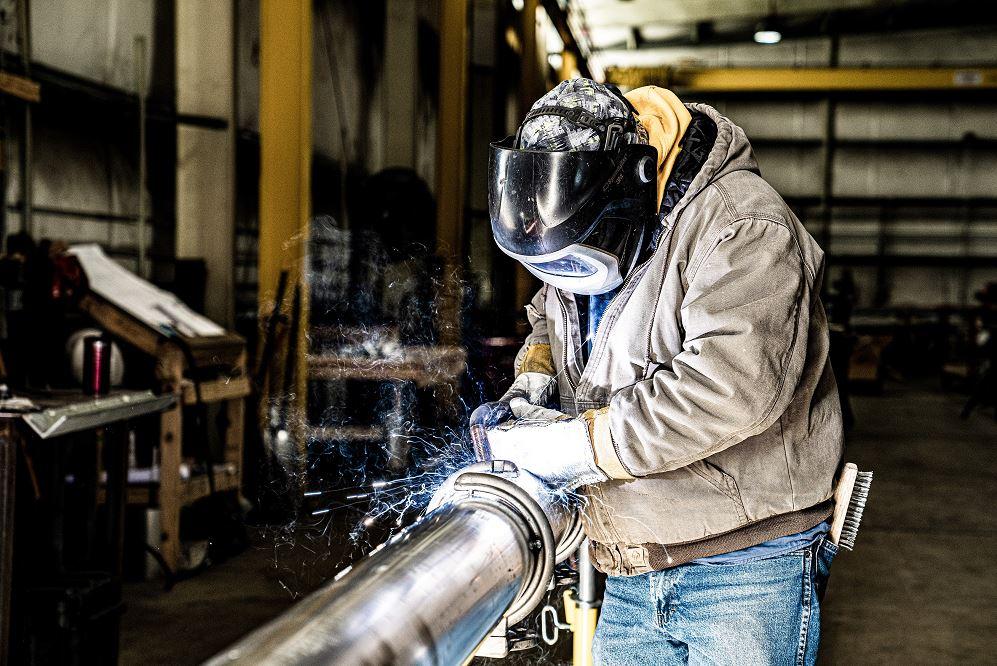
The inspector must wear specialized PPE, including flame-resistant (FR) clothing, steel-toed boots, safety glasses, and often a welding helmet for observing live arcs. In 2026, many inspectors also utilize "smart helmets" with heads-up displays (HUDs) that overlay the WPS requirements directly onto their field of vision.
Safety Oversight
While the primary role is quality, the inspector is often tasked with secondary safety oversight. They check that welding machines are properly grounded, gas cylinders are secured, and that "hot work" permits are in place. They have the authority to halt production if they observe an unsafe act or a condition that compromises the integrity of the weld, such as high winds blowing away shielding gas during an outdoor project.
Common Challenges Faced by Inspectors
The workplace is rarely a perfect environment. Inspectors often face pressure from production managers to "speed up" inspections or "overlook" minor defects to meet deadlines. Navigating this tension requires significant professional integrity and communication skills.
Another challenge is the physical nature of the work. Inspectors frequently work in confined spaces, at heights, or in extreme weather. They must remain focused and meticulous despite physical discomfort, as missing a single 1/16-inch crack could lead to a catastrophic pipeline leak or bridge failure.
Frequently Asked Questions
What is the most important tool for a welding inspector?
While high-tech NDT tools are valuable, the most important tools are the welding gauges and the Code Book. Gauges allow for the objective measurement of weld dimensions, while the Code Book provides the legal and technical criteria for acceptance. Without these, an inspection is merely an opinion rather than a verified assessment.
Can a welding inspector also perform the welds?
In most professional environments, there must be a clear separation of duties to avoid a conflict of interest. While many inspectors are former expert welders, they generally do not weld on the projects they are inspecting. This "third-party" or independent oversight is a core requirement of most international quality standards, such as those from the American Welding Society (AWS).
How has the role changed by 2026?
By 2026, the integration of Artificial Intelligence (AI) in visual inspection has become a major aid. Robotic crawlers and drones equipped with high-resolution cameras can now perform initial scans of long pipeline welds or high-altitude structural joints. However, the final interpretation of data and the legal "stamping" of the work still require a certified human inspector to ensure nuanced judgment and accountability.
What certifications are required to work as a welding inspector?
The most recognized certification is the Certified Welding Inspector (CWI) through the AWS or the CSWIP (Certification Scheme for Welding and Inspection Personnel) through TWI. These certifications require a combination of years of experience and passing a rigorous three-part exam covering fundamental science, practical inspection, and code application.
Does a welding inspector handle environmental regulations?
Yes, in many jurisdictions, the inspector monitors the disposal of hazardous materials such as spent electrodes and the chemicals used in Liquid Penetrant Testing. They also ensure that welding fumes are properly managed according to OSHA standards to protect the health of the workforce.
Practical Recommendation for Success
For those currently working in or entering the field, the best path to success is to prioritize continuous education. The materials used in 2026—such as advanced high-strength steels and specialized alloys for green energy infrastructure—behave differently than traditional carbon steel. Staying updated on the latest supplements to the ASME Boiler and Pressure Vessel Code and mastering digital reporting software will make an inspector indispensable in a modern industrial workplace. Always remember that your signature on an inspection report is a legal statement of safety; never compromise your integrity for a production schedule.
Image Gallery