Understanding the Hudson River Incident: The Miraculous Ditching of US Airways Flight 1549
On January 15, 2009, US Airways Flight 1549 successfully executed an emergency water landing in the Hudson River off Manhattan, New York. Shortly after departing LaGuardia Airport, the Airbus A320 struck a flock of Canada geese, result...
On January 15, 2009, US Airways Flight 1549 successfully executed an emergency water landing in the Hudson River off Manhattan, New York. Shortly after departing LaGuardia Airport, the Airbus A320 struck a flock of Canada geese, resulting in a total loss of thrust in both engines. Captain Chesley "Sully" Sullenberger and First Officer Jeffrey Skiles glided the aircraft to safety, ensuring all 155 passengers and crew survived.
Contents
The Sequence of Events: From Takeoff to Splashdown
The flight departed LaGuardia Airport (LGA) at 3:03 p.m. EST, bound for Charlotte Douglas International Airport. The weather conditions were cold, with clear skies and visibility, typical of a mid-January afternoon in the Northeast.
At approximately 3:05 p.m., while climbing through 2,800 feet, the aircraft encountered a large flock of Canada geese. The ingestions caused immediate and catastrophic damage to both CFM56-5B4/P turbofan engines. The cockpit crew heard loud thuds, followed by the immediate onset of vibration and a burning odor in the cabin. The flight data recorder (FDR) later confirmed that the N1 speeds—the rotational speed of the fan—dropped to zero on both engines, leaving the aircraft without power.
Immediate Pilot Response
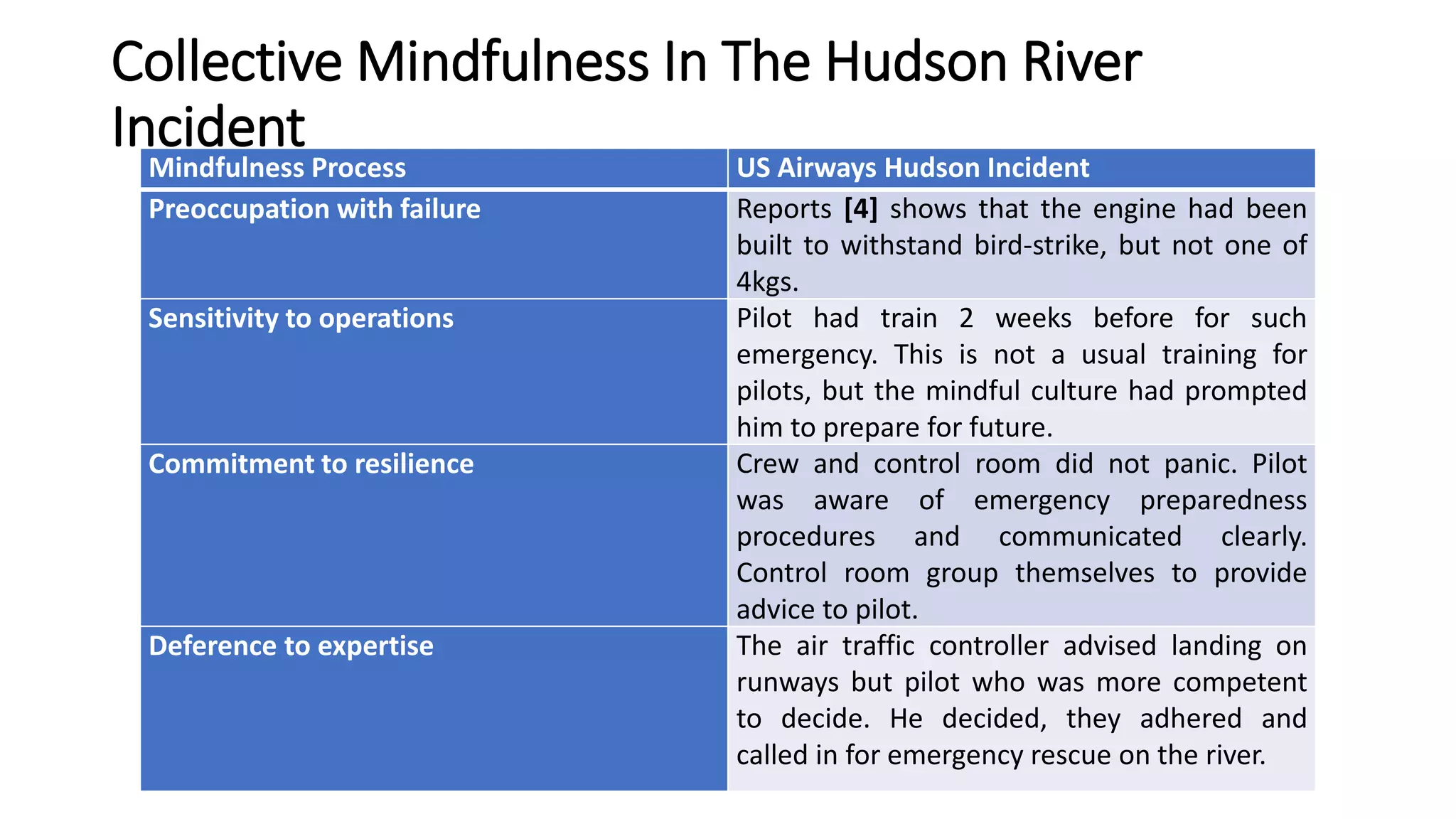
Captain Sullenberger assumed control of the aircraft while First Officer Skiles initiated the "Engine Dual Failure" checklist. Recognizing they lacked the altitude and power to return to LaGuardia or reach Teterboro Airport in New Jersey, Sullenberger made the decisive choice to ditch the aircraft in the Hudson River. This required the pilots to maintain airspeed while managing the descent to prevent the fuselage from breaking apart upon impact.
The Ditching Procedure
During the final moments of the flight, the pilots communicated with New York Terminal Radar Approach Control (TRACON) to notify them of the emergency. Sullenberger announced, "We're gonna be in the Hudson," a statement that finalized the plan for a water landing.
The aircraft touched down at 3:08 p.m. at a speed of approximately 125 knots (144 mph), maintaining a slightly nose-up attitude to ensure the rear of the fuselage hit the water first, absorbing the bulk of the impact. The landing occurred near the USS Intrepid Sea, Air & Space Museum, which facilitated a rapid response from local ferries and emergency services.
The Role of Crew and Rescue Operations
The survival of all 155 individuals on board is widely attributed to the combination of the pilots' airmanship, the flight attendants' evacuation procedures, and the swift actions of the maritime community in New York Harbor.
Evacuation Dynamics
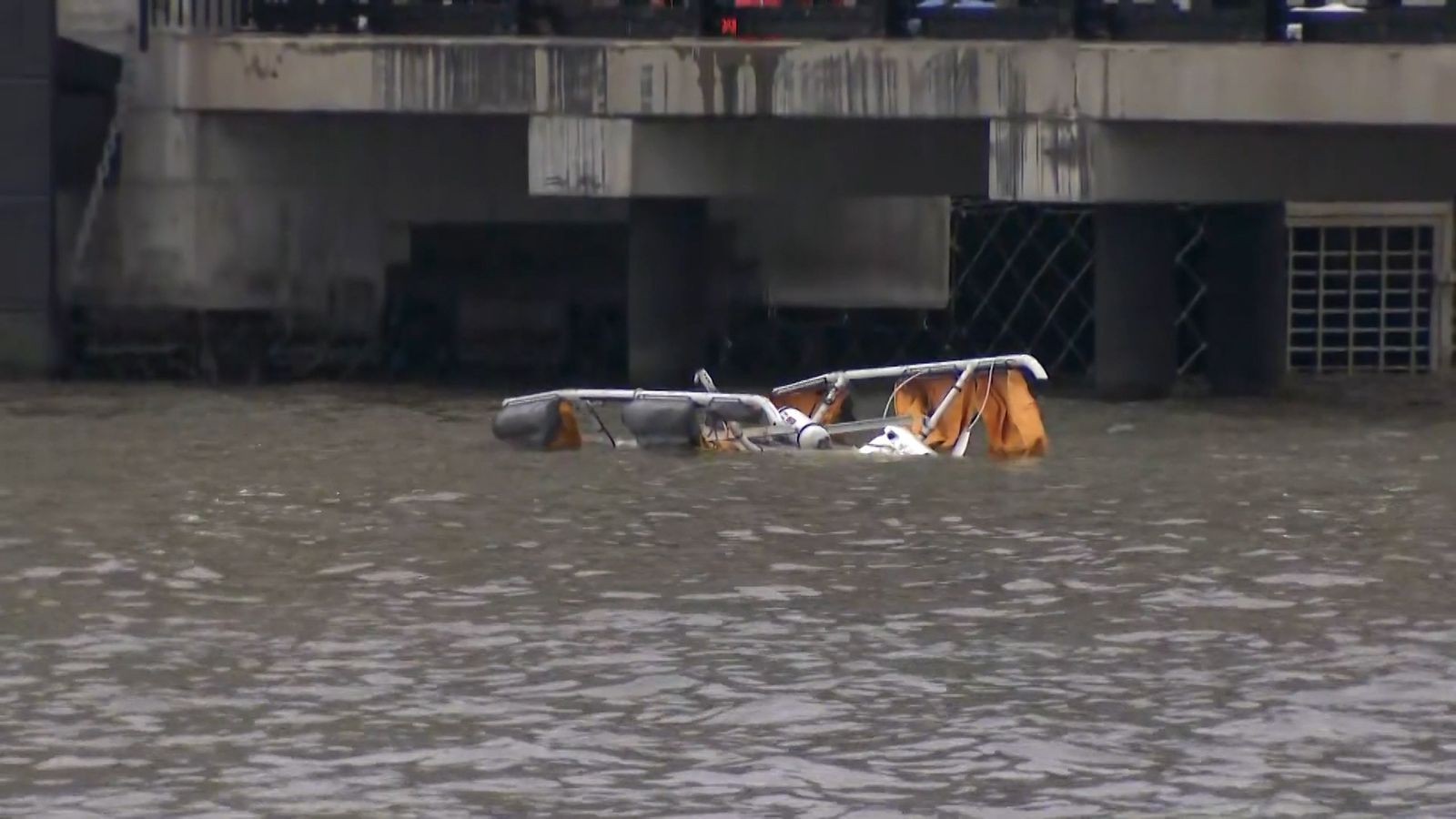
Once the aircraft settled on the water, the water level began to rise inside the cabin due to damage to the aft pressure bulkhead. The flight attendants, who had been trained for water ditching, successfully managed the evacuation. Passengers were directed onto the wings and into the emergency slide rafts that had deployed as life rafts.
Maritime Response
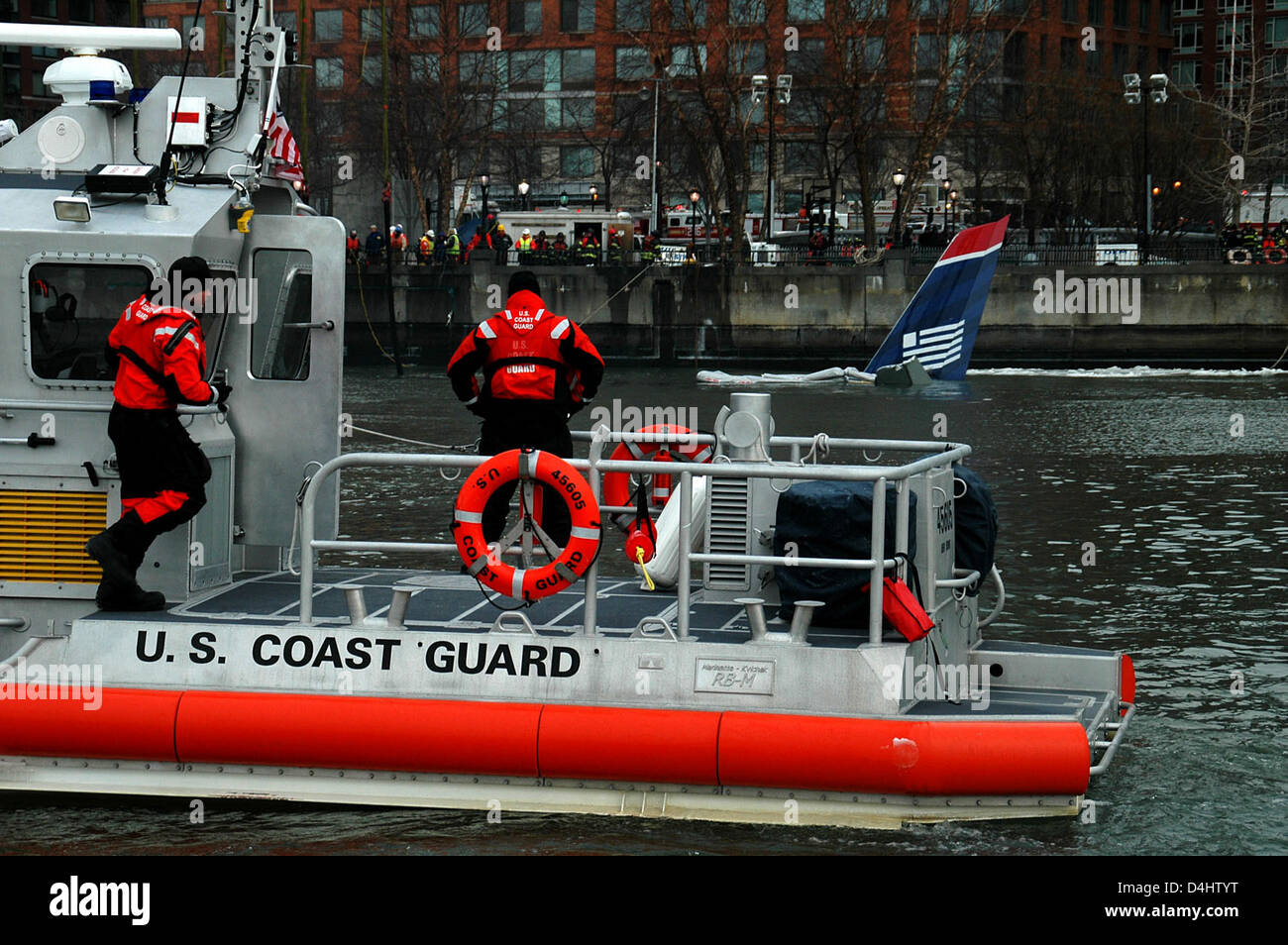
New York Waterway ferries, which operate along the Hudson River, were among the first to arrive. Within minutes of the ditching, multiple vessels were positioned alongside the aircraft. The coordination between the New York Police Department (NYPD) Harbor Unit, the Coast Guard, and private ferry captains was pivotal in moving passengers from the cold water and the wings of the plane to safety before the aircraft sank.
Technical Analysis of the Hudson River Incident
The National Transportation Safety Board (NTSB) conducted an extensive investigation following the incident. Their findings provided critical insights into aviation safety, bird strike mitigation, and crew resource management.
Technical Specifications and Factors
| Factor | Detail |
|---|---|
| Aircraft Type | Airbus A320-214 |
| Total Souls on Board | 155 (150 passengers, 5 crew) |
| Time in Air | 208 seconds (approx. 3.5 minutes) |
| Impact Speed | 125 knots |
| Primary Cause | Multiple bird ingestion (Canada geese) |
| Outcome | Hull loss; zero fatalities |
Bird Strike Hazards
The NTSB study of this incident highlighted the ongoing challenge of wildlife management near commercial airports. Canada geese are particularly hazardous due to their weight and flight patterns. The report emphasized that while engines are tested for bird ingestion, the magnitude of this specific flock strike exceeded the certification standards for the A320’s engine performance under stress.
Safety Lessons and Aviation Legacy
The event, often referred to as the "Miracle on the Hudson," served as a turning point for modern aviation safety protocols. Following the NTSB investigation, several adjustments were made to industry practices.
Crew Resource Management (CRM)
The incident remains a premier case study in CRM training. The seamless division of labor between Captain Sullenberger—who focused on flying the aircraft—and First Officer Skiles—who managed the technical checklists—demonstrated the effectiveness of disciplined cockpit communication. Their ability to remain calm and prioritize tasks under extreme time pressure is now standard curriculum for pilot training globally.
Infrastructure and Emergency Planning
The rapid rescue demonstrated the value of regional emergency response plans that integrate harbor operations with aviation authorities. This led to increased coordination efforts between the Port Authority of New York and New Jersey and local maritime authorities to ensure that, in the event of an emergency on water, rescue vessels have clear protocols for deployment.
Frequently Asked Questions
Why couldn't the plane return to an airport? The aircraft lost thrust at 2,800 feet. The NTSB simulations confirmed that, given the time required for the pilots to analyze the situation and restart the engines, there was insufficient time and altitude to safely return to LaGuardia or navigate to Teterboro.
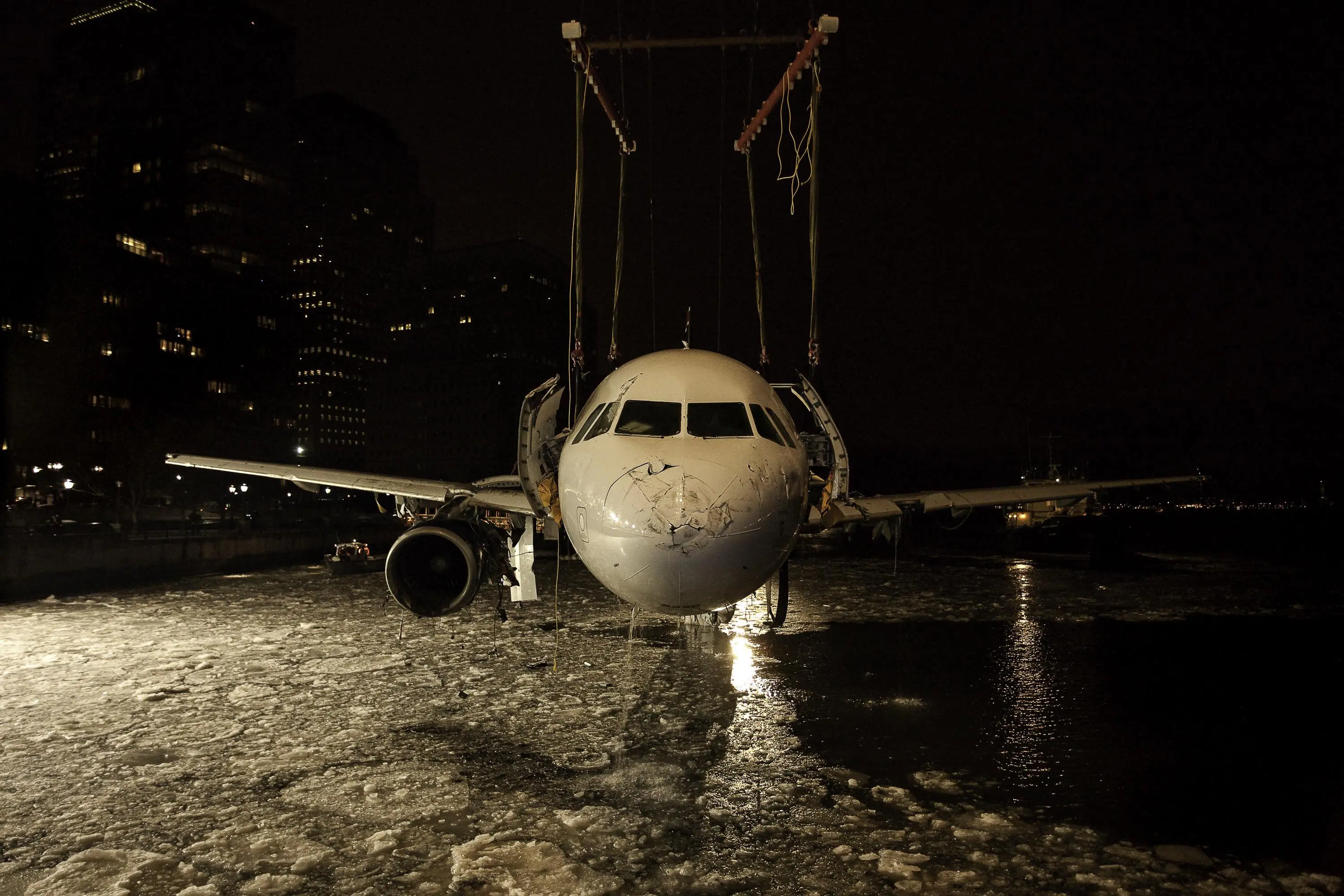
Was the aircraft destroyed in the process? Yes. While the fuselage remained largely intact during the landing, the water ingress and the nature of the landing caused significant structural damage. The aircraft was considered a total loss and was eventually recovered and transported for forensic examination.
What happened to the bird carcasses? Biological samples were collected from the engines and sent to the Smithsonian Institution’s Feather Identification Laboratory. DNA analysis confirmed they were Canada geese, which provided critical data for wildlife biologists working on airport bird-strike avoidance programs.
How cold was the water at the time? The water temperature was approximately 41°F (5°C). The rapid response of the ferries was essential, as exposure to water of that temperature would have led to rapid onset of hypothermia for anyone stranded on the wings or in the water.
Where is the aircraft today? After the investigation, the aircraft was donated to the Carolinas Aviation Museum in Charlotte, North Carolina (now known as the Sullenberger Aviation Museum), where it remains on display as a testament to the event.
Did this change engine safety testing? While the engines performed as designed for single-bird strikes, the incident forced a re-evaluation of how certification agencies model mass-flock impacts, leading to more rigorous simulation requirements for turbine manufacturers.
Next Steps for Aviation Enthusiasts
For those interested in the technical details of the incident, the most accurate primary source remains the NTSB Final Report (AAR-10/03). Reviewing this document provides a comprehensive breakdown of the flight path, engine analysis, and survivor statements. Those visiting the Charlotte area may visit the Sullenberger Aviation Museum to view the restored fuselage, which offers a tactile understanding of the aircraft's structural integrity during that landing. If you are currently involved in the aviation industry, incorporating the "Miracle on the Hudson" into your safety briefings serves as an effective, evidence-based training tool for managing high-stress emergencies.
Image Gallery