Navigating the Judicial Ethics Commission: A Guide to Oversight and Accountability
A judicial ethics commission is an independent state or federal body empowered to investigate allegations of judicial misconduct, enforce ethical standards, and, where appropriate, recommend or impose disciplinary actions against judge...
A judicial ethics commission is an independent state or federal body empowered to investigate allegations of judicial misconduct, enforce ethical standards, and, where appropriate, recommend or impose disciplinary actions against judges. These commissions serve as the primary mechanism for maintaining public trust by ensuring the judiciary remains accountable to the laws and codes of conduct governing judicial office.
Contents
The Purpose and Authority of Judicial Ethics Commissions
The fundamental role of a judicial ethics commission—often referred to as a Commission on Judicial Conduct or a Judicial Qualifications Commission—is to protect the integrity of the legal system. Because judges occupy positions of significant power, the standards to which they are held are rigorous. The authority of these bodies is typically derived from state constitutions, statutes, or court rules, which define the specific scope of their jurisdiction.
Most commissions do not oversee the legal correctness of a judge’s rulings. If a party believes a judge made a legal error or applied the law incorrectly, the appropriate remedy is an appeal to a higher court, not a complaint to an ethics commission. Instead, these commissions focus on the conduct of the individual, such as bias, ex parte communications, financial impropriety, or conduct that brings the judicial office into disrepute.
Understanding the Jurisdictional Boundaries
Before filing or engaging with a commission, it is vital to understand what falls under their purview. Most commissions have jurisdiction over active, full-time judges, and often part-time or retired judges serving in judicial capacities. However, they generally do not have authority over:
- Legal Errors: Decisions concerning the admissibility of evidence, the interpretation of statutes, or final judgments are reviewable only through the appellate process.
- Court Staff: Clerks, bailiffs, and other court employees typically fall under the administrative jurisdiction of the court’s presiding judge or human resources department, not the ethics commission.
- Attorneys: Lawyers are subject to the disciplinary oversight of state bar associations or attorney grievance committees, not the commission that regulates judges.
The Complaint Process: Step-by-Step
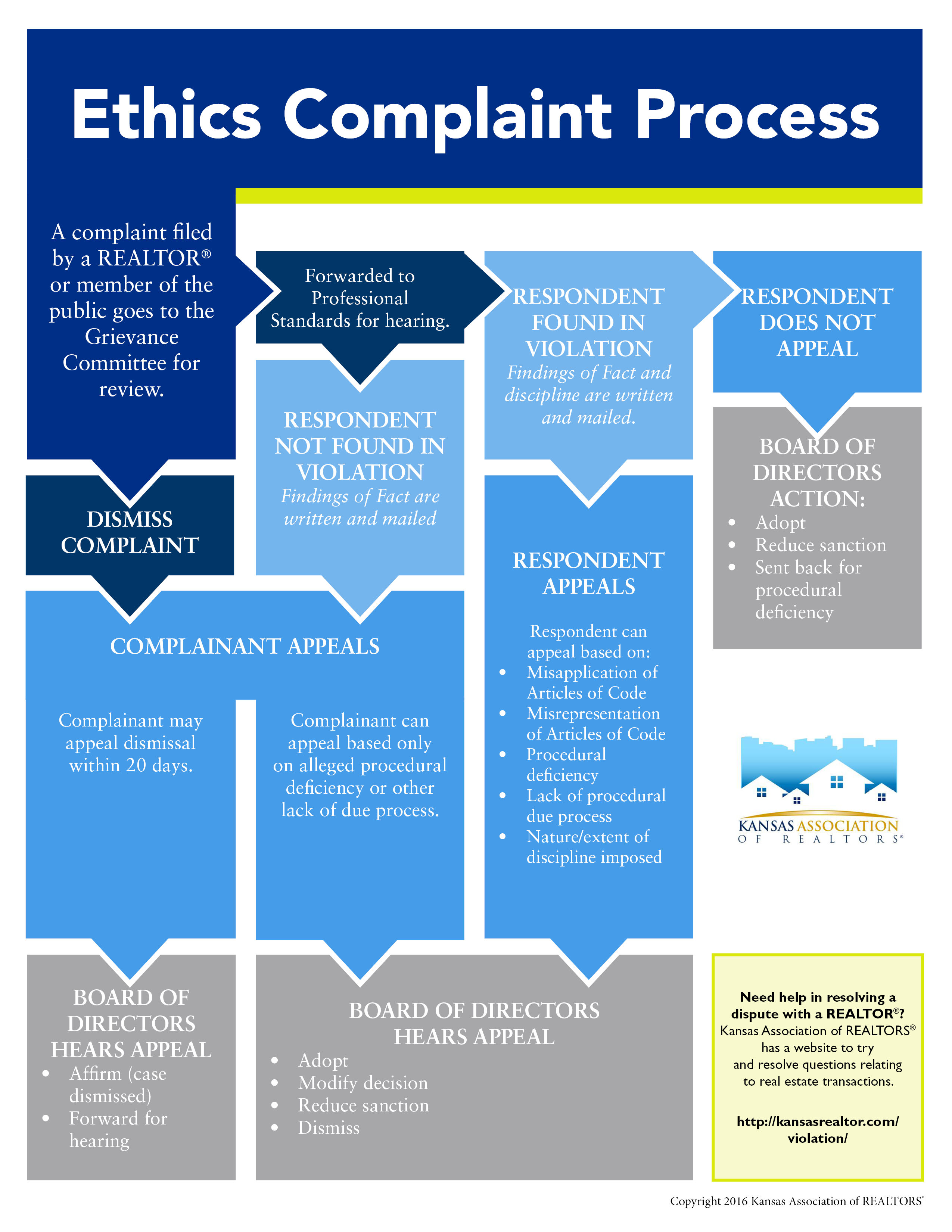
While procedures vary by jurisdiction, the lifecycle of a complaint typically follows a standard progression designed to protect both the judge and the integrity of the process.
- Submission: A complainant files a written statement detailing the alleged misconduct. Most commissions provide specific forms to ensure all necessary details—such as case numbers, dates, and specific incidents—are captured.
- Preliminary Review: The commission’s staff attorneys review the filing to determine if the allegations, if true, would constitute a violation of the Code of Judicial Conduct. Complaints that are clearly meritless or outside the commission's jurisdiction are dismissed at this stage.
- Investigation: If a complaint meets the initial threshold, the commission initiates a confidential investigation. This may involve interviewing witnesses, examining court records, and requesting a response from the judge involved.
- Action or Dismissal: Based on the investigation, the commission may dismiss the case, issue a private admonishment, or, in more serious instances, initiate formal proceedings.
- Formal Hearing: If the commission determines there is sufficient evidence of serious misconduct, a formal hearing may be held. At this stage, the process may become public, and the judge is entitled to due process, including the right to counsel and to present evidence.
Comparison of Disciplinary Outcomes
The following table summarizes the typical range of outcomes a commission may issue following an investigation into judicial conduct.
| Outcome | Nature of Action | Public Status |
|---|---|---|
| Dismissal | No evidence of ethical violation found. | Confidential |
| Private Admonition | Informal notice to the judge regarding minor conduct. | Confidential |
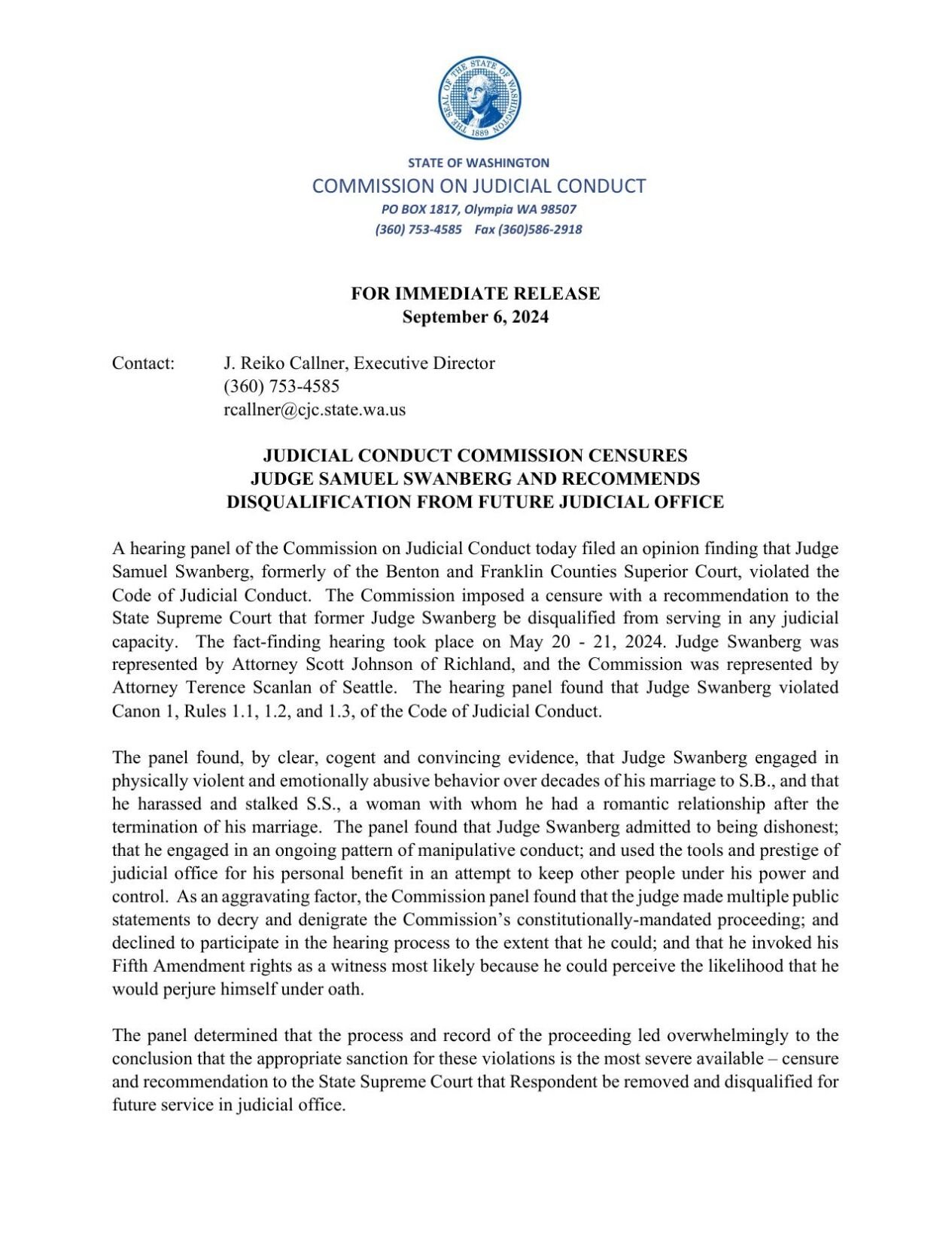
| Public Reprimand | Formal censure for public record. | Public |
| Suspension | Temporary removal from judicial duties. | Public |
| Removal | Permanent separation from the bench. | Public |
Maintaining Confidentiality and Due Process
A common point of confusion for the public is the high degree of confidentiality surrounding the initial stages of a complaint. Commissions are legally mandated to protect the anonymity of complainants and the reputation of judges during the preliminary investigative phase. This prevents the weaponization of the complaint process against judges who may be ruling on high-profile or controversial cases.
The shift from confidential to public status typically occurs only when the commission determines that there is "probable cause" that a judge has engaged in misconduct that warrants formal discipline. This balance is critical; it ensures that while judges are held accountable, they are not subjected to public smear campaigns based on frivolous or unsubstantiated claims.
Common Areas of Misconduct
While every case is unique, commissions frequently review complaints involving the following categories of behavior:
- Ex Parte Communications: Initiating or considering communications made to the judge outside the presence of the other parties in a lawsuit.
- Bias and Prejudice: Demonstrating bias based on race, gender, religion, or other protected characteristics, or expressing a personal bias against a party or attorney.
- Improper Financial Interests: Failing to disclose conflicts of interest, receiving improper gifts, or engaging in business activities that reflect poorly on the court.
- Demeanor and Temperament: Engaging in abusive, impatient, or undignified behavior toward parties, jurors, witnesses, or counsel.
- Public Political Activity: Violating rules regarding political endorsements or campaigning, which are often strictly regulated for members of the judiciary.
Essential Prerequisites for Filing a Formal Complaint
If you believe a judge has acted unethically, you should prepare your submission with the following requirements in mind:
- Documentation: Provide copies of court transcripts, orders, or other official records that support your claim. Memory-based accounts are rarely sufficient on their own.
- Clarity and Brevity: Clearly explain the factual basis for the complaint. Avoid long-winded legal arguments or personal grievances that are not related to the judge’s ethical conduct.
- Verification: Many commissions require that the complaint be signed under penalty of perjury. Ensure that all facts stated are accurate to the best of your knowledge.
Frequently Asked Questions
Can I appeal a judge’s decision through the Judicial Ethics Commission? No. The commission is not a higher court. You must utilize the formal appellate process through the state or federal court system to challenge a judge's legal ruling.
Is it possible to remain anonymous when filing a complaint? Most commissions require the complainant to provide their identity, although they may offer protections against retaliation. Anonymous complaints are often difficult to investigate and may be dismissed for lack of evidence.
How long does the investigation process usually take? The timeline varies significantly based on the complexity of the allegations. Some matters are resolved in weeks, while complex cases involving hearings and testimonies can take several months or even longer.
Does a complaint become part of the public court record? During the initial investigation, it does not. If the matter proceeds to a formal public hearing or results in public discipline, the details will likely be published in the commission’s annual report or press releases.
What happens if a judge retires while an investigation is pending? Jurisdiction policies vary by state. Some commissions lose authority over a judge once they leave office, while others may continue the investigation to determine if the judge is eligible to serve in a senior or retired-active status in the future.
Practical Next Steps
Before filing a complaint, verify the specific rules and forms provided by the judicial conduct commission in your specific jurisdiction. If you are uncertain whether your grievance is a matter of ethics or a matter of legal error, consider consulting with an attorney who specializes in professional responsibility or appellate law. An objective legal professional can help you structure your complaint to ensure it addresses the relevant ethical codes rather than simply expressing frustration with a court’s ruling.
Image Gallery