How to Assess Health and Life Insurance Exam Schools
Choosing the right health and life insurance exam school requires evaluating state-level accreditation, the accuracy of practice exam simulators, and the specific instructional methodology offered. To assess these schools effectively,...
Choosing the right health and life insurance exam school requires evaluating state-level accreditation, the accuracy of practice exam simulators, and the specific instructional methodology offered. To assess these schools effectively, candidates must prioritize providers that offer high pass-rate guarantees, updated state-specific curriculum, and flexible learning platforms that align with their personal study habits and professional schedule.
Contents
The path to becoming a licensed insurance producer in 2026 remains rigorous, demanding a deep understanding of both national insurance concepts and specific state statutes. Because most states require a certificate of completion from an approved pre-licensing education provider before you can sit for the official state exam, the school you choose is your primary gateway to the industry. Assessing these institutions is not merely about finding the lowest price; it is about ensuring the material is current, the delivery is effective, and the support system is robust enough to help you pass on your first attempt.
Verifying State Approval and Accreditation
The most critical step in assessing a health and life insurance exam school is verifying its standing with your state’s Department of Insurance (DOI). Insurance regulation in the United States is decentralized, meaning a school that is highly rated in New York may not be authorized to provide the required pre-licensing hours in Texas or California.
Before committing to a program, consult your state's Candidate Information Bulletin, usually provided by the testing vendor such as Pearson VUE, Prometric, or PSI. These bulletins list authorized education providers. If a school is not on this list, any hours spent studying there will not count toward your legal requirement for licensure. Furthermore, ensure the school provides a formal "Certificate of Completion." In many jurisdictions, this certificate must be electronically filed by the school or presented by the candidate at the testing center to unlock the exam.
Evaluating Instructional Methodologies
In 2026, the "one-size-fits-all" approach to insurance education is obsolete. High-quality schools now offer a spectrum of learning paths. When assessing a school, determine which of the following formats they specialize in and whether that format matches your learning style.
On-Demand Self-Paced Learning
This is the most common format, offering recorded lectures, digital textbooks, and modular quizzes. When assessing self-paced programs, look for micro-learning features. These are short, 5-to-10-minute video segments that focus on specific topics like "Nonforfeiture Options" or "COBRA Requirements." This structure is superior to long, hour-long lectures, as it allows for better retention and easier review of difficult concepts.
Live Virtual Classrooms
For students who require accountability and real-time interaction, live virtual classrooms are essential. Assess whether the school’s "live" sessions are truly interactive or merely a broadcast. The best schools use platforms that allow for "hand-raising," real-time polls, and chat-based Q&A sessions with the instructor.
Adaptive Learning Technology
Modern assessment of insurance schools must include a look at their underlying technology. Top-tier providers now utilize AI-driven adaptive learning paths. These systems track your performance on practice quizzes and automatically adjust your study plan to focus on your weakest areas. If a school offers a static PDF and a simple multiple-choice bank, it may be less effective than one utilizing diagnostic data to guide your study time.
Analyzing the Depth of Practice Exam Simulators
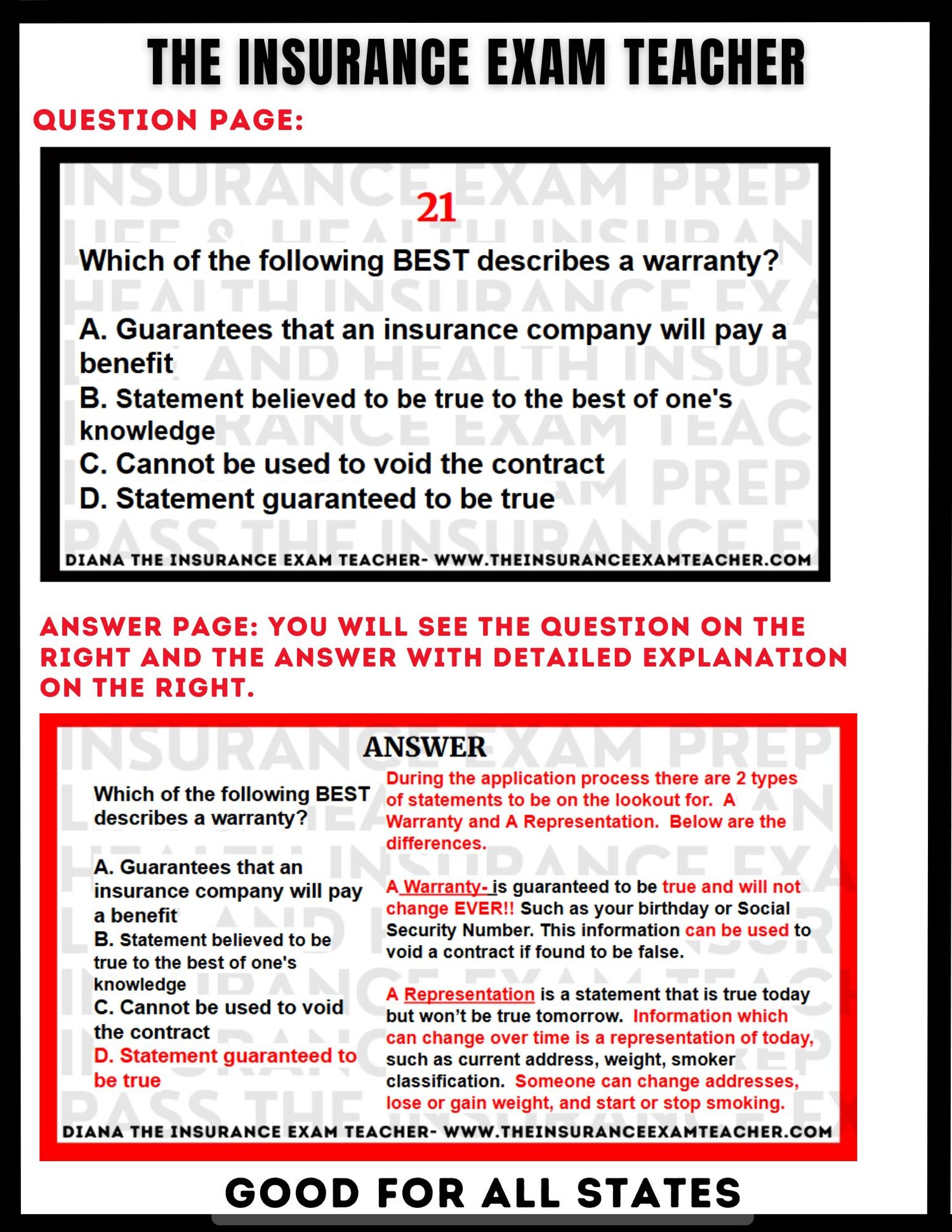
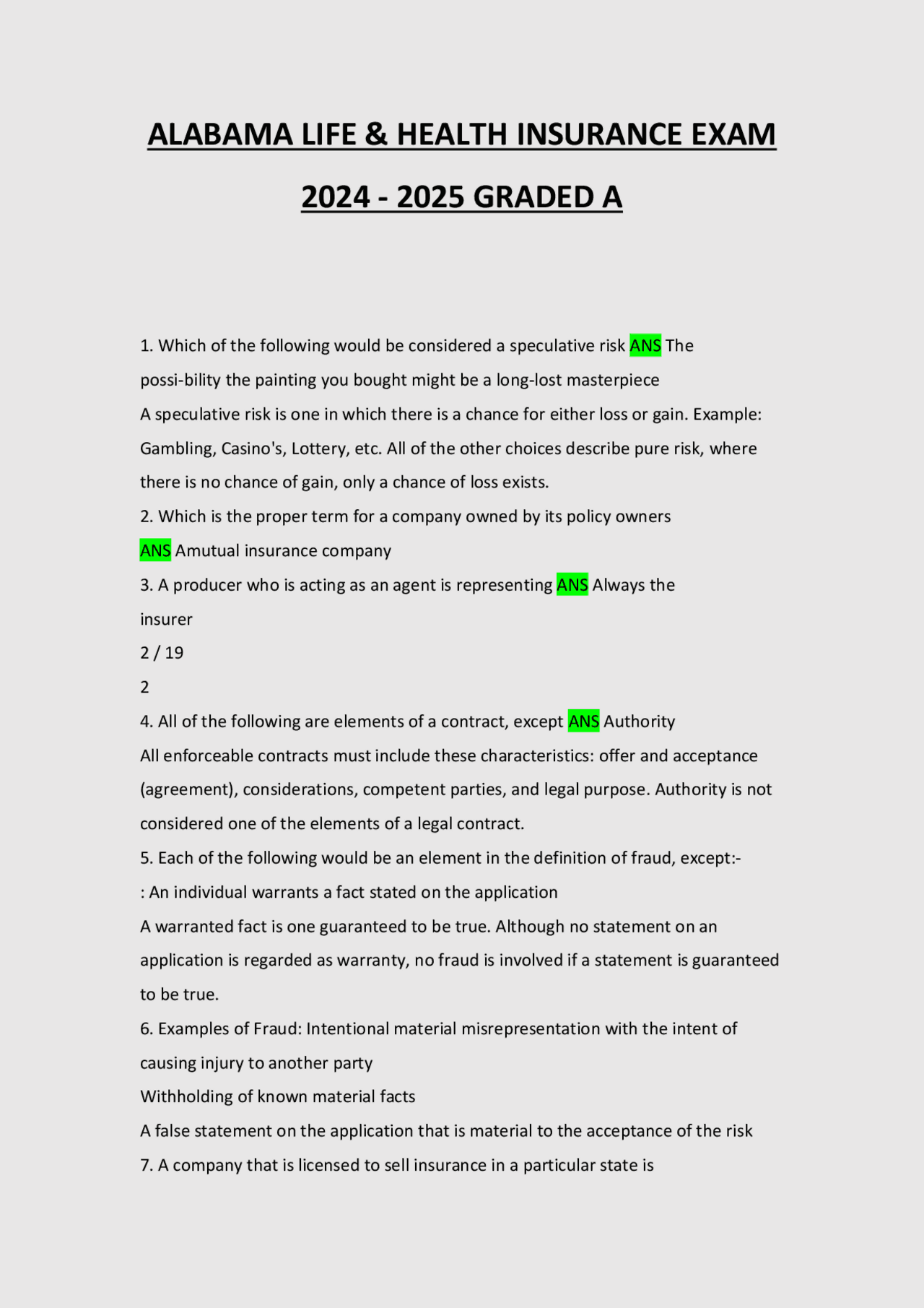
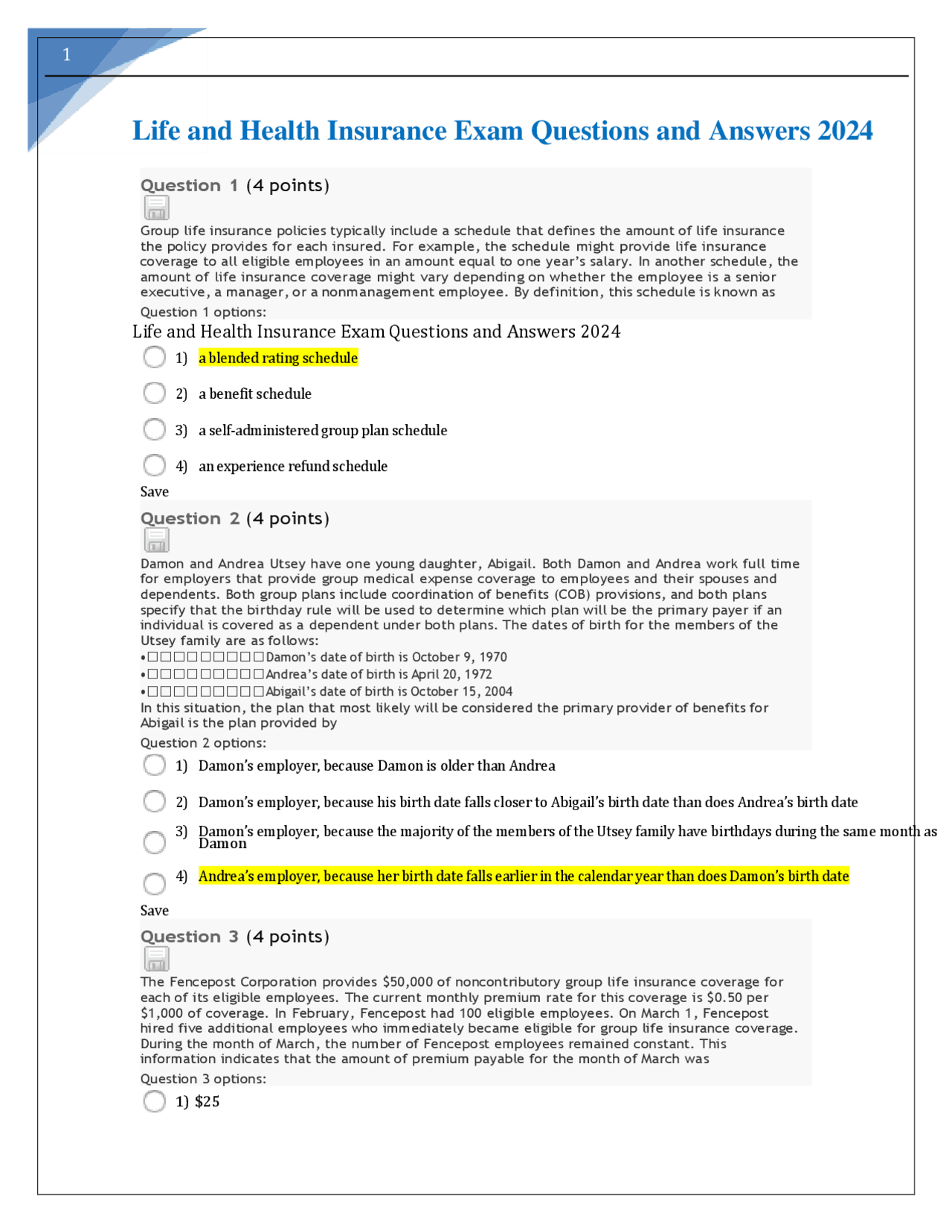
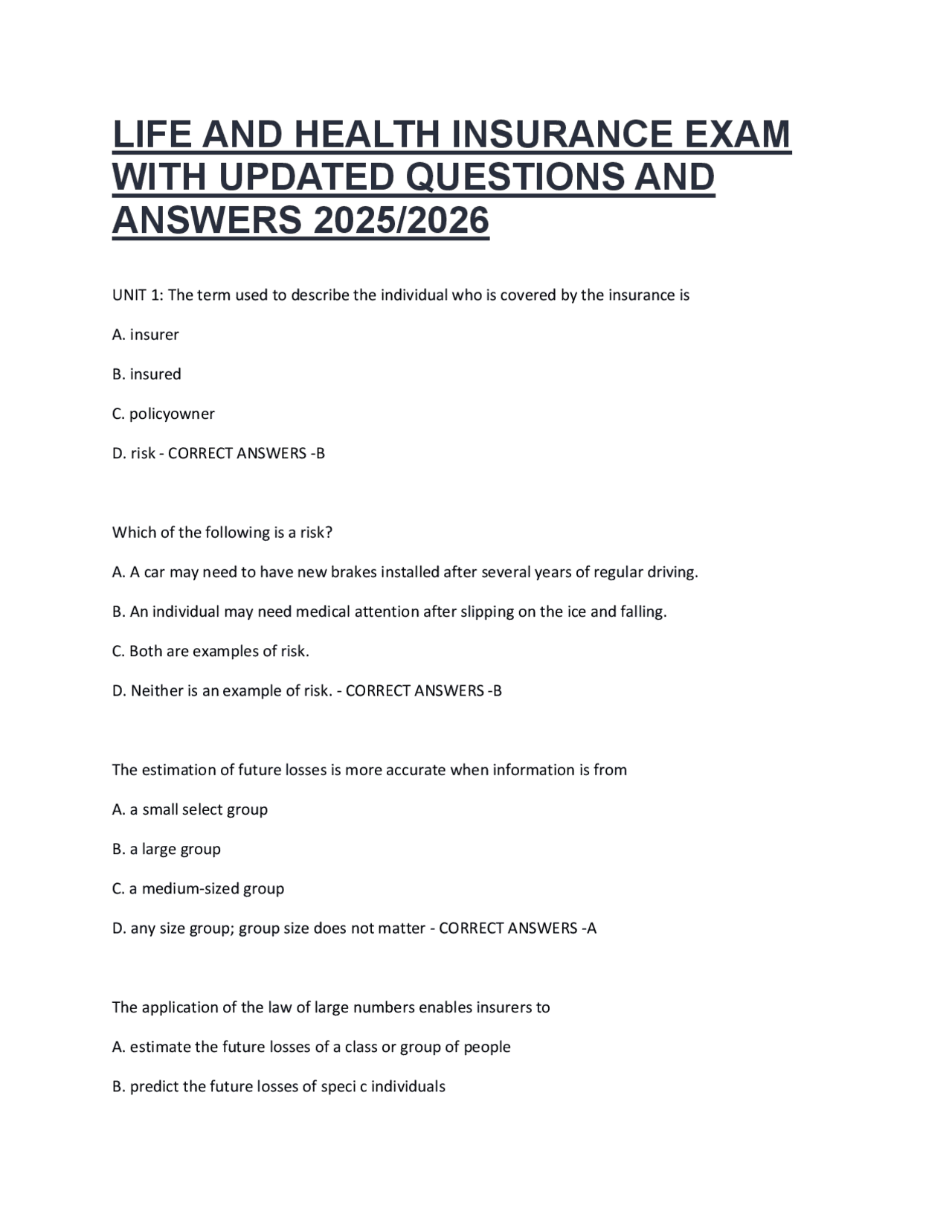
The official health and life insurance exams are notorious for their phrasing. Often, two answers may seem correct, but one is "more correct" based on the specific context of the law. Therefore, the quality of a school's practice exam simulator is perhaps the most important technical feature to assess.
A high-quality simulator should offer:
- Weighted Question Banks: The simulator should mirror the actual state exam content outline. For example, if the state exam allocates 15% of the questions to "Policy Provisions," the practice exams should do the same.
- Rationales and Explanations: When you get a question wrong, the school should provide a detailed explanation of why the correct answer is right and why the others are wrong. Simply citing a page number in a textbook is insufficient.
- State-Specific Focus: Life and health insurance laws regarding grace periods, look-back periods, and replacement rules vary by state. Ensure the simulator distinguishes between the "General" (National) portion of the exam and the "State-Specific" portion.
Comparing Top Pre-Licensing Education Providers
The following table compares the features of major insurance exam schools as of 2026 to help you differentiate between their offerings.
| Provider | Primary Strength | Format Options | Pass Guarantee | Best For |
|---|---|---|---|---|
| ExamFX | Adaptive technology | Video, Interactive, Live | Yes (Refund-based) | Tech-savvy learners |
| Kaplan Financial | Comprehensive curriculum | In-person, Live Online, Self-study | Varies by package | Those seeking deep theory |
| A.D. Banker | Customer support | Online, Live, Printed Books | Yes | Newcomers needing guidance |
| XCEL Solutions | High-speed prep | Fully Digital/Mobile | Yes | Rapid certification |
| WebCE | User interface | Mobile-friendly Online | No (usually) | Experienced pros adding lines |
Assessing Pass-Rate Guarantees and "Green Light" Indicators
Many schools advertise high pass rates, but these statistics can be difficult to verify independently. Instead of looking at broad marketing claims, assess the school's Pass Guarantee policy.
A legitimate guarantee usually requires the student to achieve a certain score (often 80% or higher) on a "Green Light" or "Readiness" exam provided by the school. If the student passes the school's readiness exam but fails the state exam, the school may offer a refund or free access until the student passes. If a school does not offer a readiness indicator, you are essentially flying blind into the state exam. These indicators are crucial because they serve as a benchmark for your actual exam performance.
Considering Instructor Support and Accessibility
Even with the best digital materials, insurance concepts like annuity taxation or Medicare Part D coordination of benefits can be confusing. When assessing a school, check their level of instructor support.
- Email Support: How long does it take for a content expert to reply? (Ideally under 24 hours).
- Office Hours: Does the school offer "drop-in" sessions where students can ask questions live?
- Content Updates: How often is the curriculum updated? In 2026, legislative changes to healthcare or tax law can happen annually. A school using a 2023 textbook is a major red flag.
Pricing and Hidden Costs
The cost of insurance exam schools can range from $150 to $500. When assessing the price, look for hidden costs that can inflate the budget. Some schools charge extra for:
- Physical textbooks and shipping.
- Access extensions (if you don't take the test within 30 or 60 days).
- Flashcards or supplementary "cheat sheets."
- Video access (some lower-tier packages include only text).
It is often more cost-effective to buy a mid-tier "Value Package" that includes video and practice simulators rather than buying a "Basic" package and adding features later.
Red Flags to Watch For
During your assessment, be wary of schools that exhibit these characteristics:
- Outdated User Interface: If the website looks like it hasn't been updated since 2015, the curriculum might be equally stagnant.
- Lack of State-Specific Materials: If the school offers one generic "Life and Health" course for all 50 states without distinct state-law modules, avoid it.
- Low Review Scores for Customer Service: Check independent platforms like Trustpilot or the Better Business Bureau. Focus on reviews that mention difficulty in getting certificates filed with the state.
- No Progress Tracking: You should always know exactly what percentage of the course you have completed and where your knowledge gaps lie.
Frequently Asked Questions
Is an online insurance school better than in-person classes?
Online schools are generally preferred in 2026 because they allow students to repeat difficult video segments and take an unlimited number of practice exams. In-person classes offer great networking and direct instructor access but lack the flexibility and the data-driven "readiness" tools found in digital platforms.
How long does it take to finish a life and health insurance exam school?
Most state-mandated pre-licensing requirements range from 20 to 40 hours per line of authority (Life or Health). A dedicated student can usually complete the required coursework and practice exams in 7 to 14 days of intensive study.
Can I use a school that is not approved in my state?
No. While the general insurance knowledge might be useful, you will not receive the "Certificate of Completion" required by the state to sit for the exam. Always verify the school's approval status on your state's Department of Insurance website before purchasing.
What happens if I fail the state exam after finishing the school?
If you chose a school with a pass guarantee, you may be eligible for a refund or a free course extension. Most schools will allow you to continue using their practice exam simulators and review modules until you successfully pass your state retake.
Do insurance exam schools provide the actual state exam?
No. Insurance schools provide the education required to take the exam. The official exam must be scheduled separately through a state-approved testing vendor like Pearson VUE or Prometric.
Final Recommendation
To ensure your success, begin by verifying that a school is explicitly approved by your state’s regulatory body. Once confirmed, prioritize schools that offer adaptive learning technology and a pass guarantee based on a readiness exam. For most candidates in 2026, a mid-tier online package from a reputable provider like Kaplan or ExamFX provides the best balance of comprehensive content and technical study aids. Before making a final purchase, download a sample chapter or watch a demo video to ensure the instructor's teaching style resonates with you.
Image Gallery