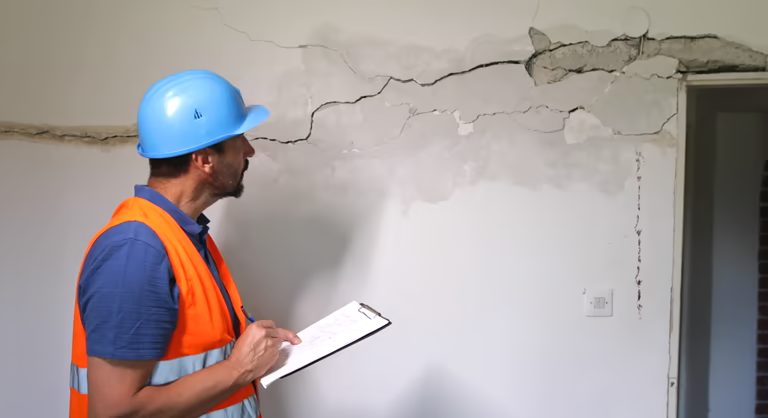
Understanding Why Mesquite Building Inspections Matter for Your Project
Mesquite building inspections are mandatory regulatory checkpoints designed to ensure that all construction work complies with the City of Mesquite’s adopted building codes. By verifying that structural, electrical, plumbing, and mecha...
Mesquite building inspections are mandatory regulatory checkpoints designed to ensure that all construction work complies with the City of Mesquite’s adopted building codes. By verifying that structural, electrical, plumbing, and mechanical systems meet established safety and performance standards, these inspections protect property owners from hazardous conditions, prevent costly structural failures, and ensure the legal compliance of your real estate investment.
Contents
The Regulatory Framework of Mesquite Building Inspections
When you initiate a construction project in Mesquite, Texas, you are entering into a regulatory agreement with the municipality. The City of Mesquite Building Inspection Division enforces the International Building Code (IBC), the International Residential Code (IRC), and various city-specific ordinances. These codes are not suggestions; they are legal minimums required for the protection of the public and the occupant.
The primary purpose of these inspections is to provide an independent, third-party verification that the work performed by contractors aligns with approved construction documents. Without these inspections, the city has no record that a project was completed safely. If you perform work without the required permits and inspections, you risk being ordered to uncover finished work—such as opening walls to expose electrical wiring or plumbing—at significant personal expense to prove that the installation meets code requirements.
Why Inspections Are Crucial for Property Value and Liability
Beyond the legal requirement, building inspections function as a form of "quality insurance." A project that has passed all required city inspections carries an official seal of approval that confirms the structure is built to current safety standards. This is a critical factor if you ever decide to sell your property.
Risk Mitigation for Owners
If you choose to bypass the inspection process, you assume the entirety of the risk associated with construction defects. Should a fire occur due to faulty wiring that was never inspected, or if a structural failure occurs because of improper framing, your insurance carrier may deny claims. Most homeowner and commercial property insurance policies contain clauses requiring that any building additions or major repairs be performed according to local building codes. An unpermitted and uninspected modification can effectively void your coverage for that specific area of the property.
Impact on Resale and Financing
When you sell a home or commercial building in Mesquite, the buyer’s inspector or the mortgage lender’s appraiser will check for evidence of permitted work. If you have added a room, remodeled a kitchen, or upgraded an electrical panel without a permit, the title company or the buyer may demand that the work be retroactively inspected and brought up to current code. If the work cannot be brought up to code, you may be required to pay for expensive repairs or be forced to dismantle the non-compliant work entirely to close the sale.
The Sequence of the Inspection Process
The inspection process is designed to be sequential, mirroring the progression of construction. Failing to request an inspection at the right time—or closing walls before an inspector has signed off on the "rough-in"—is one of the most common mistakes owners make.
1. The Permit Phase
Before any physical work begins, you must obtain a permit from the Mesquite Building Inspection Division. This involves submitting plans that detail the scope of the project. The city reviews these plans to ensure they meet local ordinances, zoning laws, and safety regulations.
2. Rough-In Inspections
Rough-in inspections occur after the structural elements, electrical wiring, plumbing pipes, and HVAC ductwork are installed but before the interior finishes (such as drywall or insulation) are applied. This is the most critical stage of the inspection process. Because the components are visible, the inspector can verify that the workmanship is compliant.
3. Final Inspection
The final inspection occurs when the project is substantially complete, all fixtures are installed, and the site is ready for occupancy. The inspector verifies that all life-safety features, such as smoke detectors, egress windows, and electrical outlet spacing, meet current codes. Only after this inspection is a Certificate of Occupancy or a final sign-off issued.
Inspection Comparison Table: What the Inspector Looks For
| Inspection Stage | Primary Focus Areas | Why It Matters |
|---|---|---|
| Foundation/Footing | Soil integrity, rebar placement, concrete depth | Prevents structural settling and foundation failure. |
| Plumbing Rough-In | Pipe material, venting, slope, pressure testing | Prevents leaks, sewer gas intrusion, and water damage. |
| Electrical Rough-In | Wiring gauges, grounding, junction box access | Prevents electrical fires and shock hazards. |
| Framing | Structural integrity, load-bearing points, fire blocking | Ensures the building can support its own weight and survive fires. |
| Final Inspection | Safety devices, finish quality, site drainage | Confirms the space is safe for long-term habitation. |
Common Pitfalls and How to Avoid Them
The most frequent issue encountered in Mesquite projects is the "hidden violation." Owners often believe that if a contractor is licensed, the contractor handles the inspections. While a reputable contractor will manage the permit and inspection process, the legal responsibility for the permit and the property ultimately rests with the property owner.
Maintaining Documentation
Keep a project file that includes a copy of the permit, the approved plans, and the physical inspection report cards. When an inspector visits your site, they will leave a report indicating "Approved" or "Rejected." If a portion of your project is rejected, the inspector will provide a list of specific code violations that must be corrected. Do not move forward with construction until the corrections have been made and the inspector has returned for a re-inspection.
The Cost of Non-Compliance
Attempting to skip the inspection process to save time or money is a false economy. The City of Mesquite may issue "Stop Work" orders if they discover unpermitted construction. These orders halt all progress, and you will be required to pay for the original permit, potentially pay investigation fees, and perform whatever work is necessary to bring the structure to code.
Engaging with the Mesquite Building Inspection Division
In 2026, the City of Mesquite continues to utilize digital tools to streamline permit applications and inspection scheduling. Accessing the official city portal allows you to track the status of your permit in real-time. If you are unsure whether your project requires a permit, it is always safer to contact the department directly or consult the official City of Mesquite Building Inspection website.
Professional Advice Limitation
This information is intended to provide a foundational understanding of the importance of building inspections in Mesquite. It does not replace the necessity of consulting with a licensed architect, structural engineer, or contractor regarding the specific requirements of your project. Every building, site condition, and project scope is unique; therefore, always seek verification from the municipal authorities before proceeding with any construction activity.
Frequently Asked Questions
What happens if my project fails an inspection? If your project fails an inspection, the inspector will provide a notice outlining exactly which codes were not met. You must address these specific items. Once the issues are corrected, you schedule a re-inspection. You should not proceed with covering the work until you have passed the re-inspection.
Can I do the work myself without a permit? Most minor repairs, such as painting or replacing a light fixture, do not require a permit. However, any work involving structural changes, new electrical circuits, or plumbing modifications typically requires a permit. Check the current City of Mesquite guidelines to confirm if your specific project is exempt.
How do I schedule an inspection in Mesquite? You can typically schedule inspections via the city’s online permitting portal or by calling the Building Inspection Division. Have your permit number ready, as this is required to request the inspection. It is standard practice to request the inspection at least 24 to 48 hours in advance.
Why does the city require inspections for small renovations? Even small renovations can affect the structural integrity or fire safety of a building. For example, moving a wall might inadvertently block a fire exit or remove a necessary structural support. Inspections ensure that even small projects do not inadvertently compromise the safety of the entire building.
Do I need a separate permit for every trade? Often, a single building permit covers the general scope of a project, but separate sub-permits may be required for electrical, mechanical, or plumbing work depending on the scope. Your contractor should coordinate this, but ensure that all necessary permits are pulled before any work begins.
Recommended Next Steps
Before you start any construction, identify the specific code requirements for your project type by visiting the City of Mesquite’s municipal planning office or their official website. If you are hiring a contractor, confirm that they have a history of pulling permits in Mesquite and that they are willing to document the inspection process as part of their contract.
Image Gallery