Eastern Waste Systems in Sustainable Travel: Infrastructure and Operational Integration
Eastern waste systems, specifically those integrated into high-density tourism corridors across East and Southeast Asia, serve as a critical nexus for sustainable travel. These systems refer to the combination of circular economy logis...
Eastern waste systems, specifically those integrated into high-density tourism corridors across East and Southeast Asia, serve as a critical nexus for sustainable travel. These systems refer to the combination of circular economy logistics, automated sorting infrastructure, and decentralized waste-to-energy facilities designed to manage the acute refuse burden inherent in tourism-heavy regions. As travel volumes stabilize in 2026, the efficacy of these waste management frameworks directly dictates the environmental footprint of global tourism destinations, influencing local biodiversity, water quality, and the overall carbon accounting of the travel sector.
Contents
Managing the waste generated by international and domestic transit requires a departure from traditional "collect and landfill" models toward closed-loop circular systems. For the traveler and the tourism operator, this entails understanding how local sanitation infrastructure functions, what the specific requirements for waste segregation are at regional nodes, and how these systems impact the logistical viability of sustainable tourism initiatives. By adopting advanced material recovery technologies and prioritizing upstream waste reduction, these systems transform tourism from a contributor to ecological degradation into a driver of regional infrastructure modernization.
The Role of Infrastructure in Sustainable Tourism
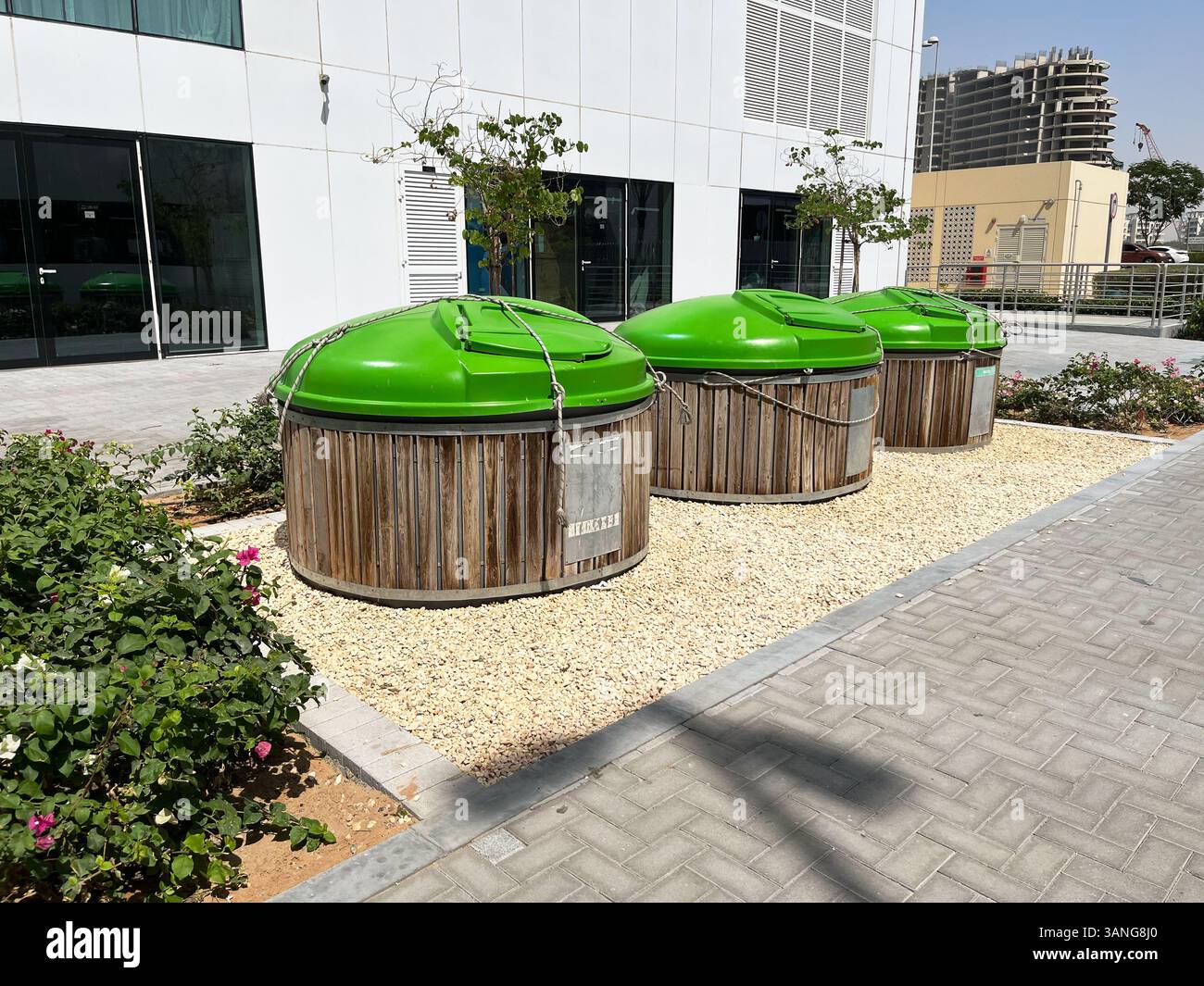
Sustainable travel is fundamentally constrained by the environmental capacity of the host destination. In many Eastern urban centers and island tourist hubs, the volume of waste generated by transient populations often exceeds the processing capacity of local municipal systems. "Eastern waste systems" in this context refers to the technological deployment of IoT-enabled waste tracking, pneumatic collection systems, and high-efficiency incineration plants designed to handle the specific composition of hospitality-related refuse.
Circular Economy Logistics
The shift toward circularity in travel involves moving beyond simple recycling. It requires the integration of hospitality waste streams into regional industrial supply chains. For example, food waste from luxury resorts is increasingly being processed through decentralized anaerobic digestion plants, turning organic refuse into biogas or high-grade agricultural fertilizer for local community projects. This integration ensures that the "traveler impact" is internalized and neutralized within the destination’s own resource loop, rather than being exported to external landfills.
Technological Advancements in Waste Processing
In 2026, many Eastern metropolitan transit hubs utilize AI-driven robotic sorting facilities. These systems are essential for managing the high variability of waste found in international terminals, where single-use plastics, electronic waste, and food scraps are commingled. By automating the extraction of high-value recyclables, these facilities reduce the contamination of waste streams, making the secondary market for materials more viable.
Operational Requirements for Tourism Operators
For tourism service providers—including hotel chains, tour operators, and cruise lines—aligning with Eastern waste systems is no longer a voluntary CSR (Corporate Social Responsibility) initiative but a regulatory requirement in many jurisdictions. Compliance requires a rigorous approach to waste auditing and upstream purchasing decisions.
- Waste Characterization Audits: Before deploying a strategy, operators must conduct a physical audit of their waste stream to identify volume, source, and material type.
- Infrastructure Compatibility: Operators must verify whether the local waste authority accepts specific plastics or requires pre-treatment of hazardous materials.
- Procurement Policy Alignment: Implementing a "zero-waste" procurement policy effectively reduces the operational burden on downstream waste systems. This includes transitioning to compostable service ware that is compatible with regional anaerobic digesters.
Cost Considerations and Financial Viability
Implementing sustainable waste systems involves significant capital expenditure, yet it provides long-term operational cost stability. The following table outlines the comparative costs and benefits of common waste management configurations found in the region.
| System Type | Capital Expense | Operational Impact | Scalability | Sustainability ROI |
|---|---|---|---|---|
| Manual Segregation | Low | High Labor/Low Tech | Low | Minimal |
| Pneumatic Collection | Very High | Low Labor/High Efficiency | Medium | High |
| On-Site Digesters | Moderate | Moderate Labor/Revenue Gen | High | Very High |
| Regional Waste-to-Energy | High | Low Operational Burden | High | Medium |
Addressing the Challenges of Transient Waste
The primary challenge in managing waste in tourism-dependent areas is the volatility of demand. Peak tourism seasons generate volume spikes that can overwhelm standard municipal systems. To mitigate this, successful sustainable travel models employ dynamic waste management—where processing assets are ramped up or down based on tourist arrival data.
Verification of Sustainability Claims
Travelers and stakeholders must be wary of "greenwashing" regarding waste management. Authentic sustainability is evidenced by:
- Third-Party Audits: Verification of waste diversion rates from certified independent auditors.
- Transparent Reporting: Public access to annual data on waste volumes and disposal methods.
- Traceability: Documentation showing the final destination of materials, particularly plastics and e-waste, to ensure they are not simply exported to unregulated informal dumping sites.
Common Mistakes in Sustainable Waste Integration
The most frequent error observed in the sector is the failure to account for local cultural context. A waste management strategy that works in a densely populated urban center like Tokyo may be entirely unsuitable for a coastal resort environment in Southeast Asia.
Another frequent mistake is the over-reliance on consumer education. While educating travelers on how to recycle is beneficial, it is rarely sufficient to solve systemic waste issues. The most resilient systems are those designed with "passive sustainability"—where the infrastructure makes the correct disposal choice the path of least resistance for the user.
Frequently Asked Questions
What constitutes a "sustainable" waste system in travel?
A sustainable waste system is one that prioritizes the recovery of materials and the conversion of organic waste into energy or compost, aiming for a net-zero impact on the local environment. It functions as a closed loop where the destination treats its own waste locally.
How can travelers verify the waste management practices of their hotel?
Travelers should look for certifications such as the Global Sustainable Tourism Council (GSTC) recognized labels. Additionally, asking a hotel's management for their "waste diversion rate" or "procurement policy regarding single-use plastics" provides immediate insight into their maturity in this area.
Are waste-to-energy plants considered truly sustainable?
In the context of high-density tourism, waste-to-energy is often considered a transition technology. While it is superior to landfilling in terms of volume reduction and methane emission prevention, it is lower in the hierarchy than prevention, reuse, and recycling.
What is the most effective way for a small tourism business to participate?
Small businesses should focus on "source reduction"—refusing to purchase single-use items in the first place. When waste is unavoidable, partnering with local community-led collection initiatives often yields better environmental outcomes than relying on fragmented municipal services.
Why do Eastern waste systems emphasize automated sorting?
Automation is utilized to overcome the high cost of manual labor and the difficulty of accurately training transient users to sort waste correctly. Automated systems ensure consistent purity levels in recyclable material, which is necessary for it to be accepted by industrial processors.
Next Actions for Stakeholders
If you are an operator or developer in the travel space, your next step should be a formal site survey of your current waste infrastructure against the prevailing standards in your specific jurisdiction. Engage with local environmental bureaus to understand the available "waste-to-resource" incentives that may be available in 2026. For travelers, choose operators who explicitly outline their waste management protocols in their annual sustainability reports, as these are the entities most likely to have moved beyond performative measures toward robust, verified systems.
Image Gallery