The Sea-Tac Hijacking Case: Analyzing the Horizon Air Incident and Its Lasting Aftermath
The 2018 Sea-Tac hijacking case involved the unauthorized takeoff of a Horizon Air Bombardier Q400 by ground service agent Richard Russell. This unprecedented "insider threat" incident forced a global re-evaluation of airport security...
The 2018 Sea-Tac hijacking case involved the unauthorized takeoff of a Horizon Air Bombardier Q400 by ground service agent Richard Russell. This unprecedented "insider threat" incident forced a global re-evaluation of airport security protocols, mental health support for aviation workers, and the technical safeguards preventing unauthorized aircraft operation by non-flight personnel.
Contents
Chronology of the August 10 Incident
On the evening of August 10, 2018, Richard Russell, a 29-year-old ground service agent for Horizon Air (a subsidiary of Alaska Air Group), utilized a tow tractor to rotate a Bombardier Dash 8 Q400 aircraft 180 degrees at Seattle-Tacoma International Airport (Sea-Tac). At approximately 7:32 PM local time, Russell entered the cockpit, started the engines, and took off without clearance from Runway 16C.
For the next 75 minutes, Russell performed a series of complex aerial maneuvers, including a dangerous barrel roll over Puget Sound, while engaged in a haunting and candid dialogue with Air Traffic Control (ATC). Despite the rapid scramble of two F-15C Eagle fighter jets from the 142nd Fighter Wing in Portland, Oregon, the incident ended tragically when Russell intentionally crashed the aircraft on Ketron Island, a sparsely populated landmass in Pierce County. Russell was the sole occupant and the only fatality.
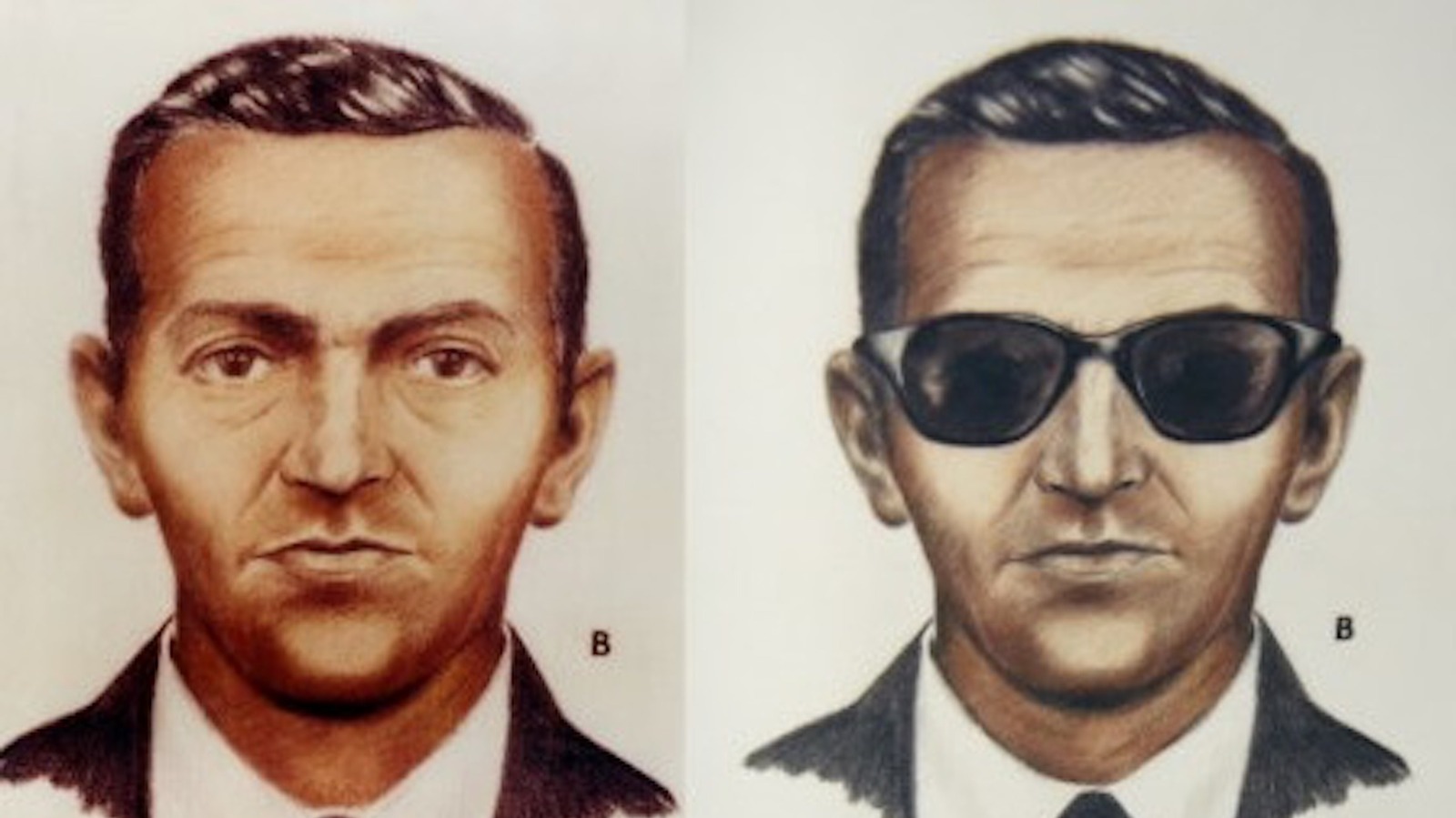
The sequence of events challenged the traditional definition of a "hijacking." Unlike the 1971 D.B. Cooper case—the other famous "Sea-Tac hijacking" occurring mid-flight—the 2018 incident was an internal breach. It demonstrated that the primary threat to aviation security could originate from an employee with legitimate access to the airfield and the aircraft.
The Technical Breakdown: How a Ground Agent Stole a Q400
One of the most persistent questions in the aftermath of the case was how an individual without a pilot’s license could successfully start, taxi, and fly a sophisticated twin-engine turboprop. The Bombardier Q400 does not use a traditional ignition key; instead, it relies on a series of switches and levers that follow a specific sequence.
Aircraft Startup and Systems
Russell’s ability to operate the aircraft was attributed to his familiarity with the airfield and his use of flight simulation software. During his dialogue with ATC, he mentioned he had "played some video games" and knew what he was doing "to a certain extent." The Q400’s engines are started via the overhead panel, requiring the activation of the battery, fuel pumps, and the ignition sequence for each Pratt & Whitney PW150A engine. Because ground crew members are often present during engine tests or "run-ups," Russell had observed the operational environment for over three years.
Airport Security Identification Display Area (SIDA)
As a credentialed ground service agent, Russell possessed a SIDA badge. This credential allowed him unescorted access to the Airfield Operations Area (AOA). The investigation revealed that he did not bypass security in the traditional sense; rather, he exploited the trust inherent in his role. At the time, there was no requirement for a "two-person rule" for entering an empty aircraft parked at a maintenance or remote ramp, a gap that has since been scrutinized by the Transportation Security Administration (TSA).
The ATC Transcripts: A Dialogue of Despair and Defiance
The recordings between Russell (referred to by the call sign "Rich") and Sea-Tac ATC remain one of the most studied aspects of the case. The dialogue was notably devoid of political or terrorist motives. Instead, it revealed a man experiencing a profound mental health crisis while simultaneously marvelling at the beauty of the flight.
- Self-Awareness: Russell expressed concern about the fuel levels and his lack of a landing plan, stating, "I wasn't really planning on landing it."
- The "Sky King" Monologue: He apologized to his loved ones, saying he was just a "broken guy" with "a few screws loose."
- Technical Assistance: Paradoxically, Russell asked ATC for help in finding "the coordinates for that orca that was carrying her baby," referring to a then-current news story about a grieving killer whale in the Salish Sea.
These transcripts shifted the public perception of the event from an act of "air piracy" to a public suicide. However, from a regulatory standpoint, the intent did not change the severity of the security breach.
The FBI Investigation and Final Findings
The FBI Seattle Field Office, in coordination with the National Transportation Safety Board (NTSB) and the Federal Aviation Administration (FAA), conducted a comprehensive investigation that concluded in April 2019. The findings were definitive regarding Russell’s motives and actions.
Forensic Analysis of the Crash
The NTSB determined the cause of the crash to be suicide. The flight data recorder (FDR) indicated that the descent into Ketron Island was intentional. The aircraft hit the trees at a high rate of speed and a steep angle, resulting in a massive fire. No mechanical malfunctions were found that would have contributed to the crash; the aircraft was fully functional until the point of impact.
Background and Vetting
The FBI's background check on Russell revealed no prior criminal history or links to extremist groups. He had passed all required TSA and company screenings. His coworkers described him as a friendly, helpful employee, which underscored the "insider threat" dilemma: how to identify a threat when there are no outward "red flags" in a person’s professional or criminal record.
Regulatory Aftermath: Changing the Face of Aviation Security
The most significant impact of the Sea-Tac hijacking case was the immediate and long-term shift in aviation security policy. The case proved that a single individual with ground access could weaponize a commercial aircraft without ever passing through a passenger checkpoint.
| Security Category | Pre-2018 Standard | Post-Incident Implementation (As of 2026) |
|---|---|---|
| Ground Crew Vetting | Recurrent background checks every 2–5 years. | Continuous vetting using the Rap Back service for real-time criminal alerts. |
| Aircraft Access | Single-person access often permitted for cleaning/towing. | Enhanced "Two-Person" requirements for specific maintenance activities. |
| Biometric Integration | Physical SIDA badges with PINs. | Multi-factor authentication and biometric airfield access points. |
| Monitoring | CCTV focused on perimeter and terminals. | AI-driven behavioral analytics and internal cockpit/ramp monitoring. |
The TSA Insider Threat Roadmap
In response to the incident, the TSA released the "Insider Threat Roadmap." This strategic document emphasized the need for a "culture of vigilance" among airport employees. It moved away from purely physical barriers and toward behavioral detection. By 2026, many major U.S. airports, including Sea-Tac, have implemented "Employee Screening" programs where staff are subjected to randomized physical searches and metal detection, similar to the protocols for passengers.
FAA Mental Health Reforms
The case was a catalyst for the FAA to address the stigma surrounding mental health in aviation. While most attention historically focused on pilots, the Russell case highlighted that ground staff also hold high-responsibility roles. The aftermath saw the expansion of Peer Support Programs (PSP) and the modernization of the FAA’s medical certification process to encourage employees to seek help without the immediate fear of losing their credentials.
Mental Health in the Aviation Industry
The Sea-Tac hijacking sparked an international conversation about the pressures faced by low-to-mid-wage aviation workers. Ground service agents often work in high-stress, physically demanding environments with irregular hours.
The "Sky King" Phenomenon
Following the crash, an online subculture emerged that romanticized Russell as "Sky King," a tragic hero who "broke free" from the mundane. Mental health professionals and aviation experts have criticized this narrative, noting that it obscures the extreme danger Russell posed to the public. If the aircraft had crashed into a populated area of Tacoma or Seattle instead of an island, the casualty count could have been catastrophic.
Peer Support and Reporting
Since the incident, airlines have introduced more robust Employee Assistance Programs (EAPs). These programs are designed to provide anonymous counseling. Furthermore, many carriers have adopted "Just Culture" principles, which allow employees to report security lapses or personal struggles without facing punitive measures, provided there was no criminal intent.
Frequently Asked Questions
Could another ground agent steal a plane today?
While it remains theoretically possible, the layers of security have increased significantly since 2018. New protocols require stricter monitoring of aircraft movements on the ground, and many modern flight decks are being fitted with additional secondary barriers. As of 2026, the integration of real-time GPS tracking for all ground equipment (tugs) and aircraft makes an unauthorized takeoff much easier to detect and intercept before the aircraft leaves the runway.
Were the F-15s authorized to shoot down the Q400?
Yes. The North American Aerospace Defense Command (NORAD) monitored the flight continuously. While the primary goal was to steer the aircraft away from populated areas, the pilots were authorized to use force if the aircraft posed a direct threat to high-value targets or residential centers. The pilots successfully utilized non-kinetic maneuvers to direct the aircraft toward the water.
Why didn't the engines have a lock or key?
Commercial aircraft are designed for rapid emergency evacuations and operational efficiency. Introducing a physical key system could create safety risks during an emergency where a pilot needs to start an engine immediately. Instead, the industry has focused on "access control" to the cockpit and the airfield rather than "locking" the ignition.
Did the family of Richard Russell file any lawsuits?
The family has largely remained private since the incident, focusing on mental health advocacy rather than litigation. Horizon Air and Alaska Airlines focused their efforts on collaborating with the NTSB and FAA to ensure such a breach never happens again, rather than engaging in public legal battles over the incident.
How did the incident change Sea-Tac Airport specifically?
Seattle-Tacoma International Airport (SEA) served as a testing ground for many of the TSA’s new security initiatives. This included the installation of more comprehensive perimeter sensors and the implementation of a centralized "Security Operations Center" that monitors ground crew movements using advanced radar and video analytics.
Final Recommendations for Aviation Professionals
The legacy of the Sea-Tac hijacking is a reminder that aviation safety is not solely about preventing external attacks; it is about supporting the people within the system. To maintain a secure environment in the current 2026 landscape, airport operators and airline management should:
- Prioritize Behavioral Vetting: Move beyond static background checks and implement robust peer-reporting systems that identify behavioral changes before they escalate into a crisis.
- Invest in Ground Crew Education: Ensure that all airfield personnel understand the security implications of their access and the "Insider Threat" indicators.
- Expand Mental Health Access: Destigmatize mental health services for ground staff and ensure that counseling is financially and culturally accessible to all employees, regardless of their rank or salary.
- Audit Technical Access: Regularly review the "Two-Person" rule compliance and ensure that cockpit access remains restricted to necessary personnel during maintenance and towing cycles.
Image Gallery