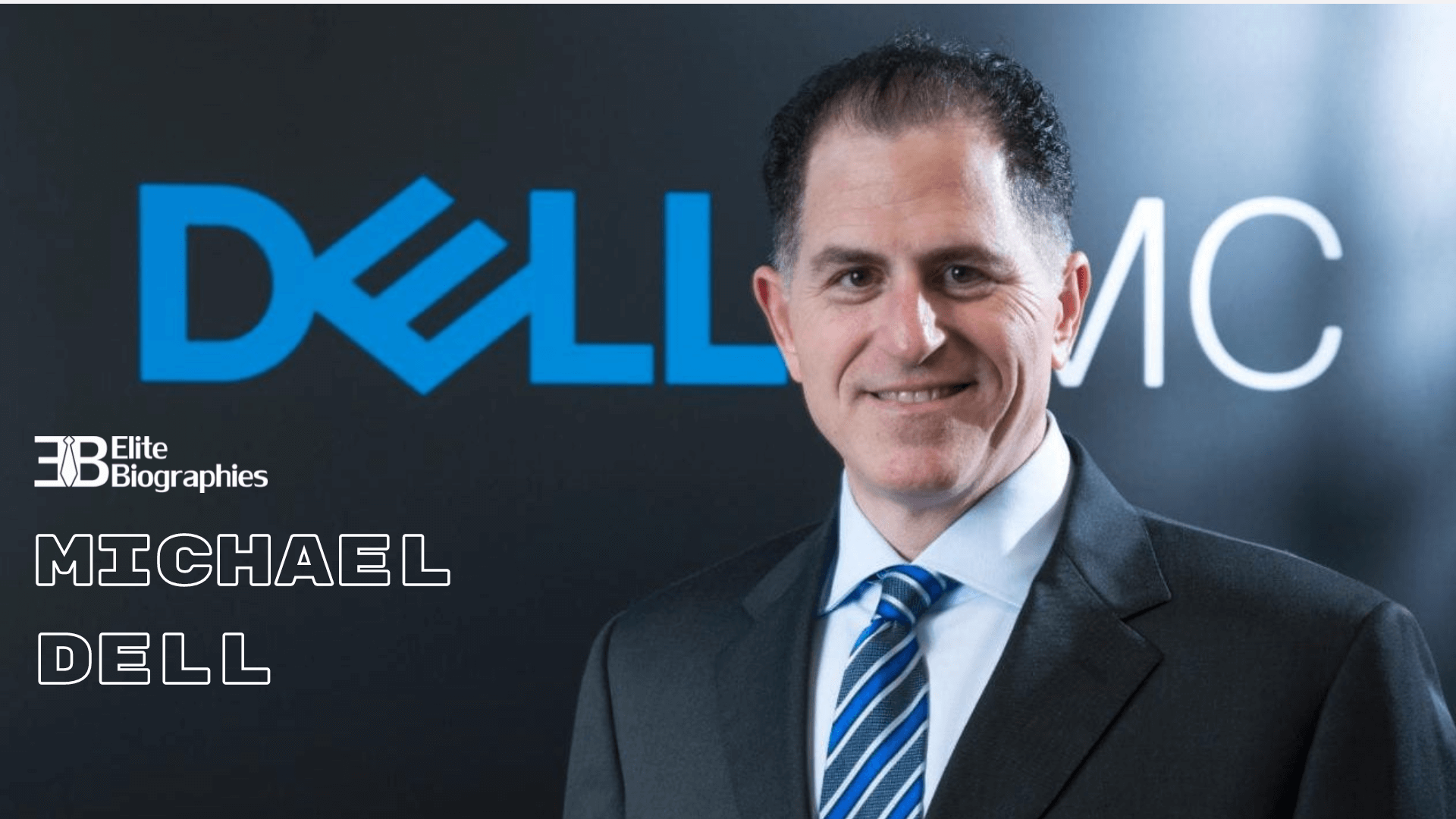
Michael Dell Investments Overview: Strategies and Portfolio Diversification
Michael Dell, the founder and CEO of Dell Technologies, manages a sophisticated investment portfolio primarily through his private investment firm, MSD Capital, and the broader MSD Partners organization. Rather than relying solely on t...
Michael Dell, the founder and CEO of Dell Technologies, manages a sophisticated investment portfolio primarily through his private investment firm, MSD Capital, and the broader MSD Partners organization. Rather than relying solely on the fluctuations of his primary technology holdings, Dell has utilized a diversified multi-asset strategy to preserve capital, pursue private equity opportunities, and engage in real estate development, creating an ecosystem that extends far beyond the personal computer market.
Contents
The Role of MSD Capital and MSD Partners
The foundational vehicle for Michael Dell’s investment activity is MSD Capital, founded in 1998 by Glenn Fuhrman, John Phelan, and Robert Platek specifically to manage the assets of Michael Dell and his family. For over two decades, this firm has operated as a family office, concentrating on long-term value creation rather than the quarterly pressures common in public markets.
In 2009, the principals launched MSD Partners to manage capital for outside investors, including institutional entities and high-net-worth individuals, alongside the Dell family assets. This structure allows the investment team to leverage scale when executing large-scale transactions. By 2023, MSD Partners entered into a strategic combination with BDT & Company, led by Byron Trott, forming BDT & MSD Partners. This merger significantly expanded the reach of Dell’s investment influence, combining a merchant banking approach with the deep operational expertise of a seasoned family office.
Core Investment Pillars
The investment strategy spearheaded by the Dell team is characterized by a "patient capital" approach. This philosophy prioritizes the stability of the family office while seeking alpha through specific, concentrated bets.
1. Private Equity and Growth Capital
The firm focuses heavily on high-quality businesses with strong free cash flow and durable competitive advantages. Unlike venture capital firms that may gamble on early-stage disruptions, the Dell-backed strategy often targets mature, middle-market companies. The goal is to provide capital to management teams that need operational guidance or the stability that a long-term partner can offer, rather than a forced exit via an IPO or secondary sale.
2. Real Estate Investments
Real estate represents a significant portion of the portfolio. The investment team targets a diverse range of asset classes, including hospitality, multi-family residential, and office space. The strategy here often involves the acquisition of high-quality assets in primary markets, with a focus on long-term appreciation rather than short-term flips. This sector serves as a hedge against the volatility often found in the technology and public equity markets.
3. Public Securities
While the primary headlines often focus on large private deals, a significant component of the portfolio is allocated to liquid public markets. This includes strategic stakes in various sectors, managed with a focus on value investing. The public portfolio acts as a liquidity pool that balances the illiquidity of the private equity and real estate holdings.
Strategic Asset Allocation Framework
The following table outlines the general strategic focus areas of the investment entities associated with the Dell family.
| Asset Class | Primary Strategy | Investment Horizon |
|---|---|---|
| Private Equity | Direct control or significant influence in mature companies | Long-term (5-10+ years) |
| Real Estate | Asset acquisition and development in high-growth zones | Perpetual/Multi-generational |
| Credit | Providing direct lending and structured finance solutions | Medium-term |
| Public Equities | Value-oriented investments in diversified sectors | Variable |
Direct Investment vs. Passive Holding
A critical distinction in the Michael Dell investment model is the move away from passive indexing. Michael Dell’s wealth management is characterized by active ownership. When the firm takes a position, it is rarely a small percentage of a company. Instead, they seek board representation, operational input, or the ability to facilitate mergers and acquisitions.
This active participation mirrors Dell’s own career in the technology sector, where he successfully privatized Dell Technologies in 2013, only to bring it back to the public markets years later in a complex tracking-stock transaction. This history of financial engineering informs the investment philosophy of his private offices: if a company’s structure is hindering its growth, the investment strategy should include the potential to re-engineer that structure.
Risk Management and Liquidity Strategy
For an investor with a net worth tied heavily to a single, volatile industry—the semiconductor and hardware sector—diversification is a prerequisite for long-term wealth preservation. The MSD organization employs a rigorous risk management framework to ensure that the family’s capital is protected from cyclical downturns in the tech industry.
- Sector Decoupling: By aggressively investing in sectors that do not share the same economic drivers as IT hardware (such as commercial real estate or consumer services), the portfolio reduces its sensitivity to tech-cycle recessions.
- Operational Oversight: The firm avoids "blind" investments. By conducting deep due diligence and maintaining a bench of operational experts, the investment team mitigates the risk of management failure in portfolio companies.
- Structured Liquidity: The allocation to public securities and credit facilities ensures that the firm remains agile. In environments characterized by high interest rates or market stress, the ability to deploy capital quickly—or to avoid forced asset liquidations—is a primary competitive advantage.
Comparison to Other Billionaire Family Offices
Michael Dell’s investment approach is often compared to those of other prominent tech-founder family offices, such as those of Bill Gates (Cascade Investment) or Jeff Bezos (Bezos Expeditions). While Cascade is known for its massive exposure to traditional blue-chip stocks and rail transport, and Bezos Expeditions focuses heavily on venture-style disruptive technology, Dell’s strategy remains uniquely focused on the "merchant banking" model.
The differentiator is the emphasis on the company lifecycle. The MSD approach is highly specialized in "the middle"—companies that have already established product-market fit and operational success but require the strategic capital to scale or navigate a transition.
Common Questions Regarding Dell's Investment Activities
How does an individual investor access the same opportunities as the MSD portfolio? Direct participation in private deals managed by MSD Partners is generally restricted to institutional investors or "qualified purchasers" as defined by U.S. securities laws. Retail investors typically cannot invest alongside the Dell family office directly.
Is Michael Dell’s wealth primarily in Dell Technologies stock? While a significant portion of his net worth is tied to his stake in Dell Technologies, his diversified investment strategy ensures that a substantial percentage of his assets are held in real estate, private equity, and other non-tech securities, decoupling his total net worth from the daily volatility of a single ticker symbol.
How does the BDT & MSD Partners merger affect current investments? The 2023 combination effectively merged the merchant banking capabilities of BDT with the private equity and real estate expertise of MSD. This created a larger platform with a broader mandate, allowing for larger deal sizes and a more robust pipeline of investment opportunities globally.
What is the "merchant banking" model mentioned in reports? Merchant banking involves providing both capital and advisory/operational support to companies. It is a hybrid of investment banking and private equity, where the firm is not just an investor, but a partner involved in the growth strategy of the enterprise.
Are these investments focused on environmental or social impact? While financial return is the primary driver, the firm evaluates the sustainability and governance standards of potential investments. As of 2026, many of the firm’s larger institutional mandates incorporate ESG (Environmental, Social, and Governance) reporting requirements, though the core strategy remains rooted in value creation.
Next Steps for Investors
If you are analyzing the investment strategy of Michael Dell to refine your own approach, focus on the principle of asymmetric diversification. Start by ensuring your public market holdings are not overly correlated with your primary source of income. If your income is derived from technology, look for opportunities in stable, income-generating assets like real estate or high-quality private credit.
The most practical lesson from the MSD Capital model is the value of a long-term investment horizon. By resisting the urge to follow short-term market trends and instead focusing on companies with solid fundamentals, you can build a portfolio that serves as a hedge against the inevitable shifts in the broader economy. Always consult with a registered financial advisor or legal professional before restructuring large personal assets, as the tax and regulatory implications of private investment vehicles are significant.
Image Gallery