Comprehensive Guide to Nursing Schools in Chicago: 2026 Programs and Career Pathways
Chicago serves as a premier national hub for nursing education, offering a diverse array of programs ranging from associate degrees at community colleges to doctoral research at world-class universities. With clinical placements availa...
Chicago serves as a premier national hub for nursing education, offering a diverse array of programs ranging from associate degrees at community colleges to doctoral research at world-class universities. With clinical placements available at prestigious institutions like Northwestern Memorial and Rush University Medical Center, students in 2026 benefit from an ecosystem that prioritizes high-acuity training and diverse patient populations.
Contents
The Landscape of Nursing Education in Chicago
The demand for highly skilled nursing professionals in Illinois remains critical in 2026. Chicago’s educational landscape has adapted to this need by expanding both traditional and non-traditional pathways. Aspiring nurses can choose from several distinct types of institutions: large public research universities, private Jesuit or religious-affiliated colleges, for-profit specialized healthcare schools, and the City Colleges of Chicago system.
Each of these institutions is regulated by the Illinois Department of Financial and Professional Regulation (IDFPR) and must meet the standards set by the Illinois Board of Nursing. For students, the choice often hinges on their current educational level—whether they are entering as a freshman, transferring from another field, or seeking advanced practice roles like Nurse Practitioner (NP) or Clinical Nurse Specialist (CNS).
The 2026 academic environment emphasizes the Next Generation NCLEX (NGN) standards, which focus heavily on clinical judgment. Consequently, Chicago schools have invested significantly in high-fidelity simulation labs that mimic the high-pressure environments of the city's Level 1 trauma centers.
Top-Tier Public Institutions: University of Illinois Chicago (UIC)
The University of Illinois Chicago (UIC) College of Nursing consistently ranks as one of the top nursing schools in the United States. As a public land-grant institution, it offers a broad range of programs, including the traditional Bachelor of Science in Nursing (BSN), an RN-to-BSN pathway, and extensive graduate options.
UIC is particularly noted for its research output and its status as a World Health Organization (WHO) Collaborating Centre. For students, this means the curriculum is deeply rooted in evidence-based practice and global health perspectives. The school operates multiple campuses, but the Chicago West Side campus is the flagship, located in the heart of the Illinois Medical District. This location provides students with unparalleled access to clinical rotations at the UI Health hospital system, the Jesse Brown VA Medical Center, and Stroger Hospital.
In 2026, UIC continues to lead in the integration of social determinants of health into the nursing curriculum. Students are trained not just in clinical skills, but in understanding how urban environments, economic status, and policy affect patient outcomes in Chicago’s diverse neighborhoods.
Private Excellence: Rush University and Loyola University Chicago
For those seeking specialized or graduate-focused education, Rush University and Loyola University Chicago represent the pinnacle of private nursing education in the Midwest.
Rush University College of Nursing
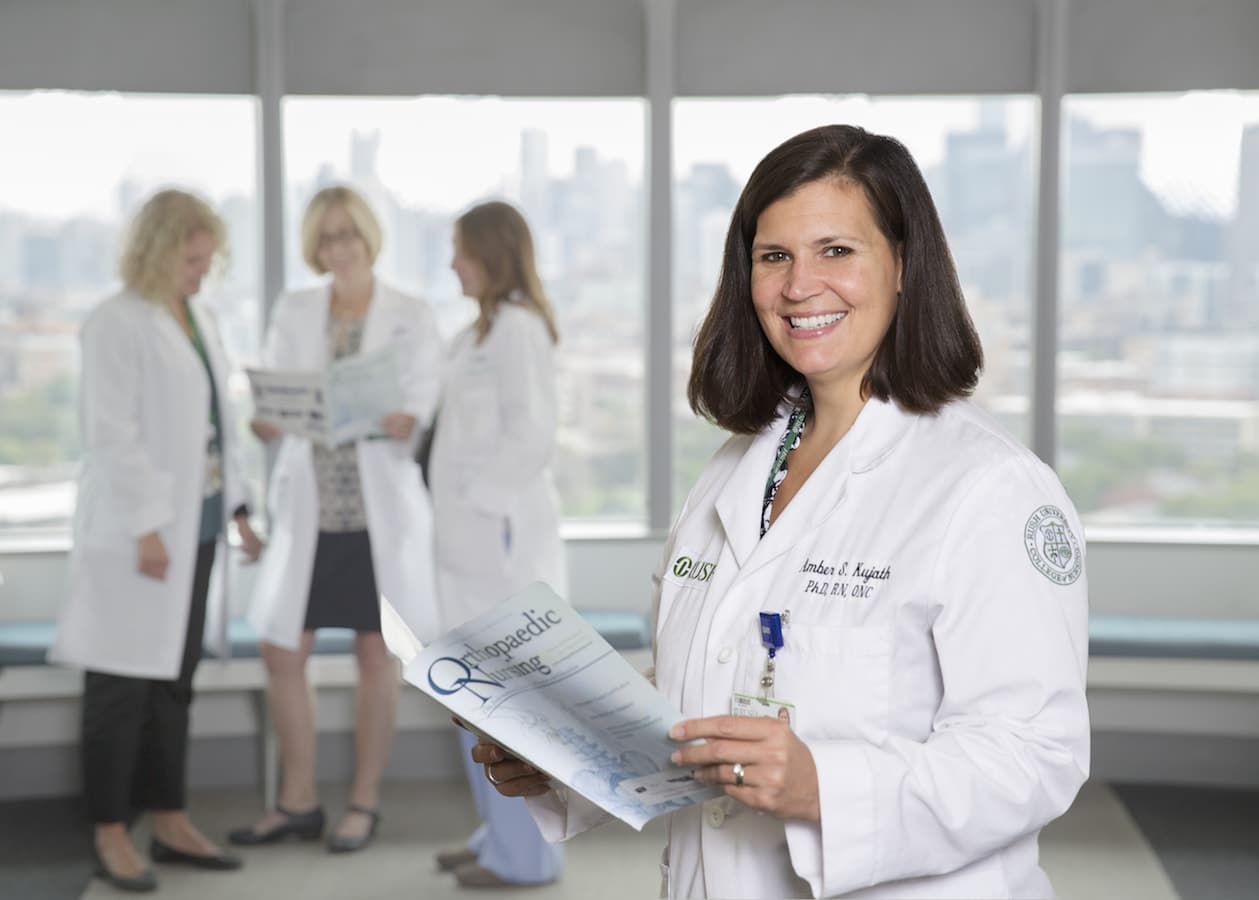
Rush University is unique because it is part of an academic health system—Rush University Medical Center. The College of Nursing employs a "teacher-practitioner" model, where faculty members are active clinicians. This ensures that the instruction remains current with 2026 clinical protocols. Rush is particularly famous for its Doctor of Nursing Practice (DNP) programs, which are frequently ranked in the top five nationally. Their Graduate Entry Master's (GEM) program is also a popular choice for individuals who hold a degree in a non-nursing field and wish to become an RN.
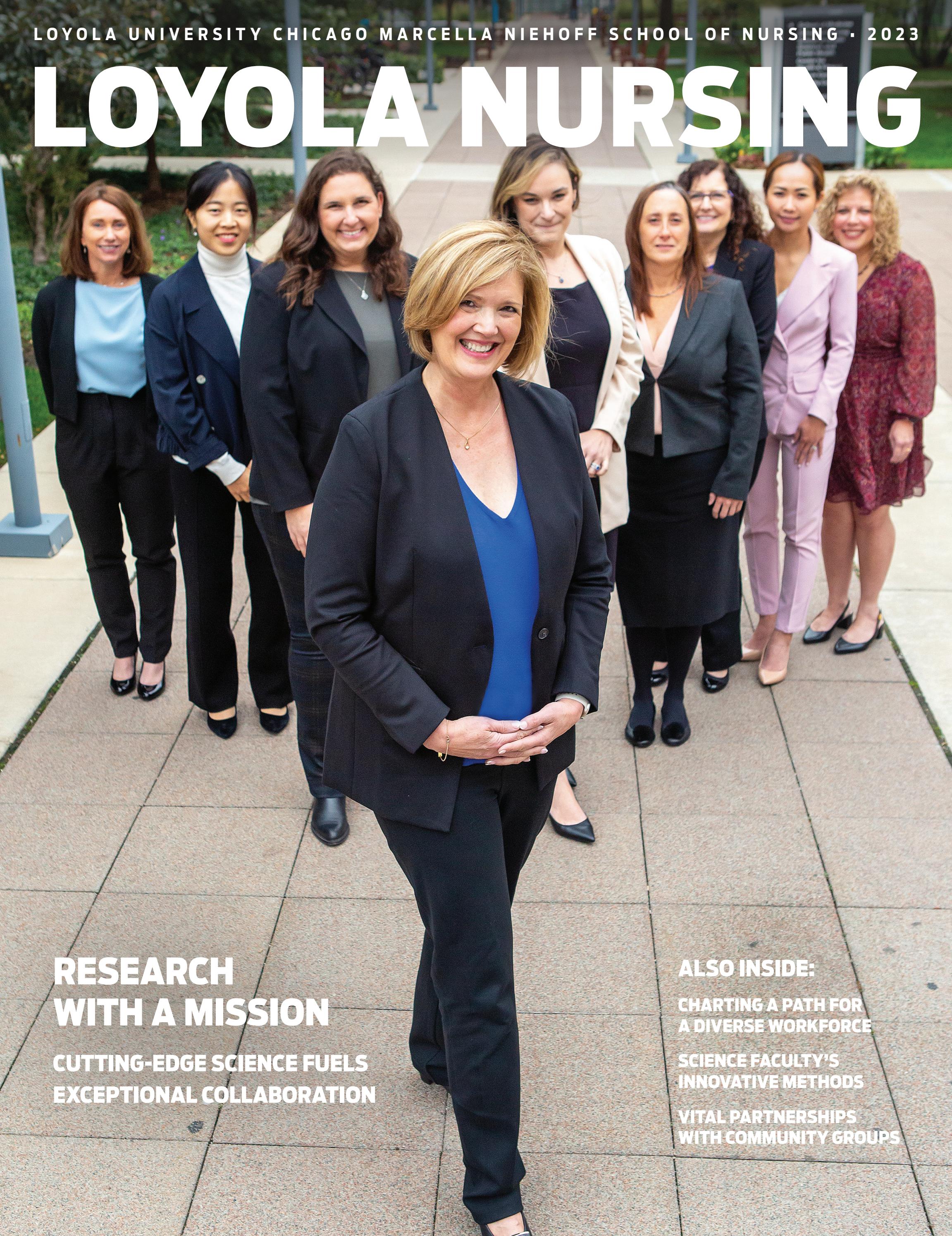
Loyola University Chicago (Marcella Niehoff School of Nursing)
Loyola brings a Jesuit tradition to nursing, emphasizing "Cura Personalis" or care for the whole person. The Marcella Niehoff School of Nursing is recognized for its rigorous BSN program and its focus on community health. Loyola students often complete rotations in both affluent and underserved areas, providing a balanced view of the healthcare challenges facing the Chicago metropolitan area. The school's 2026 initiatives include expanded mental health training and telehealth certification as part of the core undergraduate experience.
Affordable Pathways: City Colleges of Chicago
Navigating the cost of education is a primary concern for many students. The City Colleges of Chicago (CCC), specifically Malcolm X College, offer the most accessible entry point into the profession through the Associate Degree in Nursing (ADN).
Malcolm X College houses the system's healthcare programs in a state-of-the-art facility near the Illinois Medical District. The ADN program is designed to prepare students for the NCLEX-RN exam in two years. In 2026, many Chicago-area hospitals have "bridge" agreements with CCC, allowing ADN graduates to begin working as RNs while their employer subsidizes their transition to a BSN through an online or hybrid RN-to-BSN program. This "earn while you learn" model is a critical strategy for addressing the regional nursing shortage while minimizing student debt.
Specialized and Accelerated Programs
Chicago is a leader in accommodating career changers through Master’s Entry to Nursing Practice (MENP) programs. Institutions like DePaul University and North Park University provide these accelerated pathways.
- DePaul University: Their MENP program is intensive, allowing students with a previous bachelor's degree to earn an MSN and sit for the NCLEX-RN in approximately two years. DePaul’s strong partnerships with community health clinics make it an ideal choice for those interested in public health.
- Saint Xavier University: Historically recognized for its excellent online nursing graduate programs, Saint Xavier remains a top choice for working nurses in 2026 who are seeking to move into leadership or education roles.
- Chamberlain University: As a specialized healthcare school, Chamberlain offers a 3-year BSN program with multiple start dates throughout the year, appealing to students who want to enter the workforce as quickly as possible.
Comparison of Key Nursing Programs in Chicago (2026 Status)
The following table summarizes the primary offerings and characteristics of major nursing schools in the Chicago area.
| Institution | Primary Degree Focus | Est. NCLEX Pass Rate (Target) | Tuition Category | Notable Feature |
|---|---|---|---|---|
| UIC | BSN, MSN, DNP | 92% - 96% | Mid-Range (Public) | High research funding; WHO affiliate. |
| Rush University | GEM (MSN), DNP | 95% - 98% | High (Private) | Integrated with Rush Medical Center. |
| Loyola Chicago | BSN, MSN | 90% - 94% | High (Private) | Jesuit values; holistic care focus. |
| Malcolm X (CCC) | ADN | 85% - 89% | Low (Community) | Most affordable; strong ADN-to-BSN bridges. |
| DePaul University | MENP (MSN) | 88% - 92% | High (Private) | Ideal for career changers with prior degrees. |
| Saint Xavier | BSN, MSN | 91% - 95% | Mid-Range (Private) | Consistently high rankings for online grad tech. |
Admission Requirements and Prerequisites
Admission to nursing schools in Chicago is highly competitive. In 2026, most BSN and ADN programs require a minimum cumulative GPA of 3.0, though top-tier programs like UIC or Rush often see average incoming GPAs of 3.5 or higher.
Core Prerequisites include:
- Anatomy and Physiology I & II: Must typically be completed within the last five years with a grade of 'C' or better.
- Microbiology: Focus on pathogens and immune response.
- Chemistry: Often specifically Organic or Biochemistry.
- Statistics: Essential for evidence-based practice modules.
- HESI A2 or TEAS Exam: Most schools require one of these standardized entrance exams to assess readiness in math, reading, and science.
Prospective students must also undergo a rigorous background check and drug screening, as mandated by the Illinois Department of Public Health (IDPH) for all individuals participating in clinical rotations.
Clinical Rotations in the Chicago Ecosystem
One of the greatest advantages of attending a nursing school in Chicago is the clinical variety. Chicago is home to several Level 1 Trauma Centers, including:
- Northwestern Memorial Hospital (Streeterville)
- University of Chicago Medical Center (Hyde Park)
- Advocate Christ Medical Center (Oak Lawn)
- Mount Sinai Hospital (West Side)
Students may find themselves in a neonatal intensive care unit (NICU) one semester and a community-based mental health clinic in Englewood the next. This exposure is vital for developing the clinical judgment required by the NGN NCLEX. Furthermore, Chicago’s status as a transportation hub means students gain experience with a wide range of infectious diseases and trauma cases that are less common in smaller markets.
Financial Aid and Scholarships for Chicago Nurses
Given the 2026 tuition rates, seeking financial assistance is paramount. Beyond federal FAFSA aid, Illinois residents have access to the Nursing Education Scholarship Program administered by the IDPH. This program provides financial assistance to students pursuing a certificate, degree, or diploma in nursing, in exchange for a commitment to work in Illinois as a licensed nurse.
Additionally, many Chicago hospital systems offer Tuition Reimbursement or Tuition Forgiveness programs. For instance, Advocate Health and Amita Health often provide significant financial support to employees who transition from CNA or LPN roles into RN roles via a local Chicago nursing school.
Frequently Asked Questions
What is the fastest way to become an RN in Chicago?
The fastest pathway is typically an Associate Degree in Nursing (ADN) through the City Colleges of Chicago, which takes approximately two years of nursing-specific coursework. Alternatively, for those who already hold a bachelor's degree in another field, Accelerated BSN (ABSN) programs or Master’s Entry (MENP) programs can be completed in 15 to 24 months.
Can I work while attending nursing school in Chicago?
While many students work part-time as Certified Nursing Assistants (CNAs) or patient care technicians to gain experience, the rigorous nature of BSN and MSN programs makes full-time employment difficult. Most schools recommend no more than 16-20 hours of work per week to maintain the necessary GPA for clinical progression.
Are online nursing schools in Chicago accredited?
Yes, reputable online or hybrid programs in Chicago, such as those offered by Loyola or Saint Xavier, are accredited by either the Commission on Collegiate Nursing Education (CCNE) or the Accreditation Commission for Education in Nursing (ACEN). Always verify accreditation before enrolling, as it is required for license eligibility.
What is the average starting salary for a nurse in Chicago in 2026?
By 2026, the average starting salary for a Registered Nurse (RN) in Chicago ranges from $78,000 to $92,000, depending on the healthcare system and the nurse's specialty. BSN-prepared nurses often command higher starting rates and have greater eligibility for leadership roles than ADN-prepared nurses.
Do Chicago nursing schools require the COVID-19 vaccine in 2026?
Most Chicago nursing programs require students to adhere to the immunization policies of their clinical partner sites. This typically includes the COVID-19 vaccine, annual flu shots, and proof of immunity to MMR, Varicella, and Hepatitis B, as mandated by hospitals like Northwestern and Rush.
Final Recommendation for Prospective Students
For those entering the field in 2026, the most strategic move is to prioritize BSN programs or ensure your ADN program has a direct transfer agreement with a four-year university. Chicago’s "Magnet Status" hospitals—a designation for nursing excellence—increasingly require a BSN for all new hires. Begin by attending an information session at UIC or Malcolm X College to understand the specific prerequisite timelines, and ensure you complete your science sequences early, as these are the most common bottlenecks in the application process.
Image Gallery