The Largest Workers' Compensation Insurance Sellers: A 2026 Market Analysis
The largest workers' compensation insurance sellers in 2026 are led by The Travelers Companies, Inc., The Hartford Financial Services Group, and AmTrust Financial Services. These industry leaders, alongside global giants like Chubb Lim...
The largest workers' compensation insurance sellers in 2026 are led by The Travelers Companies, Inc., The Hartford Financial Services Group, and AmTrust Financial Services. These industry leaders, alongside global giants like Chubb Limited and Zurich Insurance Group, command the majority of the market share by providing high-capacity coverage, advanced loss control technology, and specialized claims management for businesses ranging from small startups to multinational corporations.
Contents
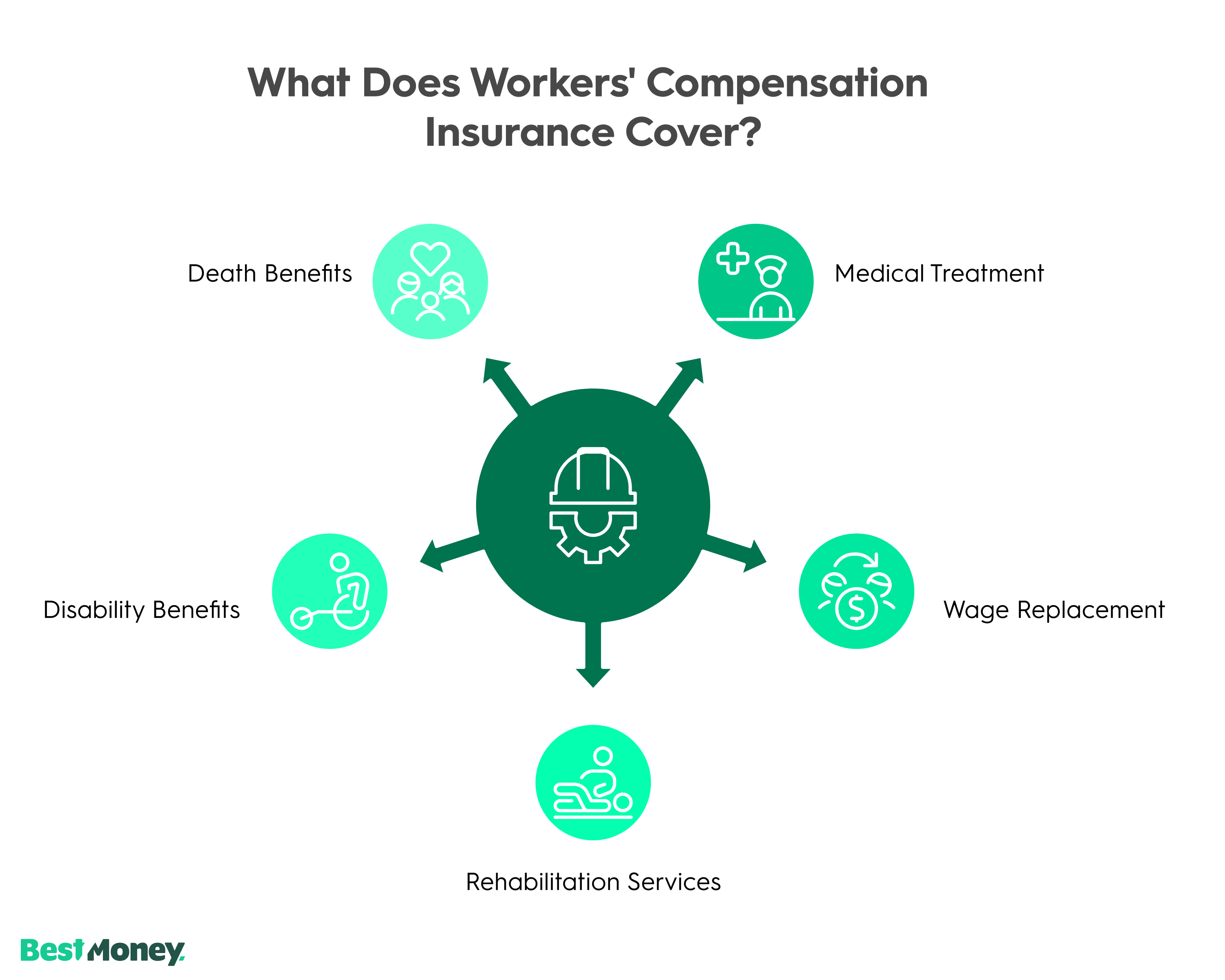
Workers' compensation insurance is a statutory requirement for nearly every employer in the United States. It serves as a "no-fault" system that provides medical benefits and wage replacement to employees injured on the job, while simultaneously protecting employers from costly negligence lawsuits. Because this coverage is mandatory, the market for workers' compensation is one of the most stable and competitive segments of the property and casualty (P&C) insurance industry. In 2026, the landscape is defined by digital transformation and a heavy reliance on data analytics to price risk accurately.
The Landscape of the Workers' Compensation Market
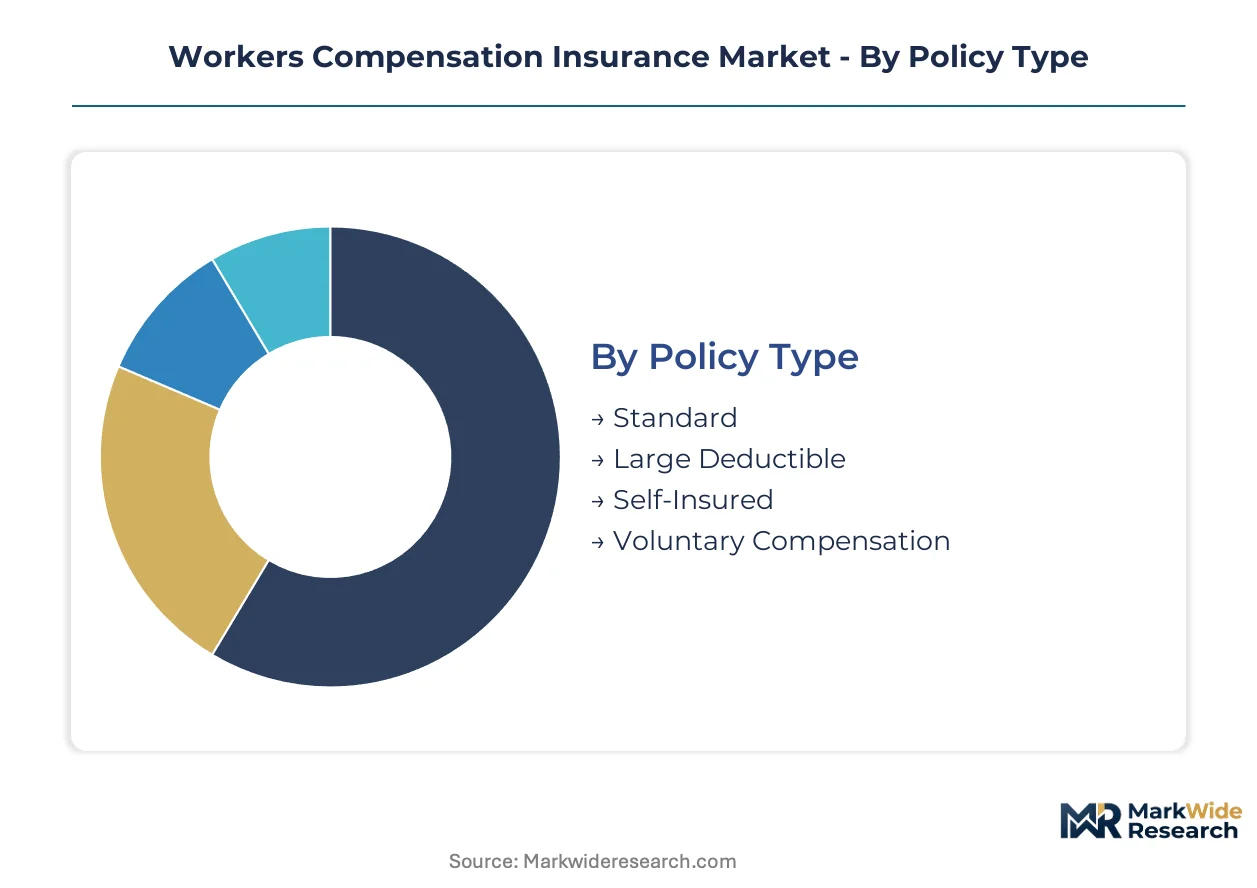
The workers' compensation market is divided between private insurance carriers, state-run funds, and self-insured entities. However, when measuring the "biggest" sellers, the industry primarily looks at Direct Written Premiums (DWP). This metric represents the total amount of premiums a carrier has collected before accounting for reinsurance or ceding portions of the risk.
According to the National Association of Insurance Commissioners (NAIC) and recent 2026 market assessments, the top 10 carriers often control more than 50% of the total market. This concentration allows these large firms to invest heavily in "Loss Control" services—proactive safety programs designed to prevent injuries before they occur—which further solidifies their market dominance.
The Role of Private Carriers vs. State Funds
While private carriers like Travelers and The Hartford operate across multiple states, several state-run organizations are also massive sellers of workers' compensation. For example, the State Compensation Insurance Fund of California and the New York State Insurance Fund (NYSIF) are among the largest individual writers of workers' comp in the country, even though they operate exclusively within their respective state borders. For the purpose of identifying the biggest "sellers" on a national scale, private commercial insurers remain the primary focus due to their geographic reach and volume.
Detailed Profiles of the Leading Workers' Comp Sellers
1. The Travelers Companies, Inc.
Travelers has long held the position of the largest writer of workers' compensation insurance in the U.S. Their dominance is rooted in a massive distribution network of independent agents and a sophisticated internal data engine. Travelers excels in providing coverage for mid-to-large-sized enterprises, particularly in the construction, manufacturing, and healthcare sectors.
One of Travelers' primary competitive advantages is its Risk Control department, which employs over 500 specialists to help businesses identify workplace hazards. In 2026, Travelers continues to lead the market by integrating wearable safety technology and IoT devices into their policy offerings, allowing for real-time monitoring of high-risk labor environments.
2. The Hartford Financial Services Group
The Hartford is arguably the most recognizable name for small business workers' compensation. They are the preferred provider for millions of small enterprises, often securing this position through strategic partnerships with organizations like AARP and various payroll processing companies.
The Hartford's "Pay-as-you-go" billing model, which integrates directly with a company's payroll, has become the industry standard for SMEs (Small and Medium Enterprises). This system eliminates the "premium shock" of year-end audits by adjusting premium payments in real-time based on actual payroll figures. Their focus on the "Small Commercial" segment makes them a volume leader in terms of the number of policies issued.
3. AmTrust Financial Services
AmTrust has carved out a significant niche by specializing in small-to-mid-sized businesses with lower-hazard risk profiles, such as retail stores, professional offices, and restaurants. By focusing on these "main street" businesses, AmTrust has maintained high profitability and a large market share.
Their growth strategy has historically involved the acquisition of smaller, regional carriers, which allowed them to expand their geographic footprint rapidly. In 2026, AmTrust remains a top seller because of its efficient, automated underwriting platforms that allow agents to quote and bind workers' comp policies in minutes.
4. Chubb Limited
Chubb is the world’s largest publicly traded property and casualty insurance company and a top-tier seller of workers' compensation for large, multinational corporations. Unlike The Hartford or AmTrust, Chubb focuses on high-complexity risks. They are the go-to carrier for companies with "Global Programs," where an employer needs a unified workers' comp strategy that covers employees in multiple countries while adhering to various local jurisdictions.
5. Berkshire Hathaway (BH GUARD and National Indemnity)
Under the leadership of Warren Buffett, Berkshire Hathaway’s insurance operations have become a powerhouse in the workers' comp space. BH GUARD Insurance Companies specializes in small-to-mid-sized businesses, while National Indemnity handles massive, idiosyncratic risks. Berkshire’s massive capital reserves allow them to take on risks that other carriers might avoid, making them a "carrier of choice" for high-premium accounts.
Comparative Overview of Top Workers' Comp Carriers
The following table outlines the key metrics for the leading sellers as of the 2026 reporting period. Ratings are based on A.M. Best, the primary credit rating agency for the insurance industry, which evaluates financial strength and the ability to pay claims.
| Carrier Name | Market Position | Financial Strength (A.M. Best) | Primary Target Audience |
|---|---|---|---|
| Travelers | #1 National | A++ (Superior) | Mid-Market & Large Industrial |
| The Hartford | #2 National | A+ (Superior) | Small Business & SME |
| AmTrust Financial | Top 5 | A- (Excellent) | Retail & Low-Hazard SME |
| Chubb | Global Leader | A++ (Superior) | Multinational & Complex Corp |
| Zurich Insurance | Top 10 | A+ (Superior) | Global Mid-to-Large Corps |
| Berkshire Hathaway | Top 5 | A++ (Superior) | Diverse (SME to Enterprise) |
| Liberty Mutual | Top 10 | A (Excellent) | Broad Market / Construction |
Technical Factors Behind Carrier Dominance
Being a "big" seller in workers' compensation requires more than just aggressive marketing; it requires a sophisticated understanding of Actuarial Science and Statutory Compliance.
Loss Control and Safety Services
The largest sellers stay at the top by helping their clients reduce the frequency and severity of claims. When a carrier like Travelers or Zurich provides loss control, they are essentially performing an audit of the employer's safety protocols. This includes:
- Ergonomic Assessments: Reducing repetitive motion injuries in office or warehouse settings.
- Industrial Hygiene: Monitoring air quality and noise levels to prevent long-term occupational diseases.
- Safety Training: Providing digital modules for forklift operation, fall protection, and hazardous material handling.
Claims Management and Medical Provider Networks (MPNs)
The largest carriers operate their own medical provider networks. By directing injured workers to "preferred" doctors who specialize in occupational medicine, carriers can ensure that employees receive appropriate care that focuses on "Return to Work" (RTW) strategies. This reduces the duration of "Indemnity Payments" (wage replacement), which is the most expensive part of a workers' comp claim.
The Experience Modifier (E-Mod)
The "Biggest" sellers are also those most adept at managing a client's Experience Modifier Rate (EMR or E-Mod). This is a numerical multiplier that represents a company's claims history compared to the industry average. A carrier that can successfully help a business lower its E-Mod from 1.2 to 0.8 is essentially giving that business a 40% discount on their premiums, creating high levels of customer retention.
Monopolistic States and the "Assigned Risk" Market
While the sellers mentioned above dominate the voluntary market, it is important to note where they cannot sell. In the four "monopolistic" states—Washington, Ohio, North Dakota, and Wyoming—private carriers are prohibited from selling the primary workers' compensation policy. Employers in these states must purchase coverage directly from the state-operated fund.
Furthermore, for businesses that are too high-risk for the "Big Five" carriers (such as new roofing companies or businesses with high loss ratios), there is the Assigned Risk Market. This is a market of last resort where the National Council on Compensation Insurance (NCCI) assigns the business to a carrier. Even in this "residual" market, the biggest sellers like Travelers and Liberty Mutual often act as "servicing carriers," managing the policies on behalf of the state.
How to Select the Right Seller in 2026
Choosing the largest carrier isn't always the best strategy for every business. While size guarantees financial stability, smaller regional carriers might offer more personalized service. However, for most employers, the benefits of a top-tier seller include:
- Financial Rating: Always verify the A.M. Best rating. A rating of 'A' or higher ensures the company can pay out long-term claims that may last decades.
- Industry Expertise: A carrier like Chubb is excellent for technology firms, while Liberty Mutual has a deep history in construction and heavy labor.
- Digital Integration: In 2026, your insurer should offer an online portal for certificates of insurance (COIs), claims tracking, and payroll reporting.
- Multi-State Capability: If your business expands into a new state, a national seller like Travelers can easily add that exposure to your existing policy, whereas a regional carrier may not be licensed to follow you.
Frequently Asked Questions
Which insurance company has the most workers' comp market share?
As of 2026, Travelers consistently holds the largest share of the private workers' compensation market, usually fluctuating between 7% and 8% of the total U.S. premium volume. They are followed closely by The Hartford and AmTrust.
Is the largest carrier always the best for small businesses?
Not necessarily. While The Hartford is a leader in small business, some employers prefer State Funds or smaller regional specialists that might have a better understanding of local labor laws and medical landscapes in a specific state.
What is the difference between a private seller and a state fund?
A private seller is a commercial insurance company that operates for profit and can choose which risks to accept. A state fund is a government-created entity; some are "competitive" (competing with private firms) and some are "monopolistic" (the only option in the state).
How do carriers determine the price of workers' comp?
Price is determined by three main factors: the Classification Code (the type of work being done), the Payroll (the total exposure), and the Experience Modifier (the company’s specific loss history). The biggest sellers use proprietary algorithms to refine these costs beyond the base rates set by the NCCI.
Can I buy workers' compensation directly from these big sellers?
While some companies like The Hartford and Progressive (through its partners) allow for direct online quotes, the vast majority of workers' compensation insurance is still sold through independent agents and brokers. These intermediaries help businesses compare the "Big Five" to find the best rate and coverage terms.
Final Recommendation
For businesses evaluating their coverage in 2026, the best approach is to solicit quotes from at least two of the "Big Three" (Travelers, The Hartford, or AmTrust) while also considering a specialized or regional carrier if your industry is high-risk. Prioritize carriers that offer robust Loss Control services, as preventing a single major injury will save your company significantly more money over time than a slightly lower initial premium. Always ensure your carrier maintains at least an 'A' rating from A.M. Best to guarantee long-term solvency.
Image Gallery