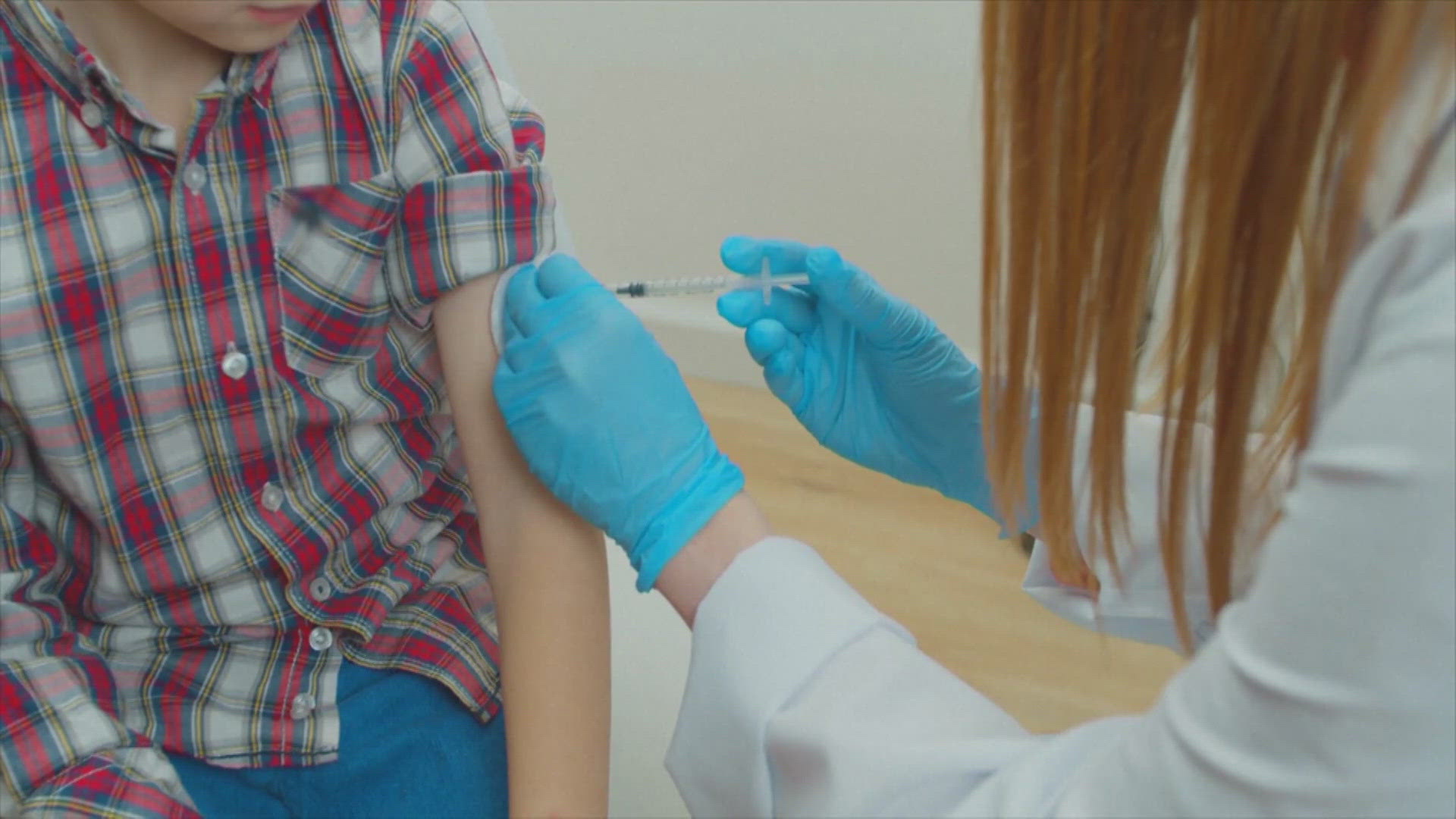
Why the ProQuad MMRV Vaccine Matters for Kids
The ProQuad MMRV vaccine is a combined immunization that provides protection against four distinct viral diseases: measles, mumps, rubella, and varicella (chickenpox). By consolidating these defenses into a single injection, the vaccin...
The ProQuad MMRV vaccine is a combined immunization that provides protection against four distinct viral diseases: measles, mumps, rubella, and varicella (chickenpox). By consolidating these defenses into a single injection, the vaccine reduces the total number of shots required for pediatric patients, simplifying the vaccination schedule while maintaining high efficacy levels against serious childhood illnesses.
Contents
The Composition of the ProQuad Vaccine
To understand why ProQuad matters, it is necessary to examine the components it delivers. The acronym "MMRV" represents the four live-attenuated viruses contained within the vaccine. Each component is engineered to trigger an immune response without causing the full-blown disease, effectively "training" the child’s immune system to recognize and neutralize these pathogens in the future.
- Measles: A highly contagious respiratory virus characterized by a characteristic rash and high fever, which can lead to severe complications like pneumonia or encephalitis.
- Mumps: A viral infection that typically affects the parotid glands (salivary glands), potentially leading to orchitis, meningitis, or permanent hearing loss.
- Rubella (German Measles): While often mild in children, it poses catastrophic risks if contracted by pregnant individuals, as it can cause congenital rubella syndrome in the fetus.
- Varicella (Chickenpox): A widespread viral infection causing an itchy, blister-like rash. While often viewed as a "rite of passage," it can lead to severe skin infections, dehydration, and pneumonia.
By bundling these, the vaccine addresses four significant public health threats simultaneously. The manufacturing process utilizes cell culture technology to ensure that the viruses are stable and consistent, meeting the rigorous quality standards required for pediatric biological products.
Why Combined Immunization Matters for Pediatric Health
The primary logistical advantage of ProQuad is the reduction of injection volume. In a standard childhood immunization schedule, children receive dozens of vaccines over their first few years. Reducing the number of needle sticks is a significant factor in reducing parental stress and improving the experience for the child.
However, the medical importance goes beyond mere convenience. Combined vaccines are designed to ensure that children achieve immunity against these diseases as early and efficiently as possible. Delayed or missed doses create "gaps" in community immunity—often referred to as herd immunity—which leaves the most vulnerable populations at risk. ProQuad helps close those gaps by ensuring that patients receive protection against varicella at the same time they receive their boosters for measles, mumps, and rubella.
Clinical Effectiveness and Safety Profile
The efficacy of the MMRV vaccine is highly documented. Clinical trials have consistently shown that the immune response generated by ProQuad is comparable to receiving the MMR vaccine and the Varicella vaccine as separate injections. This "non-inferiority" is the benchmark that allows pediatricians to confidently recommend the combined version.
Regarding safety, the profile of ProQuad is similar to its component vaccines. Most children experience minor, temporary side effects, such as soreness at the injection site, mild fever, or a faint, non-contagious rash. These are signs that the immune system is actively responding to the vaccine.
A specific consideration with the MMRV combination involves the risk of febrile seizures. Because the vaccine contains a varicella component, there is a slightly higher risk of fever-related seizures in the 5-to-12-day window following the first dose compared to administering MMR and Varicella separately. Parents and healthcare providers often discuss this risk-benefit balance, especially for children with a history of febrile seizures or those with family histories of certain immune conditions. Medical professionals evaluate the child’s individual health history to determine the most appropriate timing for the doses.
Comparing Immunization Strategies
When evaluating how ProQuad fits into a health strategy, it is helpful to look at how it compares to standalone alternatives.
| Feature | ProQuad (MMRV) | MMR + Varicella (Separate) |
|---|---|---|
| Number of Injections | 1 | 2 |
| Primary Use | Routine immunization (12 months–12 years) | Alternative or catch-up schedule |
| Efficiency | High (fewer clinic visits/shots) | Standard |
| Febrile Seizure Risk | Slightly higher after 1st dose | Lower |
| Regulatory Status | FDA-approved | FDA-approved |
This table illustrates that while ProQuad offers a streamlined approach, the choice between it and separate injections is often a clinical decision made by a pediatrician based on the child’s unique needs and the specific goals of the immunization visit.
Prerequisites and Administration Requirements
The ProQuad vaccine is generally administered as a two-dose series. The first dose is typically given at 12 to 15 months of age, and the second dose is administered between ages 4 and 6, before the child enters school.
Before receiving the vaccine, a healthcare provider will conduct a routine screening. This is a critical safety step to identify potential contraindications, which may include:
- Allergic Reactions: A history of a severe, life-threatening allergic reaction (anaphylaxis) to any component of the vaccine, including gelatin or neomycin.
- Immune System Suppression: Children with weakened immune systems due to conditions like HIV/AIDS or those undergoing chemotherapy may not be candidates for this live-virus vaccine.
- Pregnancy: While not applicable to the children themselves, pregnancy status is a standard check for older recipients or those within the household to ensure appropriate safety precautions.
- Recent Transfusions: Children who have recently received blood products or immunoglobulins may need to wait several months, as these products can interfere with the vaccine’s ability to generate immunity.
Addressing Vaccine Hesitancy and Common Questions
The conversation surrounding pediatric vaccinations is often dominated by questions about ingredients and side effects. Transparency regarding the "why" behind immunization is essential.
The goal of the MMRV vaccine is not only to prevent individual sickness but to maintain the elimination of diseases like measles within the general population. When vaccination rates dip below a certain threshold, "pockets" of susceptibility form, allowing viruses to circulate again. The ProQuad vaccine serves as an effective tool for pediatricians to keep vaccination rates high and ensure that children are protected before they enter social environments like preschool and elementary school, where these viruses spread most rapidly.
Frequently Asked Questions
Is the ProQuad vaccine mandatory for school entry? Most jurisdictions require proof of immunization against measles, mumps, rubella, and varicella for school and daycare attendance. While the specific vaccine brand is not usually mandated, the protection against these four diseases is a legal requirement in many regions.
Can my child get ProQuad if they have already had chickenpox? If a child has a documented, laboratory-confirmed case of varicella (chickenpox), they typically possess natural immunity. However, pediatricians often still recommend completing the MMRV series to ensure full coverage against measles, mumps, and rubella, and to guarantee that the child is protected against chickenpox even if the previous infection was mild or misdiagnosed.
Why is there a second dose required? The first dose of the vaccine provides a very high level of protection, but a small percentage of children may not develop a robust enough immune response to be fully protected. The second dose acts as a "booster," ensuring that nearly all children achieve long-lasting immunity.
How is the ProQuad vaccine stored? ProQuad is a sensitive biological product. It must be stored in a freezer and protected from light. Because it contains live viruses that can be degraded by heat, cold chain management—the process of keeping the vaccine within a specific temperature range from the manufacturer to the clinic—is strictly monitored by medical professionals.
Should I be worried about the fever associated with the vaccine? Fever is a common and normal reaction to many vaccines. It indicates that the immune system is identifying the weakened viruses and producing antibodies. Most fevers are low-grade and manageable with over-the-counter fever reducers, but you should always consult your pediatrician regarding appropriate dosages based on your child's weight.
Taking the Next Action
The most effective way to manage your child’s health regarding the MMRV vaccine is to maintain an updated immunization record. If you are approaching the age of 12 months or 4 years, contact your primary care provider to schedule a routine physical. Bring any previous vaccination records to the appointment, as this allows the provider to verify the timeline and ensure that the ProQuad vaccine is the correct choice for your child’s specific health journey. Always feel empowered to ask your provider about the specific benefits of the combination vaccine versus individual doses to make an informed decision that aligns with your family’s medical needs.
Image Gallery